

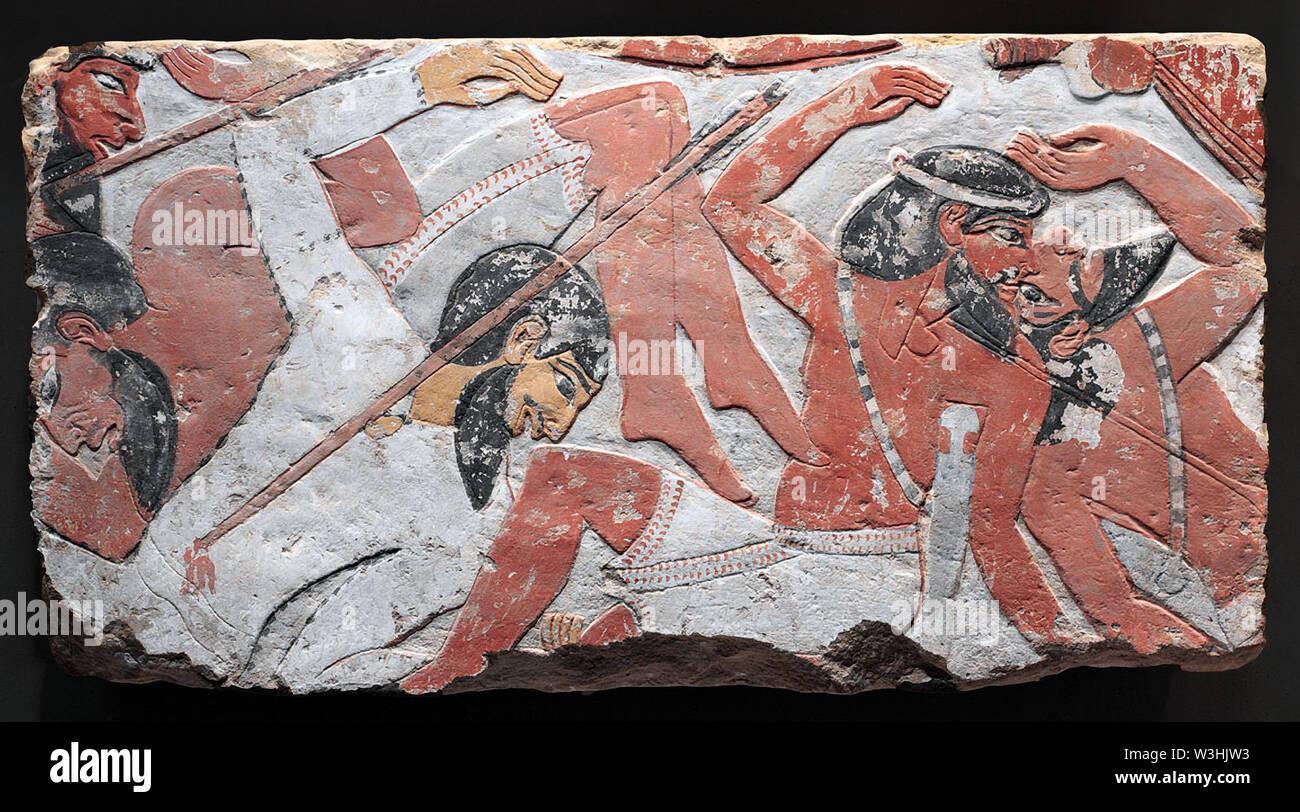
The Canaanites, an ancient civilization that once thrived in the region now known as Israel and Palestine, continue to captivate historians and archaeologists alike. As pivotal players during the Early Bronze Age, these inhabitants significantly influenced the cultural and commercial landscape of their time. Recent archaeological discoveries, such as a stunning flint blade production center near Kiryat Gat, have unveiled their remarkable craftsmanship and advanced manufacturing techniques. By examining such findings, we gain deeper insight into Canaanite society, which boasted economic specialization and intricate trade networks long before the rise of ancient Israel. This intersection of biblical tradition and Canaanite archaeology helps paint a fuller picture of a people whose legacy endures through time.
Known alternatively as the people of Canaan, this intriguing group played a crucial role in the historical tapestry of the ancient Near East. Their settlements, rich with culture and commerce, were marked by remarkable architectural and artistic achievements that laid foundational elements for subsequent civilizations. Notably, the Early Bronze Age marked a period of significant advancement for these communities, reflected in their sophisticated urban planning and trade practices. Recent excavations not only confirm the existence of organized production centers but also challenge previous narratives dominated by textual references. Embracing archaeological evidence allows for a more nuanced understanding of these ancient societies, revealing their lasting impact on the development of later cultures.
Unveiling Canaanite Civilization Through Archaeology
The excavation site near Kiryat Gat provides a compelling narrative about the Canaanites, allowing us to move beyond the biblical text and engage with their real-world existence. Archaeologists have unearthed what appears to be a sophisticated flint blade production center, dating back to the Early Bronze Age, revealing that these ancient peoples possessed advanced technological skills. The organized nature of this workshop suggests a societal framework that was not merely tribal but included elements of specialization and trade, making the Canaanites one of the pivotal ancient civilizations of the region.
As we examine this significant archeological discovery, we realize that the Canaanites were not isolated but were part of a larger network of trade and interaction with other ancient civilizations. The high-quality tools produced at this site indicate that the Canaanites engaged in regional economic activities, connecting them with neighboring areas. This economic interconnectivity is critical to understanding the emergence of urban centers in ancient Israel, as the Canaanites laid the foundational stones of community organization and commerce that would influence future generations.
The Early Bronze Age and Canaanite Technological Innovations
The Early Bronze Age marks a transformative period for the Canaanites, reflecting significant advancements in their way of life. This archaeological site reveals that the flint blade production was not only extensive but also a testament to the innovative spirit of Canaanite craftsmen. The precision with which these tools were made underscores the high level of skill and knowledge possessed by these ancient peoples, who were adept at manipulating natural materials to meet their everyday needs. Such innovations contributed directly to their survival and efficiency, allowing them to thrive in a competitive landscape.
Furthermore, the significance of this discovery lies in its implications for understanding technological progression in ancient societies. The organized nature of production indicates not just individual craftsmanship, but a collective effort that reflects social structure and cooperation. This encourages us to rethink how Canaanite archaeology has been perceived historically and to appreciate the overlapping influences between material culture and biblical narratives. The Canaanites were not mere biblical abstractions; they were skilled artisans who played a crucial role in shaping the region’s technological and cultural landscape.
Canaanite Society: Economy and Specialization
The recent findings illuminate the economic dynamics of Canaanite society, suggesting that they had established systems of specialization long before the rise of urban centers. The flint production center serves as an archetype for understanding how ancient civilizations operated; it reveals that the Canaanites had beginning stages of an organized economy where specific trades emerged. This degree of specialization indicates a complex societal organization where members could focus on distinct crafts, ultimately leading to more efficient production processes.
Moreover, the potential for trade that arose from such specialized production cannot be overlooked. As the Canaanites manufactured high-quality flint tools, they likely engaged in exchanges with surrounding communities, facilitating cultural and technological diffusion. Economic interactions would have fostered relationships not only for the exchange of goods but also for sharing innovative practices that propelled societal advancements. The excavation site thus acts as a crucial link in deciphering the evolution of ancient Israel’s economy, offering a rich narrative that interweaves trade, labor, and community development.
The Significance of Canaanite Archaeological Discoveries
Each new archaeological discovery about the Canaanites adds a layer of understanding to our knowledge of ancient Israel and its early inhabitants. The site near Kiryat Gat highlights the importance of ongoing research in Canaanite archaeology, as it uncovers elements of daily life, economic practices, and social organization that enriches the historical narrative. Such finds emphasize that the Canaanites were not merely footnotes in biblical stories but played an integral role in shaping the region’s history and culture.
These archaeological discoveries are vital not only for academic information but also for cultural heritage, as they bridge the gap between the past and the present. They provide modern societies a clearer vision of how ancient civilizations functioned. Engaging with Canaanite archaeology allows us to learn valuable lessons about resilience, innovation, and the complex interrelationships between communities. By integrating these findings into broader discussions about ancient civilizations, we can foster a deeper appreciation for the remarkable history of the Canaanites.
Canaanites and Their Role in Ancient Civilizations
Understanding the role of the Canaanites within the tapestry of ancient civilizations opens up new avenues for research and interpretation. As one of the earliest inhabitants of the Levant, the Canaanites established foundational practices that influenced subsequent cultures, including ancient Israel. Their contributions in areas such as agriculture, trade, and craftsmanship set the stage for the complexities that would come to define later societies in the region.
The archaeological evidence of Canaanite innovation illustrates how they cultivated not only the land but also their relationships with neighboring cultures. This interaction fostered a fusion of ideas and technologies, paving the way for advancements that would echo throughout history. By examining the Canaanites through an archaeological lens, we can gain insights into the social and economic structures that underpinned ancient civilizations, highlighting the importance of cultural exchange and mutual influence in shaping the historical narrative.
Exploring Canaanite Material Culture
The material culture of the Canaanites, shaped by their unique environment and technological innovations, provides critical insight into their daily lives and societal organization. The recent discovery of a sophisticated flint production center exemplifies the Canaanites’ capability in creating tools vital for survival. This emphasis on material culture not only aids in understanding the past but also demonstrates how identity and craftsmanship are intertwined within ancient communities.
Furthermore, the artifacts unearthed at sites like the one near Kiryat Gat enrich our comprehension of the Canaanite worldview. By studying the tools and objects they left behind, researchers can reconstruct the social practices and economic systems that defined their interactions. Whether through trade or daily utility, Canaanite material culture illustrates a civilization deeply engaged with its environment and adept at resource management, echoing the complexities of life during the Early Bronze Age.
Canaanite Economic Systems in Historical Context
To grasp the economic systems of the Canaanites requires looking beyond the artifacts to how these ancient peoples interacted with their environment and each other. The discovery of large-scale production sites indicates a transition from subsistence-based economies to more complex systems involving production for trade. This shift was revolutionary and set precedents for future economies in the region, illustrating an early form of capitalism that would lay the groundwork for later civilizations in ancient Israel.
The role of economic specialization in Canaanite society represents a critical factor in their resilience and adaptability over time. As different crafts emerged, so did the interdependence among community members, enhancing social cohesion while fostering competition and innovation. Recognizing this economic framework illuminates the Canaanites’ place in historical narratives, providing a richer understanding of how economic practices influenced social dynamics and community development in the ancient world.
Canaanites and Their Influence on Urban Development
As we delve into the origins of urban centers in ancient Israel, the impact of the Canaanites becomes increasingly evident. Archaeological evidence suggests that the sophisticated systems established by the Canaanites in areas such as trade, agriculture, and craft production were crucial in the transition to urban living. Their practices not only facilitated population growth but also helped create the infrastructure needed for complex societies to thrive.
The crafting of tools and the organization of production seen at sites like Kiryat Gat indicate that the Canaanites were pivotal in shaping urban landscapes. By improving efficiencies and creating surplus goods, they laid the groundwork for larger settlements to emerge. This evolution into urbanity underscores how Canaanite innovation and community organization directly influenced the structure of future societies in the region, marking their legacy in the annals of history.
Connective Threads: Canaanites in the Context of Ancient Israel
The nexus of Canaanite history and ancient Israel provides a fertile ground for exploration. By examining archaeological discoveries, such as the recently-found flint blade production center, we can begin to piece together how the lives of Canaanites and early Israelites intertwined. This relationship was complex and multifaceted, reflecting layers of cultural assimilation, conflict, and cooperation that would define the social landscape of the region.
This connective thread emphasizes that Canaanites were not merely precursors to later civilizations, but rather active participants in the cultural narratives that shaped ancient Israel. Understanding these interrelations allows for a more nuanced perspective on the rise of early Israelite society and its roots, illustrating how the influence of Canaanite practices and innovations was fundamental in establishing the foundations of one of history’s pivotal regions.
Frequently Asked Questions
What do recent Canaanite archaeological discoveries reveal about their civilization?
Recent Canaanite archaeology, particularly a discovery of a 5,500-year-old flint blade production center near Kiryat Gat, sheds significant light on their ancient civilization. This site, dating back to the Early Bronze Age, suggests that the Canaanites had advanced technological skills and were engaged in specialized economic activities, indicating a highly organized society capable of mass production and regional trade.
| Key Points | Explanation |
|---|---|
| Canaanites’ Historical Context | The Canaanites are frequently depicted in the Hebrew Bible as the original inhabitants of Canaan before ancient Israel. |
| Recent Archaeological Findings | A significant archaeological site discovered in southern Israel dates back 5,500 years, identified as a flint blade production center. |
| Significance of the Discovery | The site showcased sophisticated manufacturing capabilities, indicating a highly organized production system. |
| Technological Advancements | The precision-crafted tools reveal advanced technological skills among the Canaanites during the Early Bronze Age. |
| Societal Structure | The findings suggest signs of economic specialization and skilled labor within Canaanite society. |
| Impact on Future Urban Centers | These developments laid the groundwork for the later emergence of urban centers in the region. |
Summary
The Canaanites represent a pivotal chapter in the history of ancient civilizations, defined by their unique blend of archaeological evidence and biblical narratives. Recently, new archaeological discoveries have unlocked vital information about their lifestyle and societal organization. The identification of a sophisticated flint blade production center not only highlights the advanced technology of the Canaanites but also illustrates their complex social structures and interactions that predate the rise of Israel. By understanding these elements, we gain deeper insights into the foundations of culture and economy in the ancient Near East, showcasing the Canaanites’ significant role in shaping the region’s history.



























