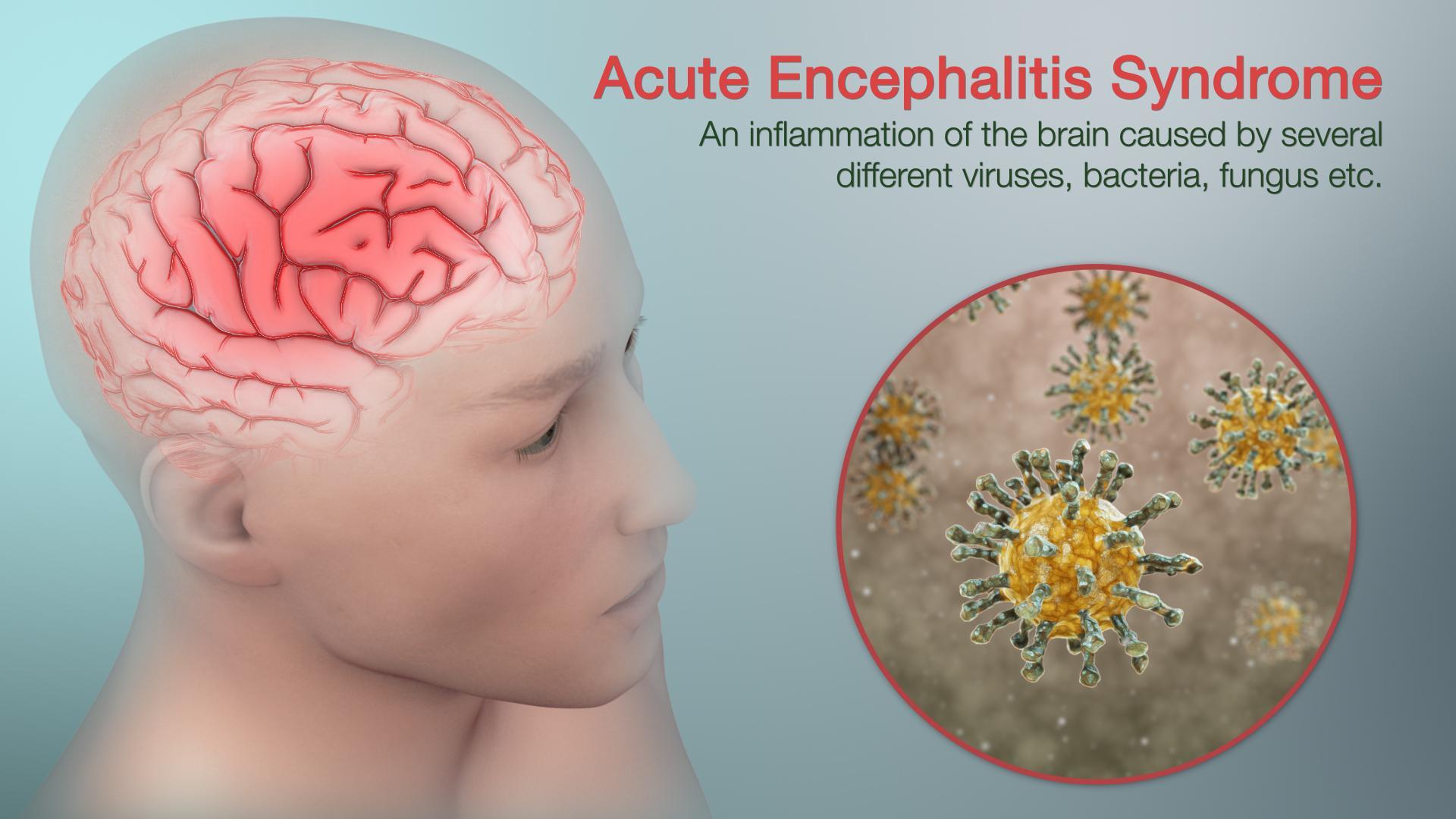
Japanese encephalitis in Assam has emerged as a significant public health concern, especially as reported cases and related fatalities continue to rise. With seven deaths attributed to this mosquito-borne disease since the beginning of the year, and over 30 related to acute encephalitis syndrome, the statistics paint a grim picture of the current health situation. Notably, Assam accounts for nearly 62% of all Japanese encephalitis deaths in India since 2018, highlighting its vulnerability to this vector-borne disease. Outbreaks often spike during the monsoon months, peaking in July and August, stressing the urgent need for health preparedness in Assam. As authorities work to combat Japanese encephalitis, measures to enhance surveillance, vaccination, and case management become increasingly critical to reducing JE deaths in India and safeguarding communities.
The rising incidence of Japanese encephalitis in Assam is part of a broader trend of increasing cases of viral brain infections seen in the region. Often conflated with acute encephalitis syndrome, this illness is primarily spread by mosquitoes, necessitating a concerted public health response. In Assam, a state with alarming statistics regarding JE cases, health officials are on high alert, striving to mitigate the impacts through improved health preparedness. The seasonal outbreaks have prompted strategic interventions aimed at reducing mortality and enhancing community resilience against this deadly virus. As the state gears up for the peak season, understanding and addressing the nuances of Japanese encephalitis and its related conditions remains vital for achieving better health outcomes.
Understanding Japanese Encephalitis Statistics in Assam
Japanese encephalitis (JE) continues to present a significant health challenge in the Indian state of Assam, especially given the alarming statistics that have emerged in recent years. As reported, since the beginning of 2026, seven people have tragically lost their lives due to JE, underscoring the persistent threat this vector-borne disease poses. National data reveals that a staggering 62% of all JE-related deaths in India since 2018 have occurred in Assam, indicating that the state bears a disproportionate burden of this disease as outbreaks typically intensify during the monsoon season from May to October.
The correlation of Japanese encephalitis with its peak seasons, often seen in July and August, is a vital aspect for local health authorities to consider when planning and deploying resources. Historical data indicates that from January 2018 to March 2026, Assam recorded over 600 deaths from JE, marking it as a critical area for health intervention. To combat this menace, it becomes imperative to enhance awareness and increase vaccination coverage, targeting vulnerable communities extensively affected by this mosquito-borne disease.
Acute Encephalitis Syndrome and Its Relation to Japanese Encephalitis
Acute encephalitis syndrome (AES) encompasses a spectrum of neurological disorders where patients exhibit symptoms like fever and alterations in consciousness. While Japanese encephalitis is one of the prevalent causes of AES, health professionals like Assam’s NHM executive director Abhijit Sarma have stressed the importance of distinguishing between the two conditions. Reports show that 32 individuals died from AES in Assam alone this year, out of a total of 470 cases, highlighting the complexity of the situation and the necessity for precise diagnostic criteria in managing these illnesses.
The overlapping characteristics of JE and AES can complicate public health responses; hence, effective treatment protocols and preparedness measures are essential. The NHM’s strategy for handling AES and JE includes intensified surveillance to identify outbreaks early, which is particularly crucial in areas with previous outbreak history. Ensuring hospital preparedness and training healthcare providers to recognize symptoms promptly can significantly reduce mortality rates associated with both Japanese encephalitis and the broader category of acute encephalitis syndrome.
Health Preparedness in Assam for Vector-Borne Diseases
The threat posed by vector-borne diseases like Japanese encephalitis necessitates a robust health preparedness strategy in Assam. As the state witnesses seasonal outbreaks, the government has initiated extensive measures, including enhancing disease surveillance systems and increasing public awareness on preventive practices. Health officials have noted the importance of community engagement to ensure that families are aware of JE’s risks and preventive strategies, particularly during the peak outbreak months when mosquito breeding rates soar.
Additionally, resources have been allocated for improving inter-departmental coordination amongst health systems, allowing for a more agile response when outbreaks arise. Vaccination campaigns aimed at high-risk populations are critical in reducing JE cases, and the integration of public health messaging around mosquito control measures is also essential. As Assam braces for future outbreaks of JE, vigilant health preparedness will play a pivotal role in safeguarding the population against the severe consequences of both Japanese encephalitis and acute encephalitis syndrome.
The Increasing Trend of JE Deaths in India and its Impacts
Since 2018, the alarming increase in JE deaths across India has raised significant public health concerns. More than half of these deaths have occurred in Assam, showcasing a persistent epidemic that demands immediate action. The cumulative impact of JE and associated acute encephalitis syndrome complicates the health landscape in the region, severely burdening healthcare systems that are already under pressure. The statistics reveal not only a health crisis but also a startling truth about health equity in India, where some states like Assam face graver consequences from preventable diseases.
Data suggests that proactive measures such as effective vector control programs, public health education, and efficient vaccination campaigns could drastically alter the trajectory of deaths related to JE. As authorities strive to reduce JE mortality, they must also address the socio-economic factors that contribute to its spread. Understanding the interplay between environmental conditions, mosquito breeding habitats, and community health awareness will be vital in curbing the rising death toll from JE in Assam and beyond.
Role of Vaccination in Combatting Japanese Encephalitis
Vaccination is recognized as one of the most effective tools in the fight against Japanese encephalitis in Assam. The introduction and expansion of immunization programs have shown promise in reducing the incidence of JE, especially among vulnerable populations. The NHM has ramped up vaccination efforts in rural and semi-urban areas, particularly just before the monsoon season when the risk of JE transmission increases due to heightened mosquito activity. These preventative measures have been crucial in mitigating the risks associated with the disease.
Despite the progress made, challenges remain in achieving adequate vaccination coverage across all demographic groups. Public health campaigns focusing on education about the benefits of vaccination against JE must be prioritized, as misinformation can deter community participation. By fostering community trust in vaccination programs and ensuring access to safe and effective vaccines, Assam can make significant strides in protecting its population from the dangers of Japanese encephalitis.
Inter-Departmental Coordination to Tackle JE
Proper coordination among various governmental departments is crucial in tackling the challenges posed by Japanese encephalitis in Assam. The State government has recognized the need for a multi-faceted approach that involves health, education, and agriculture sectors working in tandem to address both the health risks and the environmental conditions that facilitate the spread of vector-borne diseases. Enhanced collaboration allows for a more efficient allocation of resources and a unified response during outbreaks.
Efforts such as joint training programs for healthcare workers, shared data on disease surveillance, and community outreach initiatives can significantly bolster the effectiveness of these coordinated efforts. Collectively, these actions can lead to informed public health strategies that not only address the immediate concerns of JE outbreaks but also lay the groundwork for sustainable long-term health improvements. Strengthening inter-departmental cooperation can provide a comprehensive framework for mitigating the impact of diseases like JE and safeguarding public health.
Challenges in Public Health Messaging for AES and JE
Effective public health messaging is vital in addressing the widespread confusion surrounding acute encephalitis syndrome and Japanese encephalitis. Misinformation about these diseases often leads to public panic and stigma towards affected individuals, complicating the disease control efforts. Health officials in Assam have noted the importance of clear, consistent communication strategies that can educate the public on the differences between AES and JE, as well as the symptoms to watch out for and available treatment options.
Additionally, utilizing various media channels to disseminate information can ensure wider reach within communities. Social media, local radio programs, and community health meetings can serve as platforms to share knowledge and dispel myths. By empowering the public with accurate information, Assam can foster a proactive approach to health preparedness, ultimately reducing the incidence and fatalities associated with both JE and AES.
Importance of Community Engagement in Health Preparedness
Community engagement stands at the forefront of effective health preparedness against diseases like Japanese encephalitis and acute encephalitis syndrome. Engaging community members in health-related activities helps build trust, which is essential for successful public health interventions. In Assam, local leaders and health workers play a pivotal role in conveying crucial information about disease risks and prevention strategies, emphasizing the community’s role in combatting vector-borne diseases.
Encouraging local participation in health campaigns can foster a culture of vigilance and protection, particularly during peak transmission seasons. Workshops, educational sessions, and interactive forums can empower community members with knowledge regarding vaccination programs and mosquito control measures. When communities take ownership of their health, it enhances collective resilience against outbreaks, reducing both incidence rates and the fatalities stemming from diseases like Japanese encephalitis.
Advancements in Surveillance Technology for JE
Recent advancements in surveillance technology have significantly enhanced the ability of health officials in Assam to monitor and respond to outbreaks of Japanese encephalitis. The integration of real-time data collection and analysis tools allows health agencies to track the spread of the disease more efficiently than ever before. By employing geographic information systems (GIS) and mobile health applications, officials can pinpoint high-risk areas, deploy resources swiftly, and implement targeted vaccination campaigns.
Moreover, innovative surveillance tools facilitate the capture of patterns in disease transmission that can help predict future outbreaks. This predictive capability is critical during the monsoon season when mosquito populations surge, leading to a spike in JE cases. By investing in such technologies, Assam can enhance its proactive response to both Japanese encephalitis and acute encephalitis syndrome, ultimately protecting its population from these preventable yet deadly diseases.
Frequently Asked Questions
What are the current Japanese encephalitis statistics in Assam for 2026?
As of June 17, 2026, Assam has reported 35 Japanese encephalitis (JE) cases and seven deaths attributed to this mosquito-borne disease. This highlights a concerning trend, as the state accounts for a significant percentage of JE deaths in India.
How does acute encephalitis syndrome relate to Japanese encephalitis in Assam?
Acute encephalitis syndrome (AES) includes various causes, and Japanese encephalitis is one of them. In Assam, among the 470 AES cases reported, 32 have resulted in death, indicating that while JE is a major contributor, not all AES cases are due to JE.
What measures is the Assam government taking for health preparedness against Japanese encephalitis?
The Assam government has implemented extensive preparedness measures for the Japanese encephalitis season, including enhancing surveillance, managing cases effectively, ensuring hospital readiness, expanding vaccination coverage, and improving coordination among various health departments.
What is the peak season for Japanese encephalitis outbreaks in Assam?
Japanese encephalitis outbreaks in Assam typically occur between May and October, with the peak incidence usually observed in July and August. It is crucial for residents to stay informed and prepared during this critical period.
How many JE deaths have been recorded in India since 2018, and what percentage occurred in Assam?
Since 2018, nearly 62% of all Japanese encephalitis deaths in India have occurred in Assam, where 609 individuals have succumbed to the disease, underscoring the region’s vulnerability to this vector-borne disease.
What is the relationship between Japanese encephalitis deaths and acute encephalitis syndrome fatalities in Assam?
In Assam, there have been 35 reported JE cases with seven resulting in death, while 32 out of 470 AES cases have also led to fatalities. This illustrates that while JE is a significant cause of AES, not all deaths from AES can be attributed to JE.
What can residents of Assam do to protect themselves from Japanese encephalitis?
Residents of Assam can protect themselves from Japanese encephalitis by following preventive measures such as vaccination, using mosquito repellent, reducing standing water, and using mosquito nets, especially during the peak outbreak months.
What is the role of the National Centre for Vector-Borne Disease Control in managing Japanese encephalitis in Assam?
The National Centre for Vector-Borne Disease Control (NCVBDC) plays a critical role in managing Japanese encephalitis in Assam by providing data, coordinating health responses, and implementing vector control measures to mitigate outbreaks.
| Key Points |
|---|
| Seven deaths reported from Japanese encephalitis in Assam this year (by June 18, 2026). |
| 32 deaths from acute encephalitis syndrome (AES) reported in Assam. |
| Assam accounts for nearly 62% of all Japanese encephalitis deaths in India since 2018. |
| Outbreaks typically happen from May to October, peaking in July and August. |
| 35 JE cases and 7 deaths reported in Assam up to June 17, 2026. |
| State government is undertaking extensive readiness measures for AES and JE season. |
| Improving surveillance, case management, hospital readiness, vaccination coverage, and coordination among departments. |
| Three out of every five JE deaths in India from January 2018 to March 2026 occurred in Assam. |
| 609 total JE deaths reported in Assam since 2018, compared to 376 in the rest of India. |
Summary
Japanese encephalitis in Assam has emerged as a significant health concern, with reported cases and fatalities highlighting the need for effective preventive measures. Authorities are intensifying preparations as peak transmission seasons approach, ensuring enhanced surveillance and vaccination efforts are in place to combat this mosquito-borne disease.