

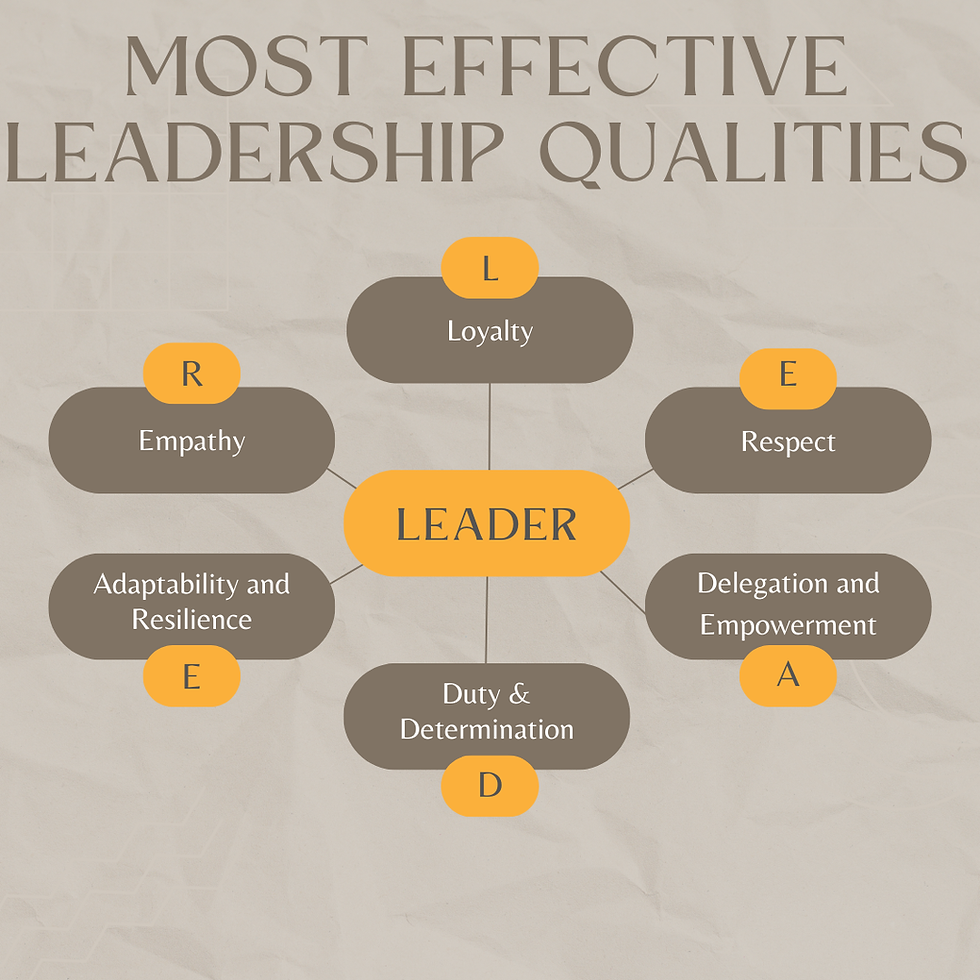
The Chinese proverb on leadership, “A man who thinks he is leading, but has no one following him, is only taking a walk,” serves as a poignant reminder of what true leadership entails. This insightful saying starkly highlights the importance of followers in the leadership equation, underscoring that leadership qualities go beyond titles or positions. Genuine leadership is not merely about authority; it thrives on the ability to earn trust and inspire people to follow willingly. Without this critical aspect, one may find themselves alone, desperately trying to lead but lacking true direction. Understanding the meaning of leadership requires recognizing that it’s a shared journey, reliant on mutual respect and understanding rather than superficial command.
Exploring the nuanced dynamics of guidance and influence, this ancient adage encapsulates the essence of effective management. It emphasizes the need for authentic engagement versus mere positional authority in any group endeavor. This concept echoes throughout various interpretations of leadership, where the significance of follower dynamics plays a crucial role in team cohesion. Leadership, in this broader context, is revealed to be an art of persuasion and empathy, rather than just a title held by an individual. By focusing on the collective journey, leaders can foster environments where individuals feel valued and motivated to contribute.
Understanding Leadership Beyond Titles
Leadership is often misconstrued as a position of authority, yet this Chinese proverb starkly reveals the fallacy of assuming that a title equates to actual influence. True leadership transcends mere job titles; it is fundamentally about the relationship between a leader and their followers. A true leader inspires trust and motivates their team, driving collective purpose and ambition. When someone holds a high-ranking position without genuine followers, they are merely performing the actions of a leader but lack the essence of what it truly means to lead.
The importance of followers in the leadership dialogue cannot be overstated. Followers are not just passive recipients of directives, but active participants in a shared journey towards a common goal. Leadership is inherently a relational process, and the engagement of others is crucial for fostering an environment where innovative ideas and collaboration can thrive. When leaders understand that their authority must be rooted in the trust and respect of their followers, they unlock the true potential of their leadership capabilities.
The Importance of Genuine Followership in Leadership
The relationship between leaders and followers is reciprocal and significant. Genuine followership stems from the leader’s ability to connect with their audience on a deeper level. When individuals feel heard, valued, and understood, they are more likely to commit their time and energy to the common vision. A leader without followers reveals a critical gap in this relationship, serving as a poignant reminder that leadership requires active participation rather than passive acceptance.
Moreover, understanding the distinction between leadership and a mere title can influence how one approaches their role. True leaders cultivate a following by demonstrating empathy, clarity, and vision. They encourage dialogue, allowing for a rich exchange of ideas that not only fosters loyalty but also inspires innovative thinking and strategic growth. When individuals see their ideas and contributions valued, they naturally gravitate toward effective leadership, reinforcing the cycle of productive leadership dynamics.
Evaluating Your Leadership Effectiveness
To assess whether you are genuinely leading or merely taking a stroll with an inflated sense of authority, consider the feedback from those around you. The advice given in the proverb encourages leaders to frequently look back and gauge the engagement of their followers. This reflective practice is key; if no one is behind you, it could indicate a lack of clarity or genuine connection in your leadership style. Understanding the reasons for this disconnection is the first step toward regaining direction.
Additionally, leaders should prioritize effective communication and active listening. Encouraging open dialogues with followers can yield valuable insights into their needs, preferences, and aspirations. When leaders listen, they make their followers feel significant, thereby establishing trust and enhancing their influence. The cultivation of loyalty and respect is built through genuine interactions that acknowledge and integrate the perspectives of all team members.
The Role of Influence in True Leadership
True leadership is ultimately about influence, and this is encapsulated beautifully by the modern interpretation of the proverb. Leadership should not be viewed through the lens of authority alone; it is the ability to inspire and galvanize others toward a shared mission. This includes recognizing that leadership occurs in service to the community rather than in pursuit of personal ambition. An effective leader invests time in building relationships, leveraging their influence to create a supportive and collaborative environment.
The essence of influence is embedded in the leader’s capacity to communicate a clear vision that resonates with their followers. It is through shared goals and collective will that a leader can truly mobilize their team. By fostering trust and engagement, leaders not only fulfill their roles but also empower others to grow and contribute meaningfully to the organization’s success. This interconnectedness defines true leadership and elevates it from a title to a transformative journey.
Cultivating Leadership Qualities That Attract Followers
To be an effective leader, one must intentionally cultivate specific qualities that attract and retain followers. Key leadership qualities include emotional intelligence, empathy, and the ability to inspire. Emotional intelligence allows leaders to navigate social complexities and foster strong relationships, while empathy creates an environment where team members feel valued and understood. When people see these traits consistently displayed, they are more likely to engage deeply with a leader.
Moreover, leaders should strive to be authentic and transparent in their interactions. Authenticity breeds trust, and when individuals believe in their leader’s integrity, they are far more likely to follow. Regularly demonstrating these leadership qualities fosters a sense of community and commitment, transforming followers into willing participants on the journey toward achieving common goals together.
Why Listening is Essential in Effective Leadership
Listening is a crucial component of effective leadership that often gets overlooked. Leaders who prioritize listening create an atmosphere where followers feel empowered to voice their opinions and concerns. This open communication not only builds trust but also promotes a culture of collaboration and innovation. When leaders actively listen, they not only collect valuable insights but also demonstrate respect for their team’s viewpoints, reinforcing their role as effective leaders.
Furthermore, effective listening helps leaders to identify areas for improvement within their teams and their own leadership approach. By embracing feedback, leaders can adjust their strategies and strengthen their connections with followers. In a world where the dynamics of work are continually shifting, the ability to listen and adapt is paramount for successful leadership, guiding teams through challenges and ensuring collective resilience.
Learning from Historical Perspectives on Leadership
Throughout history, great thinkers and leaders have emphasized the importance of understanding the true meaning of leadership. The reflections of notable figures like Lao Tzu underscore that effective leadership is often subtle and rooted in empowering others. When leaders lead from a place that feels seamless and natural, they minimize resistance and cultivate a collaborative spirit among their followers.
Such historical perspectives provide valuable lessons for contemporary leaders. They highlight how the most effective leaders are those who prioritize the needs and aspirations of their followers over their own ego. This timeless wisdom reinforces the idea that leadership is an ongoing journey of mutual influence, where the quality of relationships defines success far more than merely holding a title ever could.
Leadership Lessons from Proverbs and Sayings
Proverbs, like the one highlighted in this discussion, encapsulate invaluable insights into the nature of leadership. They remind us that the essence of leadership is rooted not just in authority, but in the willingness to inspire and engage followers. By reflecting on such sayings, contemporary leaders can glean lessons that inform their approach and practice.
Moreover, these lessons encourage leaders to not just see their role as one of direction, but as a pivotal position requiring humility and readiness to learn. By aligning their actions with the wisdom contained in proverbs, leaders can develop a deeper understanding of their influence, ensuring that they walk a path that genuinely uplifts others along the way.
Conclusion: Redefining Leadership for Modern Times
In a rapidly changing world, re-evaluating what it means to be a leader is imperative. The ideas brought forth by the Chinese proverb remind us that leadership requires active participation and a genuine connection with followers. In today’s context, leaders who understand the nuances of influence, empathy, and engagement are equipped to foster dynamic environments that encourage innovation and shared success.
As we move forward, it is crucial that individuals in leadership positions embrace these timeless principles. By prioritizing relationship-building and cultivating the essential qualities that draw followers, they can redefine leadership. This revitalized vision can bridge the gap between merely holding a title and inspiring a collective journey towards meaningful outcomes.
Frequently Asked Questions
What does the Chinese proverb about leadership teach us regarding the importance of followers?
The Chinese proverb “A man who thinks he is leading, but has no one following him, is only taking a walk” emphasizes that true leadership is not about holding a title or asserting authority. It highlights the importance of followers in defining leadership qualities. A genuine leader earns respect and trust from their followers, making their role meaningful.
| Key Points | Explanation |
|---|---|
| Proverb Meaning | A leader is defined not by their title but by the followers they genuinely have. |
| Leadership vs. Title | A title grants authority, but it does not guarantee true leadership if there are no followers. |
| Requirement for True Leadership | Earning influence and trust, understanding followers’ needs, and establishing clear directions are key. |
| Constructive Feedback | If no one follows, use it as feedback to improve leadership approach. |
| Broader Insights | Leadership is also seen through the lens of influence; it encompasses more than just a title. |
Summary
The Chinese Proverb on Leadership emphasizes that true leadership transcends beyond mere titles and positions. It highlights the profound truth that effective leaders are not recognized simply because they stand at the forefront. Instead, their ability to lead is illustrated by the people who enthusiastically choose to follow them. This proverb serves as a mirror reflecting the importance of genuine connection, influence, and understanding in leadership. Leaders must occasionally look back to verify if their actions resonate with those they guide, thus fostering a collaborative environment rather than a solitary expedition.



























