

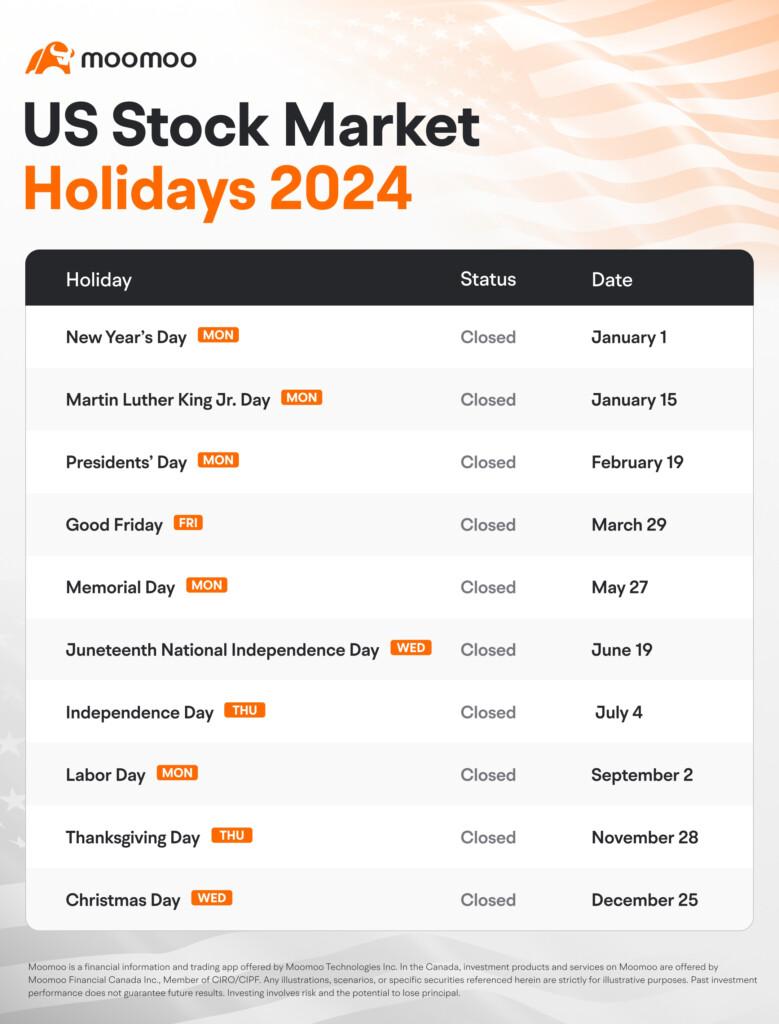
On June 19, 2026, the US stock market is officially closed in observance of the Juneteenth stock market holiday, a significant date in American history celebrating freedom from slavery. This closure affects all major trading platforms, including the New York Stock Exchange and Nasdaq, as well as US bond markets and Federal Reserve banking services. For investors planning their trades, understanding the Juneteenth market status is crucial since no transactions will take place today, and any orders will remain pending until the market reopens on Monday, June 22. As the US market holiday calendar recognizes this important occasion, it’s essential to consider the Juneteenth trading impact—especially for global investors looking to execute trades effectively post-holiday. With the stock market closed, investors should prepare for potential volatility as markets react to queued trades and economic news once trading resumes.
June 19 is marked as a pivotal date in the annual calendar, coinciding with Juneteenth, an occasion that commemorates the emancipation of enslaved African Americans in the United States. The significance of this day is reflected not only in cultural observances but also in the financial world, where the stock exchanges and federal banking services pause their operations. This integral moment on the US market holiday calendar prompts many traders and investors to reassess their strategies with the Juneteenth market implications in mind. It’s a day that not only symbolizes freedom but also presents a unique challenge as trading resumes, allowing for a re-evaluation of market dynamics affected by the holiday closure. Understanding the repercussions of this day is vital for investors who want to navigate the shifting landscape of the stock market effectively.
Understanding Juneteenth: Significance and Traditions
Juneteenth, observed on June 19, marks a pivotal moment in American history when, in 1865, enslaved people in Galveston, Texas, were declared free. This day represents not only the end of slavery but also the ongoing journey towards equality and justice in the United States. It has become a time for reflection, education, and celebration, emphasizing African American culture and heritage across the nation. As Juneteenth gains recognition as a federal holiday, communities engage in parades, concerts, and workshops, fostering collective remembrance of the struggles faced and achievements made towards freedom.
The incorporation of Juneteenth into the fabric of American society underscores the need for historical awareness and social change. Schools and organizations are increasingly incorporating lessons about Juneteenth into their curricula, promoting discussions around race, equity, and civil rights. As this holiday continues to be celebrated nationwide, it becomes an opportunity to not only honor the past but also to inspire future generations to champion social justice.
Stock Market Status on Juneteenth: June 19, 2026
On June 19, 2026, the US stock market is officially closed for Juneteenth National Independence Day. This closure affects major trading platforms such as the New York Stock Exchange (NYSE) and Nasdaq, halting all trading activities for the day. Consequently, no transactions will be executed, and any orders placed will remain pending until the markets reopen on the following Monday, June 22, 2026. The closure on this federal holiday is significant for investors, as it means no real-time trading adjustments can take place.
Investors should be aware of how this market status impacts their strategies, especially if they are managing portfolios that include US stocks and ETFs. The day off allows traders and investors to step back and reassess their positions while also re-evaluating their trading strategies in anticipation of potential volatility once the market reopens. Delayed market cues could lead to swift movements at the opening bell on June 22, as pent-up investor sentiment seeks to play out.
This holiday highlights the importance of understanding the US market holiday calendar and its direct implications for trading activities.
Impacts of Juneteenth on Trading Activity for Indian Investors
The observance of Juneteenth as a holiday directly influences trading practices for Indian investors looking to engage with the US stock market. With the NYSE and Nasdaq closed, any trades initiated on this day are paused, which complicates strategies and planning. Indian investors must consider how this holiday affects order execution, especially since they operate across different time zones and market conditions. All dollar transfers and related transactions may also encounter delays due to the closure of Federal Reserve banking services.
As Indian investors strategize for market entry or exit, they should factor in the unique implications of waiting for the June 22 opening, considering key indicators like US economic data releases in the following week. The effects of Juneteenth extend beyond a single day, as market volatility may surge upon the reopening, influenced by any shifts in economic sentiment or geopolitical developments that occurred during the holiday.
What to Expect When Trading Resumes After Juneteenth
As the US stock market reopens on June 22, 2026, investors should brace for an active trading environment. Orders queued during the Holiday will execute, potentially resulting in swift price adjustments, particularly for high-profile stocks and ETFs that may have seen market-moving developments during the long weekend. Traditional investing wisdom suggests that mornings post-holiday can be characterized by increased volatility, as traders react to global and domestic news accumulated over the downtime.
Investors especially need to be aware of economic indicators that will be released later in June, such as PCE inflation data scheduled for release on June 25. The implications of this data will trend closely with market sentiment and could lead to renewed discussions regarding interest rate adjustments. Keeping an eye on upcoming earnings reports from major companies will also be essential, as these releases can further influence market movements, shaping trading strategies for the week ahead.
Key Financial Indicators to Monitor Post-Juneteenth
In the wake of Juneteenth, financial indicators such as inflation data and earnings reports become crucial. The Bureau of Economic Analysis’ release of May PCE inflation figures will be pivotal. Investors must be vigilant, as these data points often drive market sentiment, potentially influencing trading conditions as the week progresses. A significant inflation report could sway the Federal Reserve’s stance on interest rates, impacting stock prices and investor confidence.
Additionally, the reaction of the US dollar relative to the INR can be substantial. If the dollar strengthens post-inflation release, it may influence Indian investors’ buy or sell decisions regarding US stocks, resulting in an adaptive trading strategy. By understanding these financial indicators, investors can better navigate the complexities of the market environment following a holiday closure.
Why Juneteenth Matters for Global Investors
Juneteenth, recognized as a national holiday, represents more than just a day off from market trading; it symbolizes a commitment to addressing historical injustices. For global investors, particularly those involved in the US stock markets, recognizing the significance of such days presents an opportunity to reflect on the broader implications of social equity and responsible investing. Understanding the cultural context around such holidays can help shape investment strategies that resonate with values around diversity and inclusion.
Moreover, global investors can benefit from adopting a comprehensive view of their investments regarding the social and historical landscapes of the markets they engage with. By aligning their portfolios with socially responsible companies that honor observances like Juneteenth, investors can cultivate a market approach that influences positive change in society while also recognizing potential for enhanced returns.
Navigating Market Uncertainties Post-Juneteenth
Investors often face uncertainties around market re-openings, particularly after holidays such as Juneteenth. It is essential to employ a well-structured plan for navigating the anticipated volatility once trading resumes. This includes not only reviewing closed positions that were queued during the holiday but also being prepared for sudden movements influenced by news or economic data released over the weekend.
Maintaining a flexible trading strategy and being ready to adapt to changes will be paramount. Investors should make use of stop-loss orders and predefined trading positions to mitigate risks associated with unexpected market reactions. This proactive approach can help investors effectively manage the fluctuations that are typically seen in the days following market holidays like Juneteenth.
The Role of Economic Reports in Post-Holiday Market Dynamics
Following holidays like Juneteenth, economic reports play a crucial role in defining market dynamics. Investors need to pay significant attention to upcoming reports, particularly inflation data, which can have substantial ramifications on market trends. Economic factors such as rising inflation might prompt speculations about interest rate changes from the Federal Reserve, influencing investor sentiment and market behavior.
Hence, having a solid understanding of how these reports interact with market conditions is essential for making informed trading decisions. Investors should be prepared for swings in market sentiment as economic indicators release, and adjust their strategies accordingly to position themselves advantageously in the unfolding marketplace.
The Future of Juneteenth as a Financial Indicator
As more Americans recognize and celebrate Juneteenth, its implications in the financial landscape may expand beyond a simple market closure. Investors can look towards how this holiday increases awareness of social equity topics and could become a symbolic reference in financial discussions. Heightening engagement around such federal holidays can help cultivate an investing community focused on values and societal impacts, illustrating a shift towards conscientious investing.
In the long term, the financial industry may continue to leverage commemorations like Juneteenth as touchpoints for driving investment in socially responsible companies. This reflects an increasing trend towards aligning financial objectives with broader social goals, allowing investors to drive change through their investment choices while simultaneously navigating the complexities of the market.
Frequently Asked Questions
Is the US stock market closed on Juneteenth 2026?
Yes, the US stock market is closed on June 19, 2026, for Juneteenth National Independence Day. Both the New York Stock Exchange (NYSE) and Nasdaq will not operate on this federal holiday.
What is the market status for Juneteenth 2026?
On Juneteenth 2026, the market status is that there will be no trading in US-listed stocks or ETFs. Therefore, investors should expect a market closure through the day.
What is the impact of Juneteenth 2026 on trading activities?
Due to the Juneteenth 2026 stock market holiday, all trading activities will be paused. Orders made during this day will be queued and not executed until the market reopens on Monday, June 22, 2026.
What does Juneteenth mean for Indian investors in the US market?
For Indian investors, the Juneteenth market holiday means that no US market trading will occur. This can affect order execution and dollar transfers, impacting overall trading strategies.
How does the US market holiday calendar include Juneteenth 2026?
Juneteenth is officially recognized in the US market holiday calendar due to its significance as a federal holiday, resulting in the closure of trading on June 19, 2026.
Why is the US stock market closed on Juneteenth National Independence Day?
The US stock market is closed on Juneteenth to honor the day marking the end of slavery in the United States, as it is a federal holiday observed nationwide.
When does the US stock market reopen after Juneteenth 2026?
The US stock market will reopen on Monday, June 22, 2026, following the Juneteenth 2026 stock market holiday.
What should investors watch for after Juneteenth 2026?
Investors should watch for market reactions and execution of queued orders when the market reopens, alongside key inflation data and earnings reports to stay informed about potential market shifts.
Will banks be open on Juneteenth 2026?
No, most US banks will be closed on Juneteenth 2026, affecting services like branch banking, transfers, and payments.
What are the consequences of the federal holiday on stock trading on Juneteenth 2026?
Consequences of the Juneteenth 2026 federal holiday include the inability to execute stock trades and possible delays in financial operations, particularly affecting international investors.
| Market / Institution | Status on June 19 | What It Means |
|---|---|---|
| NYSE | Closed | No trading in US-listed stocks and ETFs |
| Nasdaq | Closed | No trading in Nasdaq-listed shares |
| US bond market | Closed | Treasury and major fixed-income trading follows SIFMA holiday schedule |
| Federal Reserve services | Closed | Bank settlement and payment processing can be delayed |
| Most US banks | Closed | Branch banking, wires and clearing may be affected |
| CME futures | Modified hours | Some futures may trade with early halts, depending on product |
Summary
Juneteenth 2026 stock market holiday demonstrates its significance as the US stock market is closed today, impacting trading activities. This day, which marks the end of slavery, is observed as a federal holiday, ensuring that institutions like the NYSE and Nasdaq do not conduct trading. For investors, particularly those from India, this holiday not only affects order executions but also influences the market’s performance when it reopens. With important economic reports set to be released soon, including inflation data, the reopening is vital for tracking market influences post-holiday.



























