

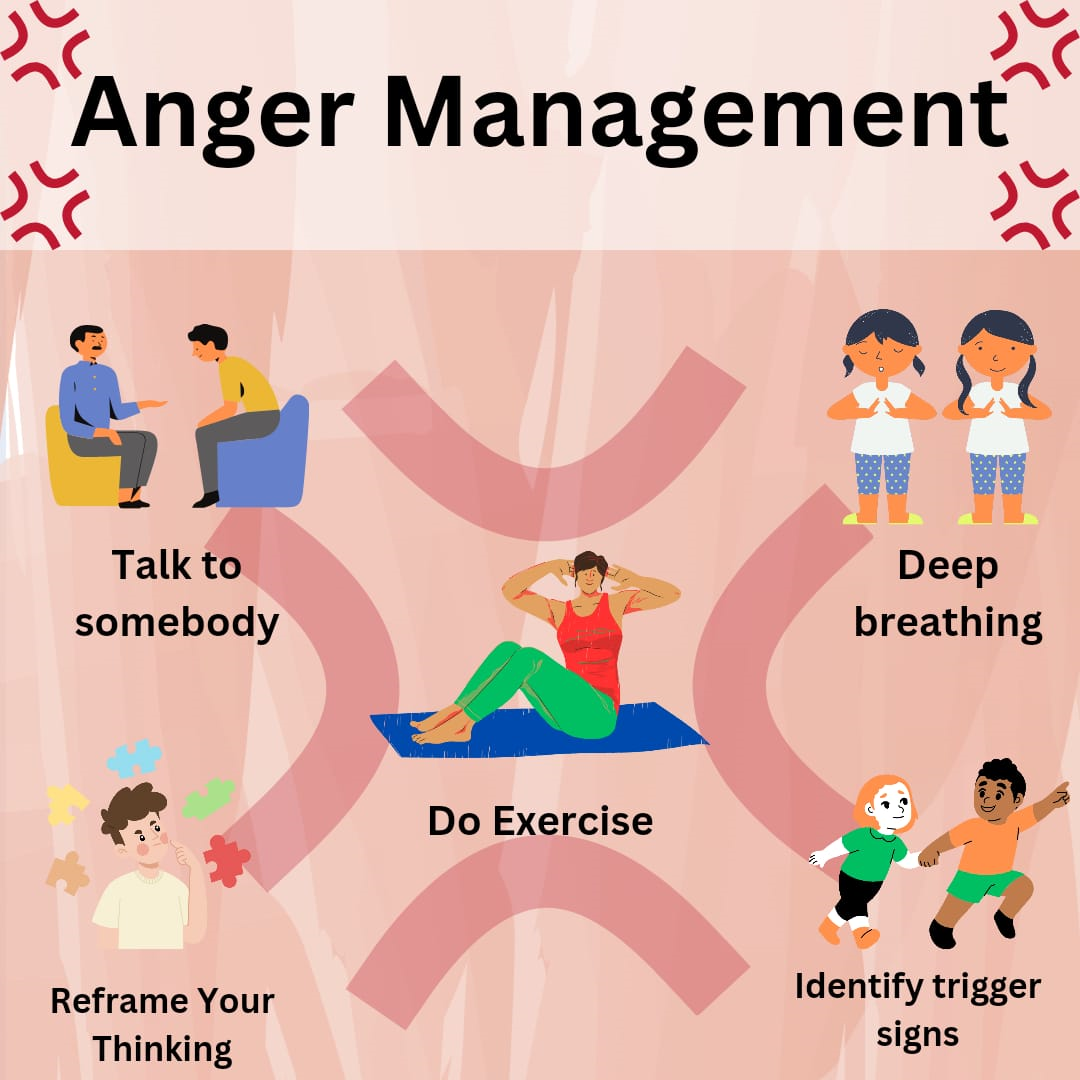
Managing anger is an essential skill that can pave the way for healthier interactions and emotional stability. By adopting effective anger management techniques, individuals can learn to navigate and understand anger rather than letting it dictate their actions. This approach not only incorporates insights from ancient wisdom, like those from Pythagoras, but also highlights the importance of emotional control in our daily lives. Regrettable impulsive actions often result from anger spiraling out of control, and recognizing this can be the first step in dealing with regrets. With patience and practice, mastering how to manage anger can transform our responses to conflict and enhance our overall well-being.
Dealing with frustration and hostility is a universal challenge that affects us all at some point in our lives. The ability to control one’s emotions, particularly in the face of anger, can significantly influence personal relationships and professional environments. Techniques for regulating feelings can draw upon historical philosophies, emphasizing the balance between emotional response and rational thinking. By unpacking the realities of uproar and recognizing the impact of emotions on decision-making, individuals can cultivate a more harmonious existence. Ultimately, the journey to achieving emotional balance involves understanding and addressing underlying feelings effectively.
Understanding Anger Management Techniques
Anger management techniques are essential tools for maintaining emotional control and ensuring that anger does not dictate our responses. Understanding anger is the first step in effectively managing it. This involves recognizing the triggers that provoke our anger and identifying the physiological reactions that accompany these feelings. Techniques such as deep breathing, mindfulness practices, and structuring time-outs help to diffuse the intensity of anger. By implementing these strategies, individuals can increase their emotional intelligence, leading to healthier interactions.
It’s also important to explore the root causes of anger. Many times, anger stems from deeper issues such as unresolved regrets or past traumas. Engaging in self-reflection and seeking professional help when needed can aid in better managing these emotions. By practicing these anger management techniques, we not only learn how to cope but also foster a more peaceful existence, ultimately preventing destructive habits that can arise from unchecked anger.
How to Manage Anger Effectively
Managing anger effectively requires a conscious effort to pause and assess before reacting. As Pythagoras wisely advised, “In anger we should refrain both from speech and action.” This means allowing the emotional wave to pass before making decisions or expressing feelings, which often leads to regrettable actions. By incorporating a structured approach to anger management, such as creating a personal toolbox of calming techniques—like taking a walk, practicing meditation, or engaging in physical exercise—individuals can create a buffer between their anger and their response.
Another effective method includes the utilization of verbal processing. Expressing feelings in a safe environment, even if only through writing, allows the individual to articulate their thoughts without immediate repercussions. This introspection leads to a clearer understanding of the anger’s origin and allows for better handling of situations that provoke these intense feelings. Additionally, learning to label emotions—acknowledging, “I am angry right now”—can create a mental pause, which empowers better decision-making and helps to mitigate impulsive reactions.
The Importance of Emotional Control
Emotional control is foundational for personal growth and positive relationships. By emphasizing the significance of managing our emotions effectively, we adhere to the principle that not all feelings deserve immediate expression. This control allows us to navigate conflicts more gracefully and without the emotional fallout that often accompanies unchecked anger. Furthermore, establishing emotional control means recognizing the roots of anger and transforming potentially harmful reactions into constructive conversations.
Practicing emotional control not only assists in managing anger but also encompasses a broader understanding of other emotions at play, such as disappointment or frustration. This comprehensive approach fosters emotional intelligence, enabling individuals to respond thoughtfully rather than reactively. In many ways, developing emotional control acts as a safeguard against the regrets that arise from impulsive behavior, reinforcing the importance of responding deliberately rather than letting anger lead the way.
Dealing with Regrets and Anger
Regret often emerges as a byproduct of impulsive behaviors fueled by anger. When we fail to manage our anger appropriately, we are likely to say or do things that we later wish we could take back. Understanding this cycle is crucial in preventing future incidents of regret. By practicing techniques that allow us to pause and reflect before reacting emotionally, we can significantly reduce the likelihood of experiencing regretful moments. Recognizing that anger can lead to regret empowers individuals to adopt a more thoughtful approach to conflict.
Moreover, forgiving oneself is an indispensable step in dealing with regrets born out of anger. Acknowledging mistakes, learning from them, and making amends help close the chapter on anger-fueled incidents. Engaging in self-forgiveness opens the door for personal growth, allowing individuals to move forward without being weighed down by the emotional baggage of their past. Embracing this path promotes resilience, which can further enhance one’s ability to manage anger constructively in the future.
The Wisdom of Pythagoras on Anger
Pythagoras’s teachings provide a reflective perspective on managing anger through self-discipline and mindfulness. His quote reminds us that the immediate emotional impulse can lead to detrimental decisions if acted upon without thought. Embracing this wisdom entails developing strategies to pause and contemplate before succumbing to anger-driven decisions. Understanding the intersection of emotion and reason can be a game-changer in handling conflicts and navigating our social environments effectively.
The philosophical approach of analyzing one’s behavior, as emphasized by Pythagoras, contributes to greater emotional control. By fostering a mindset that prioritizes reflection over reaction, individuals can slow down the sometimes volatile constitution of anger. This method encourages healthy emotional expression while preventing the kind of harmful actions that lead to lasting regret. Ultimately, integrating Pythagorean wisdom into our lives serves not only to manage anger but also to foster a culture of empathy and understanding.
The Psychological Impact of Anger
Psychologically, anger is often perceived as a negative emotion. However, when harnessed correctly, it can serve as a catalyst for positive change. Understanding the psychological underpinnings of anger can illuminate its triggers and manifestations, allowing individuals to engage more constructively. Research indicates that an unmanaged anger response can impair cognitive functions, cloud judgment, and invoke a ‘fight or flight’ response that does not yield productive outcomes. Recognizing this helps in adopting appropriate anger management techniques.
By employing techniques that promote awareness and emotional regulation, individuals can alter their cognitive patterns surrounding anger. Effective strategies often involve reframing negative thoughts and employing relaxation exercises to enable clearer thinking. This therapeutic approach can transform anger from a source of pain into a source of motivation to address underlying issues, fostering resilience while minimizing conflicts that often arise from mismanaged anger.
Building a Healthier Relationship with Anger
A healthy relationship with anger is achievable through consistent practice and awareness. It is essential to recognize that experiencing anger is a natural human emotion; the focus should be on how one responds to it. By normalizing the conversation around anger and incorporating healthy outlets, individuals can destigmatize the emotion, leading to more honest reflections and interventions. This shift helps integrate emotional control practices into daily life, ultimately creating healthier interaction patterns.
In developing a healthier relationship with anger, support from therapy or community resources can provide essential guidance. Engaging in discussions about emotional struggles can empower individuals and enable them to process feelings effectively. Group dynamics can also play a vital role, as shared experiences offer validation and emphasize that one is not alone in navigating the tumultuous waters of anger. This communal understanding fosters collective growth and establishes a path forward towards emotional stability.
Tips for Effective Anger Management
To effectively manage anger, utilizing practical tips can make a significant difference in how we respond to provocative situations. One effective strategy is to create a structured response plan that includes breathing exercises or physical activities like walking or stretching, which can help in diffusing immediate tension. Another vital tip is to develop strong communication skills that focus on expressing feelings without aggression. This allows for dialogue that maintains respect and empathy, paving the way for resolution rather than escalation.
Additionally, cognitive reframing is a powerful tool to alter negative thought patterns that can fuel anger. By consciously replacing thoughts such as “This is unfair” with more constructive phrases like “I can deal with this situation,” individuals can empower themselves to respond positively. Implementing these tips not only promotes better anger management but also facilitates personal empowerment, reinforcing a proactive approach to life’s challenges.
Cultivating Emotional Awareness to Combat Anger
Cultivating emotional awareness is a pivotal aspect of effectively managing anger. This practice involves engaging in self-reflection to understand one’s feelings deeply and how they interact with thoughts and behaviors. Maintaining a journal to document emotional triggers can be a valuable tool for individuals seeking to foster this awareness. By tracking feelings and responses over time, individuals gain insight into patterns that cause emotional reactions, thus equipping them with the knowledge to manage these feelings more proactively.
In addition to journaling, mindfulness practices such as meditation and yoga can enhance emotional awareness, encouraging individuals to observe their anger without judgment. This practice creates a sense of distance from the emotion, allowing individuals to process their feelings in a healthier way. Over time, as emotional awareness increases, managing anger becomes more intuitive, resulting in stronger emotional resilience and healthier interpersonal relationships.
Frequently Asked Questions
How can I apply anger management techniques to understand my emotions better?
Anger management techniques can greatly enhance your emotional control and understanding of anger. One of the key strategies includes giving yourself a deliberate pause before reacting. When you feel anger rising, take a moment to breathe and assess your feelings. Recognize that it’s normal to feel anger, but it’s essential to avoid acting impulsively. Engaging in activities like journaling or talking to a friend can help release pent-up emotions safely. By acknowledging and naming your anger, you open a space between the feeling and your reaction, allowing you to respond thoughtfully instead of reflexively.
| Key Points |
|---|
| Almost everyone has experienced regret after acting in anger. |
| Pythagoras advised to refrain from speech and action when angry. |
| Anger can impair rational thinking and decision-making due to a temporary shift in brain chemistry. |
| Bottling up anger can be harmful; expressing it safely is crucial. |
| Strategies to manage anger include: taking a deliberate pause, venting safely, naming the emotion, and responding carefully. |
| Pythagoras believed decisions made in anger are often regrettable, regardless of how expressions of anger have evolved. |
Summary
How to manage anger is a critical life skill that can lead to healthier relationships and personal peace. The essence of managing anger lies in following the age-old wisdom of taking a moment before reacting. Anger is a natural emotion, but when we act impulsively, the consequences can be hurtful and long-lasting. Techniques such as pausing before responding, allowing oneself to safely express anger, and thoughtfully naming the feeling can create a healthy distance between the emotion and your actions. By waiting to act, we can regain our clarity and make decisions that do not stem from a place of heightened emotion. Ultimately, managing anger effectively allows us to navigate our responses better, preserving our relationships and mental well-being.



























