

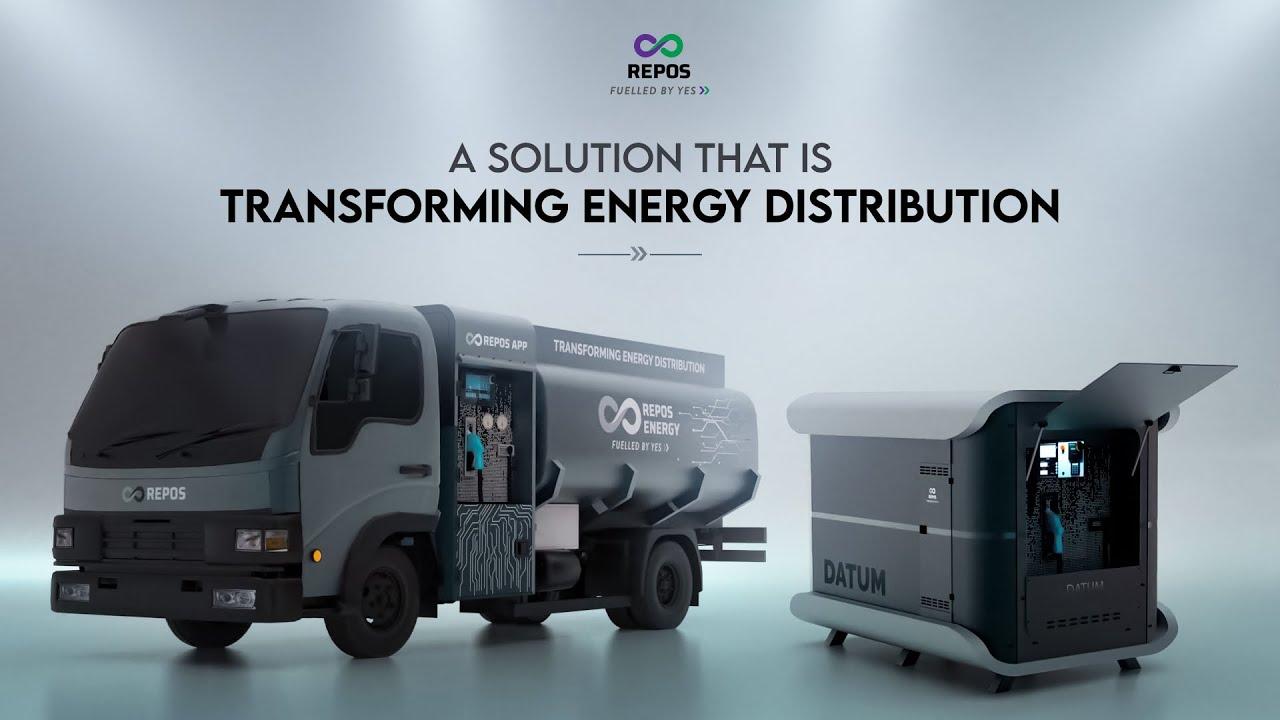
Autonomous Fuelling is poised to revolutionize the way we think about energy distribution in India, heralding a new era of efficiency and convenience. At the forefront of this innovation is Repos Energy, a dynamic startup that recently showcased its AI-powered fuel station prototype at the prestigious VivaTech Paris 2026. This groundbreaking technology not only automates the fuel dispensing process but also integrates cutting-edge features such as IoT monitoring and robotic assistance, emphasizing India’s commitment to deep-tech innovation. As the country embraces the energy transition, programs like these underscore the potential for startups to lead the charge in shaping sustainable infrastructure. With prominent support from leaders like Union Minister Shri Piyush Goyal, the future of AI-powered fuel stations could soon become a reality, positioning India as a global pioneer in Autonomous Fuelling solutions.
The concept of self-service refuelling is emerging as a game-changing initiative across India, often referred to as autonomous fuelling solutions. These innovations aim to streamline the fuelling process through automation and advanced technologies, aligning with the country’s ambitions in energy transformation. Pioneering companies like Repos Energy are leading this wave, showcasing autonomous energy stations that use artificial intelligence and robotics to enhance operational efficiency. By facilitating a seamless refuelling experience, this approach not only supports India’s push towards sustainability but also positions the nation as a contender in the global deep-tech landscape. Such advancements are crucial as India explores new frontiers in the energy sector, setting the stage for a comprehensive energy transition.
The Rise of Autonomous Fuelling in India
Autonomous Fuelling is emerging as a game-changer in India’s energy landscape, heralding a new era characterized by efficiency and convenience. This innovative approach leverages cutting-edge technology, including AI and robotics, to redefine traditional fuel stations. As seen at the recent VivaTech Paris 2026, India’s ambition to be at the forefront of the energy transition is evident. The Autonomous Fuelling system not only automates the dispensing of fuel but also minimizes human intervention, aligning with modern consumer expectations and safety standards. With startups like Repos Energy leading the charge, India is poised to transform the way energy is delivered and consumed, embodying the nation’s commitment to embracing technology-driven solutions for a sustainable future.
Furthermore, the rollout of Autonomous Fuelling infrastructure aligns perfectly with the larger energy transition strategy of India. The government, under the guidance of Union Minister Shri Piyush Goyal, is actively promoting this initiative as a critical component of the country’s renewable energy goals. The integration of Internet of Things (IoT) with AI-driven demand forecasting enhances operational efficiency, allowing fuel stations to manage resources smartly while catering to a diverse range of energy sources. This initiative showcases India’s deep-tech innovation capabilities and positions the nation as a leader in adopting and scaling new technologies within the energy sector.
AI-Powered Fuel Stations: The Future of Energy Delivery
AI-powered fuel stations represent the future of energy delivery in India, where smart technology meets consumer needs. These advanced solutions not only improve operational efficiency but also provide an enhanced, seamless experience for customers. By utilizing AI algorithms to predict fuel demand and monitor supply levels, these stations can operate effectively without the traditional overhead associated with human staff. This shift towards automation addresses the growing need for a smarter, more responsive energy infrastructure while also contributing to job creation in technology sectors focused on maintaining and managing these intelligent systems.
Moreover, the significance of AI-powered fuel stations extends beyond mere convenience. They play a pivotal role in India’s broader goals of sustainability and energy efficiency. By facilitating the adoption of renewable energy sources alongside traditional fuels, AI-powered stations are at the forefront of the energy transition in India. They embody the AI Country Partner initiative’s spirit at the VivaTech 2026, demonstrating how technology can align with national aspirations for a cleaner, greener future, and enabling India to emerge as a hub for deep-tech innovation on the global stage.
Repos Energy: Leading the Charge in Energy Transition
As a pioneering player in the realm of Autonomous Fuelling, Repos Energy is setting a benchmark for how energy companies can leverage technology to enhance service delivery. Founded in 2017, the startup demonstrates how integrating AI, IoT, and robotics can revolutionize fuel distribution. At events like VivaTech 2026, Repos Energy has showcased its commitment to transforming the traditional fuel station model into a more efficient, customer-centric service. With a focus on minimizing human interaction, the company is leading by example, emphasizing the importance of automation in meeting future energy demands.
Additionally, Repos Energy’s collaboration with the Government of India to create a robust policy framework for Autonomous Fuelling solidifies its position as a key player in the energy sector. The backing from influential figures and the strategic partnerships being forged at international platforms like VivaTech highlight the startup’s potential to not only influence the local energy market but also contribute to the global conversation around sustainable fuel solutions. By focusing on deep-tech innovation, Repos Energy is harnessing the full potential of technology to address the pressing energy challenges faced by India, ultimately aiming to create a sustainable and self-sufficient energy infrastructure.
Energy Transition in India: A Policy Perspective
The energy transition in India is not just a catchphrase; it is a strategic imperative articulated by policymakers like Shri Piyush Goyal. The government’s active support for Autonomous Fuelling initiatives illustrates a clear vision for integrating advanced technologies into the energy sector. This commitment to policy formulation aims to provide a framework that encourages innovation while also ensuring that the infrastructure for energy delivery evolves to meet future demands. As India positions itself as a leader in deep-tech, aligning policy frameworks with innovative startups is key for a successful transition towards a sustainable energy future.
Moreover, the emphasis on creating a supportive ecosystem for startups alongside large-scale energy initiatives is critical for India’s journey towards becoming a global powerhouse in clean energy solutions. This dual approach facilitates an environment where companies like Repos Energy can thrive and contribute to the overall vision of energy resilience and decarbonization. The policy perspective underscores the importance of collaboration between government bodies and tech innovators, ensuring that the transition to autonomous and sustainable energy sources is inclusive, efficient, and impactful.
India Pavilion at VivaTech 2026: Showcasing Innovation
The India Pavilion at VivaTech 2026 has emerged as a significant platform for showcasing the country’s technological advancements in the energy sector. By featuring startups like Repos Energy, the pavilion highlights India’s commitment to deep-tech innovation and its potential as a global tech leader. This event not only provides visibility to Indian startups but also facilitates international collaborations, opening doors for shared knowledge and investment opportunities. The focus on showcasing Autonomous Fuelling exemplifies the innovative spirit that characterizes India’s approach to the energy transition.
Furthermore, the attention garnered by the India Pavilion catalyzes interest from global investors and partners. By presenting cutting-edge technologies in a prominent international setting, the Pavilion demonstrates India’s readiness to engage in meaningful dialogue about energy solutions that prioritize sustainability and efficiency. This platform allows innovators to network and exchange ideas, fostering a collaborative environment necessary for nurturing deep-tech innovations that will lead the next phase of energy development both in India and abroad.
Fueling India’s Future: The Role of Deep-Tech Innovation
Deep-tech innovation is at the heart of India’s strategy to transform its energy landscape. As highlighted at the VivaTech 2026, technologies like AI, IoT, and robotics are not just auxiliary tools but are essential components of the Autonomous Fuelling solutions being developed. Repos Energy exemplifies how such innovations can streamline processes, reduce costs, and enhance the user experience in fuel distribution. By marrying technology with traditional industries, India is redefining what it means to be a leader in the energy transition, ensuring that innovation serves as a catalyst for growth and sustainability.
In this context, it’s crucial to recognize the broader implications of deep-tech innovation on the economy and the environment. By focusing on solutions that enhance energy efficiency, India is not only addressing current energy challenges but also setting a precedent for future technology adoption in the energy sector. The enthusiasm surrounding deep-tech initiatives at global platforms such as VivaTech signals a shift in the global energy paradigm, with India positioning itself as a creator and exporter of sustainable energy solutions, redefining the narrative around energy production and consumption.
Embracing AI and Robotics for Sustainable Energy Solutions
The integration of AI and robotics into energy solutions marks a significant step towards achieving sustainability. Companies like Repos Energy are pioneering AI-driven fuel stations that not only meet consumer demands but also prioritize environmental considerations. By utilizing predictive analytics and automated systems, these fuel stations minimize waste and enhance operational efficiencies, aligning with India’s broader goals for energy transition. The innovation showcased at events like VivaTech 2026 emphasizes how technology can mitigate the environmental impact often associated with traditional energy systems.
Additionally, the role of robotics in energy solutions brings a level of precision and reliability that was previously unattainable. This advancement is particularly crucial in a country like India, where energy accessibility and sustainability remain paramount challenges. The push towards robotic dispensing systems highlights a forward-thinking approach that balances human involvement with technological advancement, ensuring safety while optimizing the fuelling process. As AI and robotics continue to evolve, they offer promising pathways for meeting India’s future energy needs sustainably.
Strategic Partnerships for Energy Innovation
Fostering strategic partnerships is essential in driving energy innovation in India. Repos Energy’s presence at VivaTech 2026 illustrates the importance of collaboration between startups, government agencies, and international stakeholders in advancing Autonomous Fuelling solutions. Such partnerships can amplify the impact of technological innovations and facilitate the exchange of resources and expertise needed to tackle the complex challenges of energy delivery and sustainability. By leveraging diverse perspectives, stakeholders can work together to develop holistic solutions that benefit both the economy and the environment.
Moreover, strategic alliances can also enhance the scalability of energy solutions, ensuring that successful models can be replicated across various regions in India. The support from the Government of India, coupled with backing from influential figures in the industry, can create an environment where innovative ideas thrive and contribute significantly to the energy transition. By cultivating a network of collaborators across different sectors, India can accelerate its journey towards achieving a robust, autonomous, and sustainable energy future.
Frequently Asked Questions
What advantages does Autonomous Fuelling offer for energy transition in India?
Autonomous Fuelling, as showcased by Repos Energy, presents numerous advantages for India’s energy transition. By integrating AI, IoT, and robotics, these fuel stations enhance operational efficiency, reduce human interaction, and promote safety. Furthermore, they enable seamless digital payments and cater to diverse energy sources, aligning with India’s sustainability goals. As Union Minister Piyush Goyal highlighted at VivaTech 2026, establishing a robust Autonomous Fuelling infrastructure is pivotal for India’s vision of becoming a leader in deep-tech innovation and ensuring a smooth transition to cleaner energy methods.
| Key Points | Details |
|---|---|
| Event Participation | Repos Energy showcased its Autonomous Fuelling Solution at VivaTech Paris 2026. |
| Significance of the Event | India’s debut as AI Country Partner at Europe’s largest innovation summit. |
| Government Support | Shri Piyush Goyal emphasizes commitment to developing Autonomous Fuelling infrastructure in India. |
| Technology Features | Integration of AI-driven demand forecasting, IoT monitoring, robotic dispensing, and digital payments. |
| Founder Insights | Founders Aditi and Chetan Walunj highlight the importance of innovation in shaping the future of energy. |
| Future Vision | Repos Energy aims to lead in AI-powered energy transition and promote global partnerships. |
Summary
Autonomous Fuelling is poised to revolutionize the energy sector, as showcased by Repos Energy at VivaTech Paris 2026. By integrating cutting-edge technologies such as AI, IoT, and robotics in fuel dispensing, this innovative solution promises to reduce human interaction and increase efficiency at fuel stations. Supported by significant government initiatives led by Union Minister Shri Piyush Goyal, the push towards Autonomous Fuelling is not only about adoption but also about establishing a robust infrastructure that underpins India’s transition to sustainable energy. This initiative marks a pivotal moment in India’s journey to position itself as a global leader in deep-tech innovations, setting the stage for future advancements in energy accessibility and operational excellence.



























