

A thunderstorm warning has been issued for several districts, predicting thrilling and potentially dangerous weather conditions. Within the next 24 hours, areas including Chamoli, Dehradun, and Nainital can expect powerful thunderstorms featuring lightning, hail, and gusty winds reaching speeds of 40-50 km/h. As storm clouds gather, it’s crucial to stay informed with the latest weather alerts and thunderstorm forecasts to protect lives and property. Residents are encouraged to review essential storm safety tips, particularly concerning lightning safety and hail damage prevention. Being prepared can make a significant difference during these unpredictable storms, so heed the warnings and take appropriate action.
As severe weather approaches, communities receive a critical heads-up through storm alerts, highlighting the risk of intense rain and high winds in the vicinity. Thunderstorm activity can lead to hazardous conditions, making preparation vital for safety. Understanding the forecast helps individuals devise effective strategies to mitigate risks associated with severe weather phenomena such as lightning strikes and hail damage. Following expert advice on safety measures can significantly reduce danger during thunderstorms. Thus, familiarizing oneself with the latest updates and safety protocols ensures both peace of mind and protection of personal and communal assets.
Understanding Thunderstorm Warnings: What You Need to Know
When a thunderstorm warning is issued, it serves as a crucial weather alert, indicating the imminent risk of severe thunderstorms in a specified area. This advance notice can significantly aid residents in preparing for adverse weather conditions, which often include heavy rainfall, strong winds, and frequent lightning. During such events, it’s essential to remain informed about the storm’s development and potential impacts, especially for those living in districts like Chamoli and Dehradun, where isolated thunderstorms are forecasted.
A thorough understanding of what a thunderstorm warning entails can help individuals take the necessary precautions to ensure their safety. Often, local meteorological agencies will issue these warnings based on real-time data and predictive models assessing weather patterns. It is advisable to stay tuned to local radio, television, or online weather services for updates regarding storm safety tips and any changes in the forecast.
Preparing for a Thunderstorm: Essential Storm Safety Tips
Preparation is key when a thunderstorm warning has been issued. Individuals should secure outdoor items that could become projectiles during high winds, such as lawn furniture and decorations. Additionally, ensuring that emergency supplies are on hand, such as flashlights, batteries, and a first aid kit, can make a significant difference during and after the storm. Understanding how to create a safety plan for your family can also be crucial, particularly for households with children or elderly members, during thunderstorm events.
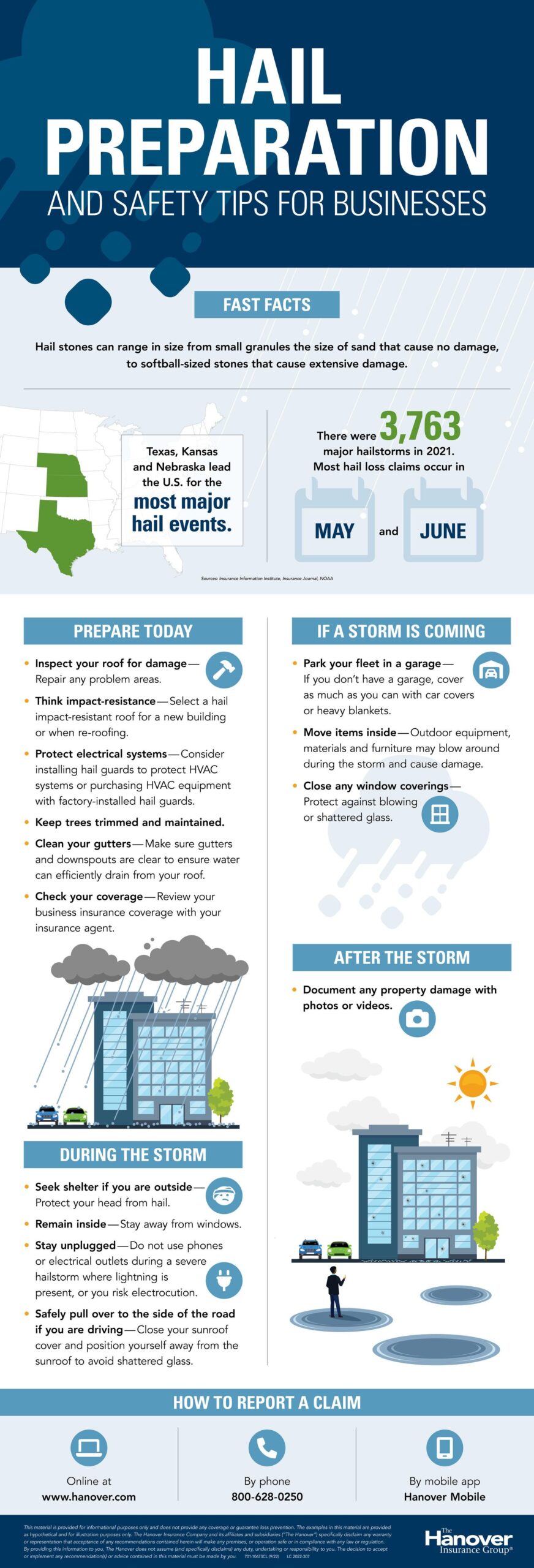
Moreover, it’s vital to discuss lightning safety within your safety preparations. The majority of thunderstorm fatalities result from lightning strikes. Seeking shelter indoors, avoiding electrical appliances, and staying away from windows are essential guidelines to follow. If the forecast indicates the possibility of hail, such as the conditions outlined for Pauri Garhwal or Rudraprayag, additional precautions to prevent hail damage to vehicles and property should be taken, like using blankets or relocating vehicles to covered areas.
The Impact of Thunderstorms: Hail Damage Prevention Strategies
One of the most destructive aspects of thunderstorms can be hail, which can cause extensive damage to roofs, vehicles, and crops. With warnings issued for districts prone to thunderstorms, communities should proactively strategize on hail damage prevention. Simple measures such as moving cars into garages or using car covers can significantly mitigate potential damage when hail is expected. Additionally, farmers might want to consider protective measures for crops, such as row covers or netting, to shield against hail.
Community preparedness can also play a crucial role in reducing the impact of hail during thunderstorms. Municipalities and local organizations can facilitate workshops that educate citizens on storm-ready techniques and how to assess property for vulnerabilities. Such community-wide initiatives can enhance overall safety and resilience against severe weather, ensuring everyone understands the necessary steps to take when adverse weather conditions arise.
Emergency Response During Thunderstorms and Lightning
When a thunderstorm warning is active, emergency response protocols become vital in ensuring community safety. Emergency services may be deployed to high-risk areas to assist with evacuation if necessary and to provide support during severe weather events. It’s critical for individuals to familiarize themselves with local emergency services and their methods of communication during storms, as these can vary by region.
Besides, lightning is one of the most dangerous weather phenomena associated with thunderstorms. Residents should know the proper actions to take during lightning strikes, such as staying indoors and avoiding contact with conductive materials like plumbing or electrical systems. Ensuring that everyone in the household is aware of these safety measures can help protect lives during unpredictable weather events, reflecting the importance of proper thunderstorm preparedness.
After the Storm: Recovery and Damage Assessment
After a thunderstorm has passed, the recovery process is paramount for those affected by its impacts, including flooding, hail damage, or structural integrity issues. Conducting thorough damage assessments should be one of the first steps taken by homeowners and businesses, allowing for the identification of necessary repairs. Following local storm safety protocols and guidelines can also help streamline the recovery process, ensuring communities receive timely assistance and support.
In addition, individuals are encouraged to report any storm damage to local authorities to aid in community assessments. Engaging in discussions about personal experiences and strategies for recovery can improve collective resilience to future weather events. Moreover, recovery resources such as insurance claims for property damage and community aid programs should be widely communicated and accessed to facilitate a swift return to normalcy for those impacted by thunderstorms.
Weather Alerts: Staying Informed During Storm Season
Staying informed during storm season is crucial to ensure the safety of both individuals and communities. Regularly checking weather alerts can provide invaluable information about impending thunderstorms and guidance on how to prepare. Many smartphone applications and weather websites now offer real-time notifications for severe weather events, making it easier than ever to stay updated.
Furthermore, it is essential to understand the different levels of weather alerts. Knowing what a thunderstorm warning means compared to a watch can help residents gauge the urgency of the situation. Educational initiatives aimed at increasing awareness about weather alerts can empower communities to take appropriate actions and remain vigilant during storm seasons, thus enhancing overall public safety.
The Role of Technology in Thunderstorm Monitoring
Technology plays an essential role in monitoring thunderstorms and providing timely alerts to residents. Advancements in meteorological technology allow for real-time tracking of storm systems, which can significantly improve the accuracy of thunderstorm forecasts. Satellite imagery and radar systems enable meteorologists to visualize storm formations and predict their potential paths and impact zones more effectively.
Additionally, many emergency management agencies now utilize social media to disseminate fast, accurate weather information. There are several platforms where individuals can receive emergency updates, tips for storm preparations, and community alerts, allowing for better preparation and quicker responses to unexpected weather events. Embracing these technological advancements can help enhance community awareness and safety during thunderstorms.
Educational Campaigns on Severe Weather Preparedness
Educational campaigns focused on severe weather preparedness are essential, especially in areas prone to thunderstorms. These initiatives aim to educate residents about the importance of being prepared for severe weather events through various channels, including community workshops, school programs, and online resources. Teaching families about storm safety tips and emergency protocols can significantly reduce anxiety and increase overall resilience when thunderstorms occur.
Moreover, local governments and disaster response organizations can collaborate to create comprehensive materials that highlight the risks associated with thunderstorms and provide actionable preparedness steps. Workshops can also include hands-on training, teaching residents how to secure their homes and understand alerts better. By fostering a culture of preparedness, communities can improve their readiness for thunderstorms and further minimize potential harm.
The Psychological Impact of Thunderstorms on Communities
Thunderstorms don’t only pose physical dangers; they can also have psychological impacts on communities, particularly where severe storms are frequent. Anxiety and fear related to severe weather events can lead to increased stress levels and general unease among residents. Understanding the psychological effects of thunderstorms is crucial for providing communities with adequate support systems to manage their mental health during storm seasons.
Community programs that focus on mental wellness can help alleviate the fears associated with thunderstorms. Providing safe spaces for discussion and coping strategies can ease anxiety especially for those who may have experienced trauma from past severe weather events. Promoting mental health awareness alongside physical preparedness will create more resilient communities in the face of future thunderstorms.
Frequently Asked Questions
What should I do when I receive a thunderstorm warning?
When you receive a thunderstorm warning, it is crucial to take immediate safety precautions. Stay indoors, avoid windows, and unplug electronic devices to protect against lightning strikes. Follow storm safety tips such as keeping a battery-powered radio handy for updates and staying informed about the thunderstorm forecast. Additionally, if you are in an area where hail is expected, consider protecting your vehicle and property to prevent hail damage.
| Area | Expected Weather | Conditions | Guidelines |
|---|---|---|---|
| Chamoli | Thunderstorms | Lightning, hail, gusty winds (40-50 km/h) | Follow SDMA guidelines |
| Dehradun | Thunderstorms | Lightning, hail, gusty winds (40-50 km/h) | Follow SDMA guidelines |
| Nainital | Thunderstorms | Lightning, hail, gusty winds (40-50 km/h) | Follow SDMA guidelines |
| Pauri Garhwal | Thunderstorms | Lightning, hail, gusty winds (40-50 km/h) | Follow SDMA guidelines |
| Rudraprayag | Thunderstorms | Lightning, hail, gusty winds (40-50 km/h) | Follow SDMA guidelines |
| Tehri Garhwal | Thunderstorms | Lightning, hail, gusty winds (40-50 km/h) | Follow SDMA guidelines |
| Uttarkashi | Thunderstorms | Lightning, hail, gusty winds (40-50 km/h) | Follow SDMA guidelines |
Summary
A thunderstorm warning has been issued for certain districts, indicating the potential for severe weather conditions. These thunderstorms are characterized by lightning strikes, possible hail, and strong gusts of wind reaching speeds between 40 to 50 kilometers per hour. The affected areas include Chamoli, Dehradun, Nainital, Pauri Garhwal, Rudraprayag, Tehri Garhwal, and Uttarkashi, and residents in these districts are advised to stay alert and heed the guidelines issued by the State Disaster Management Authority (SDMA). It is crucial for individuals and communities to prepare for these storms, ensuring safety and reducing the impact of adverse weather.



























