

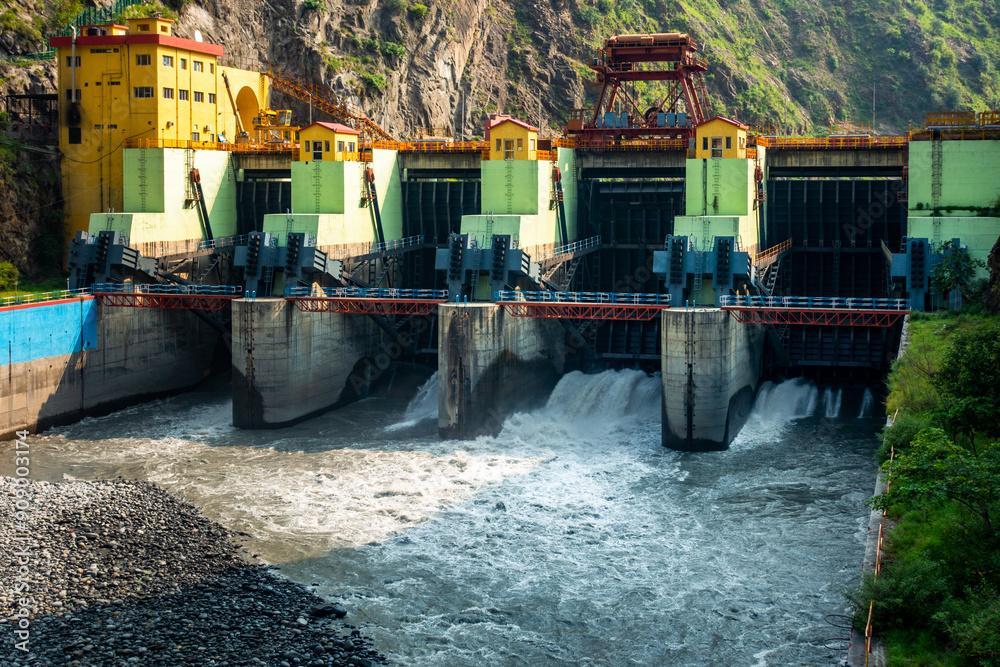
Hydroelectric projects in India represent a crucial component of the nation’s strategy to harness renewable energy and maintain ecological balance, particularly in regions like Arunachal Pradesh. As the world’s focus shifts towards sustainable energy, India is vying to optimize its hydropower potential, evident in ambitious initiatives like the Upper Siang Multipurpose Project (SUMP). This monumental project aims to generate 11,000 MW of power while simultaneously addressing flood control in the trend-setting Brahmaputra river basin. With China’s extensive dam construction on the Yarlung Tsangpo river casting a long shadow, India’s commitment to advancing its own hydropower capabilities has never been more urgent. As these developments unfold, monitoring the implications for both local ecosystems and energy security will be vital for the region’s future.
Renewable energy initiatives, particularly those centered around water resources, are transforming India’s energy landscape. The ambitious Upper Siang Multipurpose Project stands at the forefront of this change, aiming to capitalize on the potent hydropower offered by the Siang river. As India takes strides to modernize its infrastructure and enhance its resilience against climate challenges, these hydroelectric projects are not merely about electricity; they are strategic endeavors intertwined with flood management and regional security concerns. In response to the ongoing dam activities across the border, India is strategically enhancing its hydropower plans while ensuring the protection of vital ecosystems within the Brahmaputra basin. The convergence of ecological stewardship and energy production in India’s hydroelectric efforts underscores the potential of sustainable development in addressing both regional and transboundary challenges.
Understanding Hydroelectric Projects in India
Hydroelectric projects in India play a crucial role in meeting the country’s growing energy demands while ensuring sustainable development. The Indian government actively invests in these projects to harness the vast potential of rivers across the nation. Notably, projects like the Siang Upper Multipurpose Project (SUMP) highlight India’s commitment to augmenting its hydropower capabilities, especially in the context of upcoming challenges posed by regional competitors. With the abundant hydropower resources, India aims to reach its climate goals while providing reliable electricity to its population.
The Siang River, flowing through Arunachal Pradesh, is one of many crucial water sources marked for future hydropower projects. India’s hydropower initiatives also look to minimize the risks associated with climate-induced disasters, such as seasonal flooding. By investing in large-scale hydro projects, India not only aims for energy security but also strives to protect local communities and ecosystems. This dual objective of generating power and flood control exemplifies the strategic importance of hydropower in India’s energy landscape.
China’s Dam Construction and Implications for India
China’s ambitious dam construction on the Yarlung Tsangpo river poses significant strategic and environmental implications for India. The development of the Medog Hydropower Project, which boasts a staggering capacity of 60,000 MW, creates a competitive atmosphere in regional hydropolitics. With the dam’s location merely 50 kilometers from the Arunachal Pradesh border, there are growing concerns about water flow alteration into the Brahmaputra River. This would not only affect the downstream ecology but could also jeopardize the livelihoods of millions relying on these waterways.
India’s response to China’s dam initiatives is crucial. As stated by Indian officials, monitoring the hydropower exploitation plans along the Brahmaputra river basin is of utmost priority. New Delhi is making efforts to encourage transparency from Beijing. The strategic nature of these river systems emphasizes the need for comprehensive diplomatic engagement, ensuring that India’s interests are safeguarded amid the rapid advancements in Chinese hydropower.
The Strategic Importance of the Upper Siang Multipurpose Project
The Upper Siang Multipurpose Project (SUMP) represents a pivotal initiative for India, aiming to harness the hydroelectric potential of the Siang River while simultaneously addressing flood risks. As China accelerates its dam construction efforts nearby, SUMP embodies India’s strategic response to maintain energy self-sufficiency and bolster flood management systems. This mega-dam project is not merely about power generation; it signals India’s proactive approach to securing its water resources against upstream developments that threaten to disrupt the ecological balance.
Moreover, SUMP is vital for regional development in Arunachal Pradesh, providing a reliable source of electricity and fostering economic growth. By controlling seasonal flooding and channeling the river’s power, this project aims to create resilient infrastructures that can withstand the pressures exerted by climate change and geopolitical rivalries. Thus, SUMP is more than just an energy project; it is a cornerstone of India’s broader strategy to protect its northeast territories and assert its influence in the Brahmaputra basin.
The Role of the Brahmaputra River in Regional Hydropower
The Brahmaputra River basin is an essential geographic and ecological landmark in India, serving as a lifeline for millions. The river supports agriculture, sustains diverse ecosystems, and plays a crucial role in the cultural fabric of the communities settled along its banks. As India looks to expand its hydropower portfolio, initiatives like SUMP are crucial to ensure sustainable management of this vital water resource, especially in light of aggressive hydropower activities in neighboring countries.
Furthermore, the potential alteration of water flows from upstream dam constructions poses a risk not only to India’s energy policy but also to food security in Assam and Arunachal Pradesh. Addressing the challenges that arise with extensive dam building requires cooperative management of riverine resources. India’s approach emphasizes the significance of maintaining ecological integrity while promoting hydropower, ensuring the long-term viability of the Brahmaputra as a shared resource.
Environmental Concerns Surrounding Hydropower Projects
As hydropower projects expand in India, environmental concerns cannot be overlooked. The construction of large dams, like the Siang Upper Multipurpose Project, introduces risks such as disruption to local ecosystems, displacement of communities, and changes in sediment transport. It is crucial for policymakers to evaluate potential ecological impacts and incorporate ecological assessments into the planning stages. Engaging local communities in discussions and adopting a transparent approach to hydropower development can help mitigate adverse effects.
Environmental sustainability should be a core consideration in the planning of hydroelectric projects. As concerns about the implications of China’s damming on the Yarlung Tsangpo grow, India must prioritize green practices in its own hydropower endeavors. Implementing measures to preserve biodiversity and ensuring that the needs of local populations are met will foster a more balanced and sustainable approach to energy generation and river management.
Flood Control and its Importance in Hydropower Planning
Flood control is a critical aspect of hydropower planning, particularly in regions such as northeast India where seasonal flooding can devastate communities. The Upper Siang Multipurpose Project (SUMP) not only aims to generate substantial electricity but also addresses the pressing need for flood management in the Brahmaputra basin. By regulating river flows, such projects can significantly reduce the impacts of extreme weather events, protecting ecosystems and humanitarian lives.
Ensuring robust flood control systems through hydropower projects enhances national resilience against climate change. With proactive measures, such as the development of SUMP, India seeks to integrate disaster management strategies into hydropower planning. Such foresight is essential for effectively managing water resources amid climate variability, securing livelihoods, and protecting crucial agricultural land from flood risks.
Comparing Indian Hydropower Initiatives with Global Standards
Comparing Indian hydropower initiatives, such as the Siang Upper Multipurpose Project, with global megaprojects illuminates several challenges and opportunities. While India’s SUMP is currently in the pre-feasibility stage, projects like China’s Medog Hydropower Project showcase the rapid advancements that can occur when governmental support aligns with strategic planning. Understanding these dynamics helps India address its development timelines and competitor strategies effectively.
In striving for excellence in hydropower, India must leverage lessons learned from global standards, focusing on sustainable practices and community engagement. Enhancing project execution efficiency while securing environmental safeguards is essential for India’s future hydropower landscape. By aligning with international best practices, India can enhance its position in the global energy arena and bolster energy security.
Policy Framework for Hydropower Development in India
The policy framework governing hydropower development in India is fundamental to the realization of projects like the Siang Upper Multipurpose Project. Government initiatives aimed at increasing renewable energy share and providing financial incentives can significantly influence project feasibility and execution. Policymakers must create coherent guidelines that address environmental concerns, community displacement, and resource management.
Moreover, integrating stakeholder feedback into policymaking enhances the robustness of hydropower strategies. By collaborating with local communities, NGOs, and scientific bodies, India can ensure that its hydropower ambitions align with regional needs and environmental sustainability. A proactive and inclusive policy approach can lead to more successful hydropower ventures, securing energy supplies while maintaining ecological balance.
India’s Future in Hydropower Generation
Looking ahead, India’s future in hydropower generation hinges on strategic projects like the Siang Upper Multipurpose Project, which could mark a significant step toward energy independence. With the ongoing challenges posed by neighboring nations, it becomes imperative for India to develop and execute hydropower initiatives that align with its broader energy goals. Ensuring timely completion and maximizing project efficiency will be vital.
In conclusion, India’s commitment to harnessing hydropower through projects like SUMP signifies a pivotal shift towards sustainable energy sources. Focusing on both power generation and ecological integrity, these endeavors reflect India’s aspirations to emerge as a leader in renewable energy in Asia. As the landscape of hydropower evolves, articulating clear objectives and forging collaborative regional agreements will secure India’s place in the hydroelectric future.
Frequently Asked Questions
What are the main objectives of the Upper Siang Multipurpose Project (SUMP) in India?
The Upper Siang Multipurpose Project (SUMP) in India focuses on generating hydroelectric power and controlling seasonal flooding downstream. With a proposed capacity of 11,000 MW, it aims to produce around 47 billion units of electricity annually, enhancing India’s hydropower resources while also mitigating flood risks in the Arunachal Pradesh region.
How does India ensure the protection of the Brahmaputra river basin amid Chinese dam constructions?
India is actively monitoring activities related to the Brahmaputra river basin, especially considering China’s ongoing dam constructions on the Yarlung Tsangpo river. The Indian government has committed to implementing preventive measures and seeking transparency from China regarding hydropower projects that may affect downstream regions.
What implications does the Chinese dam on the Yarlung Tsangpo river have for India’s hydropower plans?
The construction of the Chinese dam on the Yarlung Tsangpo river raises significant concerns for India, particularly regarding water flow alterations impacting the Brahmaputra river basin. This situation emphasizes the urgency for India to expedite its Upper Siang Multipurpose Project (SUMP) to protect its interests and enhance power generation capabilities.
What is the significance of the Upper Siang Multipurpose Project (SUMP) for India’s energy needs?
The Upper Siang Multipurpose Project (SUMP) is crucial for India’s energy needs as it aims to become the largest hydropower project in the country, contributing 11,000 MW of electricity to the grid. This project not only enhances India’s energy security but also reduces reliance on fossil fuels by harnessing renewable hydroelectric power from the Siang river.
What challenges does India face in advancing its hydroelectric projects compared to China?
India faces several challenges in advancing its hydroelectric projects, especially in comparison to China’s rapid development of large-scale dams like the Medog Hydropower Project. While China’s projects are under construction, India’s Upper Siang Multipurpose Project (SUMP) is still in the pre-feasibility stage, emphasizing the need for a faster and more efficient project initiation process.
How does SUMP aim to address flooding issues in the Northeast region of India?
The Upper Siang Multipurpose Project (SUMP) is designed not only to generate electricity but also to control seasonal flooding in the Northeast region of India. By regulating water flow from the Siang river, SUMP will help safeguard agricultural lands and local communities from the devastating impacts of floods that often affect Arunachal Pradesh and Assam.
What measures is India taking in response to potential impacts from the Yarlung Tsangpo river dam?
In response to the potential impacts from the Yarlung Tsangpo river dam, India has reinforced its flood forecasting systems, monitored river flow networks, and improved infrastructure resilience throughout the Northeast. The government is focused on adapting to challenges posed by upstream diversions and ensuring protective measures for its downstream populations.
What role does hydropower play in India’s broader energy strategy?
Hydropower plays a vital role in India’s broader energy strategy, aiming to increase the share of renewable energy sources in the country’s energy mix. Projects like the Upper Siang Multipurpose Project (SUMP) are integral to achieving sustainable energy goals while also addressing the dual challenges of energy security and climate change.
| Feature | China’s Medog Hydropower Project | India’s Siang Upper Multipurpose Project (SUMP) |
|---|---|---|
| Location | Yarlung Tsangpo River, Tibet | Siang River, Arunachal Pradesh |
| Capacity | 60,000 MW | 11,000 MW (proposed) |
| Annual Energy Generation | – | 47 billion units (estimated) |
| Cost | – | US$13 billion (approx. Rs 1.5 lakh crore) |
| Status of Project | Under construction | Pre-feasibility studies |
| Geopolitical Importance | Significant for China’s water management | Critical for flood control and regional security |
| Government Response | Monitoring activities and potential impacts | Strengthening flood management systems and responding to upstream threats |
Summary
Hydroelectric Projects India face critical challenges and opportunities as the nation responds to China’s aggressive development in the region. The Siang Upper Multipurpose Project (SUMP) aims to position India competitively against China’s Medog Hydropower Project, emphasizing the need for enhanced flood control and electricity generation. In light of evolving geopolitical dynamics, it’s crucial for India to expedite SUMP’s development while ensuring environmental protections and addressing potential downstream impacts. The strategic importance of the Siang River as a lifeline underscores India’s commitment to safeguarding its interests while navigating regional tensions.



























