

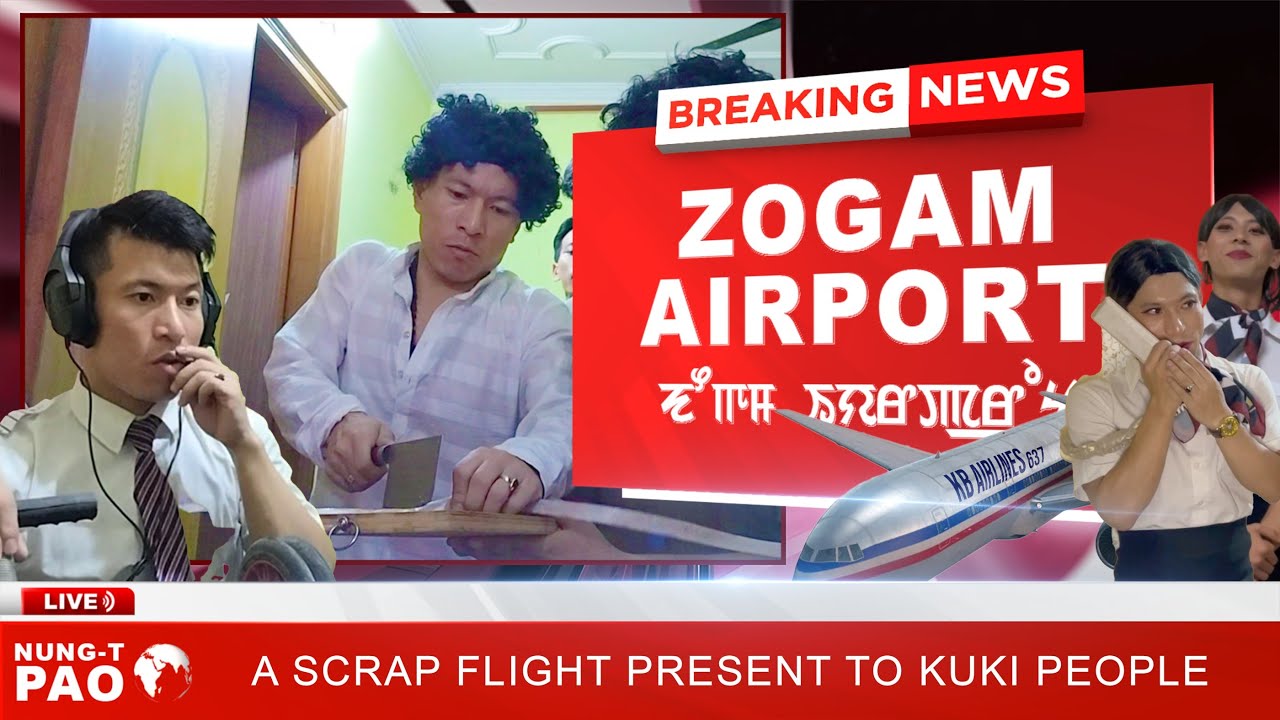
When exploring the rich culture and vibrant landscapes of the Kuki community, travel opportunities present a unique chance to immerse oneself in this fascinating heritage. Recently, a surge in Kuki community travel from the surrounding hill areas to Imphal marks a hopeful progression towards unity in the wake of the ongoing ethnic conflict. This change is particularly significant considering the strained relations between the Kuki-Zo and Meitei groups following the clashes that began in May 2023. With the Manipur peace process gaining momentum, flights becoming accessible again highlights a potential restoration of Kuki-Meitei relations. Embracing this spirit of togetherness, travelers can support a narrative focused on healing and collaboration, ultimately benefiting all 36 communities within Manipur.
Exploring the travel experiences within the Kuki demographic opens up a dialogue about the interactions between various ethnic groups in Manipur, especially amidst the backdrop of unrest. The Kuki-Zo diaspora, having faced significant challenges since the ethnic confrontations erupted, is now finding pathways to reconnect with both their cultural roots and the broader community. This resurgence in mobility not only signifies a gradual return to normalcy but also emphasizes the critical role of cross-community dialogue in fostering peace and mutual respect. As the Kuki people seek flights from Imphal, the focus shifts towards collaborative efforts to heal and rebuild relationships fractured by historical tensions. This unique journey underscores a collective aspiration for a harmonious coexistence in a region marked by diverse legacies.
Understanding the Kuki Community’s Travel Patterns in Manipur
The recent resurgence of the Kuki community’s travel to Imphal signifies a turning point in the socio-political landscape of Manipur. Following the ethnic conflict that erupted in May 2023, the Kuki-Zo and Meitei communities have largely avoided traveling to each other’s regions. This shift towards travel, particularly among the Kuki people boarding flights from Imphal, is seen as a positive sign towards restoring peace and normalcy. As the Kuki individuals venture into the capital for flights, it indicates a degree of trust rebuilding and a move away from the prolonged isolation stemming from ethnic tensions.
This change in travel behavior not only reflects the Kuki community’s willingness to engage in broader societal interactions, but it also presents opportunities for socioeconomic development. The flight connections from Imphal are vital for the Kuki-Zo people, as it allows easier access to essential economic hubs and educational institutions, further enhancing community ties. These developments suggest that if communal interactions can flourish, it might pave the way for improved Kuki-Meitei relations, which have been historically strained due to conflicts over land and resources.
The Impact of the Manipur Ethnic Conflict on Travel and Society
The ongoing ethnic conflict in Manipur has had far-reaching consequences, not just for the Kuki and Meitei communities but for the region as a whole. Since the onset of violence in May 2023, there has been a pronounced decline in travel between the communities, which traditionally relied on mutual visits for cultural exchanges and personal relationships. With the resumption of travel by the Kuki community to Imphal, there is hope that the cycle of violence will start to diminish, allowing for greater collaboration between the Kuki-Zo and Meitei communities. This potential for progress is crucial for the delicate peace process that has been gradually taking shape in Manipur.
The repercussions of the travel restrictions due to the ethnic conflict are evident in the economic stagnation witnessed in and around Imphal. Community members have expressed that the inability to travel has severely hindered their ability to conduct business and access essential services. Therefore, the renewed willingness to travel among the Kuki people could be instrumental in igniting economic activities, particularly in trade and commerce across the regions. Greater interaction can help rebuild trust and ultimately contribute to a more peaceful cohabitation strategy among the ethnic factions.
Promoting Peace and Security within Kuki-Meitei Relations
As noted by the Manipur Chief Minister, secure and peaceful coexistence among the various communities is critical for the development of the state. The Kuki people have been vocal about their need for justice and security, particularly following several incidents of violence directed at them during the ongoing conflict. Advocacy for a peaceful resolution to Kuki-Meitei relations is necessary as both communities seek to navigate their historical grievances while striving for a unified future. Efforts towards mutual dialogue and understanding can lead to more collaborative approaches to conflict resolution.
Various Kuki organizations, such as the Kuki Inpi Manipur (KIM) and the Kuki Students’ Organization, have taken active roles in advocating for peace and representing the interests of their community in negotiations. The increasing participation of Kuki representatives in peace discussions demonstrates a collective desire for reconciliation. Engaging in constructive dialogue with the Meitei community can help foster a deeper understanding of each ethnic group’s needs and facilitate a more robust peace process conducive to long-term stability in Manipur.
Kuki Community’s Resilience Amidst Conflict and Displacement
The Kuki community has exhibited remarkable resilience in the face of adversity, as evidenced by their response to the ongoing ethnic strife. With over 62,000 individuals reported displaced due to the Kuki-Meitei and Kuki-Naga conflicts, the spirit of rebuilding remains strong within the community. Organizing rallies and seeking intervention from the central government reflects their determination to address issues of insecurity and persecution. These actions not only serve as a reminder of their ongoing challenges but also highlight their commitment to seeking justice and protection.
Despite the trauma endured during the conflicts, the Kuki community continues to emphasize the importance of collective identity and mutual respect. By rallying together for peace and engaging in significant dialogue, they aim to transition from a survival mindset to one of rebuilding and cooperation. The Kuki people’s focus on creating a supportive network among themselves and reaching out to the Meitei community will prove vital in fostering an environment conducive to healing and eventual reconciliation.
The Role of Flights in Enhancing Inter-Ethnic Relations in Manipur
Flights operating from Imphal represent more than just a mode of transportation for the Kuki community; they embody potential opportunities for interaction and cultural exchange. As the Kuki people begin to travel again, the significance of air travel as a connector between communities becomes apparent. Enhanced mobility can facilitate personal relationships, business collaborations, and cultural understanding between the Kuki-Zo and Meitei communities, which is essential for countering the impacts of long-standing animosities.
Moreover, access to flights enables members of the Kuki-Zo community to engage with broader regional and international opportunities, including educational advancements and economic ventures. Increased travel is likely to encourage a more inclusive social fabric in Manipur, where ethnic differences can be celebrated rather than feared. As these communities embrace opportunities afforded by improved travel connectivity, the prospects for reconciliation and collaborative growth come into sharper focus.
Kuki-Zo Community Initiatives to Foster Unity
Community-led initiatives aimed at fostering unity among the Kuki-Zo people have gained momentum since the ethnic unrest began. Organizations within the Kuki community are working diligently to create platforms for dialogue and collective decision-making that can bridge cultural gaps between the Kuki and Meitei communities. By hosting inter-community events and rallies, these organizations strive to foster mutual respect and understanding that are crucial in the ongoing peace process.
Furthermore, outreach programs focused on educating younger generations about the importance of coexistence are essential in shaping the future of Kuki-Meitei relations. Such efforts are vital to instill values of empathy and collaboration, paving the way for a harmonious shared existence. Ultimately, the advancement of these initiatives represents a significant opportunity for the Kuki-Zo community to reclaim their identity while simultaneously promoting peace and unity with the Meitei population.
Challenges Facing the Peace Process in Manipur
The peace process in Manipur is mired by numerous challenges, primarily stemming from deeply-rooted historical grievances and ongoing distrust between the Kuki and Meitei communities. The impact of the Manipur ethnic conflict continues to resonate, leading to an atmosphere where constructive dialogue appears daunting. Despite recent positive signs regarding Kuki community travel, underlying tensions remain that could threaten efforts toward lasting reconciliation if not adequately addressed.
Furthermore, external influences and political dynamics can complicate the peace process, as varying stakeholders often have conflicting interests. It is crucial for community leaders and policymakers to recognize these challenges and work collaboratively to create frameworks that foster dialogue and mutual respect. Ensuring the active participation of both Kuki and Meitei representatives in the peace talks will be vital to navigate these complexities and uphold the future of harmonious coexistence in Manipur.
The Future of Kuki-Meitei Relations in Post-Conflict Manipur
Looking ahead, the future of Kuki-Meitei relations hinges on the successful navigation of the current peace process and the positive changes that can emerge from it. With increasing willingness among the Kuki community to travel and engage in dialogue, there is potential for renewed relations built on trust and collaboration. This critical phase will require ongoing commitment from both communities to ensure the momentum towards peace is maintained and nurtured.
The potential for a transformed identity for Manipur, characterized by unity amid diversity, is palpable if the Kuki and Meitei communities can work together towards common goals. The emphasis on shared development, security, and coexistence can become the foundation upon which a more inclusive and resilient Manipur is built. This future vision insists on hard work and dedication from all stakeholders to sustain the delicate peace and promote an atmosphere where differences are embraced rather than used as a basis for division.
Frequently Asked Questions
What challenges do Kuki people face when traveling from Imphal due to the ethnic conflict?
The Kuki people have faced significant challenges in traveling from Imphal since the ethnic conflict began in May 2023. The Kuki-Zo and Meitei communities have avoided visiting each other’s areas, resulting in disrupted travel plans and heightened security concerns. However, recent reports indicate a positive shift, with more Kuki individuals beginning to board flights from Imphal, signaling a gradual return to normalcy.
How has the Kuki-Meitei relations impacted travel in Manipur?
The Kuki-Meitei relations have been strained since the ethnic conflict erupted, leading to a decrease in travel between the communities. This tension has made it difficult for members of both groups to freely access each other’s areas. Fortunately, recent statements from local leaders suggest that as peace efforts progress, Kuki community members are starting to travel to Imphal for flights again.
What role does the peace process play in Kuki community travel in Manipur?
The peace process in Manipur is crucial for improving Kuki community travel. As discussions continue to address the long-standing ethnic tensions, more Kuki community members are beginning to feel secure enough to travel to Imphal and board flights. The emphasis on unity and mutual respect by local leaders reflects a commitment to ensuring safe travel conditions for all communities.
Are there signs of improvement in the Kuki-Zo community’s ability to travel?
Yes, there are positive signs indicating that the Kuki-Zo community’s ability to travel is improving. After more than three years of conflict, more Kuki community members are starting to travel to Imphal for flights. This development is seen as a promising step towards normalcy and better Kuki-Meitei relations.
How has the Manipur ethnic conflict affected travel and local economies?
The Manipur ethnic conflict has significantly affected travel and local economies, especially for the Kuki community. Restrictions on movement have resulted in decreased tourism and economic activity. However, with recent invitations for dialogue and community engagement, there is hope that improved relations could revitalize travel and contribute positively to the local economy.
What initiatives are being taken to support Kuki community members during travel in Manipur?
Various initiatives are being discussed to support Kuki community members during their travel in Manipur. Local leaders have called for increased security measures and dialogue between communities to ensure safe travel conditions. The focus is on enhancing cooperation and building trust to facilitate better interaction between Kuki and Meitei individuals.
How can travelers from the Kuki community stay informed about travel safety in Manipur?
Travelers from the Kuki community can stay informed about travel safety in Manipur by following updates from local news, community organizations like the Kuki Inpi Manipur (KIM), and the government. Engaging in community forums and discussions can also provide insights into the current situation and safety recommendations for traveling within the state.
What are current sentiments among the Kuki people regarding travel following the ethnic conflicts?
Current sentiments among the Kuki people regarding travel are cautiously optimistic. While the ethnic conflicts have resulted in hesitance and concern, recent reports of Kuki individuals successfully boarding flights from Imphal indicate a growing sense of hope and a desire for normalcy amidst ongoing peace efforts.
| Key Point | Details |
|---|---|
| Kuki community flights to Imphal | Kuki community members beginning to travel to Imphal for flights, viewed positively by Manipur CM. |
| Ethnic conflict background | The Kuki-Zo and Meitei communities have avoided each other since ethnic conflict began on May 3, 2023. |
| Call for unity | CM Singh emphasizes the importance of unity for the development of Manipur’s diverse communities. |
| Signs of normalcy | Indications of normalcy emerging as Kukis travel to Imphal; discussions for peace taking place. |
| Kuki organization advocacy | Kuki Inpi Manipur (KIM) raises concerns over ongoing persecution and violence against Kukis in a memorandum. |
| Casualties and displacement | Over 270 deaths and at least 62,000 displaced due to conflicts since May 2023. |
Summary
Kuki community travel has taken a crucial step towards restoring peace and normalcy in Manipur. The recent willingness of members of the Kuki community to board flights from Imphal signifies a hopeful shift in the dynamics following years of ethnic conflict. Efforts for peaceful dialogue and unity, combined with acknowledgment of ongoing challenges, are essential for fostering a stable environment for all communities within Manipur. As the Kuki people engage in travel, it represents not just a physical journey but also a movement towards healing and collaboration within the region.



























