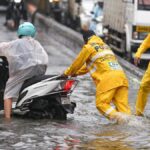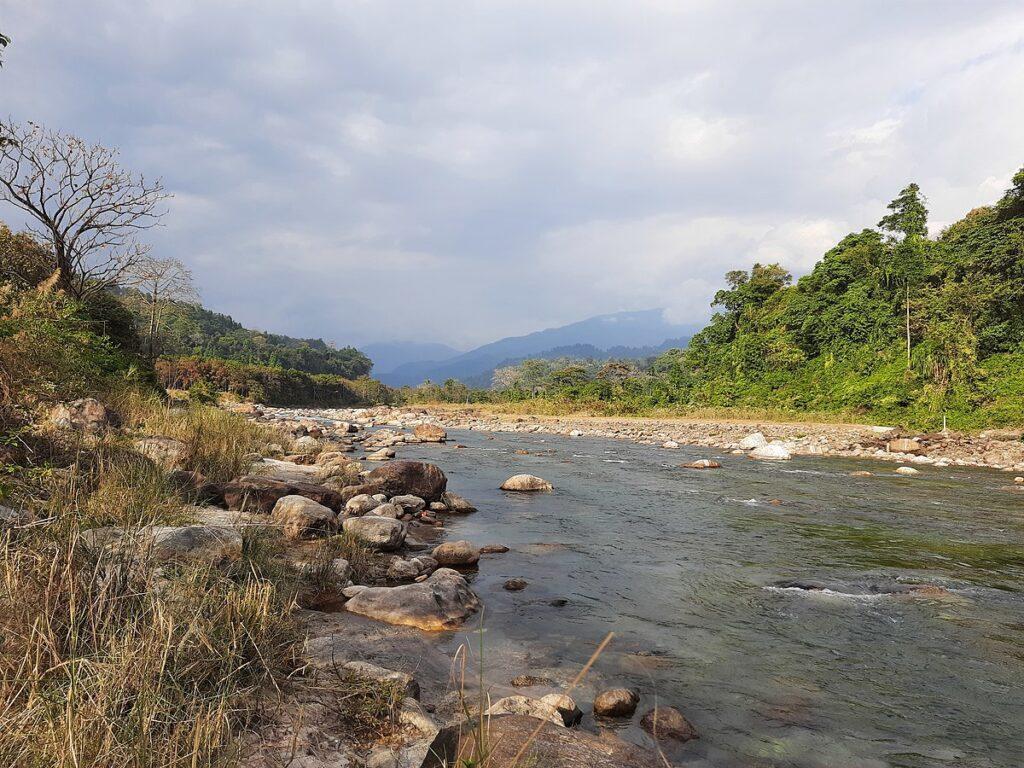
As of 7:00 AM today, the Jaldhaka River flood status indicates a critical situation in the Jalpaiguri district of West Bengal. The river’s water level has surged to 80.42 meters, exceeding the Warning Level by 0.42 meters, and dancing dangerously close to the Danger Level of 80.9 meters. This alarming rise contributes to ongoing concerns about the flood situation in West Bengal, particularly in and around Jalpaiguri. Residents and local authorities are closely monitoring the Jaldhaka River conditions, hoping for a swift de-escalation of the flooding crisis. With the latest Jalpaiguri flooding update, accurate information remains key to managing and mitigating the impacts of these unprecedented water levels.
The current deluge affecting the region can be described as part of the broader hydro-logical challenges faced by the Jaldhaka River as it swells from heavy rainfall. In local communities, an urgent response is unfolding due to the extreme flood conditions prevalent in West Bengal. Observers are particularly focused on the changing Jaldhaka River water levels, which have surged beyond safe thresholds, leading to heightened fears among residents. These developments underscore the need for timely updates and effective disaster management strategies to cope with the implications of the rising waters. As this situation evolves, the urgency for a well-coordinated response to address the repercussions of the flooding becomes increasingly paramount.
Jaldhaka River Flood Status and its Impact on Jalpaiguri
As of early today, the Jaldhaka River remains in a critical state, with water levels recorded at 80.42 meters at NH-31 in Jalpaiguri, West Bengal, surpassing the warning threshold of 80 meters. This measurement indicates that the river is under severe pressure, as it inches closer to its danger level of 80.9 meters. The rising water levels have raised substantial concerns for local residents, agricultural areas, and infrastructural integrity. The relentless flow of water has already begun affecting the surrounding environment, leading to increased risks of inundation and related disasters.
The flood situation in West Bengal, particularly in the Jalpaiguri district, demands urgent attention. Emergency services and local authorities are on high alert, monitoring the Jaldhaka River conditions closely to mitigate potential damage caused by further flooding. Residents in low-lying areas are advised to remain vigilant and prepared for evacuation if required. The challenges posed by the ongoing flooding extend beyond immediate safety concerns, as they threaten livelihoods, disrupt transportation routes, and impede access to essential services.
Recent Updates on Jalpaiguri Flooding Conditions
In the wake of the rising Jaldhaka River water level, recent updates indicate a worsening flooding scenario in the Jalpaiguri district. As local weather conditions exacerbate the situation, the authorities are implementing flood-preparedness initiatives. Monitoring stations across the region are equipped to provide real-time data on water levels, ensuring residents stay informed about the flood situation in West Bengal. Floodwaters not only pose risks but also bring to light the urgent need for better infrastructural planning to manage such severe weather events effectively.
Furthermore, community engagement has become crucial as local residents are encouraged to participate in flood response planning. With the threat of the Jaldhaka River overflowing its banks, it is essential for citizens to work hand-in-hand with local officials to establish emergency protocols. This collaboration will help facilitate timely evacuations, distribute relief supplies, and ensure safety measures are in place as the flooding crisis unfolds. Consistent updates and effective communication channels will significantly enhance community resilience against these extreme weather conditions.
How to Prepare for Possible Jaldhaka River Flooding
Preparing for potential flooding caused by the Jaldhaka River entails not only an understanding of water levels but also setting up emergency plans. Acknowledging that current water levels are perilously near their dangers, families should gather essential supplies such as food, water, first aid kits, and important documents. The importance of creating an emergency kit cannot be overstated, especially for communities vulnerable to the unforeseen effects of flooding.
Additionally, residents should stay informed about local advisories and updates related to the Jaldhaka River conditions. Understanding how to respond to rising waters, conducting evacuation drills, and establishing contact plans with family and friends can significantly enhance preparedness. It is vital for each individual to be proactive, as timely actions can save lives and minimize property damage during the peak of the flooding crisis.
The Role of Local Government in Managing Flood Risks
Local government agencies play a pivotal role in managing flood risks associated with the Jaldhaka River. Their responsibilities include conducting regular assessments of river conditions, maintaining flood control infrastructure, and implementing action plans aimed at minimizing the impact of floods. By enhancing the efficacy of early warning systems, local authorities can equip residents with the necessary information to make informed decisions during flood emergencies.
Moreover, collaboration with meteorological departments ensures that forecasts are accurate, allowing for timely interventions. Community awareness programs spearheaded by local governments also foster a culture of preparedness among the populace, reinforcing the need for collective action against the daunting challenge of flooding in West Bengal. As we witness the current flood situation in Jalpaiguri, the effectiveness of local governance during crisis periods becomes all the more critical.
Environmental Concerns Related to Jaldhaka River Flooding
The environmental ramifications of the Jaldhaka River flooding extend beyond immediate disaster impacts. As floodwaters rise, concerns regarding soil erosion, water contamination, and habitat disruptions emerge. Vegetation in flood-prone areas is often severely affected, altering local ecosystems and threatening wildlife that relies on these natural habitats for survival. The seasonal flooding patterns also raise concerns about how rising water levels contribute to long-term ecological shifts in West Bengal.
Additionally, communities must grapple with the aftermath of floodwaters receding, which can leave deposits of debris and pollutants in agricultural lands. This situation prompts a need for sustainable management practices that address flood-related challenges while preserving environmental integrity. Engaging in reforestation initiatives and sustainable land-use planning might mitigate future flood risks and curb environmental degradation associated with excessive flooding.
Long-Term Strategies for Flood Management in West Bengal
To combat the challenges posed by the Jaldhaka River flooding, West Bengal needs a robust long-term flood management strategy. This involves investing in advanced water management infrastructure, including levees, embankments, and retention basins. By integrating modern technology and scientific research, the region can develop comprehensive water resources management systems that minimize flooding risk while ensuring environmental sustainability.
Furthermore, stakeholder collaboration is vital for effective long-term planning. Engaging local communities, industries, and environmental agencies creates a holistic approach to flood management that harnesses collective knowledge and expertise. Continuous monitoring, adaptive management practices, and public education initiatives will play a crucial role in navigating the complexities of flooding in West Bengal, especially as climate variability increasingly dictates weather patterns.
Community Involvement in Flood Preparedness
Community involvement is essential in shaping effective flood preparedness plans in Jalpaiguri and surrounding areas affected by the Jaldhaka River conditions. Grassroots organizations, local leaders, and residents can be instrumental in identifying vulnerable locations and implementing tailored response strategies. Mobilizing volunteers for emergency drills, awareness campaigns, and response training can empower communities to respond effectively during flooding events.
Moreover, fostering a culture of collaboration among residents enhances communal resilience against flooding. Providing resources to ensure that everyone understands their role in disaster preparedness not only helps individuals cope with flood situations but also builds camaraderie among community members. By uniting efforts, communities can significantly mitigate the devastating impacts of flood situations in West Bengal.
The Psychological Impact of Flood Situations on Affected Communities
The psychological effects of flooding caused by the Jaldhaka River can profoundly affect individuals and communities experiencing these natural disasters. The stress and uncertainty that come with rising waters can lead to anxiety, depression, and feelings of helplessness among residents. Coping with economic losses due to flooded properties and disrupted livelihoods can further exacerbate mental health challenges, highlighting the necessity for targeted mental health support during and after flood events.
Communities affected by flooding often require integrated support systems that provide both psychological assistance and practical resources for recovery. Initiatives focusing on mental well-being and resilience building should be prioritized alongside physical recovery efforts. Through counseling, support groups, and community workshops, individuals can navigate the emotional turmoil stemming from their experiences with Jaldhaka River flooding, fostering recovery and adaptability in the face of future challenges.
Future Predictions for Flooding Trends in West Bengal
Analyzing future flooding trends in West Bengal, particularly concerning the Jaldhaka River, involves closely studying climate change patterns and their implications on precipitation and river flow. As global temperatures continue to rise, weather models indicate an increased likelihood of extreme rainfall events, leading to more frequent and severe flooding scenarios. Understanding these trends will equip local authorities and residents with vital knowledge for planning and preparedness.
Proactive measures, such as improving drainage systems and enhancing watershed management, will be critical in mitigating future flooding risks. Engaging with climate scientists and experts to predict hydrological changes is necessary for West Bengal to adapt to its evolving flood landscape. Efforts aimed at strengthening the resilience of infrastructure, alongside community adaptation strategies, will be instrumental in facing imminent flooding challenges, making it imperative to prioritize discussions around these environmental changes.
Frequently Asked Questions
What is the current status of the Jaldhaka River flood in Jalpaiguri, West Bengal?
As of 7:00 AM today, the Jaldhaka River in the Jalpaiguri district of West Bengal is experiencing a significant flood situation. The river is flowing at a level of 80.42 meters, which is 0.42 meters above the Warning Level of 80 meters and just 0.48 meters below the Danger Level of 80.9 meters. The flood situation in West Bengal remains critical as the river continues to show a rising trend.
| Time | River Level (m) | Warning Level (m) | Danger Level (m) | Flood Situation |
|---|---|---|---|---|
| 7:00 AM Today | 80.42 | 80.0 | 80.9 | Significantly High |
Summary
The Jaldhaka River flood status remains critical as of the latest report. With the river flowing at 80.42 meters as of 7:00 AM today, it is currently above the Warning Level of 80 meters, indicating a worrying situation for the surrounding communities. Moreover, while it is still below the Danger Level of 80.9 meters, the rising trend poses potential risks for further flooding. Authorities are closely monitoring the situation to ensure proper safety measures are in place.