

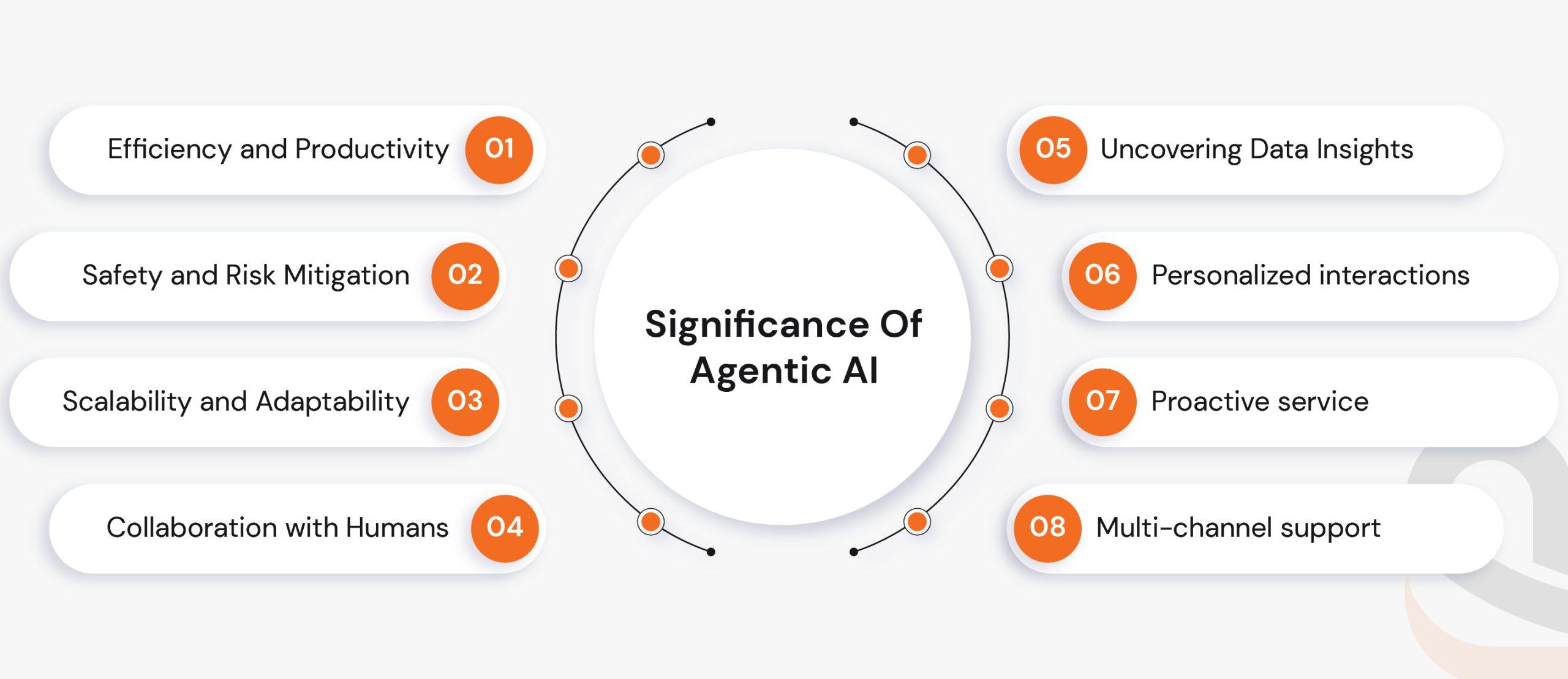
In a rapidly evolving technological landscape, **CTO Confidence in Scaling AI** has reached a new low, dropping to 48% in 2026 from 82% just two years earlier, according to a revealing Akkodis report. As AI adoption accelerates, organizations are increasingly under pressure to transform ambitious AI strategies into scalable operations. This shift is highlighted by a growing emphasis on innovation over efficiency, marking 2026 as a pivotal year for digital transformation trends. With the rise of agentic AI—systems capable of planning and decision-making—CTOs face serious enterprise AI challenges that expose gaps in governance and workforce trust. To navigate these complexities and maximize AI’s potential, organizations must prioritize effective frameworks and clear allocation of tasks among human and machine collaboration.
As leaders in the tech industry grapple with the realities of integrating artificial intelligence, the decline in **C-suite confidence** regarding AI scalability signifies a broader challenge. The evolving narrative around **digital advancement** underscores the importance of shifting from traditional optimization strategies to innovative, growth-driven approaches in AI adoption. By recognizing the significance of agentic AI, businesses can harness its capabilities to enhance operational efficacy and address emerging enterprise challenges. Navigating the complexities of implementing AI systems requires not only advanced technological infrastructure but also a concerted effort towards fostering a culture of collaboration and trust within the workforce. Ultimately, understanding and overcoming these hurdles will determine the success of future **AI initiatives**.
CTO Confidence in Scaling AI Declines: Understanding the Trends
As the landscape of artificial intelligence (AI) continues to evolve, the recent Akkodis report sheds light on a troubling trend: a significant drop in CTO confidence regarding the scaling of AI technologies. Falling from 82% in 2024 to just 48% in 2026, this decline highlights the pressing challenges enterprises face amid accelerating AI adoption. Despite the technological advancements, the core issues stem from the ability to integrate AI into broader corporate strategies effectively. The transformation from simple deployment to long-term, effective application is proving to be a more complex endeavor than many had anticipated.
The findings indicate that while many organizations have successfully initiated pilot AI programs, the transition from experimentation to full-scale implementation still poses substantial hurdles. Key barriers include a lack of in-house expertise and clear governance structures, which are essential for determining the effective distribution of tasks between humans and AI systems. As CTOs report, without addressing these foundational challenges, the scaling of AI will remain stagnant, emphasizing the need for strategic realignment across business operations.
The Importance of Agentic AI in Today’s Enterprises
Agentic AI, which refers to systems capable of autonomous planning and decision-making, is emerging as a critical factor in digital transformation initiatives. According to the Akkodis report, 40% of CTOs identify this shift as a major influence on enterprise strategies moving into 2026. This trend marks a pivotal change from AI being merely a supportive tool towards a full engagement in operational execution. Consequently, organizations must rethink their governance frameworks, focusing on accountability and the novel responsibilities that come with implementing such advanced systems.
Interestingly, despite the widespread acknowledgment of agentic AI’s potential, many organizations struggle with the implementation phase. Over half of the CTOs reported difficulties establishing clarity on task allocation using AI, suggesting a disconnect between understanding the technology’s capabilities and effectively leveraging them. To navigate this transition successfully, enterprises must foster an environment structured around continuous learning and agile adaptation, crucial for advancing in the competitive landscape driven by AI.
Navigating the Challenges of Scaling AI Systems
The challenges surrounding AI integration within enterprises primarily stem from operational rather than technological constraints. As emphasized in the Akkodis report, organizations are inching away from merely deploying AI to integrating it into their daily operations. This shift reveals revealing insights, such as the fact that only 44% of CTOs feel that their leadership teams entirely grasp AI’s implications on their business strategies. Such a gap in understanding can create hurdles in efficiently incorporating AI into workflows, processes, and decision-making structures.
Moreover, CTOs have cited persistent barriers, including a shortage of technology skills and hesitance to invest due to ROI uncertainty. This underlines the importance of effective change management strategies that address these fears and promote an understanding of AI as a crucial enabler of operational excellence. To move forward, organizations must prioritize cross-departmental communication and training programs, really enhancing their approach to integrating AI and ensuring that they do not fall behind in the fast-paced digital transformation landscape.
The Shift from Efficiency to Innovation in Digital Transformation
The Akkodis report illustrates a crucial paradigm shift in the realm of digital transformation: for the first time, CTOs report that innovation tops the list of digital investment drivers, over efficiency. This shift is particularly notable as it signals an evolution in how organizations perceive the benefits of AI and other digital technologies. With the diminishing returns experienced from mere efficiency improvements, companies are now looking towards innovation as a vehicle for sustainable growth and differentiation, especially in preparation for the challenges of 2026.
Industries are adjusting their priorities accordingly, with sectors like aerospace focusing on workforce development while life sciences accelerate innovation. This sector-specific approach is essential as it allows organizations to tailor their strategies to harness AI effectively. By aligning digital investments with innovation—rather than solely operational efficiency—companies can create more agile and resilient business models that can respond promptly to changing market demands.
AI’s Impact on the Workforce: Reimagining Skills and Roles
Contrary to the common narrative that AI will lead to job loss, the insights reported by CTOs suggest a more nuanced reality. With 50% of CTOs indicating a shift in required skills and nearly half reporting changes in daily activities, it’s evident that AI is reshaping the workforce rather than eliminating it. This alteration necessitates a strategic workforce planning approach, where organizations must consider how to upgrade skills and redesign tasks to complement both human and AI capabilities.
The notion of a hybrid workforce where humans and AI collaborate synergistically presents remarkable opportunities for productivity and innovation. As AI takes over routine tasks, the workforce can focus on more complex creative responsibilities and relationship-driven roles that optimize human talents. This strategic reallocation of tasks can lead to increased job satisfaction and new career opportunities, prompting organizations to invest in training and development initiatives that prepare employees for the future of work.
From Pilot Programs to Full Enterprise AI Integration
As organizations progressively move from pilot AI projects to full integration, the transition unveils a spectrum of approaches to managing AI projects. The Akkodis report categorizes these approaches into three distinct types: Task Automators, Pilot Operators, and Enterprise Orchestrators. Each of these categories reveals critical insights into how companies can leverage AI effectively, with successful organizations demonstrating a keen understanding of the intricacies involved in fully orchestrating AI across all levels.
Enterprise Orchestrators, in particular, stand out as the leaders in this transition, strategically incorporating AI into their standard operational frameworks. By aligning technology with human expertise, these organizations not only achieve measurable results but also set benchmarks in industry best practices. For companies still operating in pilot mode, adapting strategies to transcend isolated experiments will be crucial in realizing the full potential of AI technologies.
Designing New Operating Models for AI Integration
Redesigning organizational operating models is imperative for success in scaling AI solutions. The Akkodis report emphasizes that simply deploying AI technology is no longer sufficient; organizations must orchestrate their entire process landscape around AI to realize its benefits fully. This involves rethinking decision-making frameworks and ensuring that protocols are in place for accountability and governance, which are fundamental for managing AI’s growing role in daily operations.
Organizations should aim to establish robust processes that allow for the seamless integration of AI capabilities across various departments. This holistic approach fosters better alignment between technology and business objectives, enabling organizations to capitalize on AI’s transformative power effectively. By continuously evolving their operating models, enterprises can position themselves at the forefront of the digital transformation journey and harness AI’s full potential for competitive advantage.
The Role of Leadership in AI Adoption and Scaling
The success of AI scaling within organizations is heavily influenced by leadership commitment and understanding. The Akkodis report reveals that only 44% of CTOs feel that their leadership teams possess a robust understanding of AI technologies and their implications. This gap can significantly hinder progress, as strong leadership is essential in driving initiatives that integrate AI into core business processes effectively.
Leaders must champion AI initiatives by promoting education and fostering a culture of innovation and acceptance. By developing a strategic vision that embraces AI as a critical component of long-term business goals, executives can create an environment that supports rapid adaptation and sustainable competitive advantages. Additionally, encouraging collaboration between cross-functional teams will provide the diverse perspectives necessary for successful AI implementation.
Preparing for the Future: Aligning AI with Business Strategies
To successfully scale AI, organizations must align their business strategies with the evolving landscape of AI technologies. The insights from the Akkodis report point to a pressing need for enterprises to integrate AI into their overall mission and objectives. This strategic alignment not only improves operational efficiencies but also enhances responsiveness to market changes and customer needs, fostering a culture of continuous improvement.
As organizations anticipate the future needs of their markets in 2026 and beyond, leveraging AI as a strategic asset is vital. By embracing AI-driven insights that guide decision-making and resource allocation, businesses will be better equipped to innovate and adapt their offerings. This foresight in aligning AI capabilities with overarching business strategies ensures that organizations continue to thrive amid the dynamic transformations of the digital age.
Frequently Asked Questions
What factors are contributing to the decline of CTO confidence in scaling AI according to recent research?
Recent findings from the Akkodis report indicate that CTO confidence in scaling AI has dropped significantly, from 82% in 2024 to 48% in 2026. This decline is attributed to increasing complexities in integrating AI within enterprise operations rather than mere deployment. As CTOs strive to tackle enterprise AI challenges, they face barriers like inadequate leadership understanding of AI, insufficient frameworks for responsible AI, and lack of urgency in business adoption, all of which hinder effective scaling.
| Key Point | Details |
|---|---|
| CTO Confidence Decline | CTO confidence in scaling AI has dropped to 48% in 2026 from 82% in 2024. |
| Emergence of Agentic AI | Agentic AI is recognized as the most influential trend, with 40% of CTOs identifying it as a critical impact driver. |
| Integration Challenges | The main hurdle is now integrating AI into enterprise operations, rather than mere deployment. |
| Innovation as the New Focus | CTOs are prioritizing innovation over efficiency in digital transformations. |
| Restructuring Work with AI | AI is reshaping skills requirements and daily activities rather than leading to job losses. |
| Organizational Models for AI | Identified approaches include Task Automators, Pilot Operators, and Enterprise Orchestrators. |
Summary
CTO confidence in scaling AI is facing challenges as evidenced by a significant decline, as outlined in the recent Akkodis report. This report highlights a fundamental shift in priorities among CTOs, moving from cost-driven efficiency toward innovation as the primary catalyst for digital investment. The emergence of agentic AI as a critical technology trend reflects the growing importance of integrating AI into enterprise operations rather than just deploying it in isolated pilots. Organizations now face the operational complexities of restructuring workflows to incorporate AI effectively. This transition requires new governance structures and a comprehensive understanding of AI’s role in the workforce, as companies strive to realize the potential of AI while fostering collaboration between human and machine capabilities.



























