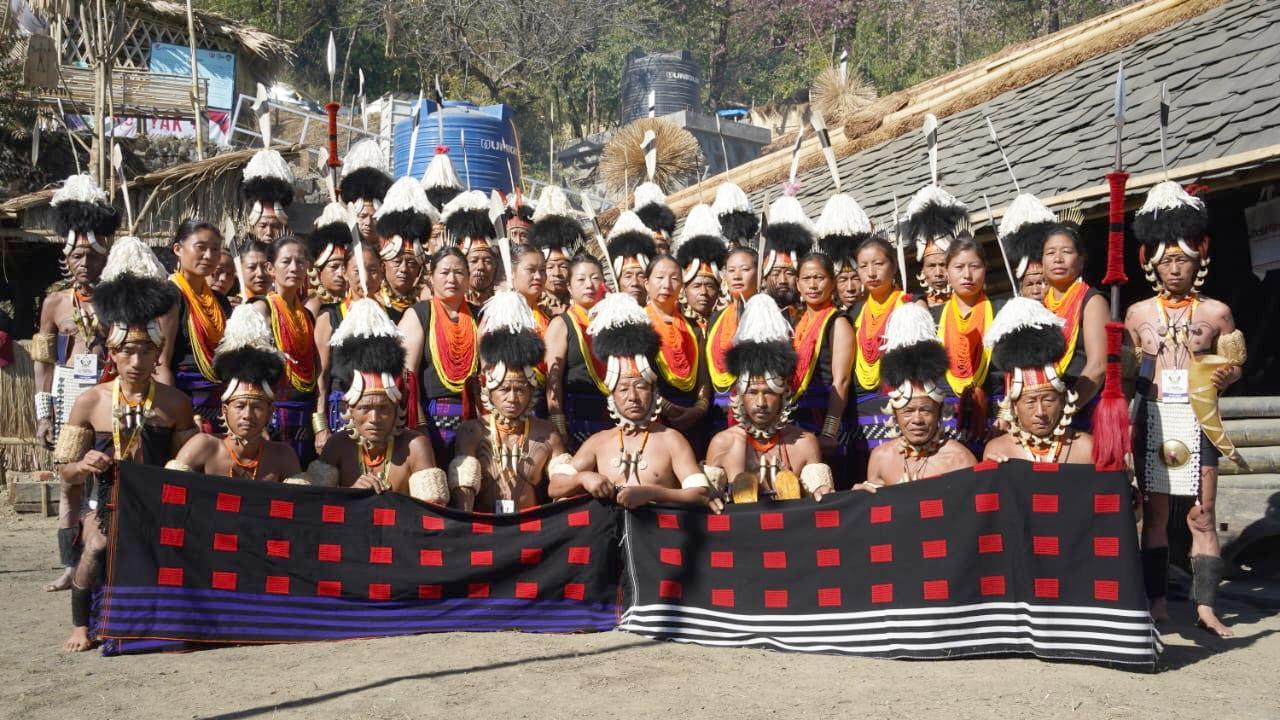
The Naga political issue has remained a pressing concern for the people of Nagaland, as the quest for peace and unity grows more complex. Recently, K. G. Kenye, the Nagaland Minister for Power and Parliamentary Affairs, expressed profound worry that the Naga community is steadily losing its collective voice and leadership amidst the ongoing negotiations. During the first Annual General Session of the Tenyimi Union, he underscored the importance of unity among all factions within the Naga leadership to discuss and resolve these pivotal community concerns. With the delay in addressing the Naga political issue, the social fabric of the community is at risk of unraveling, prompting calls for intensified dialogue and collaboration. Emphasizing a collective approach, Kenye’s remarks highlight the urgent need for a unified strategy among stakeholders to secure a prosperous future for all Naga people.
The ongoing struggle surrounding the Naga self-determination movement highlights the complexities of regional autonomy and cultural identity in Northeast India. As processes of governance evolve, the issues pertaining to Naga autonomy and their inherent rights have become increasingly significant. In light of recent critiques, community leaders are urged to reassess their roles and responsibilities to foster a progressive society built on unity. Addressing disputes among various factions within the community, stakeholders are pressed to harmonize their voices and focus on collaborative efforts that encompass the broader interests of the Naga populace. This holistic approach seeks to ensure that the aspirations of the Naga population are met through shared dialogues and democratic engagement.
The Importance of Unity in Nagaland
Unity within the Naga community is not merely a social ideal; it is an imperative for survival and progress. As highlighted by Minister K. G. Kenye, the current political climate in Nagaland requires a concerted effort to bridge divides and foster cooperation among various stakeholders. The essence of unity can be found in shared cultural values, traditions, and the common goal of achieving a peaceful resolution to the Naga political issue. By nurturing this unity, the Naga people can enhance their leadership capabilities, ensuring that the voice of the community is heard and respected in political discourses.
Moreover, the strength of unity lies in its ability to amplify individual voices into a collective statement of purpose. When the Naga leadership consolidates its vision, it not only fosters greater representation but also galvanizes community support for urgent causes, including political negotiations and developmental initiatives. The Tenyimi Union’s gathering exemplifies this pressing need for solidarity, as discussions oriented around collective progress can pave the way for actionable plans that address community concerns. Thus, by prioritizing unity, Nagaland can effectively navigate the complexities of its political aspirations and social welfare.
Addressing the Naga Political Issue
The Naga political issue continues to be a matter of significant concern for the region, drawing attention from leaders and community members alike. The prolonged struggle for self-determination and autonomy has led to a deep-rooted sense of urgency among the Naga leadership, as articulated by Minister Kenye during the Tenyimi Union session. His emphasis on the need for a unified approach towards resolving this issue reflects the sentiments of many within the Naga community who feel that divisions might hinder their collective aspirations.
Navigating this political landscape requires not only consensus among leaders but also active participation from all sectors of society. The challenges posed by external pressures and internal rifts can be mitigated through increased dialogue and collaboration. As the community seeks to engage in meaningful discussions, the significance of having a ‘collective voice’ becomes clearer. Ensuring that every voice is included in the conversation helps cultivate a broader understanding of the Naga political issue and fosters a sense of collective responsibility for the outcomes of these negotiations.
Collective Leadership and Community Concerns
The need for effective collective leadership is paramount in addressing the ongoing concerns of the Naga community. K. G. Kenye’s call for unity highlights that without cohesive and organized leadership, the community’s challenges may not only persist but could also escalate. Leaders must take the initiative to unify voices, ensuring that community concerns are addressed holistically and that the aspirations of all segments of the population are considered. This collective leadership model would empower diverse groups within the Naga society, including economically disadvantaged or marginalized factions, thus ensuring that no voice goes unheard.
Moreover, organizing forums where various leaders and community members can openly express their viewpoints fosters a deeper understanding of the complex issues at play. The Tenyimi Union serves as a vital platform where such dialogues can occur, emphasizing the importance of including all community sectors in discussions. This encourages a more integrated approach to addressing both social and political issues, ultimately strengthening the Naga community’s resilience and adaptability in the face of external challenges.
The Role of the Tenyimi Union in Promoting Unity
The Tenyimi Union plays a pivotal role in fostering unity among the Naga people, especially during uncertain times. As outlines in the recent Annual General Session, its mission revolves around creating a cohesive environment that encourages dialogue and collaboration among all groups. By setting a theme such as “Progressive Society through Unity,” the Union not only champions the presence of diverse voices but also binds various factions under a common purpose: achieving socio-political progress for the Naga community.
Through various initiatives, the Tenyimi Union serves as an essential platform where issues affecting the community can be addressed collectively. This facilitates engagement among youth, elders, and community leaders, promoting a culture of inclusivity that is vital for navigating political discussions like the Naga political issue. By emphasizing unity, the Tenyimi Union can ensure that progress is both informed by community needs and reflective of a united front capable of negotiating with external political forces.
Navigating the Future: Challenges and Opportunities
As Nagaland looks towards the future, the intersection of challenges and opportunities presents a critical juncture for the Naga community. The ongoing political uncertainty underscores a pressing need for proactive engagement from all leaders and stakeholders to secure a sustainable future. There are significant opportunities for establishing a common ground among various factions within the Naga society, which can lead to a well-rounded response to the Naga political issue. Collaboration across diverse sectors, as urged by Minister Kenye, can significantly enhance the community’s ability to navigate these challenging waters.
Additionally, embracing technological advancements and modern communication trends can help bridge gaps in leadership and community representation. Engaging younger generations through innovative platforms may reinvigorate the collective voice, ensuring that traditional wisdom aligns with contemporary issues. Therefore, the Naga collective leadership must seek out and embrace new avenues for collaboration, thereby turning obstacles into opportunities for growth and unity.
The Importance of Inclusive Dialogue
Inclusive dialogue stands at the forefront of resolving the complexities of the Naga political issue. The need to bring together diverse perspectives—from grassroots voices to established leaders—cannot be overstated. Conversations that include all stakeholders promote understanding and diminish tension, fostering an environment where collaborative solutions can emerge. The Tenyimi Union’s recent engagements exemplify how open dialogues can pave the way for more collective decision-making processes.
Furthermore, inclusive dialogue ensures that the voices of underrepresented groups within the Naga community are amplified. By engaging women, youth, and minority factions in the discussion, the Naga political leadership can develop comprehensive strategies that address the multifaceted nature of community concerns. This approach not only enriches the democratic process but also solidifies the sense of belonging among community members, reinforcing solidarity in the pursuit of unity and stability for future generations.
Building a Cohesive Naga Society
Constructing a cohesive Naga society requires deliberate efforts to weave together the diverse threads of its various ethnic and cultural identities. Minister Kenye’s awareness of the disunity within the Naga community serves as a call-to-action for all members to prioritize the development of strong interpersonal relationships that transcend societal differences. A unified Naga society fosters resilience, enabling it to address collective issues, such as the Naga political issue, with a shared sense of purpose.
To build this cohesion, investments in community building activities, education, and cultural exchanges can play essential roles. Programs aimed at fostering understanding among different tribes and generations can lead to heightened social cohesion and empathy. The Tenyimi Union, as a representative body, can spearhead these initiatives, ensuring that all segments of the Naga community have access to resources that enable dialogue and unity, ultimately setting the stage for lasting peace and progress.
The Path Forward for the Naga Community
Determining the path forward for the Naga community entails addressing both historical grievances and contemporary aspirations. The pressing need for resolving the Naga political issue has prompted calls for innovative approaches in leadership. Acknowledging the insights shared during meetings like the Tenyimi Union’s session is imperative for ensuring that community leaders are well-informed about the aspirations and frustrations of their constituents. By grounding decisions in the lived experiences of community members, leaders can navigate this path with clarity and purpose.
Additionally, embracing a future-oriented mindset, where young leaders are empowered to take charge, can revitalize the Naga political discourse. By nurturing a culture of mentorship and collaboration, the community can cultivate a new generation of leaders who prioritize inclusivity and collective empowerment. Ultimately, the journey ahead calls for all Nagas to unify, ensuring that their collective voice is not only heard but heeded in all discussions concerning their political future.
Frequently Asked Questions
What is the current status of the Naga political issue and its impact on unity in Nagaland?
The Naga political issue has been ongoing for years, and recent remarks by Nagaland Minister K. G. Kenye highlight a critical moment for Naga society. He warns that the community is losing its collective voice and leadership, which is essential for navigating these complex political waters. Unity in Nagaland is crucial, as the prolonged delay in resolving these issues not only threatens the social fabric but also hampers the Naga community’s ability to pursue its political aspirations effectively. Kenye urges all stakeholders, including civil society organizations and political leaders, to engage in dialogue and work towards a consensus that reflects the collective voice of the Naga people.
| Key Point | Details |
|---|---|
| K. G. Kenye’s Warning | Caution against losing collective voice and leadership in Naga society. |
| Need for Consensus | Emphasis on reaching a consensus on the Naga political issue to prevent deeper divisions. |
| Unity and Collective Decision-making | Kenye stresses the importance of unity during this sensitive phase in Naga’s history. |
| Prolonged Delay’s Effects | Highlights how the delay in resolving the Naga political issue is weakening social fabric. |
| Call for Dialogue | Urgency for community leaders to engage in dialogue and work towards broader consensus. |
| Outcome of the TUN Session | Gathering aimed at discussing unity, social progress, and Naga community’s future. |
Summary
The Naga political issue has reached a pivotal moment as highlighted by Nagaland Minister K. G. Kenye, who cautioned against the erosion of collective voice within Naga society. During the Tenyimi Union Nagaland’s Annual General Session, he underscored the imperative for community unity and the urgent need for consensus on political matters. As the Naga community navigates this critical juncture, it is evident that prolonged delays in addressing their political aspirations pose significant challenges. Kenye’s call for dialogue among leaders and stakeholders encapsulates the hope for a cohesive approach that can stabilize and uplift Naga society, ensuring that their developmental concerns and political aspirations are effectively voiced and met.