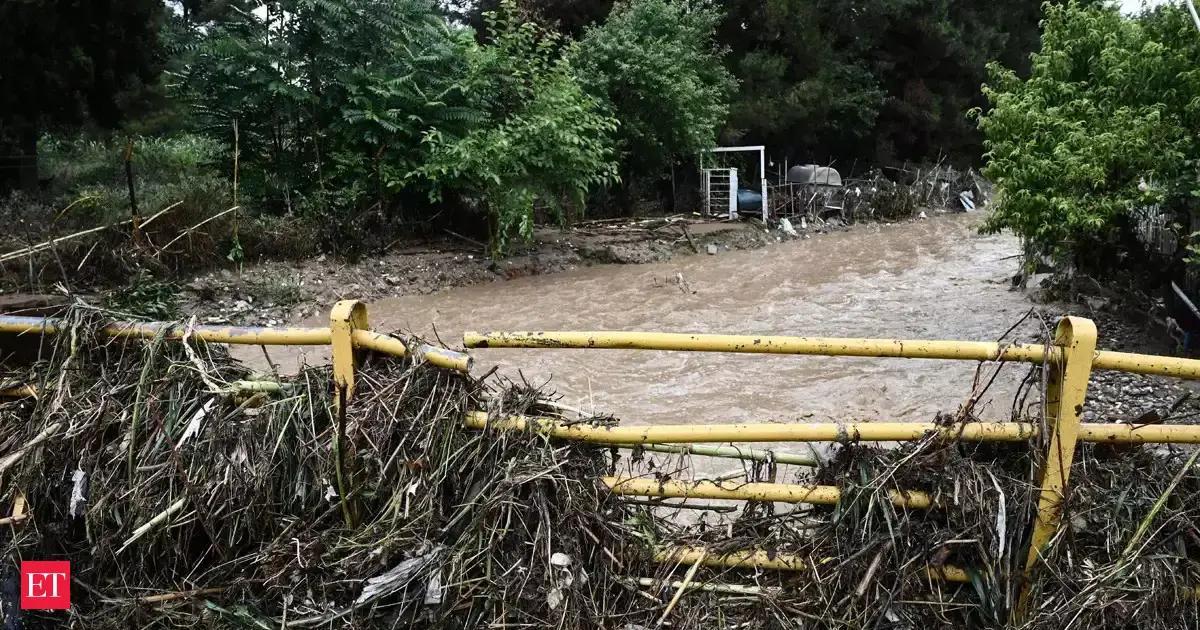
Meghalaya experiences heavy rainfall, particularly during the monsoon season, making it one of the wettest places on Earth. With Mawsynram recording a staggering 526.4 mm of rain in just 24 hours, this region’s weather phenomenon raises significant concerns about flooding and landslides. The East Khasi Hills were particularly hard-hit, with places like Sohra and Mawkyrwat receiving 470.4 mm and 385 mm respectively, showcasing the intense precipitation prevalent during this time. The state’s unique geography exacerbates the situation, as the combination of heavy rains and hilly terrain creates a high risk for monsoon-related disasters like the Meghalaya floods. As forecasters predict continued rainfall, residents are urged to stay alert and prepared for the impacts of the persistent wet weather.
The monsoon season in Meghalaya brings not only life-giving rainfall but also serious challenges to its residents. Characterized by extreme weather patterns, heavy downpours contribute to cascading effects such as flooding and landslides, particularly in the Khasi and Jaintia Hills regions. Known for its unmatched rainfall records, including locations like Mawsynram, the state constantly battles the repercussions of its torrential climate. As the season progresses, the risk of waterlogging in low-lying areas and the potential for destructive landslides become pressing concerns. Meteorologists and disaster management teams focus on monitoring the ongoing weather conditions, aiming to minimize the hazards associated with this annual meteorological occurrence.
The Impact of Meghalaya Heavy Rainfall on Local Ecosystems
Meghalaya’s heavy rainfall, particularly in regions like Mawsynram, has profound effects on local ecosystems. The record-breaking precipitation levels contribute to the lush biodiversity of the area, supporting a variety of flora and fauna. However, this intense monsoon season also leads to flooding, which can disrupt natural habitats and alter the delicate balance of local ecosystems. Heavy rains have been known to wash away topsoil, releasing sediment into water bodies, thus impacting aquatic life and water quality.
In addition, the increased rainfall can lead to accelerated soil erosion, which puts stress on the region’s vegetation. Some native plant species thrive in moist conditions, but excessive water can lead to saturation and rot, compromising their survival. Moreover, the rich moisture can encourage the growth of algae in rivers and streams, negatively affecting fish populations. It is essential for environmentalists and policymakers to monitor these changes closely to mitigate adverse effects while preserving the unique ecological heritage of Meghalaya.
Understanding the Risks of Floods and Landslides in Meghalaya
The heavy rainfall experienced in Meghalaya poses significant risks of flooding and landslides, especially in areas with steep terrain such as the Khasi Hills. The sheer volume of rainfall can cause rivers to overflow, inundating low-lying regions and resulting in flash floods. Local authorities have issued warnings regarding these dangers, urging residents to stay vigilant and prepared for sudden weather changes. The rapid accumulation of water can destabilize hillsides, making landslides more likely, particularly in vulnerable locations that have been degraded due to human activity.
In past monsoon seasons, communities in Meghalaya have faced devastating consequences from landslides and floods, leading to loss of life and property. Disaster management agencies stress that residents near rivers or on hill slopes must stay informed about weather advisories. Implementing effective drainage systems and raising awareness about flood risks can greatly reduce the impact of these natural disasters. Continued monitoring of weather patterns and soil conditions is essential to provide timely alerts for potential danger.
Monsoon in Meghalaya: Patterns and Predictions
The monsoon season in Meghalaya is characterized by its unpredictability and intensity, with forecasts suggesting a correlation between climate change and altered precipitation patterns. For instance, regions like Mawsynram and Sohra exhibit tremendous rainfall variability, causing challenges for local agriculture and infrastructure planning. Meteorologists anticipate that with the current monsoon system showing no signs of abating, people should prepare for continued downpours and localized flooding in the upcoming weeks.
Understanding the cyclical nature of the monsoon in Meghalaya, especially in the context of changing climate dynamics, is crucial. While the rains replenish water reservoirs and support agriculture, excessive amounts can lead to disastrous outcomes, including landslides and erosion. Predictive models indicate a growing necessity for sustainable land-use practices to mitigate the long-term impacts of heavy rainfall on this ecologically sensitive region.
Khasi Hills Weather: A Focus on Rain Mangagement Strategies
The weather patterns in the Khasi Hills during the monsoon season highlight the importance of rain management strategies. With the region receiving significant rainfall, effective management involves both traditional and modern practices to ensure water is utilized efficiently and prevent too much runoff. Local authorities promote rainwater harvesting and natural drainage systems for groundwater recharge and crop irrigation.
Moreover, community engagement is vital in enhancing resilience against heavy rainfall impacts in the Khasi Hills. Awareness programs regarding flood preparedness, coupled with investment in infrastructure such as retention basins and improved road drainage, can significantly reduce vulnerability to severe monsoon weather. As residents face climate variability, these strategies become essential for ensuring safety and sustainability in the face of unpredictable rains.
The Role of Disaster Management in Flood Preparedness
In the wake of heavy monsoon rains in Meghalaya, disaster management agencies play a crucial role in flood preparedness. They provide timely information and updates regarding weather forecasts, risk assessments, and safety measures. It is imperative for these organizations to collaborate with local communities to develop effective emergency response plans that cater specifically to the unique geographical and climatic challenges of the region.
Additionally, conducting drills and awareness campaigns can better prepare residents for potential flooding events caused by the intense rainfall. Ensuring clear communication channels during emergencies helps communities respond efficiently, potentially saving lives and minimizing property damage. Proactive disaster management not only aids in immediate response efforts but also fosters resilience against future rainfall-related challenges.
The Historical Significance of Mawsynram’s Rainfall Records
Mawsynram, recognized globally for its rainfall records, serves as a vital case study for understanding heavy precipitation trends in Meghalaya. Historically, this region has set benchmarks for extreme weather events, drawing attention to the relationship between geographic features and climatic conditions. The rainfall data from Mawsynram is critical for researchers and climatologists who seek to understand the complexities of monsoonal weather patterns.
Moreover, the historical context of Mawsynram’s rainfall can inform local policies regarding water resource management and disaster preparedness. By analyzing past rain records and their implications, policymakers can create strategies to mitigate the adverse effects of excessive rainfall, thereby protecting the people and environment of Meghalaya. Continuous documentation and research will further contribute to sustainable development initiatives across the region.
Exploring the Effects of Extreme Rainfall on Infrastructure
Extreme rainfall events in Meghalaya exert considerable pressure on the state’s infrastructure, necessitating careful planning and robust construction methods. The repeated downpours during the monsoon season often lead to damage of roads, bridges, and public facilities. Understanding these impacts is crucial for civil engineering and urban planning efforts.
During and after heavy rainfall, infrastructure assessments become vital to identify and address vulnerabilities. Implementing resilient construction practices that take into account the region’s climatic patterns is necessary to ensure the longevity and safety of public works. Investment in enhancing road drainage systems and flood barriers can significantly mitigate the risks associated with extreme weather events, ultimately safeguarding both infrastructure and community welfare.
The Interrelationship Between Climate Change and Meghalaya’s Monsoon Patterns
There is growing concern regarding the interrelationship between climate change and monsoon patterns in Meghalaya. Increased rainfall intensities are often attributed to broader climatic changes. As global temperatures rise, the moisture capacity of the atmosphere increases, potentially leading to heavier rainfalls during the monsoon season. Understanding this link is essential for planning future disaster response and resource management.
Moreover, it’s critical for governments and environmental organizations to initiate discussions surrounding climate adaptation strategies. Strategies should aim to improve local resilience against changing monsoonal behavior and include measures for sustainable land management and community preparedness. In light of persistent rainfall, such efforts are vital to protect both the environment and the livelihoods of those residing in Meghalaya.
Community Resilience and Adaptation to Heavy Rainfall
Community resilience is essential for coping with the heavy rainfall experienced in Meghalaya, particularly in light of the risks of floods and landslides. Local populations must develop adaptive strategies that enable them to respond effectively to extreme weather events, ensuring their safety and well-being. Education on flood preparedness and sustainable agricultural practices can empower communities to withstand the pressures of intense monsoon activity.
Furthermore, fostering cooperation among community members can lead to collaborative efforts to improve infrastructure and resource management tailored to local needs. Community-driven initiatives can enhance disaster preparedness and response, allowing residents to share knowledge and resources as they face the challenges posed by heavy rainfall. By investing in resilience-building measures, Meghalaya’s communities can better navigate the uncertainties of changing weather patterns.
Frequently Asked Questions
What are the current weather conditions in Meghalaya during the heavy rainfall season?
Meghalaya is currently experiencing heavy monsoon rainfall, with Mawsynram recording an impressive 526.4 mm in just 24 hours. The East Khasi Hills have seen particularly intense downpours, including 470.4 mm in Sohra. Meteorological authorities predict continued monsoon activity, with thunderstorms and lightning expected in the Khasi and Jaintia Hills.
How does heavy rainfall in Meghalaya affect the risk of floods and landslides?
The heavy rainfall in Meghalaya significantly increases the risk of floods and landslides. The recent intense rain has created saturated soil conditions, making vulnerable hill slopes and low-lying areas prone to flash floods and landslides. Residents are advised to remain cautious and avoid traveling during severe weather conditions.
What areas in Meghalaya are most affected by the current monsoon rainfall?
The current monsoon rainfall has heavily impacted various areas in Meghalaya, especially the East Khasi Hills. Locations such as Sohra, which received 470.4 mm, and Mawkyrwat with 385 mm, are facing the brunt of the rainfall. Other notable areas include Mawphlang, Khliehriat, and Shella, reflecting widespread effects of the active monsoon.
What precautions should residents take during heavy rainfall in Meghalaya?
During heavy rainfall in Meghalaya, residents should take several precautions, such as avoiding unnecessary travel, especially in vulnerable areas prone to landslides and flooding. Those living near rivers and streams should exercise extra caution and stay updated with weather advisories from local authorities to ensure safety.
How does Mawsynram hold the record for rainfall in Meghalaya?
Mawsynram is globally recognized for its heavy rainfall, making it the wettest place on earth. The region’s unique geographical features contribute to extraordinarily high rainfall, as seen in the recent 526.4 mm within 24 hours. The continuous monsoon activity adds to its rain record, influencing weather patterns across Meghalaya.
What are the impacts of monsoon activity on transportation in Meghalaya?
The ongoing monsoon activity in Meghalaya may disrupt transportation as heavy rainfall can lead to localized flooding and landslides. Authorities anticipate possible impacts on connectivity in several areas if heavy rains persist, making it essential for residents to stay informed about road conditions.
What causes the heavy precipitation experienced during the monsoon in Meghalaya?
The heavy precipitation during the monsoon in Meghalaya is primarily caused by a strong monsoon system prevailing over Northeast India. Atmospheric circulation over Assam and neighboring regions is sustaining widespread rainfall, leading to significant monsoon effects across the state.
| Key Points |
|---|
| Meghalaya is experiencing heavy monsoon rainfall with significant amounts recorded. |
| Mawsynram recorded 526.4 mm of rainfall in 24 hours, making it the wettest location in Meghalaya. |
| The East Khasi Hills region, especially Sohra (470.4 mm) and Mawkyrwat (385 mm), reported the heaviest rainfall. |
| Meteorological officials warn of continued rain, thunderstorms, and lightning across Khasi and Jaintia Hills. |
| The persistent rainfall increases risks of landslides, flash floods, and waterlogging in vulnerable areas. |
| Residents are advised to avoid unnecessary travel and take precautions due to the expected rain and weather disruptions. |
Summary
Meghalaya heavy rainfall has created significant challenges for residents and authorities alike. With Mawsynram experiencing over 500 mm of rain in just 24 hours, the impact of this extraordinary weather pattern is being felt most in districts such as East Khasi Hills and South West Khasi Hills. Meteorological officials forecast ongoing monsoon activity that could lead to flooding and landslides, prompting officials to urge vigilance and caution among the populace. It is critical for residents to remain informed through weather advisories and exercise safety precautions as the region braces for more rainfall.