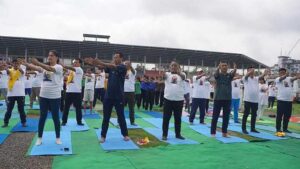
Nagaland Yoga Day, originally scheduled for June 21, was postponed to Monday amid significant backlash from various groups including the Naga Students’ Federation and the Nagaland Baptist Pastors’ Union. The decision to delay the event was primarily due to concerns over holding activities on a Sunday, as it conflicts with the Christian beliefs upheld by the state’s majority population. Many argued that such initiatives overlooked the religious traditions integral to Nagaland’s cultural fabric. With the growing opposition against the Yoga Day events, the government acted to accommodate the sentiments of these groups, highlighting the importance of respecting constitutional rights. The controversy surrounding Yoga Day in Nagaland has sparked a vital conversation about cultural respect and religious beliefs within educational institutions in the state.
The observance of International Day of Yoga in Nagaland has stirred a significant dialogue, highlighting the intersection of cultural practices and religious beliefs in this predominantly Christian state. As local groups voice their opposition to participation in yoga-related events, there emerges a larger question about how such programs align or clash with the values cherished by the community. Entities like the Naga Students’ Federation and various church organizations, including the Nagaland Baptist Pastors’ Union, emphasize the need to honor local sentiments on sacred days like Sunday. This cultural backdrop influences how Yoga Day is viewed in Nagaland, illuminating the complexities of integrating global practices into local traditions. As opposition grows, the conversations around this issue reflect a deep-rooted connection between identity, religion, and education in Nagaland.
Nagaland Yoga Day: Controversy and Community Sentiment
The celebration of Nagaland Yoga Day has incited substantial controversy, primarily due to the clash between state directives and the deeply rooted Christian beliefs of the local population. The Naga Students’ Federation, alongside the Nagaland Baptist Pastors’ Union, has voiced strong objections to the observance of International Yoga Day on a Sunday, emphasizing that it conflicts with the sacred day of worship. This sentiment is widespread across various tribal organizations and church communities in Nagaland, highlighting their commitment to upholding religious values amidst government initiatives.
The pushback against the Yoga Day events reflects not only a local prioritization of religious traditions but also a broader concern over constitutional rights regarding religious observance. For many Naga citizens, Sunday is a day reserved for communal worship and reflection, and as such, the imposition of a governmental celebration is viewed as an infringement upon their beliefs. The opposition from groups like the Central Nagaland Tribes Council further underscores the community’s stance that educational institutions should not be compelled to participate in events perceived to contradict their cultural values.
Christian Beliefs and Yoga Day Opposition in Nagaland
The opposition to Yoga Day in Nagaland stems from a profound respect for the prevailing Christian beliefs in the region. The Nagaland Baptist Pastors’ Union has publicly stated that yoga is rooted in traditions that may conflict with Christianity. As such, many residents view the government’s attempts to instate these programs as an encroachment on their spiritual practices. This view has been echoed in statements from various church leaders who argue that encouraging participation in Yoga Day activities could misrepresent their faith.
Furthermore, the dialogue surrounding this issue reveals a broader narrative regarding the cultural conflicts that can arise between governmental initiatives and deeply held religious ideologies. The strong response from local organizations suggests a community unwilling to compromise on their beliefs, thereby creating an imperative for officials to reconsider the timing and nature of such programs. The Naga Students’ Federation has stressed that no public institution should be mandated to organize events that are perceived to undermine their religious principles.
Impact of the Postponement on Community Dynamics
The decision to postpone the Yoga Day events in Nagaland has significant implications for community dynamics and local governance. By choosing to delay the observance from June 21 to June 22, the government has acknowledged the vocal opposition from student bodies and religious organizations. This act of responsiveness could foster a more inclusive dialogue about the intersection of civil directives and cultural beliefs, indicating a move towards a more considerate approach to policy-making in a religiously diverse society.
Moreover, the postponement allows for a reconvening of discussions within the community regarding the importance of yoga and wellness, separate from the controversial backdrop of governmental involvement. It creates an opportunity for local wellness advocates and religious leaders to collaborate on culturally appropriate alternative activities. As such, the community has a chance to frame health and wellness initiatives in a manner that respects their religious beliefs while still promoting physical and mental health.
The Role of Educational Institutions in Yoga Day Events
Educational institutions play a crucial role in the celebration of Nagaland Yoga Day, but they lie at the heart of the ongoing debate about the appropriateness of such observances within a Christian-majority context. The initial directive issued by the education department mandated schools to participate in enforcing Yoga Day, which was met with significant resistance. Stakeholders argued that schools should remain neutral ground, free from religious connotations that yoga may invoke for many in the community.
This controversy has highlighted a significant tension between state educational policies and local cultural sensitivities. The pressure on institutions to participate may detract from their primary mission of educational development and community engagement. Therefore, schools may need to rethink their involvement in such national initiatives, finding ways to accommodate both governmental requests and the cultural values of their students and communities.
Government’s Response to Local Concerns
In light of the widespread opposition to Yoga Day events, the Nagaland government has shown a substantial willingness to listen to community feedback. The postponement of the celebrations is a vital step toward acknowledging the sentiments of a predominantly Christian population, as voiced by various organizations including the Naga Students’ Federation and the Nagaland Baptist Pastors’ Union. This responsiveness is indicative of a government that values its constituents’ beliefs and is ready to adjust its plans accordingly.
Such measures not only appease local activists but can also enhance the government’s credibility among the Naga people. By taking local sentiments into account, officials can build trust and demonstrate their commitment to cultural sensitivities. This approach ultimately fosters a more harmonious relationship between the state and its citizens, underscoring the importance of cultural representation in policymaking.
Cultural Reconciliation: Finding Common Ground in Nagaland
Navigating the delicate balance between governmental initiatives and local religious sentiments underscores the need for cultural reconciliation in Nagaland. The spirited debate around Yoga Day reveals how deeply embedded religious beliefs are in the fabric of Naga society. Moving forward, there is a potential for the government to engage with local leaders to promote wellness in ways that align with the cultural and religious norms of the region.
Encouraging dialogues between the government, religious institutions, and community groups can pave the way for mutually acceptable practices that respect the faith of the majority while still advancing public health goals. Programs that incorporate local customs or are scheduled at times considerate of religious observance will be more effective in promoting community wellness without generating conflict.
Yoga in Global Culture: Contextualizing Local Opposition
While Yoga Day has gained international acclaim as a celebration of physical and mental well-being, its reception varies significantly across different cultural landscapes. In Nagaland, the celebration is contested primarily due to its association with practices that some locals feel are at odds with their Christian beliefs. This local opposition highlights the tendency for global cultural practices to collide with indigenous values, leading to localized resistance when embraced uncritically.
Understanding the global cultural phenomena surrounding yoga can enhance the dialogue on Indigenous responses to such events. By examining how yoga is perceived not just as a physical practice but also as a spiritual and cultural expression, stakeholders can better appreciate the roots of the opposition. This can inform future initiatives that aim to introduce global practices sensitively and respectfully into local traditions.
Path Forward: Constructive Engagement in Nagaland
The ongoing debate regarding Nagaland Yoga Day necessitates a path of constructive engagement among various stakeholders. Moving from opposition to collaboration can result in innovative wellness programs that respect local customs while promoting health. This requires open dialogues between governmental agencies, faith leaders, and community organizations to craft initiatives that resonate with the cultural values of the region.
Furthermore, fostering a mutual understanding between the state and local beliefs will encourage broader participation in health and education initiatives. By aligning programs with the cultural context, the government can ensure their directives are received as beneficial rather than burdensome, promoting a sense of community involvement and support for wellness initiatives across Nagaland.
Lessons from Nagaland: Navigating Cultural Sensitivity
The events leading up to the postponement of Nagaland Yoga Day provide significant lessons in navigating cultural sensitivity and the importance of aligning public policies with local values. The strong opposition from diverse groups signifies a vital reminder that one-size-fits-all initiatives often overlook the unique attributes of specific communities. Efforts to introduce national policies must consider local beliefs and practices to avoid backlash and promote harmonious coexistence.
Ultimately, learning from this situation could foster greater cultural empathy and awareness in policy-making processes across other diverse regions. By embracing the unique cultural contexts of citizens, governments can create an environment where programs are not only accepted but celebrated, leading to community cohesion and a stronger sense of identity.
Frequently Asked Questions
What led to the postponement of Nagaland Yoga Day events?
The Nagaland Yoga Day events were postponed due to strong opposition from various groups, including the Naga Students’ Federation, Nagaland Baptist Pastors’ Union, and tribal organizations. They argued that holding Yoga Day on a Sunday was insensitive to the Christian beliefs of the predominantly Christian population in Nagaland.
How did the Naga Students’ Federation respond to the original Nagaland Yoga Day directive?
The Naga Students’ Federation described the initial directive to hold Nagaland Yoga Day events on a Sunday as insensitive and a violation of the constitutional rights of the Christian community, emphasizing that Sunday is a sacred day meant for worship.
What is the stance of the Nagaland Baptist Pastors’ Union regarding Yoga Day events?
The Nagaland Baptist Pastors’ Union expressed that yoga has religious and philosophical roots that conflict with Christian beliefs, advocating for educational institutions to refrain from participating in Nagaland Yoga Day events to respect the community’s faith.
Were any Yoga Day events conducted despite the postponement in Nagaland?
Yes, despite the postponement of the official Nagaland Yoga Day events, some Central government institutions and security forces conducted independent Yoga Day celebrations as part of the nationwide observance.
Why do some groups oppose observing Nagaland Yoga Day on a Sunday?
Opposition to observing Nagaland Yoga Day on a Sunday stems from the belief that it conflicts with the sacredness of the day in Christian traditions, as highlighted by groups like the Naga Students’ Federation and the Central Nagaland Tribes Council who stress the importance of respecting religious sentiments in the predominantly Christian state.
What was the government’s response to the opposition against Nagaland Yoga Day events?
In response to the widespread opposition regarding Nagaland Yoga Day being held on a Sunday, the Nagaland government issued a revised order to postpone the official event to Monday, respecting the religious sentiments of the community.
| Key Point | Details |
|---|---|
| Postponement of Events | Nagaland’s government postponed Yoga Day events to Monday in response to opposition. |
| Widespread Opposition | Opposition came from student bodies, tribal organizations, churches and political groups. |
| Religious Sentiments | The opposition cited the religious significance of Sunday for the Christian population. |
| Constitutional Rights | The Naga Students’ Federation argued it infringed on their constitutional rights and Christian beliefs. |
| Independent Yoga Day Events | Despite the postponement, some Central government institutions held Yoga Day events independently. |
Summary
Nagaland Yoga Day has faced significant opposition leading to its postponement, illustrating the sensitivity of cultural and religious practices in the region. The decision to move the event from its originally scheduled date highlights the importance of respecting the beliefs of the predominantly Christian community in Nagaland, which views Sunday as a sacred day. This situation serves as a reminder of the need for inclusive planning in government events that cater to a diverse population.