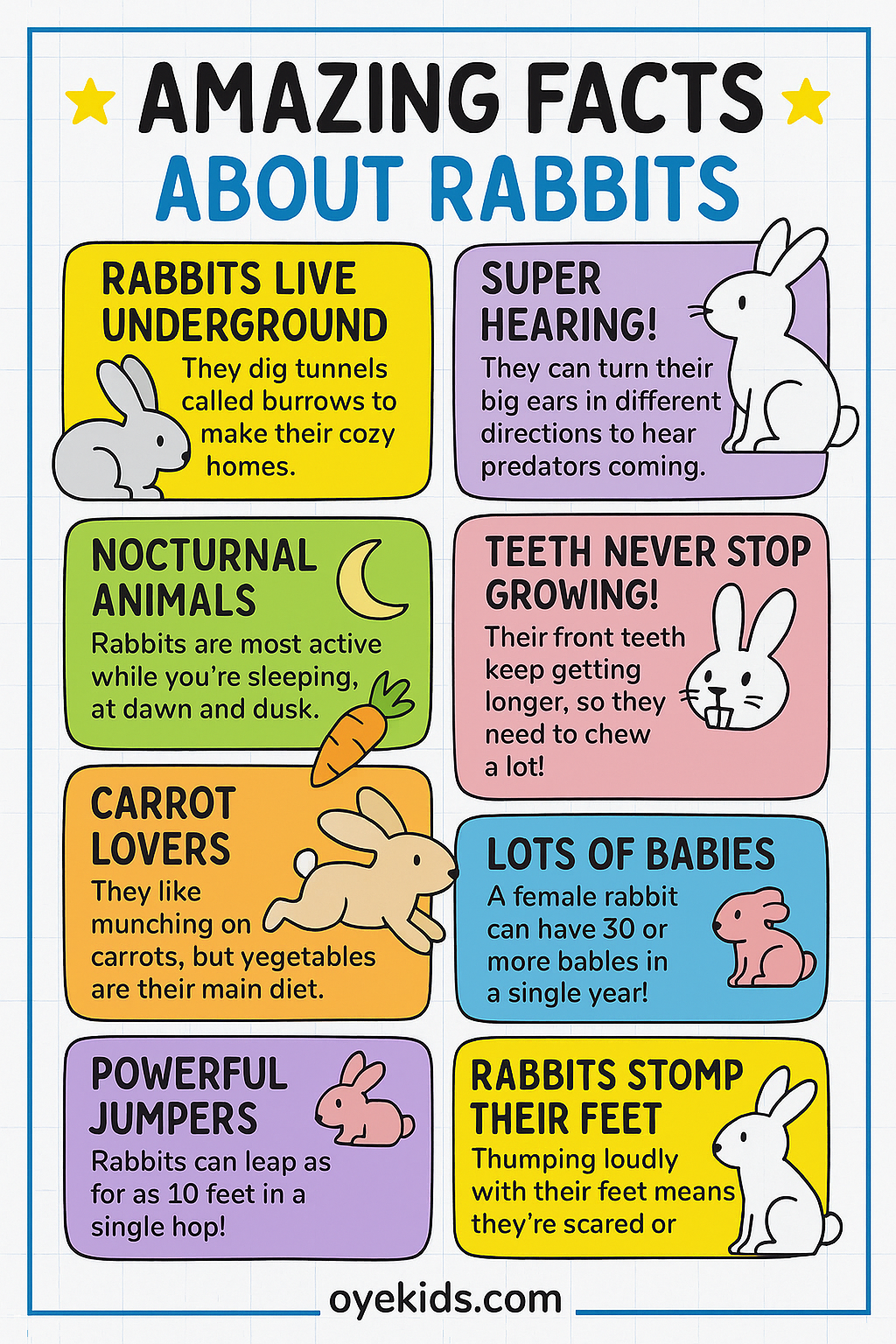
Did you know that rabbits are full of surprises? Fun facts about rabbits reveal just how fascinating these small creatures really are! Beyond their fluffy exteriors and famous association with carrots, these animals showcase intriguing behaviors and unique traits that many people are not aware of. For instance, rabbits’ teeth continually grow throughout their lives, requiring them to munch on fibrous foods to keep their teeth healthy. Additionally, the binky—a joyful leap and twist—offers a glimpse into rabbit happiness, proving that their world is filled with interesting rabbit trivia and behaviors worth exploring.
When we talk about the intriguing world of these small furry creatures, alternative terms like ‘rabbit wonders’ or ‘rabbit curiosities’ often come to mind. Understanding more about rabbit behavior not only enriches our knowledge but also enhances how we care for these adorable pets. From their dietary needs to the quirks of their daily activities, there is much to discover beyond the typical image of soft ears and innocent faces. Whether you’re a proud rabbit owner or simply a curious enthusiast, delving into comprehensive rabbit facts can be both enlightening and entertaining.
Fun Facts About Rabbits You Didn’t Know
Rabbits are not just cute pets; they are also fascinating creatures with unique characteristics that many people are unaware of. For example, did you know that a rabbit’s teeth never stop growing? This continual growth means that rabbits need to chew on fibrous foods like hay and grass to keep their teeth at a manageable length. If they don’t, their teeth can become overgrown, leading to health issues. Another intriguing aspect is how their eye placement allows them to have nearly 360-degree vision, enabling them to spot potential predators with ease. These adaptations are crucial for their survival in the wild.
Moreover, rabbits display a variety of interesting behaviors that highlight their complex nature. One such behavior is the ‘binky,’ a joyful leap that rabbits perform when they’re excited or happy. This action looks almost like a dance and serves as a clear sign of a rabbit’s well-being. Additionally, rabbits usually do not have a preference for carrots, despite popular belief, and instead, rely heavily on hay and leafy greens for their diet. It’s these surprising facts about rabbits that reveal just how unique and interesting they are as pets.
Understanding Rabbit Behavior
Understanding rabbit behavior can significantly enhance the bond between pet rabbits and their owners. Rabbits communicate their feelings through various actions and postures. For example, a rabbit that thumps its hind legs is signaling danger or discomfort, while a relaxed bunny may be lounging with its ears back, indicating that it feels safe and comfortable. Recognizing these behaviors can help owners address their pets’ needs more effectively and create an environment that promotes health and happiness.
Moreover, the social structure of rabbits is quite fascinating. These animals are social creatures and thrive in a group dynamic. In the wild, they live in large colonies with a distinct hierarchy. Pet owners should consider providing companionship or ample interaction to prevent loneliness and boredom. Including tunnels or play areas can mimic their natural environment and stimulate their instincts, ensuring that they express their natural behaviors. Such understanding not only improves the quality of care but also fosters a richer bond between owner and pet.
Essential Care for Rabbits
Caring for a rabbit goes beyond providing food and shelter; it involves understanding their dietary needs and environmental requisites. A well-balanced rabbit diet should primarily consist of hay, which is vital for their digestive health, and supplemented with fresh greens and occasional treats. Avoiding high-sugar foods like carrots ensures that their teeth and overall health are maintained, as rabbit diets focused on fibrous content prevent obesity and dental issues.
In addition to diet, creating an appropriate habitat for your rabbit is crucial. Rabbits require space to hop and explore, so a spacious enclosure with plenty of tunnels and chew toys is essential. Environmental enrichment encourages exercise and mental stimulation, both of which are important for a rabbit’s physical and emotional well-being. Regular grooming and health check-ups are also vital components of rabbit care, helping to prevent potential health problems related to their unique physiology.
The Diet of a Rabbit: What You Should Know
When it comes to feeding rabbits, understanding their natural diet is essential for their health and longevity. Contrary to popular belief, rabbits do not thrive on a diet solely comprised of carrots. In fact, the carbohydrate and sugar content in carrots can lead to serious health issues if they are offered too frequently. A rabbit’s primary food source should be fresh hay, which not only keeps their teeth aligned but also supports healthy digestion. Fresh, dark leafy greens should be introduced gradually and form a key part of their diet while fruits should remain an occasional treat.
Additionally, it’s crucial for rabbit owners to be aware of the types of greens safe for their pets. Common options include romaine lettuce, kale, and cilantro. Providing a variety of fibrous foods ensures that rabbits receive the necessary nutrients while satisfying their need to chew—a behavior essential for their dental health. Ensuring that the right foods are available will help prevent health issues and contribute to a happy, active rabbit.
Rabbits and Their Unique Social Structure
Rabbits are social creatures that thrive on interaction, both with humans and their fellows. In the wild, they live in large communities that foster complex social structures. These animals communicate through thumping, grooming, and even sharing food, showcasing their cooperative nature. Pet rabbits can benefit immensely from companionship, so it’s often recommended to adopt them in pairs or provide regular playtime with their human caregivers to satisfy their social needs.
Moreover, understanding a rabbit’s social behavior can help owners foster a nurturing environment. For instance, when introducing new rabbits to one another, a gradual approach can reduce stress and aggression. It’s essential to simulate their natural habitat by including hiding spots and play areas, as these encourage social interaction and reduce territorial disputes. Such an understanding of their social habits is critical for any rabbit owner, ensuring their pets live fulfilled lives.
Tales of Rabbit Speed and Agility
Despite their soft and cuddly appearance, rabbits are surprisingly agile and fast. Many people assume that their docile nature means they are slow creatures, but in reality, rabbits can reach speeds of up to 35 miles per hour! This remarkable speed allows them to escape predators quickly, employing quick, zigzag movements that make them hard to catch. Owners often marvel at the breathtaking speed at which their pets can dart across a garden or living space.
Their speed isn’t just a survival tactic; it also plays a significant role in their playful behavior. Rabbits utilize their agility during playtime, engaging in repeated sprints, twists, and jumps. This energetic play not only keeps them physically fit but also provides mental stimulation that is vital for their overall well-being. Encouraging such movement through playtime and safe environments can help ensure that rabbits remain active and healthy, enriching their lives and strengthening the bond between pet and owner.
The Parent Role of a Rabbit Mother
The maternal instincts of rabbits can be quite different from those of other mammal species. Wild rabbit mothers typically exhibit a unique parenting style; they leave their young alone for long periods while they forage for food. This seeming abandonment is a practical adaptation aimed at protecting their offspring from predators. By keeping their distance, mother rabbits help ensure their babies stay hidden and secure, returning only a few times a day to nurse them enough to survive until they’re older.
Interestingly, domestic rabbit caretakers may need to step in to protect young rabbits since they can be vulnerable to household pets or other dangers. If you find a nest of baby rabbits in your yard, it’s best to observe from a distance. If the babies appear to be in danger, contacting local wildlife experts is more prudent than attempting to care for them. Understanding the nature of rabbit parenting can help potential rabbit owners grasp the responsibility and challenges associated with rabbit care, highlighting the delicate balance of nurturing these creatures effectively.
The Common Myths About Rabbits Demystified
There are several widespread myths and misconceptions about rabbits that can lead to misunderstandings about their care and behavior. One of the most common myths is that rabbits are low-maintenance pets that require little attention. In truth, rabbits need plenty of social interaction, mental stimulation, and proper care to thrive. Owners should be mindful of their needs for companionship and exercise, as neglecting these aspects can lead to behavioral problems.
Additionally, the myth that rabbits can eat a diet solely constructed of carrots is persistently popular. While most people picture a rabbit munching contentedly on a carrot, the reality is that too many sugary vegetables can harm rabbits. Instead, they require a diet rich in hay and fiber, which is better for their dental and digestive health. By debunking these misconceptions, current and prospective rabbit owners can provide a better quality of life for their pets while enjoying their fascinating characteristics.
Rabbit Trivia that Will Surprise You
Rabbit trivia reveals many surprising insights that challenge common stereotypes. For starters, rabbits have an extraordinary ability to hear sounds that are imperceptible to humans. Their long ears can rotate independently to help pinpoint noises, a keen adaptation that aids them in detecting predators before it’s too late. This remarkable auditory capability, combined with their exceptional speed, makes them adept at surviving in the wild.
Another interesting piece of trivia involves their innate grooming habits. Rabbits spend a considerable amount of time grooming themselves, which is not merely about cleanliness. This behavior also helps distribute natural oils in their fur, improving insulation and reducing the chance of skin ailments. Such interesting rabbit trivia highlights the unique adaptations that have evolved to ensure their survival and well-being, making them more fascinating than many realize.
Frequently Asked Questions
What are some interesting rabbit facts that every pet owner should know?
Understanding rabbit behavior is essential for any pet owner. For instance, did you know that rabbits’ teeth never stop growing? They need to chew on fibrous foods like hay and grass to keep their teeth healthy. Additionally, happy rabbits express joy through a behavior called a ‘binky,’ where they jump and twist in the air. Knowing these fun facts about rabbits can enhance your bond with your furry friend.
| Fact Number | Fact | Description |
|---|---|---|
| 1 | Teeth Growth | Rabbit teeth never stop growing, requiring constant chewing to prevent overgrowth. |
| 2 | Wide Field of Vision | Rabbits can see almost everything around them due to their eye placement, though they have a blind spot in front. |
| 3 | Binky – Happy Dance | A binky is an energetic hop signifying a rabbit’s happiness, characterized by jumping and twisting. |
| 4 | Diet Preferences | Carrots are not a rabbit’s main food; they primarily eat hay, grass, and leafy greens. |
| 5 | Maternal Behavior | Wild mother rabbits leave their babies alone to protect them from predators. |
| 6 | Speed and Agility | Rabbits can run very fast with agile movements, making it hard for predators to catch them. |
Summary
Fun facts about rabbits reveal that these adorable creatures are much more than just cute companions or cartoon characters. From their continuously growing teeth that necessitate constant chewing to their remarkable ability to see nearly all around them without turning their heads, rabbits possess unique attributes that many people are unaware of. Their surprising behaviors, such as doing a binky when they are happy, and dietary preferences that go beyond just carrots, add to the fascination of these furry animals. Additionally, the maternal instincts of wild rabbits demonstrate their protective nature, while their speed and agility can be quite astonishing. Overall, as you uncover more fun facts about rabbits, you’ll find they are much more complex and interesting than the simplistic images often associated with them.