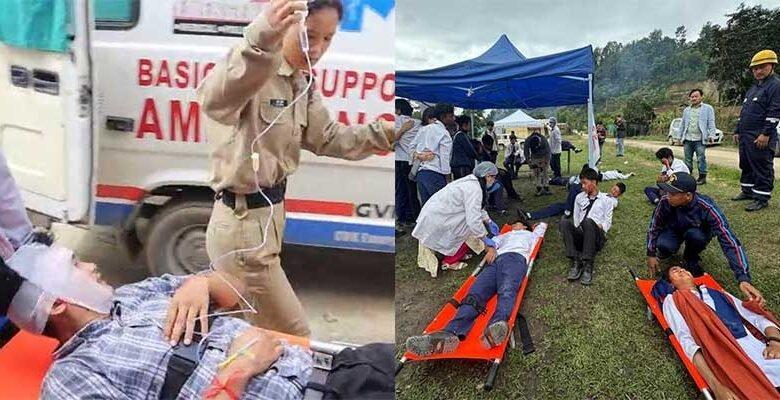
The recent flash flood in Arunachal Pradesh has caused widespread devastation and heartache, particularly in the Keyi Panyor district. This calamity has led to the tragic loss of Nirmala Gupta, a dedicated school teacher, whose body was recovered as rescue teams ramped up their efforts to find four others still missing. The relentless monsoon rains triggered these flash floods, resulting in significant damage as families were displaced and essential infrastructure swept away. As flood rescue efforts continue, the community is grappling with the trauma of this disaster while officials work tirelessly to locate those unaccounted for, including 13-year-old Elesh Marak and others. The situation represents not just a local tragedy but reflects the broader impact of monsoon floods in India, highlighting the urgent need for improved disaster response strategies.
In the wake of the catastrophic flooding in Arunachal Pradesh, the region has seen significant challenges stemming from the torrential rains and debris flows. The Keyi Panyor disaster has left a profound mark, particularly with the heartbreaking news of the missing teacher and the rescue operations in full swing. Various agencies are mobilizing resources to mitigate the impact of this monsoon calamity, as communities rally for those affected. The ongoing situation underscores the severity of seasonal floods in India, which often overwhelm infrastructure and disrupt lives. As local authorities push forward with recovery efforts, the pressing questions surrounding safety and future preparedness come to the forefront.
The Aftermath of the Keyi Panyor Disaster
The Keyi Panyor disaster has left a profound impact on the local community and infrastructure. Triggered by relentless monsoon rains, this devastating flash flood swept through the NEEPCO Colony, claiming lives and displacing families. The response to this crisis emphasizes the urgent need for comprehensive flood rescue efforts, aimed at not only immediate rescue operations but also long-term recovery strategies. The recovery of Nirmala Gupta’s body serves as a somber reminder of the risks posed by monsoon floods in India, particularly in vulnerable areas like Arunachal Pradesh.
In the wake of the disaster, officials and emergency services are coordinating to locate the missing individuals, including Elesh Marak, Balari Marak, Tao Anjina, and Sourav Kumar. The search and rescue operations have mobilized teams from multiple agencies such as the NDRF and SDRF, which underscores the community’s resilience and determination. While some areas remain hard to access due to severe damage and landslides, authorities continue to work round the clock to restore normalcy and bring closure to affected families.
Ongoing Search and Rescue Operations in Arunachal Pradesh
With four people still unaccounted for after the catastrophic flash flood in Keyi Panyor, search and rescue operations are of paramount importance. Local authorities, alongside the National Disaster Response Force, have meticulously combed through the affected areas, employing a combination of technology and manpower to locate those missing. The urgency of the situation is amplified by the ongoing monsoon, which has further complicated rescue efforts and hindered access to critical resources and transportation routes.
The relentless commitment displayed by rescue teams is commendable, as they navigate treacherous conditions to aid victims. For instance, during the operations, several individuals have been rescued, like Bishu Sinha from the Yazali reservoir, showcasing the critical success of these efforts. However, the plight of the missing teacher, Nirmala Gupta, illustrates the heartache faced by families and communities during such disasters. The efforts are not just about finding individuals but also involve a broader strategy of restoring hope and rebuilding lives affected by the devastation.
Impact of Monsoon Floods in Arunachal Pradesh
Monsoon floods have historically posed a significant risk to various regions in India, and Arunachal Pradesh is no exception. The recent flash flood in Keyi Panyor serves as a stark reminder of how quickly nature can disrupt lives and livelihoods. Communities are left grappling with the aftermath, which includes loss of life, destruction of property, and ongoing issues related to transportation and connectivity. In regions where infrastructure is already fragile, monsoon seasons can be particularly calamitous.
Moreover, ongoing rescue and recovery efforts amplify the need for better preparedness against future disasters. Professional agencies are focusing on enhancing the resilience of local communities by educating them about flood safety and implementing more effective response strategies. As the state grapples with the fallout of these monsoon floods, understanding the patterns and risks associated with such weather events can prove essential for planning and safeguarding lives.
Challenges in Flood Rescue Efforts
The rescue operations following the Keyi Panyor flash flood reveal several challenges that emergency services face in mountainous regions like Arunachal Pradesh. Blocked roads due to landslides and debris have severely hindered access to affected areas, complicating efforts to reach those in need. Emergency teams, including the State Disaster Response Force and police, have had to navigate these difficult terrains, highlighting the need for robust infrastructure that can withstand extreme weather events.
Additionally, the element of time is critical in rescue operations. The longer the effort takes, the greater the risk to the lives of those trapped or missing, such as Nirmala Gupta and others. Coordinating the efforts of various agencies, providing adequate resources, and overcoming environmental barriers are essential for effective flood rescue operations. Stakeholder collaboration and community engagement are pivotal in enhancing the effectiveness and speed of these efforts, ensuring help reaches the most vulnerable swiftly.
Community Resilience in the Face of Floods
As monsoon floods ravage areas like Keyi Panyor in Arunachal Pradesh, community resilience emerges as a key factor in disaster recovery. Local residents, despite facing immense loss, exhibit a remarkable spirit of solidarity, coming together to support one another during the crisis. Such resilience is critical not only for immediate recovery but also for fostering long-term preparedness against natural disasters in the future.
Organizations and community leaders are now focusing on promoting awareness about flood risks and developing strategies to mitigate potential hazards. Initiating safety drills and education programs about emergency responses can equip residents with the knowledge and skills to prepare for similar incidents. This communal strength, coupled with the support from governmental and non-profit entities, can significantly enhance the ability to withstand and recover from the adverse impacts of monsoon floods.
Restoration of Connectivity After Flash Floods
Restoration of connectivity is a major challenge following the devastation caused by the flash floods in Arunachal Pradesh. Major roadways, including the Itanagar–Hoj–Yazali National Highway, have seen significant disruption due to landslides, obstructing the movement of rescue teams and essential supplies. The Border Roads Organisation and local highway departments are actively working to clear these routes, yet ongoing rainfall continues to pose complications.
Efficient transportation networks are crucial for facilitating rescue operations and ensuring that aid reaches those affected by the flood. As infrastructure is restored, the importance of building resilient roads and pathways to withstand future flooding events becomes evident. Ensuring that these vital connections are not just rebuilt but enhanced to endure extreme weather will play a significant role in safeguarding the communities of Arunachal Pradesh.
Lessons Learned from Arunachal Pradesh’s Flood Rescue Operations
The flash flood in Keyi Panyor is a harsh reminder of the vulnerabilities faced by regions like Arunachal Pradesh during the monsoon season. Analyzing the response to this disaster highlights several key lessons for future rescue operations. Primarily, the need for improved early warning systems and data collection cannot be overstated. By harnessing technology, communities can be better prepared for impending floods and initiate timely evacuation procedures.
Moreover, the collaboration between various response teams underscores the importance of coordinated efforts in disaster management. Building capacities and training for local responders can significantly streamline operations during crises. By continually refining these strategies, authorities can enhance their preparedness and response capabilities for monsoon floods, reducing the impact on lives and livelihoods.
Coping Mechanisms for Families Affected by Floods
In the aftermath of the flash floods, families in Arunachal Pradesh are forced to adopt various coping mechanisms to deal with loss and displacement. The emotional toll of losing loved ones, such as Nirmala Gupta, weighs heavily on survivors, and providing psychological support becomes a vital component of recovery efforts. Local organizations and mental health professionals are increasingly stepping in to offer support services to those grieving and struggling to adapt post-disaster.
Additionally, coping strategies may include pooling resources among families to rebuild homes and support each other through shared experiences of loss. Community resilience, as seen in response to the Keyi Panyor floods, can often foster stronger bonds within affected populations. Workshops and community meetings play a crucial role in addressing collective trauma and rebuilding not just homes but also the social fabric of the community.
Future Preparedness for Monsoon Floods in India
The recurring nature of monsoon floods in India, particularly in states like Arunachal Pradesh, necessitates a re-evaluation of current preparedness measures. Policies aimed at disaster risk reduction need to incorporate comprehensive assessments of vulnerabilities, as seen in disasters like the Keyi Panyor incident. As climate change intensifies weather patterns, communities must adapt to new realities of increased flood risks.
Strategies that involve enhancing infrastructure, developing community awareness programs, and fostering collaborations between government and non-governmental organizations can create a more resilient framework. Preparing for the worst, while hoping for the best, is essential for safeguarding communities against the unpredictable nature of monsoon floods in India.
The Aftermath of the Keyi Panyor Disaster
The Keyi Panyor disaster has left a profound impact on the local community and infrastructure. Triggered by relentless monsoon rains, this devastating flash flood swept through the NEEPCO Colony, claiming lives and displacing families. The response to this crisis emphasizes the urgent need for comprehensive flood rescue efforts, aimed at not only immediate rescue operations but also long-term recovery strategies. The recovery of Nirmala Gupta’s body serves as a somber reminder of the risks posed by monsoon floods in India, particularly in vulnerable areas like Arunachal Pradesh.
In the wake of the disaster, officials and emergency services are coordinating to locate the missing individuals, including Elesh Marak, Balari Marak, Tao Anjina, and Sourav Kumar. The search and rescue operations have mobilized teams from multiple agencies such as the NDRF and SDRF, which underscores the community’s resilience and determination. While some areas remain hard to access due to severe damage and landslides, authorities continue to work round the clock to restore normalcy and bring closure to affected families.
Ongoing Search and Rescue Operations in Arunachal Pradesh
With four people still unaccounted for after the catastrophic flash flood in Keyi Panyor, search and rescue operations are of paramount importance. Local authorities, alongside the National Disaster Response Force, have meticulously combed through the affected areas, employing a combination of technology and manpower to locate those missing. The urgency of the situation is amplified by the ongoing monsoon, which has further complicated rescue efforts and hindered access to critical resources and transportation routes.
The relentless commitment displayed by rescue teams is commendable, as they navigate treacherous conditions to aid victims. For instance, during the operations, several individuals have been rescued, like Bishu Sinha from the Yazali reservoir, showcasing the critical success of these efforts. However, the plight of the missing teacher, Nirmala Gupta, illustrates the heartache faced by families and communities during such disasters. The efforts are not just about finding individuals but also involve a broader strategy of restoring hope and rebuilding lives affected by the devastation.
Impact of Monsoon Floods in Arunachal Pradesh
Monsoon floods have historically posed a significant risk to various regions in India, and Arunachal Pradesh is no exception. The recent flash flood in Keyi Panyor serves as a stark reminder of how quickly nature can disrupt lives and livelihoods. Communities are left grappling with the aftermath, which includes loss of life, destruction of property, and ongoing issues related to transportation and connectivity. In regions where infrastructure is already fragile, monsoon seasons can be particularly calamitous.
Moreover, ongoing rescue and recovery efforts amplify the need for better preparedness against future disasters. Professional agencies are focusing on enhancing the resilience of local communities by educating them about flood safety and implementing more effective response strategies. As the state grapples with the fallout of these monsoon floods, understanding the patterns and risks associated with such weather events can prove essential for planning and safeguarding lives.
Challenges in Flood Rescue Efforts
The rescue operations following the Keyi Panyor flash flood reveal several challenges that emergency services face in mountainous regions like Arunachal Pradesh. Blocked roads due to landslides and debris have severely hindered access to affected areas, complicating efforts to reach those in need. Emergency teams, including the State Disaster Response Force and police, have had to navigate these difficult terrains, highlighting the need for robust infrastructure that can withstand extreme weather events.
Additionally, the element of time is critical in rescue operations. The longer the effort takes, the greater the risk to the lives of those trapped or missing, such as Nirmala Gupta and others. Coordinating the efforts of various agencies, providing adequate resources, and overcoming environmental barriers are essential for effective flood rescue operations. Stakeholder collaboration and community engagement are pivotal in enhancing the effectiveness and speed of these efforts, ensuring help reaches the most vulnerable swiftly.
Community Resilience in the Face of Floods
As monsoon floods ravage areas like Keyi Panyor in Arunachal Pradesh, community resilience emerges as a key factor in disaster recovery. Local residents, despite facing immense loss, exhibit a remarkable spirit of solidarity, coming together to support one another during the crisis. Such resilience is critical not only for immediate recovery but also for fostering long-term preparedness against natural disasters in the future.
Organizations and community leaders are now focusing on promoting awareness about flood risks and developing strategies to mitigate potential hazards. Initiating safety drills and education programs about emergency responses can equip residents with the knowledge and skills to prepare for similar incidents. This communal strength, coupled with the support from governmental and non-profit entities, can significantly enhance the ability to withstand and recover from the adverse impacts of monsoon floods.
Restoration of Connectivity After Flash Floods
Restoration of connectivity is a major challenge following the devastation caused by the flash floods in Arunachal Pradesh. Major roadways, including the Itanagar–Hoj–Yazali National Highway, have seen significant disruption due to landslides, obstructing the movement of rescue teams and essential supplies. The Border Roads Organisation and local highway departments are actively working to clear these routes, yet ongoing rainfall continues to pose complications.
Efficient transportation networks are crucial for facilitating rescue operations and ensuring that aid reaches those affected by the flood. As infrastructure is restored, the importance of building resilient roads and pathways to withstand future flooding events becomes evident. Ensuring that these vital connections are not just rebuilt but enhanced to endure extreme weather will play a significant role in safeguarding the communities of Arunachal Pradesh.
Lessons Learned from Arunachal Pradesh’s Flood Rescue Operations
The flash flood in Keyi Panyor is a harsh reminder of the vulnerabilities faced by regions like Arunachal Pradesh during the monsoon season. Analyzing the response to this disaster highlights several key lessons for future rescue operations. Primarily, the need for improved early warning systems and data collection cannot be overstated. By harnessing technology, communities can be better prepared for impending floods and initiate timely evacuation procedures.
Moreover, the collaboration between various response teams underscores the importance of coordinated efforts in disaster management. Building capacities and training for local responders can significantly streamline operations during crises. By continually refining these strategies, authorities can enhance their preparedness and response capabilities for monsoon floods, reducing the impact on lives and livelihoods.
Coping Mechanisms for Families Affected by Floods
In the aftermath of the flash floods, families in Arunachal Pradesh are forced to adopt various coping mechanisms to deal with loss and displacement. The emotional toll of losing loved ones, such as Nirmala Gupta, weighs heavily on survivors, and providing psychological support becomes a vital component of recovery efforts. Local organizations and mental health professionals are increasingly stepping in to offer support services to those grieving and struggling to adapt post-disaster.
Additionally, coping strategies may include pooling resources among families to rebuild homes and support each other through shared experiences of loss. Community resilience, as seen in response to the Keyi Panyor floods, can often foster stronger bonds within affected populations. Workshops and community meetings play a crucial role in addressing collective trauma and rebuilding not just homes but also the social fabric of the community.
Future Preparedness for Monsoon Floods in India
The recurring nature of monsoon floods in India, particularly in states like Arunachal Pradesh, necessitates a re-evaluation of current preparedness measures. Policies aimed at disaster risk reduction need to incorporate comprehensive assessments of vulnerabilities, as seen in disasters like the Keyi Panyor incident. As climate change intensifies weather patterns, communities must adapt to new realities of increased flood risks.
Strategies that involve enhancing infrastructure, developing community awareness programs, and fostering collaborations between government and non-governmental organizations can create a more resilient framework. Preparing for the worst, while hoping for the best, is essential for safeguarding communities against the unpredictable nature of monsoon floods in India.
Frequently Asked Questions
What were the impacts of the recent Arunachal Pradesh flash flood on the Keyi Panyor district?
The recent flash flood in Arunachal Pradesh’s Keyi Panyor district caused significant devastation, including the loss of life, destruction of homes, and displacement of families. Intense rainfall led to a massive debris flow in the Panyor River catchment, sweeping away several houses and damaging essential infrastructure. The community is actively involved in rescue efforts, and teams are deployed to find the missing individuals, including teacher Nirmala Gupta.
| Key Point | Details |
|---|---|
| Incident Date | June 24, 2023 |
| Missing Individuals | 4 (Elesh Marak, Balari Marak, Tao Anjina, Sourav Kumar) |
| Recovered Body | Nirmala Gupta, 35, a teacher from VKV, Yazali |
| Cause of Flash Flood | Intense rainfall and debris flow in Panyor River |
| Areas Affected | NEEPCO Colony, with multiple houses and infrastructure damaged |
| Rescue Operations | Conducted by NDRF, SDRF, Police, and Fire Services |
| Displaced Families | Many families have been displaced due to the disaster |
| Connectivity Issues | Blocked roads and disrupted connectivity across six districts |
Summary
The Arunachal Pradesh flash flood, which struck on June 24, 2023, has caused significant devastation in the Keyi Panyor district, leading to the tragic loss of lives and severe disruption of the local infrastructure. Following the intense rainfall that triggered the flash flood, the community is faced with the grim reality of four individuals still missing, while ongoing search efforts, led by various rescue teams, aim to locate them. The unfortunate recovery of Nirmala Gupta, a dedicated school teacher, highlights the human cost of this disaster. With homes swept away and families displaced, the community’s struggle for recovery is compounded by the damage to essential roadways and connectivity. As rescue and restoration efforts continue amidst challenging conditions, the situation demands vigilance and adherence to safety protocols for the residents of Arunachal Pradesh.