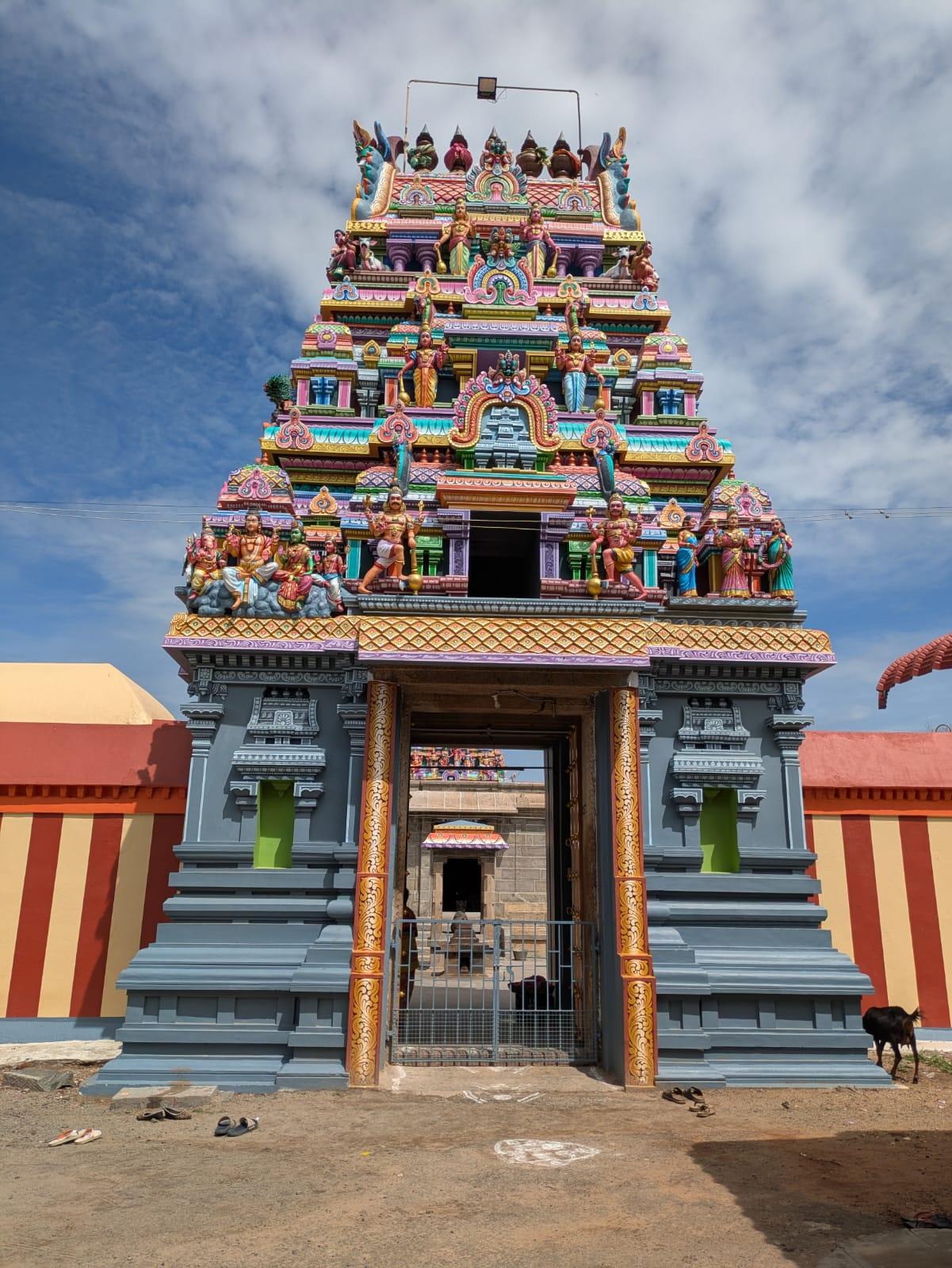
Nestled in the serene village of Koilvenni in Tamil Nadu, the Karumbeswarar Temple stands as a beacon of hope and faith for those seeking diabetes care through spiritual healing. Known widely as India’s “Diabetes Temple,” this ancient shrine has become a pilgrimage site for thousands who believe in the power of sacred rituals associated with sugar and ants. Devotees gather to perform unique offerings, casting sugar into the ant-laden grounds, with many reporting improved blood sugar levels, attributing their faith-based healing to the divine blessings of Lord Karumbeswarar. As a revered site among Tamil Nadu temples, the Karumbeswarar Temple exemplifies the intersection of tradition, folklore, and health, drawing believers and curious travelers alike. This captivating place not only enriches the local culture but enhances the spiritual landscape of India, cementing its vital role in the lives of its visitors.
Located within the picturesque tapestry of Tamil Nadu, Karumbeswarar Temple, often referred to as the ‘Sugarcane Lord’s Temple,’ is a significant pilgrimage destination for many searching for relief from diabetes through traditional healing practices. With its age-old rituals incorporating sugar offerings and the veneration of sacred ants, this temple cultivates an environment where faith and folklore converge to foster a sense of community and healing. Renowned as a prime site among the region’s sacred places, it attracts seekers of wellness and spirituality, who come to engage in time-honored customs that reflect their beliefs in divine intervention. Echoing stories of transformative experiences spread across social media, the temple serves as a powerful testament to how deeply interconnected health and spirituality can be. As visitors embark on their journey to this revered site, they become part of a rich narrative woven into the broader cultural tapestry of Tamil Nadu.
Karumbeswarar Temple: A Spiritual Haven for Diabetics
The Karumbeswarar Temple, nestled in the serene village of Koilvenni, Tamil Nadu, has emerged as a beacon of hope for many individuals grappling with diabetes. Known affectionately as the ‘Diabetes Temple,’ it is believed that the spiritual rituals conducted here offer solace and healing to those suffering from high blood sugar levels. The temple’s unique belief system revolves around the sacred act of offering sugar and witnessing ants consuming it, symbolizing the release of ailments. Such practices illustrate the fusion of faith-based healing with traditional medical challenges, making it a unique pilgrimage destination for hundreds seeking relief.
Beyond its geographical location, this temple serves as a testament to how faith can influence health perspectives within communities. Many devotees claim that their visits, complemented by prayers and the sacred rituals practiced here, have led to significant improvements in their blood sugar levels. The Karumbeswarar Temple not only embodies a spiritual sanctuary but also highlights the role that Tamil Nadu’s temples play in cultural and health narratives. It stands as a poignant reminder of the holistic healing avenues explored by those engaged in diabetes care within a faith-based framework.
The Ancestral Wisdom of Ants and Diabetes Healing
At Karumbeswarar Temple, the presence of tiny ants plays a crucial role in the healing rituals associated with diabetes care. These little creatures are revered, and their consumption of sugar offerings symbolizes a unique form of spiritual healing. The act of scattering sugar for the ants to collect is seen by many devotees as a profound ritual representing faith in action. With each grain consumed, practitioners believe the ants are absorbing their health problems, particularly high blood sugar, providing a new perspective on the intersection of nature and health.
The sacredness attributed to ants within this temple’s practices reflects broader themes in Indian culture, where elements of nature are often personified and integrated into spiritual healing methods. Ritualistic interactions with the environment serve as a reminder of humanity’s connection with the natural world. As visitors engage in these sacred rituals, they not only seek physical healing but also openly embrace spiritual and emotional rejuvenation. This practice enriches the temple’s reputation as a vibrant hub of faith-based healing, inviting those from diverse backgrounds to participate in this unique cultural experience.
Personal Testimonies: Faith, Folklore, and Healing
Personal testimonies from individuals who have visited the Karumbeswarar Temple often share compelling narratives of spiritual and physical healing. Many pilgrims recount their journeys to this sacred site, detailing their struggles with diabetes and the transformative experiences they encountered along the way. These stories, filled with faith and hope, have gone viral on social media, showcasing a collective belief in the temple’s potent spiritual energy. Although the effectiveness of these rituals may lack scientific backing, the trust and hope that radiate from these testimonies highlight the temple’s impact on community health perspectives.
The allure of the Karumbeswarar Temple as a spiritual remedy underscores the rich tradition of storytelling in Indian culture, where experiences of faith and healing intertwine. Travelers leave with not just memories of a visit but with enriched spirits and newfound optimism about managing their health. This temple’s tradition, alongside the intertwining paths of diabetes care and spiritual healing, reflects broader themes found in Tamil Nadu temples, where devotion meets healing, creating a unique atmosphere that draws pilgrims from all walks of life.
How to Reach Karumbeswarar Temple: Your Guide
Visiting the Karumbeswarar Temple is relatively straightforward, thanks to its strategic location in Tamil Nadu’s Tiruvarur district. The nearest major airport, Tiruchirappalli International Airport, provides air connectivity for both domestic and international travelers. From there, one can easily find taxis or buses that connect directly to Koilvenni, making the temple accessible to all. For those preferring rail travel, Needamangalam Junction is only a few kilometers away, offering regular train services from major cities in Tamil Nadu, facilitating a hassle-free pilgrimage experience.
Moreover, for travelers driving to the temple, the well-maintained state highways make the journey smooth and pleasant. Local transportation options are available, enhancing accessibility for pilgrims and tourists. Whether arriving by air, rail, or road, the journey to Karumbeswarar Temple promises to be an enlightening adventure, drawing visitors into a realm where spirituality and healing blend seamlessly with cultural heritage.
The Best Time to Visit Karumbeswarar Temple
For those looking to immerse themselves in the spiritual ambiance of Karumbeswarar Temple, the ideal time to visit is between November and February. During these months, the weather in Tamil Nadu is generally cooler, making it more comfortable for pilgrims to engage in the various sacred rituals and spend time in prayer. This period not only encourages more visitors but also allows for a more enjoyable temple experience without the hindrance of extreme heat.
Additionally, these months often coincide with various local festivals and rituals, enriching the visitor experience. Engaging with these celebrations provides insight into the vibrant cultural tapestry that this temple represents. Therefore, planning a visit during this time frame allows pilgrims and tourists alike to witness the temple in its fullest glory while also participating in the sacred rituals that attract so many from far and wide.
Nearby Attractions: Exploring Tamil Nadu’s Heritage
While visiting the Karumbeswarar Temple, travelers can enrich their experience by exploring nearby heritage sites, further embracing the cultural significance of Tamil Nadu. The Brihadisvara Temple in Thanjavur, a UNESCO World Heritage Site, is a compelling destination just a short trip away. This magnificent temple showcases astonishing architecture and serves as a fundamental piece of Tamil Nadu’s spiritual landscape, similar to Karumbeswarar Temple, making it a perfect addition to any pilgrim’s itinerary.
Additionally, the temple-rich town of Kumbakonam is nearby, known for its numerous shrines and spiritual ambiance. This town offers visitors a chance to indulge in traditional Tamil culture and spirituality, adding depth to their pilgrimage. Likewise, Tiruvarur, another significant Shaivite pilgrimage center, welcomes visitors with its own unique rituals and traditions, ensuring that each traveler’s experience in this region is rich and fulfilling.
Frequently Asked Questions
How does visiting Karumbeswarar Temple in Tamil Nadu aid in diabetes care?
Visiting the Karumbeswarar Temple, also known as India’s Diabetes Temple, is believed by many devotees to assist in diabetes care. Located in the village of Koilvenni, this ancient temple dedicated to Lord Krishna employs a unique ritual involving sugar and sacred ants. Devotees scatter sugar for ants to consume, interpreting this act as a symbol of their diabetes being alleviated. Although these testimonials of spiritual healing are largely anecdotal, they highlight the temple’s significant role in fostering faith-based healing among visitors seeking relief from high blood sugar levels.
| Key Points |
|---|
| The Karumbeswarar Temple is located in Koilvenni, Tamil Nadu, known as India’s ‘Diabetes Temple’ due to its believed healing powers for diabetes. |
| This ancient temple is dedicated to Lord Shiva, who is worshipped as ‘Lord Karumbeswarar’, meaning ‘Lord of Sugarcane’, reflecting its association with sugar. |
| The temple features a unique ritual involving devotees scattering sugar for sacred ants, believed to symbolize the alleviation of diabetes. |
| Numerous anecdotal accounts exist of pilgrims claiming improvements in blood sugar levels after visiting the temple, although scientific validation is lacking. |
| Visitors can reach the temple via air, rail, or road, with the nearest airport in Tiruchirappalli and a nearby railway station at Needamangalam. |
| The best time to visit is between November and February, when the climate is more pleasant for travelers. |
| Nearby attractions include the UNESCO-listed Brihadisvara Temple and other temple towns like Kumbakonam and Tiruvarur. |
Summary
Karumbeswarar Temple is a revered site in Tamil Nadu that embodies the confluence of faith and folklore, drawing thousands each year with its promise of healing for diabetes through unique rituals. The temple, with its rich cultural heritage, stands not just as a spiritual haven but as a symbol of hope, where devotees believe that their ailments can be alleviated by offering sugar to sacred ants. While scientific evidence supporting these claims might be scarce, the faith of pilgrims reinforces the temple’s reputation, making it a significant landmark within India’s diverse religious landscape. Visiting Karumbeswarar Temple offers not only an opportunity for spiritual solace but also a glimpse into local traditions and the profound belief systems that enhance the Tamil Nadu experience.