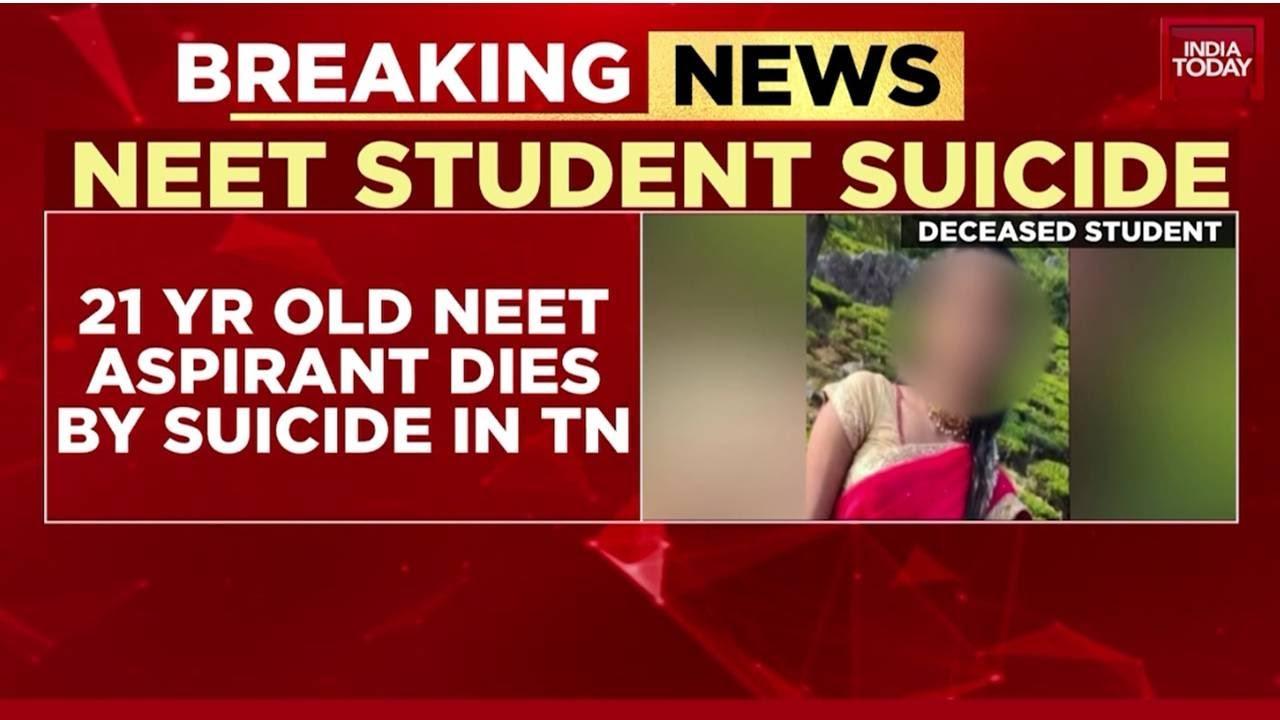
In recent years, the tragic phenomenon of NEET student suicides has captured national attention, underscoring the dire mental health crisis faced by aspiring medical students in India. As educational pressure mounts, the stakes of the NEET examination—often deemed a make-or-break moment—have increasingly led to devastating outcomes. Prominent figures such as Rahul Gandhi have voiced their concerns, questioning whether leaders like Prime Minister Narendra Modi, who recently celebrated his birthday with praises for Education Minister Dharmendra Pradhan, truly consider the plight of these young individuals. The recent NEET paper leak controversy has further exacerbated these issues, leading to calls for greater student accountability and systemic reform. As families mourn the loss of their children, it becomes imperative to address the underlying factors contributing to these tragedies and create a supportive environment for NEET aspirants.
The heart-wrenching reality of student suicides linked to medical entrance exams, particularly NEET, highlights a growing crisis in India’s educational framework. These incidents reflect a broader struggle among young scholars striving to fulfill their dreams in a competitive and often unforgiving environment. Leaders from various political backgrounds, including Rahul Gandhi, have drawn attention to the government’s responsibilities, especially amid controversies such as the NEET paper leak. With significant pressure placed on students, discussions around educational reform and accountability are more critical than ever. It is essential to foster a supportive atmosphere that nurtures not only academic excellence but also the well-being of these ambitious individuals.
The Impact of NEET Student Suicides on Aspirants and Their Families
The tragic phenomenon of NEET student suicides has become a heart-wrenching reality in India, reflecting the immense pressure faced by young aspirants. Each case represents more than just a statistic; it embodies a child’s ambition, their dreams, and the devastating blow to families who invest everything into their education. The emotional toll on families grappling with these losses often leads to community outrage and demands for accountability from government officials. The recent comments by Rahul Gandhi underscore this urgent need for a change in the educational system, which he argues is failing to protect the wellbeing of students pursuing competitive exams.
In response to the heartbreaking stories of these students, leaders like Rahul Gandhi have raised their voices, calling attention to not only the individual tragedies but also the systemic failures that culminate in such dire outcomes. The NEET-UG exam, designed to open doors to prestigious medical colleges, paradoxically becomes a source of despair for many. Each suicide draws attention to the immense psychological stress students experience, particularly in light of issues like the NEET paper leak controversy. It is crucial for educators and policymakers to acknowledge and address this mental health crisis while implementing reforms that prioritize both student success and emotional wellbeing.
Rahul Gandhi’s Critique of Government Accountability
Rahul Gandhi’s statements regarding Prime Minister Narendra Modi’s birthday greetings to Dharmendra Pradhan highlight a stark contrast between political celebrations and the somber reality of student hardships. Gandhi challenges the Prime Minister to reflect on the lives lost due to a system that seemingly ignores the pleas of struggling students. His call for accountability resonates widely, especially in light of recent controversies surrounding the NEET examinations, including the widely publicized paper leak incident that has left many students feeling disillusioned and betrayed by their leaders.
The need for accountability isn’t just a political catchphrase; it is a fundamental requirement for restoring trust in the educational system. With significant public interest surrounding the NEET-UG exam controversies, politicians are under increasing scrutiny. Gandhi’s recurring criticisms serve not only to rally support from students and their families but also to forge a narrative that demands concrete action from those in power. The message is clear: the government must prioritize the mental health of students and enact policies that create a supportive and fair environment for education, rather than celebrating individual achievements that ignore student struggles.
Responses to NEET-UG Paper Leak and Its Consequences
The NEET-UG paper leak controversy has created a cloud of mistrust over the examination process, raising questions about the integrity of the education system. With over 22 lakh students sitting for the examination on May 3, the cancellation of the exam just days later left many in limbo, leading to a spike in anxiety and frustration among aspirants. This sense of uncertainty is compounded by tales of NEET student suicides, which reflect the dire consequences of systemic failures. As student groups and opposition parties call for action and the resignation of officials involved, the call for genuine reform and accountability becomes louder.
In light of the NEET-UG paper leak scandal, demands for a more transparent and accountable educational framework have proliferated. Many believe that the government owes it to the students and their families to ensure that measures are put in place to prevent future incidents. The significant pressure placed on aspirants was underscored by Rahul Gandhi’s poignant remarks, which highlight the urgent need to address both the academic and psychological challenges students face in such high-stakes environments. Moving forward, stakeholders must come together to develop solutions that enhance student welfare and protect their futures.
The Role of Political Leadership in Student Welfare
Political leadership plays a critical role in shaping the policies and frameworks that govern education in India. As highlighted by the recent comments from influential figures like Rahul Gandhi, there is a pressing need for leaders to prioritize student safety and mental health over political accolades. By shedding light on the NEET student suicides and calling out the inaction surrounding the NEET-UG paper leak controversy, opposition leaders are not just seeking accountability; they are advocating for a systemic overhaul that considers the sociocultural pressures faced by students. It is essential for those in power to listen and engage with the families affected.
Moreover, political leaders like Modi and Pradhan must transcend ceremonial gestures and take actionable steps toward supporting academic infrastructures and student mental health initiatives. A commitment to improving the educational landscape—by ensuring fair examination practices and providing mental health resources—will help restore trust among students and parents alike. The call for transformational change in the education sector is more than just rhetoric; it demands a concerted effort from all leadership bodies to create an environment where students feel valued and supported.
Public Outcry and Its Influence on Policy Changes
The public outcry following incidents of NEET student suicides has sparked significant discourse around educational reform in India. Activism from students, parents, and various organizations has highlighted the failures of the current system and the vital need for change. Social media platforms have become forums for sharing stories and rallying support, amplifying voices that demand justice for the students lost and systemic reforms that prioritize mental health. Rahul Gandhi’s vocal criticism of government practices in this arena reflects a broader societal expectation that leaders respond with empathy and take decisive action to prevent further tragedies.
The influence of public sentiment cannot be underestimated; it acts as a catalyst for policy revisions aimed at safeguarding student welfare. In the wake of the NEET paper leak controversy, there have been calls for more stringent regulations surrounding examination integrity, but the focus must also extend to comprehensive mental health support systems. As pressure mounts on political leaders to act decisively, it remains to be seen how effectively they will respond to the collective calls for change from the public and whether actionable policies will emerge from this dialogue.
Mental Health Resources and Support for Students
The increasing incidents of NEET student suicides point to a critical gap in mental health resources and support for students navigating the educational system. Acknowledging the immense pressure faced by students preparing for high-stakes examinations, mental health professionals and educators emphasize the importance of providing comprehensive support mechanisms. This includes access to counseling services, stress management workshops, and creating a culture that encourages open discussions around mental health issues. Only by equipping students with the necessary tools to cope with academic pressures can we hope to reduce these tragic occurrences.
Furthermore, initiatives that focus on building resilience among students will help create a more supportive learning environment. Schools and educational institutions should collaborate with mental health experts to implement programs that address the emotional and psychological needs of students. By prioritizing mental health, we not only enhance student wellbeing but also improve academic performance and retention rates, fostering a healthier educational ecosystem. The intersection of mental health support and academic success thus becomes a pivotal area deserving of urgent attention.
Systemic Changes Needed in India’s Education Framework
The concerns raised regarding NEET student suicides and the NEET-UG paper leak scandal highlight the urgent need for systemic changes within India’s educational framework. The current structure often places enormous emphasis on rote learning and examination outcomes, neglecting the overall development and wellbeing of students. As educational leaders call for reform, it is imperative to cultivate a more holistic approach that prioritizes not just academic achievement but also the emotional and psychological health of students. Addressing these aspects can lead to a more balanced and productive learning experience.
One crucial area that requires attention is ensuring accountability among educational bodies and stakeholders. Accountability can create a culture of responsibility that helps safeguard student welfare. By acknowledging past failures, the government can chart a path for meaningful reforms that are informed by student needs and experiences. The discourse initiated by figures like Rahul Gandhi reiterates the importance of holding leaders accountable and making informed decisions that impact the future of young aspirants in India.
Civic Responsibility and Educational Advocacy
As incidents of NEET student suicides and educational controversies become public knowledge, there is an increasing call for civic responsibility and advocacy within society. Stakeholders, including parents, educators, and students themselves, must engage in conversations about the challenges within the educational system and actively seek reform. Advocacy efforts can take many forms, from peaceful protests to community discussions aimed at raising awareness about the pressures impacting students, especially in competitive landscapes like NEET prep.
Such civic engagement not only empowers students but also creates a collective voice that can influence policymakers. By mobilizing support around critical issues, advocates can help drive systemic change in education practices that prioritize student wellbeing. Rahul Gandhi’s advocacy for accountability sets a precedent for others to follow, emphasizing that when individuals come together for a common cause, they can effect significant change in policies and practices that impact educational success.
The Future of Education: Promoting Resilience and Success
With the growing awareness surrounding the mental health crisis among students, the future of education must focus on resilience and overall success. By integrating mental health education into school curriculums and promoting dialogue around academic pressures, we can foster an environment where students feel supported. Preparing students not only for exams like NEET but also for the emotional challenges associated with them is critical in ensuring they can manage stress and navigate their journeys towards higher education.
Additionally, educational systems should embrace flexibility in assessment methods that value creativity and critical thinking over high-stakes testing. By doing so, students may feel empowered to explore their interests and strengths without the accompanying fear of failure. By shifting the focus from mere quantitative evaluations to a more nuanced understanding of student capabilities, we create pathways for diverse talents and pave the way for a brighter future in education.
Frequently Asked Questions
What impact did the NEET student suicides have on recent comments made by Rahul Gandhi regarding Modi’s birthday wishes?
Rahul Gandhi criticized Prime Minister Modi’s birthday wishes for Union Education Minister Dharmendra Pradhan, questioning whether the PM had considered the tragic NEET student suicides linked to the NEET-UG paper leak controversy. He emphasized that every victim had aspirations and families affected by a flawed education system, highlighting the urgent need for accountability in the wake of these tragedies.
| Key Point | Details |
|---|---|
| Rahul Gandhi’s Criticism | Rahul Gandhi questioned PM Modi’s concern for NEET-linked student suicides during a birthday message to Dharmendra Pradhan. |
| Impact of NEET Suicides | Gandhi highlighted that each student who died had dreams and futures ruined by systemic failures. |
| Government Accountability | Calls for accountability from the government in connection with the NEET-UG paper leak and student suicides. |
| PM Modi’s Birthday Message | Modi praised Pradhan for his efforts in implementing the National Education Policy without acknowledging student deaths. |
| Calls for Action | Student groups and opposition are demanding Pradhan’s resignation over the NEET incident. |
Summary
NEET student suicides highlight the tragic consequences of systemic failures in India’s education system. In recent discussions, Congress leader Rahul Gandhi has brought attention to the plight of aspiring medical students who took their own lives in connection to the NEET-UG paper leak issue. His emotional appeal underscores the immense pressure placed on these students, who are often faced with unattainable dreams amidst a flawed system. As Gandhi pointed out, each name on the list of victims represents a life cut short by a combination of governmental negligence and the intense competition inherent in the NEET examination process. The ongoing demands for accountability and reform signal a growing recognition of the urgent need to address these critical issues within the educational framework, ensuring that the tragedies of NEET student suicides do not continue to repeat.