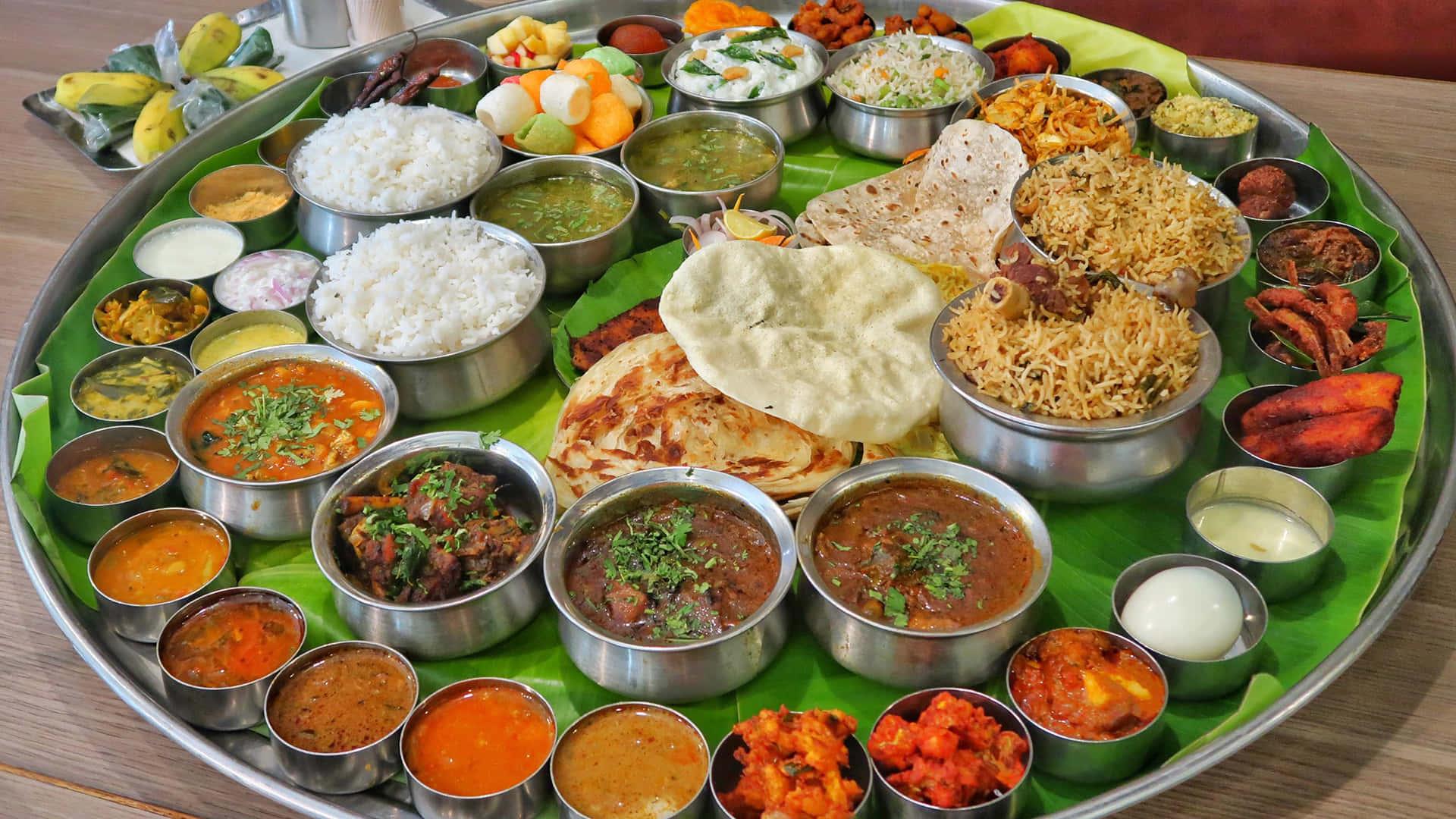
Ancient Indian Royal Foods offer a glimpse into the opulent culinary traditions that once graced the palaces of kings and queens. These exquisite dishes not only provided sustenance but were a celebration of luxury, intricately prepared with the finest ingredients and devoted care. From velvety kheer to aromatic ghee-soaked rice, the royal cuisine of India showcases a rich tapestry of flavors that have transcended time. Often accompanied by lavish feasts adorned with foods loved by kings, these recipes reveal the depth of Indian food history and its cultural significance. As we delve into this historical gastronomic journey, we unearth the delightful stories behind royal feasts in India that have shaped contemporary dining experiences in modern households.
Exploring the delectable world of Imperial Indian delicacies reveals how food was a symbol of power and prestige in bygone eras. Renowned for their extravagant banquets, royal kitchens curated a variety of traditional Indian dishes that showcased culinary artistry and sophistication. Many of these prized meals featured ingredients that reflected the seasons, with a focus on freshness and distinct flavors that delighted the senses. Dishes like sweet laddoos, richly flavored kheer, and stuffed flatbreads were not just sustenance but a reaffirmation of cultural pride and heritage. Let’s embark on a flavorful journey to learn more about the sumptuous fare cherished by royalty in ancient India.
Exploring Ancient Indian Royal Foods
Ancient Indian royal foods reflect a rich tapestry woven with culinary traditions that date back centuries. These dishes not only satiated the cravings of kings and emperors but also represented the grandeur of royal feasts. The royal cuisine of India was characterized by meticulous preparation and the use of the finest ingredients, including aromatic spices and rich dairy products like ghee and milk. Each meal served at the palaces was not merely about nourishment; it was an event that celebrated opulence and the skill of master chefs who served royalty.
The legacy of royal foods is evident in today’s traditional Indian dishes. Ingredients like saffron—once reserved for palatial kitchens—continue to find their way into celebratory meals across the country, embodying the indulgence that ancient kings experienced. For instance, kheer, a dessert beloved by emperors, remains a staple in homes celebrating anniversaries and festivals, serving as a link to a culinary history that glorified both flavor and symbolism.
The Sweet Delights of Royal Feasts
No royal feast in ancient India was complete without the rich and creamy dessert known as kheer. This sumptuous dish, made from slow-cooked rice and milk, was often infused with cardamom and topped with a generous sprinkling of nuts and saffron. Symbolizing prosperity and abundance, kheer transcended mere dessert status to become a centerpiece at celebrations, serving as a reminder of the joyous occasions that brought together family and friends under one roof. Its enduring popularity is a testament to the flavors that have been cherished throughout Indian food history.
As another highlight of royal ceremonies, laddoos came to symbolize celebrations and joyous gatherings. Crafted from an array of ingredients such as roasted gram flour, ghee, and rich spices, these small confections became the go-to dessert for festive occasions. They not only showcased the sophisticated palates of kings but also reflected the hospitable nature of Indian culture, where sharing sweet treats was a gesture of goodwill. Today, laddoos continue to be integral to celebrations, representing the delicious legacies of royal kitchens with every bite.
The Richness of Ghee and Rice Dishes
In royal kitchens, rice transformed into a canvas for culinary artistry, where it was treated with the utmost reverence. Long before the biryani gained popularity, various ghee-soaked rice dishes were already gracing royal tables, exhibiting a blend of flavors achieved through the slow cooking of fragrant rice with dried fruits and spices. This meticulous cooking process enhanced the natural sweetness and aroma, making the rice the centerpiece of royal meals that celebrated abundance, luxury, and attention to detail—an aspect treasured in the royal cuisine of India.
These rice dishes are not just relics of the past but continue to influence contemporary Indian cooking. Kitchen aficionados and home cooks attempt to recreate the gastronomic magic of ancient recipes by incorporating traditional techniques and locally sourced ingredients. This evolution ensures that the divine essence of ghee-soaked rice serves not only as nourishment but also as a reminder of the extraordinary legacy that ancient kings cherished at their dining tables.
Mangoes: The Royal Fruit of India
The mango, often termed as the ‘king of fruits’, has held a revered position in Indian culture for centuries, particularly among ancient royal families. This beloved fruit was meticulously cultivated in royal orchards, reserved for the most esteemed guests and regal banquets. Its lusciousness and sweetness made mangoes a symbol of indulgence and a testament to the agricultural expertise that flourished in ancient India. The kings’ patronage of this fruit led to the discovery of various varieties, each celebrated for its unique flavor and aroma.
Mangoes also played a significant role beyond mere indulgence; they were incorporated into an array of dishes, from refreshing drinks to rich desserts, enhancing the royal feasts of the time. Their preservation techniques allowed mangoes to be enjoyed throughout the year, becoming a staple at celebratory events and reinforcing their status as nature’s royal indulgence. Today, the seasonal excitement surrounding mangoes remains vibrant in Indian culinary traditions, echoing the admiration kings had for this extraordinary fruit.
Game Meat: A Taste of Royal Hunting Adventures
Hunting, once a grand pursuit of kings, resulted in the acquisition of prized game such as venison, quail, and wild boar, which were celebrated in royal banquets. The royal kitchens would transform these wild catches into exquisite dishes, slow-cooked with aromatic spices, elevating the meat to a luxurious delicacy. This culinary tradition signifies not only the power and dominance of kings but also the refined tastes that characterized the royal cuisine of India, where meat preparation became an art form in its own right.
The prestige associated with game meats also ties into the broader narrative of Indian food history, illustrating how ancient culinary practices evolved alongside cultural norms. While some dynasties embraced vegetarianism influenced by spiritual beliefs, those that indulged in meat demonstrated their wealth and status through lavish feasts featuring the freshest game. These culinary practices have inspired modern-day Indian dishes, celebrating this luxurious aspect of royal gastronomy, albeit in a more accessible manner.
Comforting Flatbreads: Simplistic Royal Pleasures
In the realm of ancient Indian royal cuisine, the rich, yet uncomplicated stuffed flatbreads known as puran poli brought a unique charm to meals. Filled with a blend of sweet lentils and jaggery, then generously brushed with ghee, these flatbreads exemplified the comfort and satisfaction that could be achieved from simple ingredients. They served as both a staple and a delicacy, often making appearances at festivities where they were savored alongside various curries and dishes—reflecting the balance of flavor and warmth that defined royal dining.
Richly flavored and subtly enhanced with cardamom, puran poli continues to thrive in Indian homes today. This enduring popularity speaks to the timeless appeal of ancient recipes that combine simplicity with delicacy. Modern chefs often pay homage to traditional techniques, ensuring that this once-royal bread retains its status as a beloved offering at family gatherings and celebrations, bridging the gap between past and present culinary practices.
Royal Celebrations and Seasonal Influences on Food
Royal feasts were not merely reflections of wealth; they were timed celebrations that marked the changing seasons and agricultural bounty. Each dish served told a story of the land and its produce, showcasing the unique agricultural expertise of different regions across ancient India. Seasonal vegetables, fresh herbs, and ripe fruits would be meticulously incorporated into the royal menu, affirming the connection between nature’s cycles and royal celebrations. This attention to seasonal ingredients reinforced the notion that food was a celebration of life, abundance, and hospitality.
In this culinary tapestry, the preparation of meals was regarded as an art form, a way for royal chefs to display their exceptional skills and creativity. Many recipes were guarded secrets passed down through generations, cementing their place in Indian culinary heritage. As we savor the flavors of these ancient practices today, we see how the seasonal influence on foods continues to resonate in both festive and everyday cooking, paying homage to the sumptuous legacy left behind by once-mighty royal kitchens.
Frequently Asked Questions
What are some traditional Indian dishes loved by kings in ancient Indian royal foods?
Ancient Indian royal foods featured a variety of traditional dishes cherished by kings. Some of the most notable include creamy kheer, which symbolized prosperity, ghee-soaked rice dishes that highlighted rice as the central element of royal meals, and elaborate stuffed flatbreads like puran poli. Additionally, the royal delicacy of wild game and the sweet indulgence of laddoos were staples at royal feasts. These dishes not only showcased the culinary prowess of palace kitchens but also reflected the rich Indian food history cherished across generations.
| Food Item | Description |
|---|---|
| Kheer | A creamy dessert made of rice simmered in milk, flavored with saffron, cardamom, and nuts, symbolizing prosperity. |
| Ghee-Soaked Rice Dishes | Luxury rice dishes cooked with ghee, spices, and dried fruits, making rice the star of royal dining. |
| Wild Game | Hunted meat, such as venison and wild boar, often roasted with spices, representing regal power and luxury. |
| Mangoes | Fresh and preserved mangoes from royal orchards, cherished by kings and served as a symbol of hospitality. |
| Stuffed Flatbreads | Comforting flatbreads with sweet lentil fillings, brushed with ghee, showcasing simple yet elevated flavors. |
| Laddoos | Popular bite-sized sweets made from roasted flour and nuts, enjoyed at celebrations and ceremonial events. |
Summary
Ancient Indian Royal Foods evoke a sense of history and luxury that defined the dining experiences of kings and queens. The rich flavors and unique culinary techniques used in royal kitchens created tantalizing dishes that are still celebrated today. From the delightful kheer to the elaborate ghee-soaked rice dishes and the sensory pleasure of ripe mangoes, these foods represent not only the lavish taste of royalty but also the cultural richness of India. Each dish tells a story of tradition, hospitality, and the artistry involved in creating meals fit for a throne, ensuring that ancient practices continue to inspire modern cuisine.