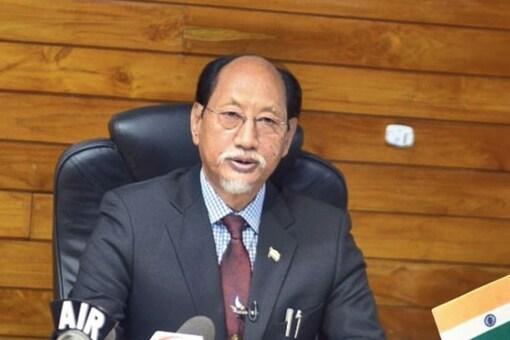
Nagaland Chief Minister Neiphiu Rio recently reaffirmed his commitment to protecting the Naga identity, a vital aspect of the state’s rich cultural tapestry. Speaking at the inauguration of the Kohima Village Multipurpose Building, he highlighted the importance of the Inner Line Permit (ILP) system in preserving the integrity of indigenous communities. As he addressed the locals, Rio emphasized the crucial role of traditional village governance, urging councils to certify indigenous status accurately. With the backing of constitutional safeguards like Article 371A and the Bengal Eastern Frontier Regulation (BEFR), 1873, Rio aims to fortify the unique Naga identity against external pressures. His call for community collaboration resonates deeply with the people, reinforcing the significance of local governance in maintaining their cultural heritage and identity throughout Nagaland.
The recent statements from the Chief Minister of Nagaland, Neiphiu Rio, shed light on pressing issues surrounding the preservation of Naga heritage and community identity. Emphasizing the need for stronger enforcement of the Inner Line Permit mechanism, Rio’s remarks resonate with the aspirations of many who cherish their indigenous roots. The discussion around village governance highlights a traditional approach to leadership, advocating for methods that foster communal consensus over electoral conflicts. Furthermore, the establishment of facilities like the Kohima Village Multipurpose Building represents a step towards promoting unity and cultural exchange among Nagas. As the state progresses towards a more inclusive and well-documented societal framework, the importance of safeguarding the Naga identity becomes ever more apparent.
Safeguarding Naga Identity Through Inner Line Permit Enforcement
Nagaland Chief Minister Neiphiu Rio has been vocal about the need for a robust enforcement of the Inner Line Permit (ILP) system, viewing it as essential for maintaining the unique Naga identity. The ILP is not just a regulatory requirement; it symbolizes the safeguards that protect the indigenous people of Nagaland from encroachment. By emphasizing the role of village councils in this framework, Rio underlines the power vested in local governance. These bodies are tasked with verifying indigenous status, a critical function that ensures the community maintains its cultural integrity amid increasing external influences.
In his remarks, Rio elucidates how the ILP serves as a bulwark against the dilution of Naga identity, allowing only indigenous individuals to participate in the socio-economic landscape of Nagaland. The integration of traditional safeguards under Article 371A and historical regulations like the Bengal Eastern Frontier Regulation, 1873, creates a sturdy backbone for these laws. Village councils, as the custodians of Naga culture, must actively engage in documenting non-local residents to prevent misuse of indigenous certificates. This collective effort is vital not only for preserving the unique cultural identity of the Nagas but also for fostering a spirit of community among village governance systems.
The Role of Village Councils in Naga Customary Laws
Village councils have been pivotal in upholding Naga customary laws, with Neiphiu Rio advocating for their continued authority in village governance. The Chief Minister’s support for a consensus-driven decision-making model rather than an electoral system reflects a commitment to tribal unity and harmony among the Naga people. By allowing these councils to maintain control over indigenous certification, the integrity of the Naga identity is preserved in the face of external pressures.
Rio’s emphasis on traditional governance systems is a recognition of the deep-rooted cultural heritage found in villages like Kohima. These institutions not only provide governance but also foster community cohesion through shared customs and practices. As leaders in their respective communities, village councils play an irreplaceable role in guiding development initiatives tailored to local needs, reaffirming the idea that the welfare of Nagaland is best served when decisions reflect indigenous perspectives and practices.
Kohima Village Multipurpose Building: A Symbol of Unity
The inauguration of the Kohima Village Multipurpose Building marks a significant achievement in fostering community spirit among the Nagas. Chief Minister Neiphiu Rio heralded this project as a center for cultural and social gatherings that would benefit not only the residents of Kohima Village but all Naga tribes. Such establishments serve as physical embodiments of unity and brotherhood, reinforcing the notion that shared spaces for dialogue and collaboration are essential for Naga society.
This multipurpose facility also reflects the collaborative efforts between the Centre and the state government. By providing financial support to the Kohima Village Council, the state emphasizes the importance of investing in local infrastructure that enhances community connectivity. With plans to equip the building with modern amenities, Rio is not only fostering a venue for community events but also creating opportunities for skill development and local entrepreneurship. Such initiatives are crucial in ensuring that cultural identity continues to thrive alongside modern economic demands.
Public Cooperation for Accurate Census Data
As Nagaland prepares for the upcoming 2027 Census, Chief Minister Neiphiu Rio has called for public cooperation to ensure accurate population data collection. Recognizing the impact that inflated census figures have had on resource allocation and development planning, Rio’s appeal is aimed at civil society organizations, churches, and local councils to facilitate this critical process. Accurate census data is a foundation for effective governance and sustainable development, and the involvement of the community is paramount in achieving this goal.
Rio’s concerns highlight the importance of grassroots participation in governance, particularly in how census data influences vital sectors such as education and welfare. The Chief Minister’s call to action underscores a broader message about collective responsibility in shaping the future of Nagaland. By striving for accuracy in demographic data, the government can better plan initiatives that reflect the true needs of its citizens, thereby enhancing overall welfare and community development.
Empowering Youth Through Skill Development Programs
Neiphiu Rio’s advocacy for youth empowerment through skill development initiatives exemplifies a proactive approach to socio-economic challenges in Nagaland. The Chief Minister has encouraged young people to take advantage of government programs that provide training and financial support for entrepreneurship. With financial assistance readily available, trained individuals can establish businesses that not only contribute to the local economy but also create job opportunities for their peers.
Such programs are vital in a region where traditional livelihoods may no longer suffice, offering a pathway for youth to engage in sustainable development. The focus on skill development enables young Nagas to harness their potential while also preserving their cultural identity through entrepreneurship. In doing so, these initiatives promote financial independence and contribute to the broader community’s resilience and prosperity, ensuring that the younger generation plays a critical role in shaping the future of Nagaland.
Financial Assistance for Community Health Initiatives
The Chief Minister’s Health Insurance Scheme (CMHIS) has transformed health care accessibility for the people of Nagaland, with Neiphiu Rio highlighting over 1.7 lakh beneficiaries enrolled under this program. By investing more than Rs 228 crore in cashless treatment initiatives, the state government is actively working to alleviate health-related financial burdens among its citizens. Such comprehensive health programs exemplify a commitment to improving quality of life and accessibility to essential services in the state.
Rio’s emphasis on maximizing CMHIS participation sheds light on the ongoing need for public awareness and education regarding available health services. By encouraging citizens to leverage these programs, the government aims to ensure that vulnerable populations receive the support they need. This strategic approach towards community health not only improves overall well-being but also aligns with the broader goal of fostering a resilient and healthy society among the Nagas.
Navigating the Future of Naga Identity in Modern Governance
As Nagaland stands at the crossroads of tradition and modernization, Chief Minister Neiphiu Rio’s vision for the future emphasizes the preservation of Naga identity within contemporary governance frameworks. By reinforcing cultural heritage through legal safeguards like the Inner Line Permit, the state’s approach highlights the importance of balancing development with the preservation of indigenous heritage. This duality is vital as Nagaland navigates the challenges posed by globalization and modernization.
Rio’s advocacy for traditional forms of governance, such as consensus-driven village councils, reflects a commitment to maintaining the unique social fabric of Naga society. By ensuring that decision-making remains rooted in Naga culture, the Chief Minister fosters an environment where indigenous identity is not only recognized but celebrated. This strategic approach offers insights into how Nagas can embrace the future while staunchly guarding their cultural and linguistic identities, ensuring a harmonious coexistence of the old and the new.
Community Development Through Collective Effort and Infrastructure
Community development initiatives in Nagaland gain significant momentum through collective efforts, as emphasized by Neiphiu Rio during his various addresses. Inauguration projects like the Kohima Village Multipurpose Building symbolize more than just infrastructure; they represent the collective aspiration of the Naga people to create spaces that facilitate growth and collaboration. By bringing together resources from both state and central governments, such projects demonstrate a unified commitment to the welfare of the people.
Rio’s leadership in these initiatives showcases a roadmap for sustainable development that hinges on community involvement. By encouraging the participation of village councils and local stakeholders, he emphasizes that transformative change is achievable when everyone collaborates towards a shared vision. This model can be instrumental for other regions facing similar socio-political landscapes, proving that community-driven approaches can lead to meaningful improvements in living standards and a revitalization of traditional governance systems.
Celebrating Naga Culture Through Infrastructure and Events
Celebrating Naga culture is paramount, and the establishment of venues like the Kohima Village Multipurpose Building serves as a pivotal element in this endeavor. Chief Minister Neiphiu Rio’s emphasis on cultural events underscores the importance of communal spaces where traditions can be preserved and showcased. The multipurpose building is designed to cater to various community events, thus fostering a sense of belonging and cultural pride among the Nagas.
Rio’s commitment to ensuring that such facilities are equipped with modern amenities is a recognition of the evolving needs of the community while respecting tradition. The ability to host cultural events provides opportunities for nurturing the Naga identity, bringing together various tribes and enabling rich cultural exchanges. As these venues become focal points for community engagement, they play a crucial role in keeping Naga heritage vibrant and relevant for future generations.
Frequently Asked Questions
What are Neiphiu Rio’s plans for the Inner Line Permit system in Nagaland?
As Nagaland Chief Minister, Neiphiu Rio has reaffirmed his commitment to stronger implementation of the Inner Line Permit (ILP) system. He emphasized the importance of collective efforts from village councils and the public to safeguard the indigenous identity of the Nagas. By ensuring proper documentation of non-local residents, the enforcement of the ILP can be strengthened, thus preserving Nagaland’s unique cultural heritage.
| Key Points |
|---|
| The Nagaland Chief Minister, Neiphiu Rio, reaffirms the commitment to safeguard indigenous Naga identity through stronger ILP implementation. |
| Rio highlighted the importance of constitutional safeguards under Article 371A and the BEFR, 1873, for preserving Naga customs and governance. |
| Emphasis on village councils as the competent authorities to certify indigeneity and regulate non-local residency status. |
| Call for collaboration among various stakeholders to ensure proper documentation of non-locals to prevent the misuse of indigenous certificates. |
| Stress on accurate population data for effective planning and resource allocation ahead of the 2027 Census. |
| Defense of traditional village governance systems through consensus and selection over electoral politics. |
| The inauguration of Kohima Village Multipurpose Building symbolizes unity, providing a venue for various community events. |
| Encouragement for youth to engage in government skill development and entrepreneurship schemes. |
| Introduction of the Chief Minister’s Health Insurance Scheme with over 1.7 lakh beneficiaries and significant state investment in health. |
| Announcement of additional funding for equipping the multipurpose building to enhance community resources. |
Summary
The Nagaland Chief Minister, Neiphiu Rio, played a pivotal role in reaffirming the state’s dedication to preserving the indigenous identity of the Naga people. His recent address emphasized the need for robust enforcement of the Inner Line Permit system, promoting collaboration between village councils, local institutions, and the public. Highlighting the unique cultural heritage guaranteed by the Constitution under Article 371A, Rio passionately advocates for the preservation of Naga customs and village governance systems that promote unity instead of electoral divisions. With the inauguration of the Kohima Village Multipurpose Building as a cornerstone for community gatherings, he calls upon Nagas to engage in local initiatives that support economic development and health insurance schemes. Overall, Rio’s vision seeks to bolster the foundational aspects of Nagaland’s identity while ensuring comprehensive growth and responsible governance.