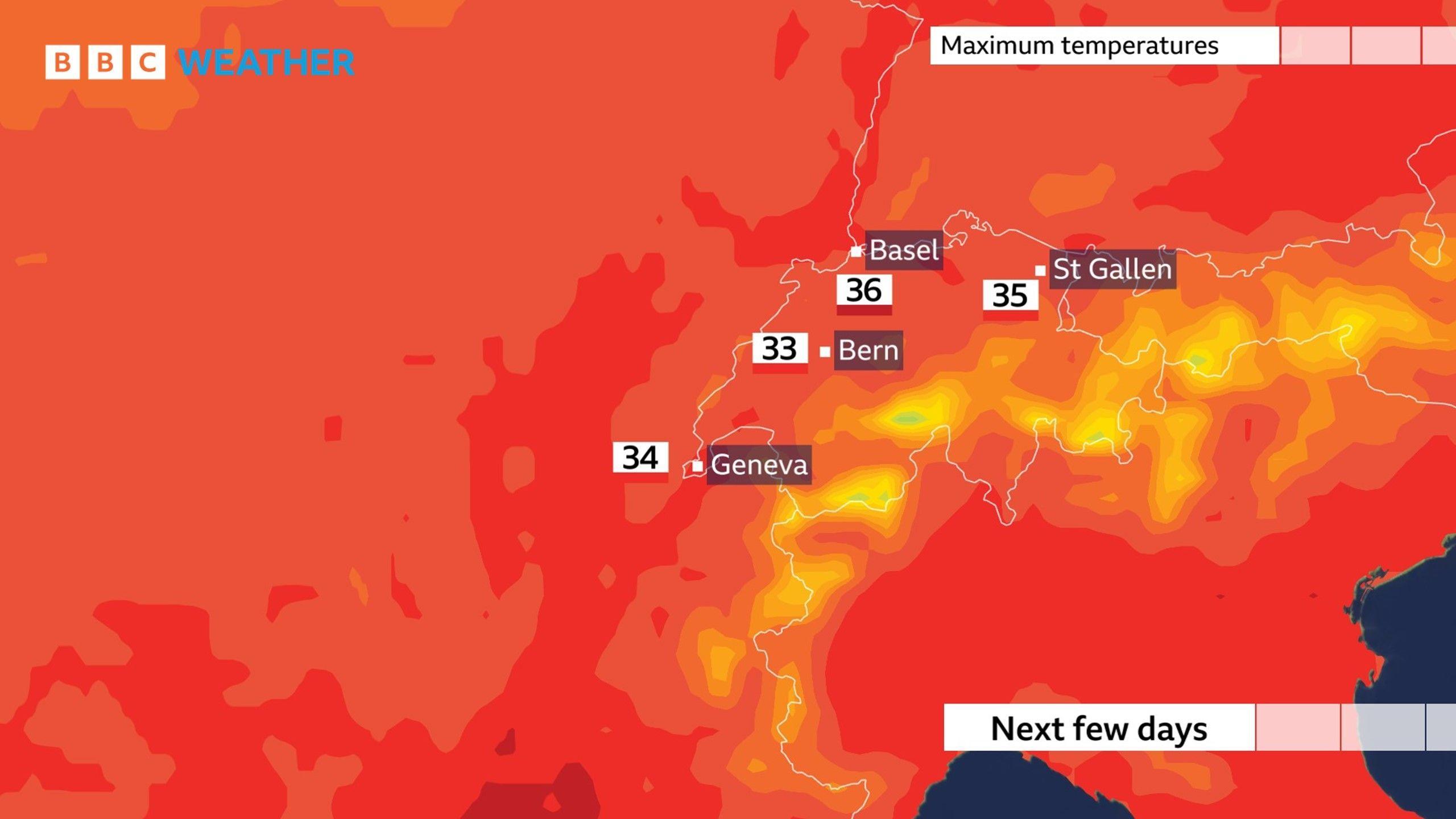
Swiss glaciers melting at an alarming rate is a stark indicator of the climate crisis impacting our planet. As Europe experiences a record-breaking heatwave, scientists warn that the ongoing conditions will exacerbate the glacier loss in the Swiss Alps, with this year poised to break previous records. Such extreme weather events, influenced by climate change effects, are altering the landscape of these majestic mountains, leading to concerns about water supply and biodiversity. Not only has the melting been accelerated by warmer temperatures, but additional factors like Sahara dust impact are contributing to this environmental crisis. If current trends persist, the iconic glaciers of Switzerland face a grim future, underscoring the urgent need to address climate change.
The alarming rate at which Swiss glaciers are vanishing highlights a broader environmental concern echoing across our planet. The accelerated melting of these ice masses in the Alps is emblematic of a severe climate crisis, intensified by prolonged heat events throughout Europe. The ongoing shifts in weather patterns, coupled with insufficient snowfall and external elements such as dust from the Sahara, are compromising the integrity of these glaciers. With the historic patterns of glacier retreat observed in recent decades, an understanding of these phenomena is essential for managing the implications of glacier loss on ecosystems and human life. As we navigate this pivotal moment, the fate of these ice sheets serves as a crucial reminder of the intertwined nature of climate stability and regional resilience.
Impact of Swiss Glaciers Melting on Alpine Ecosystems
The melting of Swiss glaciers poses an imminent threat to Alpine ecosystems, which rely on these formations as a crucial water source. As glaciers recede, the availability of meltwater diminishes, jeopardizing the delicate balance of flora and fauna that thrive in this mountainous region. Species that are adapted to cold and wet conditions face the risk of extinction, as their habitats shrink and the ecosystem shifts towards warmer, drier environments. Moreover, the loss of glaciers can lead to an increase in sedimentation in rivers, which disrupts aquatic habitats and can adversely affect fish populations, further complicating the fate of local biodiversity.
Additionally, the accelerated melting of glaciers can lead to the emergence of previously submerged terrain, altering the landscape of the Alps. Vegetation patterns are likely to change as new areas become exposed, and nutrient dynamics within the soil evolve. This transformation presents both challenges and opportunities, as invasive species may capitalize on the changing environment while native species struggle to adapt. The interdependency among species means that the decline of one may cascade into broader ecological consequences, ultimately compromising the resilience of Alpine ecosystems.
Climate Change Effects on Swiss Glaciers
The ongoing climate crisis is manifesting visibly in the Swiss Alps, where increased temperatures have accelerated the rate of glacier melting. Studies indicate that the average temperature in the region has risen significantly, contributing to unstable weather patterns and extended heatwaves. Such extreme temperature fluctuations not only precipitate immediate glacier loss but also impact the overall health of surrounding ecosystems. Research shows that the current melt rate of Swiss glaciers could result in a drastic reduction of their mass by the end of the century, exemplifying the dire consequences of climate change on these natural resources.
Furthermore, scientists have correlated the severe heatwaves experienced in Switzerland with broader climate patterns, revealing an alarming trend: these extreme weather conditions are projected to become more frequent. This connection underscores the critical importance of addressing climate change, as failure to reduce greenhouse gas emissions could compound the problem, leading to irreversible glacier loss. The repercussions extend beyond environmental concerns, as diminishing glaciers threaten freshwater supplies for millions of people across Europe, highlighting the interconnectedness of climate issues and the necessity for urgent action.
Sahara Dust Impact on Glacier Melting
The phenomenon of Sahara dust reaching the Swiss Alps adds another layer of complexity to the already dire situation of glacier melting. Upon settling on the ice, this dust darkens the surface, decreasing reflectivity and causing the glaciers to absorb more solar radiation. As a result, the process of melting accelerates, exacerbating the already significant losses observed in recent years. The interplay of Sahara dust and warming temperatures illustrates how global climate interactions can have localized effects, demonstrating the vulnerability of glaciers that rely on pristine conditions to maintain their ice.
Scientists highlight that the presence of Sahara dust not only accelerates melting but can also influence local climate patterns by altering albedo effect dynamics. The accumulation of dust can create feedback loops that further sustain high temperatures in these regions. As the situation continues to evolve, understanding the impact of such dust storms becomes critical in predicting future glacier health and planning effective climate adaptation strategies. This complex interaction emphasizes the intricate relationships within Earth’s climate system and the urgent need for comprehensive research in mitigating glacier loss.
The Role of Heatwaves in Glacier Loss
Heatwaves have emerged as a pivotal factor in the ongoing decline of Swiss glaciers, driving unprecedented rates of ice and snow melting. This year’s extreme conditions have been noted for their intensity, with meteorological data indicating that warm spells are lasting longer and occurring with increasing frequency. Such prolonged warm periods lead to significant ice melting, resulting in what meteorologists refer to as ‘glacier loss day’—the point at which all winter accumulation has melted away. The implications of these heatwaves extend beyond mere glacier aesthetics; they represent warning signs of climate instability.
The interrelation between heatwaves and glacier health is defined by cumulative effects. Each subsequent heat event adds pressure on the remaining ice, creating a scenario where recovery becomes increasingly unlikely. Experts have warned that if this trend continues, we could witness the near-total disappearance of many glacial formations by the end of the century. This reality poses serious threats not only to the glacial ecosystems but also to vital watersheds that rely on glacier-fed rivers for their sustenance, underscoring the urgency of climate action.
Alps Glaciers at Risk: Future Projections
The future of the Alps glaciers is marked by uncertainty and alarming projections. With current models indicating that if warming trends persist, many glaciers may become entirely extinct by the end of the century, the implications are profound. The past few decades have already shown a stark decline in glacier volume, estimated at 38% since 2000. This decline not only alters the stunning landscapes of the Alps but also creates downstream consequences for the rivers and communities that depend on glacial meltwater during the drier summer months.
As scientists observe this alarming trend, they emphasize the urgent need for climate mitigation efforts. The risk that the Alps glaciers face isn’t merely a local concern; it resonates through regional water supplies and ecological health, impacting agriculture, wildlife, and human settlements across Europe. The situation calls for collaborative action to address climate change and its myriad effects, particularly in regions as vital as the Swiss Alps.
Historical Context of Glacier Retreat in Switzerland
Glaciers in Switzerland have been retreating for nearly two centuries, a trend that has escalated notably in the last few decades due to climate change. From the mid-19th century to the present, scientists have documented significant declines in glacial mass and volume, with recent years marking unprecedented levels of loss. This historical context provides critical insights into the broader implications of climate shifts, showcasing how long-term changes in temperature and precipitation patterns have cumulatively influenced glacier dynamics.
The implications of this historical retreat are multifaceted, ranging from changing landscapes to alterations in local climate conditions. As glaciers continue to shrink, the loss becomes not only a story of diminishing ice but also a narrative of transformed ecosystems and water resources. The ongoing trend serves as a stark reminder of the reality of climate change and the immediate need for strategies to protect these vital glacial environments, ensuring both their survival and the health of the ecosystems they support.
The Interaction of Climate and Glacier Dynamics
Understanding the interaction between climate variables and glacier dynamics is essential for predicting future changes in the Alps. Research highlights that rising temperatures coupled with increased variability in precipitation directly influence the health of glaciers. When winters are less snowy, or warmer temperatures prevail, glaciers are unable to replenish the mass needed to offset summer melt—a phenomenon often amplified by heatwaves. Such dynamics illustrate the complexity of glacier ecosystems and underscore the necessity of integrating climate science with glaciology.
In this context, researchers are increasingly applying climate models to assess the long-term viability of glacial systems in response to ongoing climate change. This proactive approach allows for informed decision-making in managing water resources, ecological communities, and tourism sectors that heavily depend on stable glacial environments. As the science of climate-glacier interactions advances, so too does our capacity to adapt to these changes, emphasizing the importance of ongoing research and sustainable practices.
Glacier Loss Day: A Wake-Up Call
The concept of ‘glacier loss day’ serves as a critical milestone in understanding the melting trajectories of Swiss glaciers. It marks the date when all accumulated snow and ice from the previous winter has melted away, with increasingly early occurrences signaling alarming trends linked to climate change. The repeated arrival of this day during the summer months highlights the urgent reality of glacial retreat in the context of heatwaves and altered precipitation patterns. This event not only reflects the immediate impacts of environmental change but also serves as a call to action for policymakers and communities alike.
Moreover, the implications of glacier loss day extend beyond the scientific community. By raising public awareness of the significance of these events, there is an opportunity to mobilize grassroots efforts for climate action. This awareness fosters a sense of responsibility towards environmental stewardship, encouraging individuals and organizations to participate in initiatives aimed at reducing greenhouse gas emissions and promoting sustainability. As glacier loss days continue to arrive earlier each year, they embody the urgent need for collective action to safeguard these critical natural resources.
Future of Swiss Water Supplies: An Alarming Concern
As the glaciers of Switzerland continue to melt at an alarming rate, the future of local water supplies becomes a pressing concern. These glaciers serve as natural reservoirs, providing essential meltwater that sustains rivers throughout the summer months. The escalating rates of glacier loss not only threaten regional water availability but also influence agricultural practices, hydroelectric power generation, and drinking water supplies for millions. The potential disruptions to these systems underscore the need for urgent action to mitigate climate impacts and adapt to changing water resource dynamics.
Additionally, the implications of diminishing glacial reserves extend further, affecting neighboring countries reliant on the same water systems. As the volume of glacial melt decreases, rivers vital to both humans and ecosystems risk running dry earlier in the season, leading to shortages and potential conflicts. This interconnectedness highlights the necessity for cooperative water management strategies across borders, emphasizing a regional approach to addressing the challenges posed by climate change and glacier retreat. The future integrity of Swiss water supplies hinges on timely interventions and collaborative efforts among local, national, and international stakeholders.
Frequently Asked Questions
How is climate change affecting Swiss glaciers melting?
Swiss glaciers are significantly impacted by climate change, which accelerates melting through rising temperatures and extreme heatwaves. In recent years, particularly during the severe heatwave in 2022 and again in 2026, the melting rate has increased dramatically. According to Glacier Monitoring in Switzerland (GLAMOS), the glaciers have lost 38% of their volume since 2000, largely because these prolonged heat periods hinder ice accumulation from snowfall, leading to an earlier ‘glacier loss day’ in the summer. Consequently, the overall glacier loss not only alters the landscape but also threatens water supplies for regions depending on meltwater from the Alps.
| Key Point | Details |
|---|---|
| Glacier Loss Day | Switzerland is expected to hit its ‘glacier loss day’ early, indicating that all snow and ice from winter has melted, marking an alarming trend. |
| Heatwave Effects | The ongoing heatwave in Europe has accelerated glacier melting rates, making them three months ahead of a typical melting season. |
| Record Conditions | This year’s extreme temperatures mimic the disastrous conditions of 2022, which recorded the highest glacier losses. |
| Impact of Dust and Snowfall | Less snowfall and Sahara dust have worsened conditions, reducing snow reflectivity and drastically increasing melting rates. |
| Climate Change Correlation | Scientists link the current heatwave with climate change, claiming such extremes are now 200 times more likely due to human activities. |
| Long-term Consequences | The rapid decline of glaciers threatens major river systems in Europe, like the Rhine and Rhone, which rely on meltwater. |
Summary
Swiss glaciers melting is a pressing issue exacerbated by climate change and extreme weather patterns across Europe. The alarming trend of glacier loss is not only redefining the landscape but also threatening water supplies for millions, as these glaciers feed major rivers essential for agriculture and drinking water. The recent heatwave and insufficient snowfall have contributed to an unprecedented rate of ice melt, highlighting the urgent need for action against climate change. Without significant intervention, future generations may witness the remnants of these majestic ice formations, a stark reminder of the past.