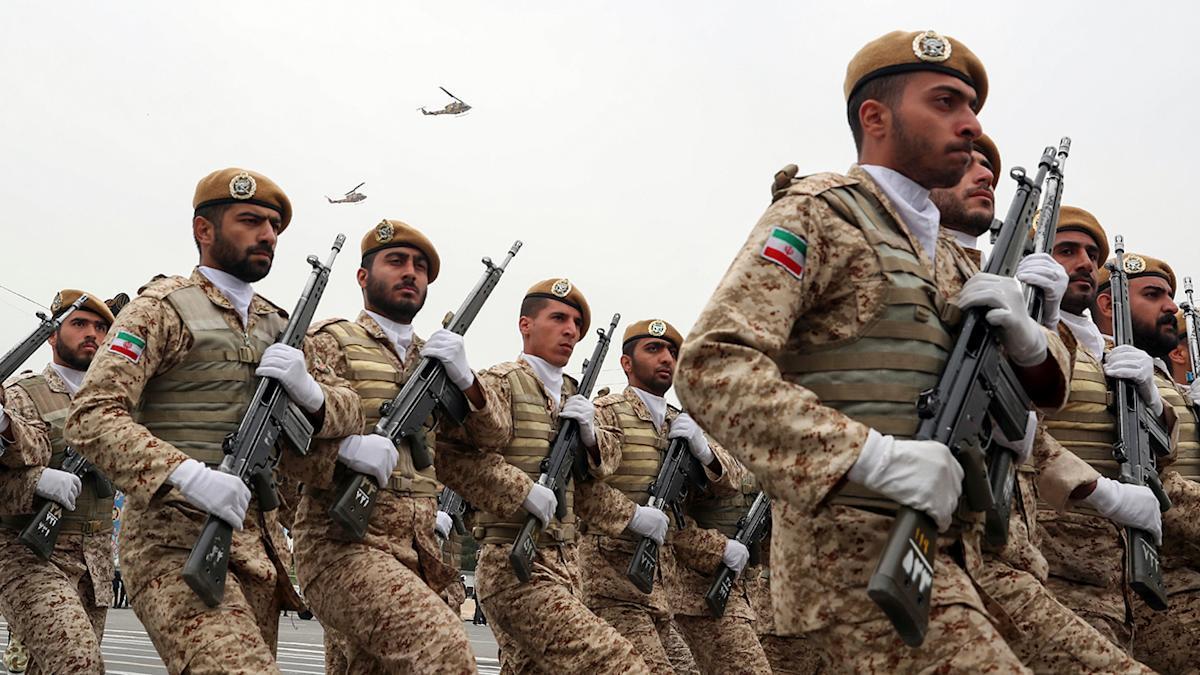
The US-Iran War has escalated tensions significantly in the Middle East, capturing the world’s attention as both nations exchange threats and military actions. Following a recent ceasefire, the fragile peace was shattered by US strikes on Iran after a drone attack allegedly initiated by Tehran on a commercial vessel in the strategically vital Strait of Hormuz. The Iranian military has since retaliated, with the Islamic Revolutionary Guard Corps (IRGC) asserting its capability and willingness to launch a broader response against US forces in the Gulf. As the conflict unfolds, broader implications entwine with US-Iran relations and the ongoing US Israel Lebanon framework, which seeks to establish stability in the region. This multifaceted conflict raises critical questions about diplomatic resolutions amidst the backdrop of rising military hostilities and reignited US Iran tensions.
In the realm of international relations, the hostilities between Washington and Tehran have resulted in significant geopolitical strife, often referred to as the US-Iran conflict, highlighting a battle over influence and territorial claims in the Middle East. This ongoing struggle has seen varying degrees of Iranian military response to US actions, further complicating an already volatile situation. With each US strike on Iranian positions, concerns grow regarding potential repercussions, including direct confrontations or the involvement of allied forces from Israel. The framework established between the United States, Israel, and Lebanon aims to facilitate peace and stability, yet these goals are consistently threatened by the underlying insurgencies and external interventions. As observers closely monitor developments, prioritizing diplomatic strategies is paramount to mitigating the risks of a full-scale war.
Escalating US-Iran War: The Strained Ceasefire
The ceasefire between the United States and Iran, established to stem the rising tide of conflict in the Middle East, now appears increasingly tenuous. Following the recent US strikes on Iranian military targets, tensions have soared, with both countries trading accusations of ceasefire violations. The IRGC’s retaliatory strikes on US military positions underscore the potential for a broader military confrontation. As each side maintains firm stances, the situation threatens to spiral further out of control, casting a shadow over attempts at diplomatic resolution and increasing the risk of escalation in the already volatile Middle East.
Amid the escalating US-Iran war, the ramifications extend beyond military action, influencing geopolitical dynamics in the region. The US asserts that its intervention is essential for safeguarding navigation rights in the strategically vital Strait of Hormuz, while Iran portrays its military responses as defensive measures against foreign aggression. This exchange of blows not only exacerbates existing tensions but also complicates peace efforts, as regional allies and opponents gauge their positions in light of increasing hostilities. A fragile peace hangs in the balance, with the consequences of continued aggression potentially resulting in wider regional destabilization.
Iran Military Response: Complications Ahead
In response to the latest American strikes, Iran’s military posture has shifted towards a more aggressive stance, with the IRGC promising significant retaliation. This assertion highlights the depth of Iranian resolve to safeguard its interests and deter perceived threats from Washington. The rhetoric from Tehran emphasizes its capacity for a ‘broader response’, which raises concerns among US officials and allies alike about potential escalatory actions that could entangle both nations in a prolonged conflict. The Iranian leadership’s commitment to military readiness amidst this tension underscores the belief that its national sovereignty is at stake.
Furthermore, the military developments have ramifications on the diplomatic front. Iran’s response could undermine any lingering hopes for dialogues aimed at de-escalation and may even empower hardline factions within the Iranian government that advocate for more aggressive military strategies. With Syria, Hezbollah, and other regional entities closely watching these developments, Iran’s calculated military response could provoke further involvement by regional powers and lead to a heightened cycle of conflict, moving the Middle East closer to a state of warfare that many fear could engulf neighboring countries.
US Strikes on Iran: Strategic Implications
The recent US strikes on Iranian military infrastructure, purportedly in retaliation for an Iranian drone attack, serve as a clear indication of the Pentagon’s strategy to project power and protect vital shipping lanes. The airstrikes targeted facilities crucial to Iran’s military capabilities, aimed at diminishing its threat to both regional allies and commercial interests. However, the act of military aggression invites not only potential retaliation from Tehran but further complicates the delicate balance of power in the region, fuelling an arms race and reviving fears of a broader military engagement.
In the aftermath of the US strikes on Iran, a significant ripple effect can be anticipated within the dynamics of Middle East conflict. As Iranian leadership reacts to what they deem an act of aggression, allies such as Hezbollah and other factions may feel compelled to respond or bolster their own military postures against perceived US imperialism. This interplay of regional actors may provoke a reconfiguration of alliances, with the potential to destabilize areas already fraught with complex military and political challenges, ultimately leading to a more fragmented Middle Eastern landscape.
The Israel-Lebanon Framework: Prospects for Peace
Amid the rising tensions between the US and Iran, the trilateral framework agreement between Israel, Lebanon, and the United States represents a potential breakthrough in regional diplomacy. The agreement aims to create a roadmap toward peace by addressing the disarmament of Hezbollah and restoring Lebanese sovereignty, which has long been undermined by militant groups. However, the success of this agreement hinges not only on its implementation but also on managing the existing hostilities with Iran and the intricate web of alliances that influence Lebanon’s internal dynamics.
Despite the optimism surrounding the Israel-Lebanon framework, hurdles remain, particularly with Hezbollah’s rejection of the agreement. By criticizing what they view as concessions to Israel, Hezbollah places itself at odds with the Lebanese government, which complicates the broader peace process. If the framework is to yield lasting stability, it will require a careful balancing act by all parties involved, ensuring that the concerns of all stakeholders, including Iran, are addressed, thereby minimizing further conflict and fostering a genuine avenue for peace in a historically tumultuous region.
Hezbollah’s Response: A Threat to Stability
Hezbollah’s outright rejection of the Israel-Lebanon framework highlights the complex geopolitical realities at play in the region. The group stands firm in its belief that any agreement detrimental to its interests will be met with resistance, which raises alarm bells for international observers seeking long-term peace. Hezbollah’s influence within Lebanon affirms its role as a key player, but its opposition to the framework could further entrench divisions within Lebanese politics, complicating the prospects for a united front aimed at implementing disarmament and sovereignty.
Moreover, Hezbollah’s threat to destabilize the region can have a cascading effect on US-Iran relations, as Iran remains a staunch ally of the group. With Hezbollah acting in defiance of US and Israeli interests, the potential for an escalation of military actions increases, further complicating the already precarious ceasefire between Iran and the US. As diplomacy endeavors navigate through these contentious waters, the presence of armed non-state actors like Hezbollah serves as a bedrock challenge in achieving not just regional peace, but stability throughout the Middle East.
Humanitarian Concerns Amidst the Conflict
Humanitarian issues are increasingly coming to the fore amid the US-Iran war and related regional tensions. A significant consequence of military actions and political disagreements is the deepening humanitarian crises that afflict civilian populations in and around conflict zones. With prolonged military engagement affecting not only military targets but also civilian infrastructure, the potential for loss of life and displacement is alarmingly high. Consequently, international organizations are called upon to address the urgent humanitarian needs fuelled by the ongoing military actions and to advocate for the protection of civilians caught between hostile forces.
Moreover, amid the geopolitical strife, efforts to repatriate victims of disasters like the Ras Laffan industrial accident demonstrate the delicate balance of maintaining diplomatic relations even amid bilateral hostilities. Humanitarian initiatives can sometimes open windows for dialogue, underscoring the need for sustained international engagement that prioritizes humanitarian concerns over escalating military confrontations. As the situation continues to evolve rapidly, the role of humanitarian efforts becomes pivotal not only in alleviating immediate suffering but in laying the groundwork for future negotiation and reconciliation processes.
Frequently Asked Questions
What are the implications of US-Iran War for regional stability in the Middle East?
The ongoing US-Iran War significantly affects regional stability in the Middle East. The increased US strikes on Iran following attacks on commercial shipping have heightened tensions, complicating diplomatic efforts and exacerbating conflicts in areas such as Lebanon. The Iran military’s responses to US actions underscore the fragile nature of any ceasefire agreements. As both sides escalate military activities, the threat of a broader Middle East conflict looms, impacting not just Iran and the US but also involving regional players like Israel and Hezbollah.
| Date | Event | Details |
|---|---|---|
| Jun 27, 09:39 IST | Hezbollah Rejects US-Backed Agreement | Hezbollah claims that the Israel-Lebanon framework was negotiated without their involvement and criticizes the Lebanese government for unilateral concessions. |
| Jun 27, 09:14 IST | Accusations Over Ceasefire Violation | Both the US and Iran accused each other of violating the interim ceasefire following an Iranian drone attack on a cargo ship. |
| Jun 27, 08:40 IST | Israeli Troops Remain in Lebanon | Israeli Prime Minister Netanyahu stated troops will stay in southern Lebanon until Hezbollah is disarmed, characterizing this as a strategic victory. |
| Jun 27, 08:39 IST | Israel-Lebanon Framework Agreement | The US, Israel, and Lebanon signed an agreement to link Israel’s military redeployment with the disarmament of Hezbollah for long-term peace. |
| Jun 27, 08:39 IST | Claims of Military Weakening | President Trump claimed that Iran’s military capability has been significantly reduced due to recent US and Israeli operations. |
| Jun 27, 08:38 IST | US Strikes on Iran After Ship Attack | Following a drone attack by Iran, the US targeted Iranian missile storage and drone sites to protect navigation freedom. |
| Jun 27, 08:38 IST | IRGC Claims Retaliation | IRGC announced strikes on US military locations in response to US airstrikes on Iranian targets, warning of a broader military response. |
| Jun 27, 08:36 IST | JD Vance Warns Iran Post Strikes | The US VP reaffirmed that the US would respond to any new aggression from Iran following recent military actions. |
Summary
The US-Iran War represents an ongoing conflict marked by severe tensions, military actions, and the fragile nature of ceasefire agreements. Recently, the Iranian Revolutionary Guard Corps (IRGC) asserted its role in retaliatory strikes against US military installations in the Gulf following US airstrikes on Iranian forces. This cascade of events illustrates the narrow margin for diplomacy amidst escalating military engagements, particularly after accusations regarding ceasefire violations surfaced from both parties. The potential for a broader military response from Iran highlights the precarious situation not only for the US and Iran but also for regional stability in the Middle East, paving the way for further conflict or, conversely, renewed diplomatic efforts if both sides choose to de-escalate.