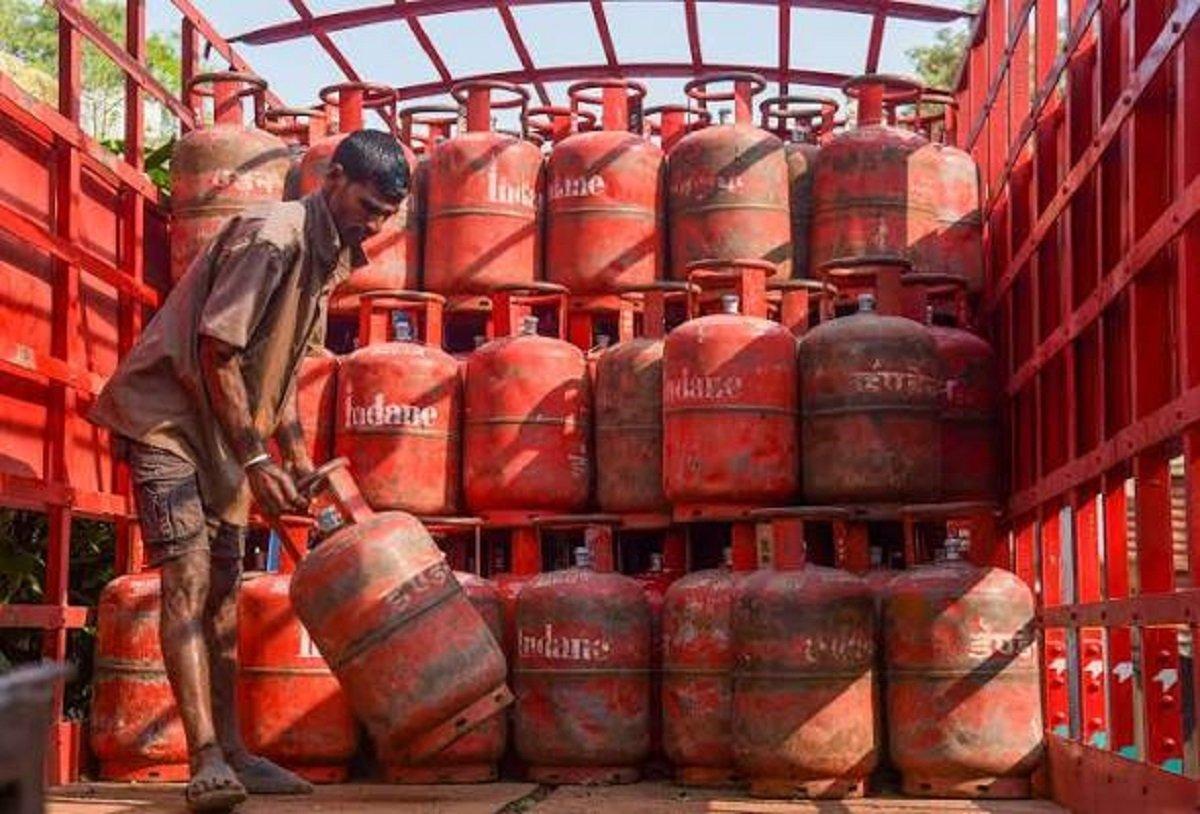
The Manipur LPG crisis has reached alarming heights as the blockade in Kangpokpi district forces local residents to pay an exorbitant ₹5,000 for a single LPG cylinder. This sharp spike in prices is just one symptom of the broader economic turmoil gripping the region, triggered by a severe economic blockade since mid-May. The ongoing Kuki-Naga conflict has not only escalated ethnic tensions but also left vital supplies, including cooking gas, gasping for breath amidst dwindling stocks. In addition to the dire gas shortage, prices of staple essentials like rice and petrol are surging, causing immense strain on households struggling to make ends meet. As local authorities navigate the fallout from this crisis, the question looms larger: how will the state address these overwhelming Manipur supply issues and restore normalcy?
The current situation in Manipur, particularly in Kangpokpi, reflects a significant humanitarian challenge driven by a local economic blockade that has devastated access to essential goods. This crisis, characterized by soaring prices and a severe shortage of vital supplies, such as cooking gas, has exposed the deep-seated divides resulting from the ongoing ethnic strife among the region’s communities. The escalating conflict between Kuki and Naga groups has not only created a fragile security landscape but has also hampered local commerce and driven up the cost of living sharply. As residents grapple with inflated prices and scarcity, the authorities face immense pressure to resolve these pervasive issues and restore stability to the afflicted areas. Addressing these urgent matters is crucial to ensuring that the citizens of Manipur can regain access to the necessities of life.
Understanding the Manipur LPG Crisis
The Manipur LPG crisis has reached alarming heights as the ongoing economic blockade severely restricts the supply of essential goods. Residents in Kangpokpi are feeling the brunt of this situation, with LPG cylinders fetching a staggering price of ₹5,000 on the black market, a stark contrast to their normal rates. The unavailability of cooking gas has forced many to adopt alternative cooking methods, such as induction stoves, further contributing to the energy strain in the region. This acute shortage is a direct consequence of ethnic conflicts and blockades that have disrupted normal supply chains, leaving families struggling to secure their basic needs.
The blockade, predominantly enforced by volunteers from Naga villages, has not only obstructed the inflow of LPG cylinders but has also led to inflated prices for other essential goods. With rice prices soaring from ₹1,400 to ₹4,000 per 50 kg bag, the economic impact of the crisis is especially hard on the poor and marginalized communities. The government has attempted to mitigate the situation by ensuring supply convoys; however, security concerns and continuing tensions make it challenging for these initiatives to succeed effectively. As the conflict lingers, the people of Manipur are caught in an urgent humanitarian situation that demands immediate attention.
The Collapse of Essential Services in Manipur
The blockade imposed in Kangpokpi district is a significant factor contributing to the collapse of essential services in Manipur. Transportation routes that link the district to surrounding areas have been severely compromised, impacting the delivery of groceries, fuel, and particularly LPG. This disruption is exacerbated by the broader Kuki-Naga conflict that has led to heightened tensions between communities, making it difficult for officials to secure access to vital supplies. The government’s inability to restore normalcy raises fears of a long-term economic downturn as prices continue to rise at an unsustainable rate, further straining the local populace.
Local leaders, including civil society groups and elected officials, have voiced their criticism towards the current situation, indicating that government initiatives have yet to yield tangible results. The absence of functioning supply channels means that residents are forced into the black market for essential goods, leading to potential economic exploitation. As families struggle to afford basic items, the psychological toll of the crisis is equally grave; people are driven to construct barriers for their safety and are left navigating a drastically changed landscape. The urgent need for a resolution is palpable, and without immediate intervention, the risk of escalating unrest could pose further challenges for the region.
Economic Impact of the Kangpokpi Economic Blockade
The Kangpokpi economic blockade has had dire consequences on the local economy in Manipur, with essential goods becoming increasingly scarce and prices skyrocketing. The blockade, initiated in response to ongoing ethnic strife, has disrupted supply chains and limited the arrival of goods from neighboring areas, leading to panic buying and hoarding among residents. Items such as cooking gas, rice, and petrol have seen exponential price increases, which has stimulated a wave of economic instability. Families are struggling to budget for these new prices, and the situation poses serious questions about the sustainability of local businesses and the overall economy in Manipur.
As the cost of living soars and wages remain stagnant, the effects of the blockade resonate across all layers of society. Many individuals find it challenging to secure sufficient food or heating fuel, pushing them towards seeking assistance from friends and family or relying on community support networks. The repercussions of this blockade extend beyond immediate material hardship; the sense of security and stability within communities is eroded, leading to a growing mistrust and fear among residents of Kangpokpi. It becomes increasingly clear that the current events are not merely economic; they are reshaping the social fabric of Manipur.
Navigating the Kuki-Naga Conflict
The Kuki-Naga conflict remains a central issue undermining peace and accessibility in Manipur, particularly in districts like Kangpokpi. This ongoing strife stems from historical differences and territorial disputes between the Kuki and Naga communities, resulting in violent incidents that have claimed numerous lives, disrupted lives, and altered the political landscape. The conflict has been aggravated by recent blockades which have complicated the delivery of humanitarian aid and critical supplies like LPG, further entrenching the divide between these ethnic groups. The fear and anxiety this conflict instills in residents act as barriers to effective conflict resolution, complicating government efforts to mediate peace.
Negotiations have faltered amid rising tensions, with the recent revitalization of ethnic violence underscoring the urgency for resolution. Community leaders are navigating a delicate balance, advocating for their people while also facing the realities of inter-communal grievances. Those living in the blockaded areas live under constant stress, exacerbated by scarcity amid their ethnic identity struggles. Progressing toward reconciliation requires not just dialogue but a commitment to addressing the core issues that fuel the Kuki-Naga conflict. The resolution will demand patience, empathy, and collaborative approaches to rebuilding trust within and across communities.
Government Initiatives to Alleviate the Crisis
In light of the escalating situation in Manipur, the government has attempted to take action to alleviate the crisis through various initiatives aimed at restoring order and ensuring the flow of essential supplies. Security forces have been deployed to dismantle illegal blockades, and checkpoints have been established on major routes such as NH-2 to facilitate the movement of goods and services. These efforts are critical in addressing the ongoing economic blockade, yet the effectiveness of these measures has been debated due to the persistent violent clashes and the fierce determination of local groups to enforce their own regulations on supply.
The government’s focus on restoring normalcy includes encouraging dialogue among different community factions and offering temporary relief measures for those affected by the current supply shortages. However, experts suggest that without addressing the underlying causes of the economic blockade and ethnic tensions, these initiatives may only provide temporary respite. Comprehensive approaches that include mediation, community engagement, and socio-economic development are crucial to the long-term resolution of the Manipur LPG crisis and its surrounding complexities.
The Rising Cost of Living in Manipur
Amidst the chaotic backdrop of the blockade and ongoing conflicts, the cost of living in Manipur, particularly in Kangpokpi, has surged dramatically. The rise in prices for essential commodities has become a pressing issue for residents who are already struggling to meet their daily needs. With LPG now priced exorbitantly and essential items like rice and petrol skyrocketing due to the blockade’s effects, households are challenged to adapt to these rapidly changing economic conditions. Local reports indicate that families are increasingly reliant on limited resources, leading to lifestyle changes and a growing sense of economic desperation.
The increase in living costs has not only made basic sustenance difficult for the average person but has also led to increased social tensions and conflict within communities. Fearing shortages, many residents have resorted to hoarding, further exacerbating the situation. As prices surge, local markets are faced with dwindling customer numbers owing to economic pressures, which places further strain on small businesses that form the backbone of local economies. Without a strategic approach to stabilize prices and supply, Manipur risks slipping into a deeper economic crisis that could have lasting effects.
Security Challenges Amidst Manipur’s Crisis
The security landscape in Manipur has dramatically changed in the wake of the ongoing crisis, with various groups enforcing blockades and creating a dangerous atmosphere for both residents and supply efforts. The presence of armed groups along critical transportation routes has impeded the efforts of security forces to ensure the safe passage of essential goods. Recent events, including the unearthing of bodies from the ongoing ethnic violence, have heightened tensions and contributed to the atmosphere of fear and uncertainty. As the government strives to maintain order, security measures need to be reinforced to effectively respond to these evolving challenges.
In response to the threats posed by these groups, security forces have increased their patrols and checkpoints along key routes, yet challenges remain in maintaining safety for both civilians and supply convoys. It becomes imperative to strike a balance between enforcing law and order without further inflaming tensions between communities. The continued instability not only impacts the immediate crisis but also hampers long-term security and peace-building efforts. Ensuring public safety is a prerequisite for restoring normalcy, but without addressing the root causes of the conflict, sustainable peace remains elusive.
Community Resilience in Times of Crisis
Despite the overwhelming challenges posed by the ongoing crisis, communities in Manipur have exhibited remarkable resilience in the face of adversity. Residents are coming together to support one another, pooling resources and knowledge to navigate a difficult economic landscape. Initiatives led by local civil society groups have emerged, focusing on advocacy for peace and accessibility, which empower community members to voices in negotiations. The spirit of cooperation is evident, from organizing collective purchases of essential goods to providing support for the most vulnerable members of society during these times of need.
Community leaders emphasize the importance of unity in overcoming the economic blockades and the resulting instability. They recognize that collaborative efforts towards dialogue and understanding can foster healing and a sense of togetherness among the Kuki and Naga communities. Grassroots movements aimed at creating peace-building initiatives are essential for nurturing sustainable relationships that transcend ethnic divisions. Ultimately, while these times of crisis highlight the fragility of daily life, they also present opportunities for forging deeper connections and finding strength in community solidarity.
Looking Ahead: Solutions for Manipur’s Recovery
As Manipur grapples with the ongoing crisis, there is an urgent need for comprehensive and coordinated efforts aimed at recovering from the impacts of the blockade and ethnic violence. Government strategies must prioritize sustainable solutions that not only reset the supply chains disrupted by the blockade but also tackle the underlying socio-economic disparities that have fueled the conflict. Engaging all stakeholders, including local leaders, community representatives, and security officials, is essential to craft a holistic response that addresses both immediate and long-term needs.
In addition to logistical solutions for restoring supply routes and services, fostering dialogue among conflicting parties is imperative for lasting peace. Emphasizing community-led initiatives and socioeconomic development will build trust and cooperation between ethnic groups. With a commitment from both the government and community organizations, there lies the potential for a more unified Manipur, where resilience can emerge from adversity, ultimately facilitating recovery and reconciliation in the long journey ahead.
Frequently Asked Questions
What is the current situation regarding the Manipur LPG crisis?
The Manipur LPG crisis has led to a severe gas shortage in the region, particularly in Kangpokpi district, where LPG cylinders are reportedly being sold on the black market for ₹5,000 due to an economic blockade. The lack of supply has left many residents struggling to access cooking gas.
How has the Kangpokpi economic blockade affected LPG supply in Manipur?
The Kangpokpi economic blockade, which started on May 13, has critically impacted the supply chain of LPG in Manipur. With transportation routes blocked, essential goods, including LPG, have become scarce, forcing residents to rely on exorbitantly priced black market supplies.
What factors are contributing to the Manipur gas shortage?
The Manipur gas shortage is primarily due to ongoing ethnic conflicts, particularly between the Kuki and Naga communities, and the resulting economic blockade which has disrupted transportation and supply routes, severely limiting access to LPG and other essential commodities.
How have prices surged in Manipur due to the LPG crisis and economic blockade?
The prices of essential items, including LPG, have surged dramatically in Manipur. For example, LPG cylinders that were previously affordable are now priced at ₹5,000, while the cost of rice has also doubled, reflecting the broader economic issues stemming from the blockade.
What actions are being taken to resolve the Manipur supply issues amid the LPG crisis?
Authorities are working to dismantle illegal blockades along transportation routes like NH-2 and have deployed security forces to safeguard the movement of essential supplies, including LPG. Recent measures have improved convoy movements, aiming to stabilize good availability in the region.
What impact has the Kuki-Naga conflict had on the LPG supply in Manipur?
The Kuki-Naga conflict has severely affected LPG supply in Manipur by enforcing blockades that restrict the flow of essential goods into affected areas like Kangpokpi. This escalation of violence and territorial disputes has compounded the gas shortages experienced by residents.
Are there alternatives to LPG being used by residents in Manipur during the gas shortage?
Yes, due to the LPG shortage, many residents in Manipur have shifted to using induction stoves, which is causing increased power outages lasting several hours, indicating the widespread impact of the gas crisis on daily life.
What is the long-term outlook for the Manipur LPG crisis and economic situation?
The long-term outlook for the Manipur LPG crisis hinges on improvements in security and the resolution of current ethnic tensions. If the blockades can be lifted and transport routes secured, supplies may normalize, alleviating the severe economic hardships currently faced by residents.
| Key Points | Details |
|---|---|
| LPG Cylinder Prices | Selling for ₹5,000 in blocked areas of Manipur, |
| Casualties | At least 40 people killed since February due to ethnic violence, |
| Economic Impact | Prices of essentials like rice and petrol have doubled; rice now ₹4,000 per 50 kg bag. |
| Transportation Issues | Blockades by local groups severely affect supply routes, particularly along NH-2. |
| Security Measures | 80% of essential supply routes are blocked; security forces working to clear pathways. |
| Civilian Impact | Shortage of cooking gas has led to increased use of induction stoves, resulting in electricity outages. |
Summary
The Manipur LPG crisis highlights the dire situation in the state, where inflated prices and severe shortages have emerged following widespread ethnic conflict. The economic blockade has had devastating effects on the local community, leading to skyrocketing prices for LPG cylinders and other essential goods, drawing attention to the pressing need for measures to restore stability and supply routes.