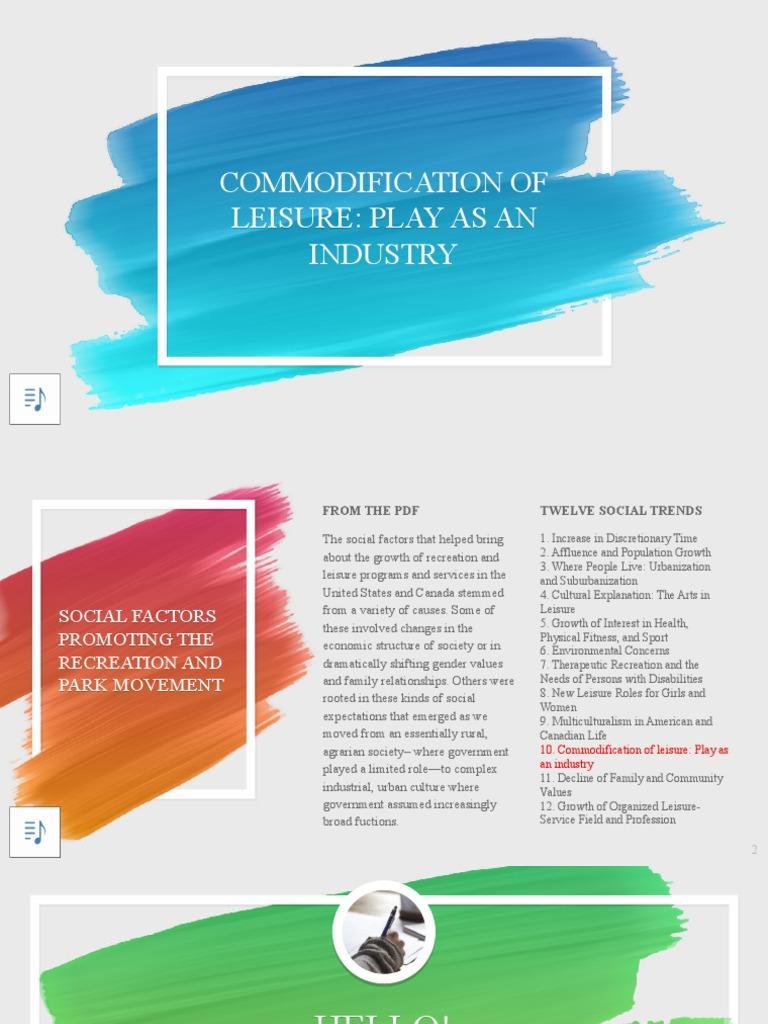
In today’s world, the interplay of hobbies and commodification has reshaped the landscape of leisure activities, transforming once-affordable pastimes into market-driven ventures. As we navigate life, the cost of hobbies increasingly reflects not only financial expenditure but also the societal pressure to showcase our engagements through social media. The commodification of leisure has permeated all aspects of hobbies in modern society, urging individuals to invest excessive time and resources just to keep up with trending activities. The price of fun, once a natural source of joy, now often feels dictated by brand endorsements and viral moments that elevate the cost of participation. This evolving relationship can lead to an overwhelming sense of competition and pressure, making it challenging to find genuine enjoyment in our pursuits.
Exploring the landscape of recreational pursuits reveals how leisure activities have become embedded within capitalist frameworks, altering our enjoyment dynamics. What was once merely an opportunity to unwind has evolved into a battleground of trends, where the commodification of pastimes captures individuals in a cycle of consumption and display. The financial implications of engaging in these activities can be significant, fueling a culture where social validation eclipses authentic enjoyment. With social media fueling this trend, activities that once fostered community and personal connection gradually morph into competitive arenas, ripe with expectations and ever-increasing costs. As we delve deeper into this phenomenon, the complexities arising from this shift challenge our understanding of what it means to engage in leisure.
The Rising Cost of Hobbies in Today’s Economy
In an increasingly commercialized world, the cost of pursuing hobbies has escalated dramatically. What used to be simple pleasures like painting or gardening now come with hefty price tags, often advertised heavily on social media. People are no longer just investing time into these activities but also considerable amounts of money. The commodification of leisure has transformed hobbies into a market-driven frenzy; no longer are they seen as acts of joy, but rather as investments where the cost of hobbies becomes a symbol of status and wealth. The allure of premium tools, exclusive workshops, and branded merchandise feeds into this cycle, blurring the lines between simple enjoyment and competitive consumption.
Moreover, the phenomenon of social media has intensified this commercialization. As individuals share their hobbies online, the pressure to keep up with trends exacerbates spending. Platforms like Instagram and TikTok showcase hobbies in glamorous lights, often highlighting high-end materials and experiences that may be out of reach for many. This atmosphere encourages users to commodify their leisure time, compelling them to conform to a standard of ‘fun’ that is often exorbitant. The result is a growing societal expectation that hobbies must come with a price, leading many to abandon their passions when they realize they cannot afford to compete.
Hobbies in Modern Society: A Battle Between Joy and Consumerism
Today, hobbies have shifted from personal pursuits to opportunities for social validation. In modern society, the enjoyment derived from these activities is often overshadowed by their commodification. This cultural shift means that hobbies, once viewed as harmless pastimes, are now closely intertwined with a system of expectation and competition. No longer can individuals engage in a simple act of joy without feeling the weight of societal scrutiny. Whether it’s joining a local running club or trying out a new craft, the desire for public acknowledgment can turn these hobbies into a performance rather than a source of genuine satisfaction.
The intersection of social media and hobbies has created a competitive landscape where the price of fun is directly correlated with visibility and approval. Users push themselves to invest more in their hobbies to ensure their experiences are ‘share-worthy.’ This leads to an unsettling reality where the essence of hobbies is diluted; the focus shifts from personal fulfillment to social currency. As participants strive to showcase their dedication and expertise, they often find themselves spending beyond their means to keep up, thereby losing sight of why they pursued these interests in the first place.
Hobbies and Commodification: A New Age Dilemma Before the Age of Commodification, leisure was a realm of personal freedom. Today, however, that freedom is marred by commercialization. Instead of engaging in activities that foster joy and creativity, individuals often find themselves drawn into a commodification cycle where the enjoyment of hobbies becomes synonymous with their monetary value. The initial intent behind participatory leisure, which was to unwind and express creativity, has morphed into a pursuit that often feels like a checklist for social approval.
Online trends dictate the validity of hobbies, creating a culture where individuals feel compelled to commodify their leisure for fear of being deemed irrelevant. As a result, the commodification of hobbies stifles the organic growth of personal interests. Individuals become more focused on curating the perfect online presence than nurturing genuine passions, leading to an increased likelihood of burnout. Activities that once brought joy now come with the pressure of constant comparison and expectation, where the spirit of those hobbies is suffocated by the very platforms designed to celebrate them.
The Financial Burden of ‘Passion’ Projects
In this age of social media-driven trends, the financial burden of pursuing so-called ‘passion’ projects can be daunting. The juxtaposition of leisure time with economic expenditure creates a paradox where enjoyment can often lead to financial distress. As individuals invest in their hobbies, whether through purchasing equipment or affording classes, they may not realize the extent of their spending until it’s too late. These financial commitments can strain budgets, leading to a cycle where people feel pressured to work more just to afford the hobbies they love, thus morphing leisure into another job.
Moreover, the constant influx of information about what’s trending in hobbies can lead to impulse buying and spending beyond one’s means. The pressure to keep up is exacerbated by algorithm-driven social media, which continuously promotes the latest ‘must-have’ items for various hobbies. This perpetuates a culture of consumerism where joy is tied to expenditure rather than genuine interest. Instead of hobbies being spaces for personal growth and relaxation, they become precarious financial pursuits, highlighting the cost of doing what one loves in a society steeped in commodification.
Understanding the Hidden Costs of Hobbies
The hidden costs of engaging in hobbies extend beyond mere financial expenditures. The emotional investment and the social pressure to perform also play significant roles in shaping our experience of leisure activities. The genuine joy that once accompanied a newfound hobby becomes overshadowed by the need to showcase it online, often resulting in anxiety and competition among peers. This emotional toll is seldom accounted for in discussions around the financial cost of hobbies. Instead, it quietly accumulates, leading many individuals to feel like they are mere performers in their leisure pursuits rather than participants enjoying their passions.
As individuals become caught up in the need for validation through their hobbies, the original intent behind these interests is lost. The pressure to outperform and impress can cause stress and lead to abandoning activities altogether. This turn of events is indicative of how the commodification of hobbies can sour the very essence of joy and creativity. While the financial implications are evident, the emotional and psychological costs associated with trying to measure up to an idealized version of hobbies can lead to a disconnection from what those activities truly mean.
Social Media’s Role in Hobby Commodification
Social media is a double-edged sword in the world of hobbies, acting as a platform for both inspiration and commodification. On one hand, it connects people to a vast array of interests and communities, enabling them to discover new passions and share their experiences. On the other hand, it reinforces a performative culture where individuals feel compelled to showcase their latest projects, often accompanied by hashtags that amplify the commercialization of these hobbies. The visibility granted by social media can distort the original joy and authenticity of engaging in leisure activities, steering them towards a competitive space that prioritizes appearance over enjoyment.
As trends dominate online spaces, the commodification of hobbies leads to an increasingly skewed understanding of what it means to engage in leisure. Social media can often amplify the notion that hobbies must be beautiful or extravagant to be valued, creating an environment where simpler forms of enjoyment are overlooked. Curation becomes key; individuals feel pressured to not only invest time into their hobbies but also to present them in a specific light that will garner likes and validation. This ongoing cycle turns authentic hobbies into mere commodities, with people finding themselves chasing trends rather than nurturing their passions.
Consequences of Hobbies Becoming Competitive
In recent years, the competitive nature of hobbies has reached new heights. The shift towards viewing hobbies as competitive endeavors has led to a significant transformation in how individuals experience leisure. Instead of enjoying an activity, participants often find themselves fixated on how they stack up against others. This competition can manifest in various ways, from showcasing more elaborate outputs to accruing more expensive gadgets, thus promoting a culture where the cost of hobbies escalates. The joyful act of creating or engaging in a hobby is overshadowed by a need for social validation.
This competitive landscape stifles creativity and fosters a sense of inadequacy among hobbyists. People feel pressured to ‘maxx’ their efforts, pushing them to invest not just money, but also time into marketing their hobbies for followers or status, rather than truly enjoying their pursuits. The emphasis on competition erodes the foundation of what hobbies were intended to be—a source of personal joy and relaxation. As individuals chase after the next big trend or flashy tool, they risk losing sight of the intrinsic pleasure that hobbies originally provided.
The Struggle for Authentic Leisure
As hobbies continue to evolve within a commodified space, the struggle to maintain authenticity has become increasingly paramount. Individuals are left grappling with the tension between enjoying their passions for personal satisfaction versus the need to display them for public approval. This dichotomy often creates feelings of disillusionment, as many realize that their hobbies are performed rather than genuinely appreciated. This performance not only strips activities of their individuality but also burdens them with expectations that can detract from their original appeal.
The pursuit of authentic leisure becomes a quest for balance in a landscape dominated by commercial interests. Many people find themselves yearning for the days when hobbies were simply for enjoyment and personal growth, free from the constraints of social media metrics. The pressure to commodify hobbies can lead to a diminishing return of joy, causing individuals to walk away from activities they once loved. Embracing authenticity and redefining what hobbies mean to them is crucial in reclaiming the spirit of leisure activities in a world where commodification threatens to overshadow their essence.
Finding Balance in a Commodified World
Navigating through a commodified world of hobbies requires striking a balance between enjoyment and consumerism. Individuals can foster a love for their hobbies while being mindful of the pressures created by societal norms and social media. By prioritizing experiences over material possessions, hobbyists can begin to reclaim their enthusiasm for activities that might have felt overshadowed by external pressures. Reimagining the purpose of hobbies as a personal journey rather than a competitive arena allows individuals to focus on what they truly love, fostering creativity without the fear of judgment.
It is essential to challenge the narrative that hobbies need to be shared, marketed, or commodified to hold value. When individuals engage with their hobbies purely for satisfaction and self-expression, they can experience a renewed sense of joy, free from the commercialization that has permeated leisure activities. Creating boundaries around personal interests and disconnecting from the competitive aspects prevalent on social media can help individuals reconnect with the joy of their hobbies. Finding balance starts with the recognition that hobbies are meant to enrich lives, not drain resources.
Frequently Asked Questions
How has commodification impacted the cost of hobbies in modern society?
The commodification of hobbies in modern society has significantly driven up their costs. What once were free or low-cost pastimes have transformed into expensive pursuits due to the influence of social media and market trends. Activities like fitness classes or niche hobbies become status symbols, compelling enthusiasts to invest heavily in equipment, memberships, and branded merchandise just to participate. This trend exemplifies how the price of fun can spiral as hobbies evolve from personal enjoyment to competitive showcases of wealth and brand loyalty.
| Key Point | Description |
|---|---|
| The Commodification of Hobbies | Hobbies that were once leisurely pursuits are now seen as markets to exploit, making them feel more expensive and inaccessible. |
| Influence of Social Media | Platforms amplify awareness and trends, turning simple activities into viral phenomena that fuel commercialization. |
| The Shift from Leisure to Competition | The joy of hobbies is overshadowed by a culture of competition and validation, leading to increased financial and social pressures. |
| Historical Context | The transition from natural leisure in agrarian societies to structured work in industrial society laid the groundwork for the current commodification. |
| The Impact on Personal Enjoyment | As individuals align their hobbies with social expectations and validations, they experience a loss of authenticity and personal satisfaction. |
Summary
Hobbies and commodification have transformed how we perceive and engage with leisure activities. What was once a simple pleasure has evolved into a commercial landscape where enjoyment is often contingent upon financial investment and social validation. This evolution has shifted hobbies from personal enjoyment to competitive showcases, leading many to feel that their passion has been overshadowed by external expectations. As individuals navigate this complex terrain, the original joy of engaging in their favorite pastimes becomes diluted by the need to conform and compete, ultimately questioning the very essence of leisure.