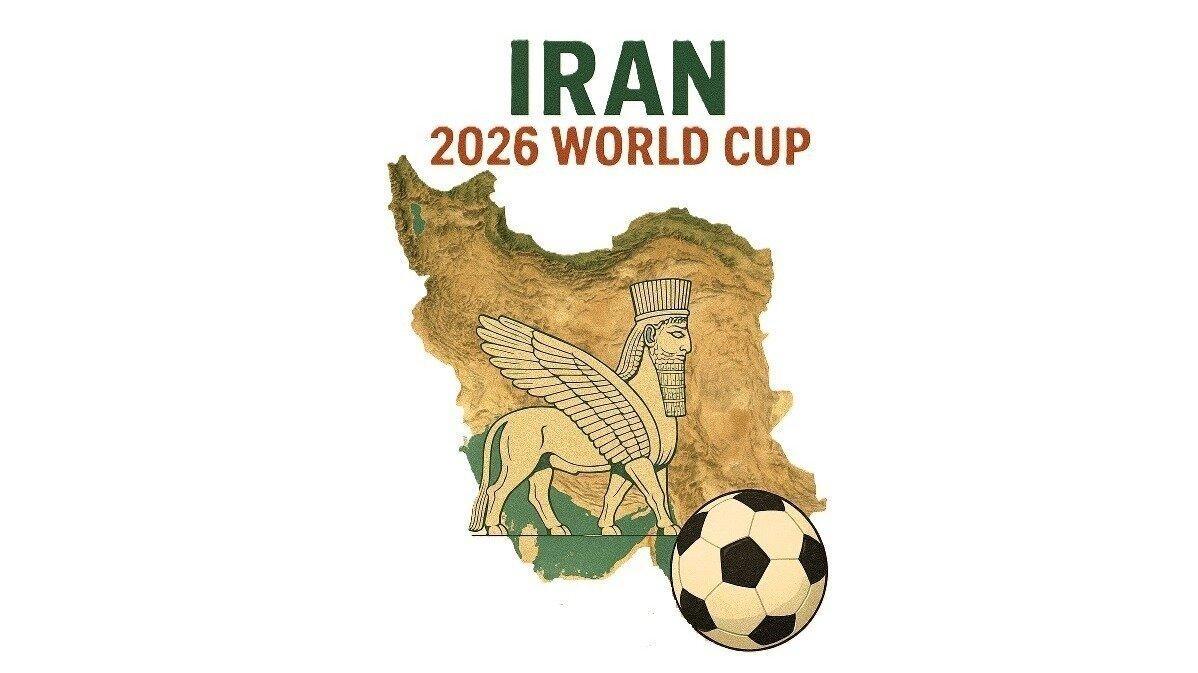
The Iran World Cup heartbreak at the 2026 tournament serves as a poignant reminder of the cruel realities of football. For a nation that has long aspired to make its mark on the world stage, the disappointment cut deep as the Iran national team came agonizingly close to reaching the knockout phase. Despite showcasing determination and skill, Iran faced a series of challenges that ultimately led to their heart-wrenching exit. In a tournament where they hustled against the odds, including travel restrictions and a demanding schedule, they found themselves tantalizingly close to success. The story of Iran in World Cup 2026 not only highlights the challenges of sporting competition but also embodies the heartbreak in sports that resonates with fans globally.
The emotional saga of Iran in the 2026 World Cup encapsulates the highs and lows of competitive sports. Known for their rich footballing history, the Iranian squad faced daunting obstacles as they aimed for advancement in a prestigious global event. It was a narrative filled with anticipation, as each match brought them closer to potential glory yet led them deeper into heartache. The struggles of the Iran football team reflect broader themes of resilience in the face of sporting adversity, resonating with supporters who understand the unpredictable nature of football. Ultimately, the tale of this passionate team’s fight against both on-field rivalries and off-field challenges paints a vivid picture of their arduous journey.
Iran World Cup Heartbreak: A Tale of Near Triumph
The 2026 World Cup marked a poignant chapter in Iran’s football history, filled with hope tinged by heartbreak. Having navigated through an intense group stage, the Iranian national team found themselves on the precipice of qualification for the knockout round. Despite showcasing remarkable resilience—remaining unbeaten through three matches—they were ultimately denied progression due to a mere goal difference. The emotional rollercoaster of anticipation turned into disillusionment, as fans witnessed the last-minute moments that solidified their fate. The narratives of ‘what could have been’ lingered, amplifying the painful reality of their near-miss.
On the pitch, moments of brilliance contrasted sharply with instances of misfortune. A last-gasp winner, ruled offside by the narrowest of margins, embodied the elusiveness of their dream—one that momentarily brought joy before crumbling into despair. As the whistle blew on their final group match, an agonizing realization settled over the players and fans alike: this could have been the year Iran turned the tables. However, such heartbreak is not new in sports; it is a reminder of the fine line between success and failure, where every decision, every fraction of an inch, can dictate outcomes for nations.
The Challenges Faced by Iran National Team in 2026
Competing at the World Cup is a monumental achievement for any nation, but for Iran, the journey to the 2026 tournament was rife with unique challenges. The Iranian national team, under the guidance of coach Amir Ghalenoei, encountered a myriad of obstacles stemming from political tensions and logistical hurdles. Their preparations took a hit with the reassignment of their training base from the United States to Mexico, significantly impacting their acclimatization efforts. The restrictions imposed on their movement culminated in a frenetic travel schedule, severely limiting their preparation. This backdrop of adversity added weight to their performances on the world stage, making their efforts all the more commendable.
In light of such adversities, Ghalenoei’s assertion that the Iranian squad was the ‘most oppressed’ at the tournament struck a poignant chord. His outspoken frustration regarding the unfair treatment they received resonates with many who have followed the team’s exploits over the years. The Iranian players, undeterred by these tribulations, demonstrated incredible prowess and skill, proving their mettle despite the circumstances. As fans rejoiced during moments of hope, they simultaneously stood in solidarity with a team that represents resilience against overwhelming odds, leaving a lasting impression on the tournament.
Unforgettable Moments of Iran’s World Cup Campaign
The 2026 World Cup began with an air of optimism for the Iranian football team as they prepared to leave their mark on the global stage. The match against Egypt became a microcosm of their campaign; it featured moments of promise and heart-wrenching disappointment. After finding the net with a clever finish in the dying moments of the game, the last-minute joy turned sour when the goal was disallowed. For the players and fans, this moment encapsulated the fragile nature of their World Cup experience—where triumph is often shadowed by heartbreak.
Furthermore, the entire tournament became a showcase of Iran’s determination to overcome difficulties, not just on the pitch, but off it as well. From the nail-biting games that kept fans on edge to the emotional aftermath of their disqualification, the journey was marked by unforgettable moments that would be recounted long after the tournament concluded. The clash with Algeria, combined with the devastating equalizer in the dying moments, served as a stark reminder of how football often weaves narratives of hope and despair into its fabric—making Iran’s campaign one that will linger in the hearts of supporters for years to come.
The Last-Minute Drama: Iran’s Path to Disqualification
The phrase ‘last-minute drama’ often signifies tense moments in the world of sports, but for Iran at the 2026 World Cup, it became a harsh reality. Their fate hinged on the final group stage matches, where the results of rival teams played a critical role in determining their qualification prospects. The heart-stopping finish to the Algeria vs. Austria match left Iran once again hovering on the brink, showcasing the unpredictable nature of tournament football. As the minutes ticked away, hopes rose and fell in tandem with the scoreboard, culminating in yet another painful twist of fate.
This disqualification process, steeped in suspense, echoed the broader challenges faced by the Iran national team throughout the tournament. Their tenacity and skill were evident, but the harsh reality of goal difference, coupled with a series of unfortunate events, meant that even their best efforts were not enough to secure a coveted place in the next round. As fans reflected on the matches, the sense of what might have been loomed large, reinforcing the idea that sports can be as cruel as they are rewarding. In this context, Iran’s journey became emblematic of many teams that experience the heartache of coming so close yet falling short.
Iran’s Resilience in the Face of Adversity
Resilience is a defining trait of any successful team, and for the Iranian national side, this was especially evident during their 2026 World Cup journey. From the outset, it was clear that they were not only battling opponents on the pitch but were confronting significant external challenges as well. The political climate, travel restrictions, and inadequate preparation time posed substantial obstacles that could have undermined their efforts. Yet, rather than succumbing to these pressures, Iran’s players took each challenge in stride, channeling their frustrations into performances that showcased their skill and determination.
Throughout the tournament, the strength of character exhibited by the players resonated with fans around the globe. Among the most poignant moments was Ghalenoei’s declaration of pride in his squad, emphasizing their achievements amidst adversity. This unwavering spirit they displayed, particularly through their ability to perform under such scrutiny, sparked admiration and respect from the football community. Despite not advancing in the competition, their journey became a testament to the power of resilience, leaving an indelible mark in the annals of World Cup history.
Lessons from Iran’s World Cup Experience
The 2026 World Cup served as an opportunity for reflection on the lessons learned by the Iranian national team, both regarding footballing skills and life itself. The brutal reality of coming so close to qualification, only to be denied by circumstances beyond their control, provided a poignant lesson in perseverance. Gamblers on their own aspirations, the players demonstrated that mastery goes beyond technical abilities; it also hinges on mental fortitude. With every match, they embodied the spirit of never giving up, even in the face of adversity.
Moreover, the experience shed light on the broader sporting arena, emphasizing the need for fairness and equality in tournament conditions. As Ghalenoei called attention to the challenges faced by his team, his words echoed a significant message regarding the treatment of athletes worldwide. Football is not only a game but a platform for change, and the Iranian team’s struggles invite stakeholders to consider how they can foster a more equitable playing field in future tournaments. Ultimately, from heartbreak springs the potential for growth, as Iran continues its quest to overcome challenges and reclaim its place on the world stage.
The Significance of Support for the Iran National Team
Support from fans and the football community plays an integral role in the experience of any national team, and Iran’s case in the 2026 World Cup was no exception. The unwavering loyalty of supporters buoyed the players, even amidst the uncertainties that surrounded their journey. Every cheer, every gesture of solidarity served as a reminder of the bond shared between the team and its fanbase—one that transcends mere performance on the pitch. The emotional investment from the fans highlights how much is at stake, not only for the players but for the nation’s pride as well.
Furthermore, the Iranian community’s sense of unity during this World Cup campaign reveals the deeper connection between sports and national identity. In times of hardship and political strife, football offers a channel for collective expression, bringing people together in support of a shared cause. The heartbreak of disqualification became a rallying cry, reinvigorating regional pride and fostering a sense of belonging among Iranians worldwide. As the team aims for future tournaments, this steadfast support will undoubtedly continue to inspire resilience and determination as they navigate their footballing journey.
Anticipating the Future: Iran’s Footballing Aspirations
As the echoes of the 2026 World Cup subside, the Iranian national team is left contemplating its path forward. With aspirations to build upon their recent experience, there is a renewed focus on developing the next generation of players and fostering a deeper footballing culture within the country. The pivotal moments from 2026 serve as a valuable learning foundation on which future campaigns can be built, emphasizing the importance of preparation, mental strength, and adaptability when faced with unforeseen challenges.
Looking ahead, the commitment to nurturing talent from grassroots to the national level remains paramount. By investing in training facilities and professional development programs, Iran can work towards transforming the heartbreak of 2026 into motivation for the future. The dreams of qualifying for subsequent World Cups can become a reality, provided there is a concerted effort to support the national team systematically. With the backing of passionate fans and a growing footballing infrastructure, Iran is poised to overcome its past challenges and succeed on the world stage.
Frequently Asked Questions
What was the Iran World Cup heartbreak story in 2026?
Iran’s heartbreak in the 2026 World Cup can be summarized by their near-miss in advancing to the knockout stages, despite being unbeaten in the group. They drew with New Zealand and Belgium and needed a win against Egypt to qualify. In a dramatic match, they scored a last-minute goal that was disallowed for offside, and later, their hope was extinguished by a last-gasp equalizer in a key match affecting their qualification. This sequence of events left Iran lamenting a missed chance to progress in the tournament.
| Key Points |
|---|
| Heartbreak is common in World Cup history, with many teams facing disappointment. |
| Iran’s journey in the 2026 World Cup was marked by significant challenges. |
| Iran was unbeaten in the group stage yet exited due to goal difference. |
| A last-minute goal by Khalilzadeh was disallowed for offside, costing Iran a win. |
| A last-gasp equalizer from Austria on the final matchday further eliminated Iran. |
| Iran faced numerous logistical challenges due to political tensions and travel restrictions. |
| Coach Ghalenoei expressed pride in his team’s performance despite the adversities. |
Summary
Iran World Cup heartbreak defined the team’s emotional journey in 2026. As they faced adversity on and off the field, this resilient squad fought valiantly but ended their tournament dreams in a heartbreaking fashion. Their achievements, tainted by the cruel twist of fate, underscore the struggles they endured, including logistical hurdles arising from their political backdrop. In the end, Iran’s quest for knockout stage glory was thwarted not only by the last-minute incidents in matches but also by the broader context of their participation in the competition, leaving fans to reflect on what might have been.