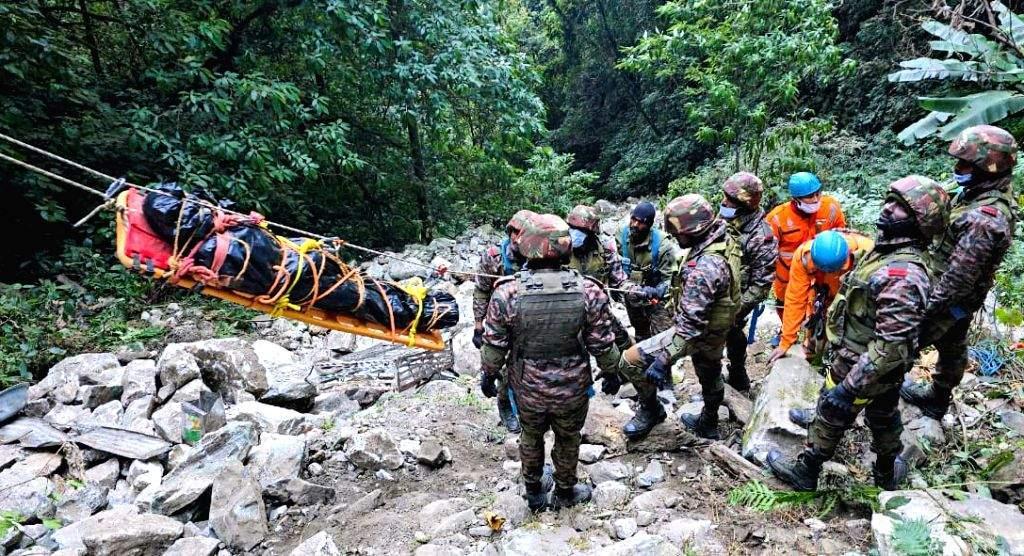
The Dambuk rescue operation has garnered significant attention following a dramatic incident on the Sisiri River in Arunachal Pradesh’s Lower Dibang Valley. During a daring attempt to save four individuals stranded in the turbulent waters, a raft containing rescuers capsized, leaving one person missing and others at risk. Rescue teams have been mobilized, including the National Disaster Response Force (NDRF), which is actively working to recover those still missing and ensure the safety of the remaining stranded individuals. As news of the Arunachal Pradesh rescue unfolds, the heroic efforts continue amidst challenging conditions, with updates being closely monitored by local authorities. The unfolding situation during the Sisiri River incident highlights the urgency and importance of swift rescue efforts in remote areas.
In a recent maritime emergency, the Dambuk rescue operation illustrates the complexities and dangers faced during search and rescue missions. The incident on the Sisiri River, where rescuers became part of a precarious situation, raised concerns about the safety of individuals affected by natural water hazards in the region. The Lower Dibang Valley, often celebrated for its beauty, has become a focal point for heroic acts as emergency crews, including the dedicated NDRF personnel, respond to the ongoing plight of missing individuals. This operation not only highlights the risks associated with rescue efforts but also underscores the critical role played by local and national emergency services in ensuring public safety during unforeseen incidents. As agencies respond to the unfolding rescue, the impact on community safety continues to resonate.
Overview of the Dambuk Rescue Operation
The Dambuk rescue operation is a critical initiative launched in response to a tragic incident on the Sisiri River in Arunachal Pradesh’s Lower Dibang Valley. A raft transporting rescuers and previously stranded individuals capsized due to strong currents, leading to chaos and urgent calls for assistance. The operation commenced with the goal of bringing to safety those trapped in the river, highlighting the bravery of the rescuers and the plight of the stranded individuals.
Currently, the situation remains tense as authorities work tirelessly to recover the missing person and assist the stranded individuals. As of the latest updates, six of the eleven individuals involved in the rescue mission have been successfully located and brought to safety. The complexities of the rescue operation have demanded collaborative efforts from the National Disaster Response Force (NDRF), state police, and the Indo-Tibetan Border Police (ITBP), illustrating the community’s resilience in facing this disaster.
Challenges Faced During the Sisiri River Incident
During the Sisiri River incident, the challenges faced by rescuers were multifaceted. Despite the initial success of locating three out of four stranded individuals, the capsize of the raft marked a turning point that added urgency and danger to the operation. The swift currents of the river posed a significant risk to both the rescuers and the stranded individuals, complicating their ability to reach safety. Meanwhile, the presence of one missing person has raised concerns about the complexities involved in navigating the ever-changing river conditions.
In addition to the natural challenges posed by the river, logistical hurdles have emerged in the rescue operation. With the deployment of 30 NDRF personnel, as well as additional support from local police and disaster management teams, coordination efforts have been crucial. The impending assistance from an Indian Air Force (IAF) helicopter aims to expedite rescue efforts, showcasing a unified approach in addressing the incident and underscoring the importance of timely intervention in rescue operations.
Role of the National Disaster Response Force (NDRF)
The National Disaster Response Force (NDRF) has played a pivotal role in the ongoing Dambuk rescue operation. Responding swiftly to the Sisiri River incident, NDRF teams have brought in specialized skills and equipment tailored for aquatic rescue missions. Their capability to navigate challenging river conditions has been instrumental in locating and rescuing individuals who are trapped or in distress. As of now, the NDRF has successfully rescued one individual stranded on a log in the river, demonstrating the agency’s commitment to saving lives in extreme situations.
Furthermore, the NDRF’s coordination with local authorities and police agencies has enhanced the overall effectiveness of the rescue efforts. With their experience in disaster management, the NDRF personnel are crucial in assessing the situation, organizing rescue strategies, and ensuring safety protocols are followed. The ongoing collaboration with various agencies, including the Indo-Tibetan Border Police (ITBP), is vital for addressing the overall challenges presented by the current situation in the Lower Dibang Valley.
Current Status of Rescue Efforts in Lower Dibang Valley
As of now, the rescue efforts in the Lower Dibang Valley continue with a sense of urgency and determination. With four individuals still stranded on an island in the Sisiri River, the collaboration between various rescue units remains key. The situation is dynamic, as officials are closely monitoring developments while coordinating resources to ensure the successful recovery of anyone still unaccounted for. The effective deployment of 30 NDRF personnel has significantly bolstered operations, accompanied by ongoing support from state police and ITBP.
The forthcoming deployment of an Indian Air Force (IAF) helicopter further amplifies the seriousness with which authorities are treating this incident. Scheduled to assist the rescue efforts early on June 29, the IAF’s involvement reflects the high stakes of locating the missing individuals and providing any additional support necessary for the safe return of the stranded persons. With the community’s safety lying in the balance, the ongoing rescue operation showcases a robust response to an unprecedented challenge faced by local authorities.
Impact of the Incident on Local Communities
The incident on the Sisiri River in Dambuk has had a profound impact on local communities in Arunachal Pradesh, sparking concerns about safety during recreational activities near the river. Families have experienced anxiety and distress, particularly due to the missing person still unaccounted for. With a close-knit community, news of the incident has resonated deeply among residents, highlighting the vulnerabilities faced in their daily activities and interactions with the natural environment.
Moreover, this incident has prompted discussions around the importance of safety measures and preparedness for future emergencies. Local authorities may need to enhance awareness and training regarding swift water rescue operations, promoting community education around river safety. The tragic events surrounding the Sisiri River incident serve as a critical reminder of the necessity for vigilance and preparedness in handling potential dangers in natural settings, ultimately fostering a culture of safety among residents.
Future Safety Measures in River Rescue Operations
In the wake of the Sisiri River incident, a reevaluation of safety measures for river rescue operations is essential. The complexities faced during the Dambuk rescue operation underline the need for comprehensive training and preparedness strategies for rescuers. Future operations must prioritize equipping rescue teams with advanced tools and techniques, reinforcing their capacity to handle swift water conditions effectively, and ensuring the safety of all involved.
Additionally, increasing community involvement and awareness programs can substantially aid in future safety efforts along the river. Local governments and disaster management organizations should collaborate to develop training sessions for residents about the risks associated with river activities. By fostering a proactive approach to safety and rescue measures, lessons learned from the Sisiri River incident can significantly bolster community resilience and preparedness for potential emergencies.
Importance of Collaborative Rescue Efforts
Collaborative efforts have been paramount in the Dambuk rescue operation, showcasing the strength of community support during emergencies. The synergy between the NDRF, local police, and ITBP has proven essential for efficiently coordinating rescue efforts and deploying personnel. Such partnerships enhance the overall response capabilities, enabling a multi-agency approach that addresses the challenges presented by the Sisiri River incident in the Lower Dibang Valley.
Moreover, collaborative rescue efforts foster a sense of unity in times of crisis. By bringing together various agencies with diverse skill sets and resources, the operation not only focuses on immediate rescue missions but also strengthens long-term relationships among stakeholders involved. Continuous training and joint exercises can improve communication and efficiency in future rescue operations, establishing frameworks for effective disaster response that inspire confidence within the community.
Local Government Response and Support
The local government’s response to the Sisiri River incident has been marked by prompt action and coordination with disaster management agencies. The Deputy Commissioner of Roing, along with the Department of Disaster Management, has been actively involved in monitoring and directing the ongoing rescue efforts. By swiftly mobilizing the NDRF and other support units, the local government illustrates its commitment to ensuring the safety of its constituents during emergencies.
In addition to immediate action, local government support extends to community aid and recovery initiatives post-incident. Officials are likely to assess the response effectiveness and identify areas for improvement to enhance future rescue operations. By actively engaging with residents and conducting thorough reviews of the incident, the government can strengthen trust and bolster community confidence in its ability to respond effectively to crises.
Community Resilience in the Face of Disaster
The tragic events surrounding the Dambuk rescue operation serve as a testament to the resilience of the local community in Arunachal Pradesh. In the face of this unfortunate incident, individuals have come together to support one another and volunteer in rescue efforts. The collective spirit of collaboration among residents not only underscores the strength of community ties but also highlights their commitment to looking out for one another in times of need.
Repeating instances such as the Sisiri River incident encourage a culture of preparedness and mutual assistance that can serve communities well against future disasters. The capacity for resilience, characterized by neighbors helping neighbors, fosters a proactive attitude toward disaster management. Engaging in community drills, sharing knowledge, and developing support networks can play a vital role in equipping residents to face potential emergencies, ultimately enhancing their collective safety.
Frequently Asked Questions
What are the latest updates on the Dambuk rescue operation in Arunachal Pradesh?
The Dambuk rescue operation is ongoing in the Lower Dibang Valley district, following the capsizing of a raft during a rescue mission for four stranded individuals in the Sisiri River. As of June 28, a team from the National Disaster Response Force (NDRF) and local authorities successfully rescued six individuals, including five who swam to safety and one rescued from a log. However, one person remains missing, and four individuals are still stranded on an island in the river. Rescue efforts are being reinforced with air support from the Indian Air Force (IAF) scheduled for June 29.
| Key Point | Details |
|---|---|
| Incident Description | A raft capsized in the Sisiri River during a rescue operation in Dambuk, Arunachal Pradesh. |
| Casualties | One person is missing, four others are stranded on an island. |
| Current Status | Six individuals have been rescued, while four remain stranded. |
| Rescue Effort | The National Disaster Response Force (NDRF) is actively involved, with support from local authorities. |
| Additional Support | An Indian Air Force helicopter is set to assist with rescue operations soon. |
Summary
The ongoing Dambuk rescue operation highlights the urgent efforts being made to locate those stranded after a raft incident in the Sisiri River. This tragic event underscores the challenges faced by rescue teams in difficult conditions, emphasizing the bravery and commitment of those involved in ensuring the safety of trapped individuals. With continued support from the National Disaster Response Force and other organizations, the hope remains high for the remaining stranded individuals. Monitoring and coordination among various agencies will be crucial as operations progress, aiming towards a successful resolution of this serious situation.