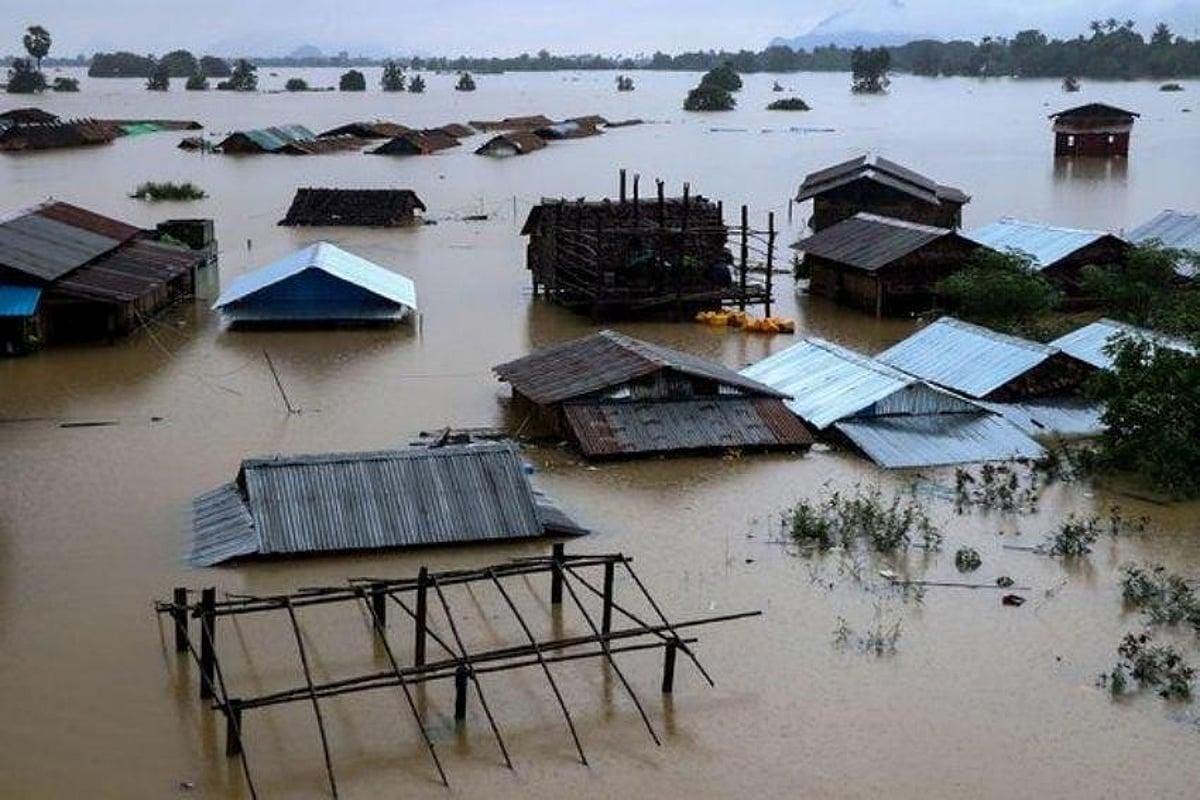
The recent floods in Arunachal Pradesh have wreaked havoc across the region, particularly affecting the East Siang district. Incessant rainfall has led to flash floods in Arunachal Pradesh, resulting in extensive damage to homes, infrastructure, and vital transport links. The flood damage in East Siang has raised serious concerns among local authorities, prompting urgent relief operations to assist affected residents. Reports indicate that key locations such as Pasighat have been submerged, showcasing the severity of Arunachal Pradesh rainfall in recent weeks. As the situation evolves, the focus remains on recovery efforts and supporting those deeply impacted by this natural disaster.
The catastrophic flooding in Arunachal Pradesh, particularly in the East Siang area, has sparked significant challenges for both residents and local government. Heavy rainfall has led to rapid water accumulation, causing devastating flash floods that have damaged numerous structures and impeded transportation routes. With many communities facing urgent needs due to the deluge, effective relief efforts have become paramount to restore normalcy. This unfortunate event highlights the vulnerability of the region to severe weather patterns, emphasizing the importance of proactive disaster preparedness and community resilience. Reliance on timely assistance and continuous monitoring will be critical as recovery operations unfold in the wake of these natural events.
Understanding the Impact of Arunachal Pradesh Floods
In Arunachal Pradesh, the recent spate of incessant rainfall has caused alarming flash floods, particularly affecting the East Siang district. These floods have wreaked havoc on both the infrastructure and the lives of the residents, leading to a dire situation in various localities. As water levels continue to rise, the implications on transportation and emergency services become increasingly severe, presenting significant challenges for rescue operations and humanitarian efforts.
The flood damage in East Siang is not just limited to physical structures; it has also significantly disrupted daily life for the inhabitants. Schools, hospitals, and essential service centers have been impacted, leaving communities without necessary resources. With local roads submerged and connectivity disrupted, many families are unable to access vital assistance. The relentless rainfall in this region underscores the urgent need for improved flood management strategies to mitigate future disasters.
Relief Operations in the Aftermath of East Siang Floods
In the wake of the unprecedented flooding in Arunachal Pradesh, relief operations have commenced with urgency. The local administration, alongside the Indian Army, has mobilized rescue teams to reach out to those stranded by the floodwaters. Efforts are underway to provide food, medical aid, and shelter to those affected, with a focus on vulnerable communities hit hardest by the disaster.
Relief operations are not merely about immediate rescue; they also require sustained support for rebuilding affected areas. The authorities are encouraging community involvement, urging residents to lend a helping hand to their neighbors and share available resources. As these operations progress, the resilience of the local populace shines through, showcasing a determined spirit to rebuild and recover despite the challenging circumstances.
Infrastructure Damage and Its Ramifications
The infrastructure damage caused by the flash floods in Arunachal Pradesh is extensive, with key roads and bridges significantly impaired. The damage to the link road leading to Jawaharlal Nehru College exemplifies the issues faced by local transportation networks. Students and commuters find themselves facing disruptions, further complicating educational activities and daily routines.
Additionally, the destruction of essential connective structures, including bridges and local highways, poses challenges for emergency response teams trying to navigate the inundated areas. The ongoing situation calls for an immediate assessment of infrastructure resilience to ensure safer designs and improvements can be made to withstand future climate-related incidents.
The Role of Community in Flood Recovery
The community’s role is pivotal in the recovery and rebuilding phases following the floods in Arunachal Pradesh. Grassroots initiatives often spring up in the aftermath of such disasters, driven by individuals and local organizations who understand the unique needs of their neighbors. Collaboration among residents can lead to more effective distribution of supplies and coordination of assistance, which is critical for both short-term relief and long-term recovery efforts.
Furthermore, community involvement fosters a sense of solidarity and shared responsibility, enhancing the efficacy of recovery operations. Volunteers and local leaders play an invaluable part in bridging the gap between governmental aid initiatives and the affected populations, ensuring that help reaches those most in need.
Challenges Faced by Rescue Teams in Arunachal Pradesh
Rescue teams operating in the flood-affected regions of Arunachal Pradesh are encountering a myriad of challenges. Inclement weather, coupled with the rapid onset of flooding, can hinder their ability to reach those in distress. The precarious conditions pose risks not only to the individuals needing assistance but also to the well-being of the responders engaging in these critical rescue operations.
Moreover, the geographic layout of Arunachal Pradesh—characterized by its hills and dense forests—compounds the difficulties of rescue efforts. Navigation becomes more complex, often requiring specialized equipment and skills. The commitment of rescue teams displayed during this crisis highlights the importance of preparedness and training for future flood events.
Emotional Toll of Flooding in East Siang District
The emotional toll of the floods in the East Siang district of Arunachal Pradesh cannot be overlooked. As families are displaced and homes submerged, the psychological impact of such disasters can be profound. Loss of property, coupled with uncertainty about the future, can lead to feelings of hopelessness among affected individuals.
Support systems are crucial in helping residents cope with the aftermath. Mental health resources, community support groups, and counseling services can significantly assist those struggling with grief and trauma post-flood. Building resilience in mental health alongside physical recovery efforts is essential for the overall well-being of the community.
Long-term Solutions for Flood Management in Arunachal Pradesh
The devastation caused by the recent floods in Arunachal Pradesh sheds light on the urgent need for long-term solutions to flood management. Strategies must encompass not only immediate response systems but also proactive measures like improved drainage systems, afforestation efforts, and community awareness programs about flood preparedness.
Stakeholder collaboration, including government agencies and local communities, will be vital in developing sustainable practices aimed at minimizing flood risks. Advocating for policy changes and increased investment in infrastructure will play a crucial role in enhancing the resilience of Arunachal Pradesh to future flood-related challenges.
Government Response to Flood Crisis in East Siang
In response to the catastrophic flooding, the Arunachal Pradesh government has initiated a series of emergency measures to address the crisis. This involves mobilizing resources for immediate relief efforts, assessing damage in affected areas, and facilitating communication with local administrations. The government is prioritizing the distribution of aid and essential supplies to the most impacted communities.
Additionally, there is an emphasis on transparency and communication with the public to keep residents informed about the ongoing measures and available resources. The swift action taken by local authorities showcases the government’s commitment to supporting its citizens during this crisis, though the effectiveness of these initiatives will depend on coordinated efforts across various agencies and community participation.
Lessons Learned from the Recent Flooding Events
The recent flooding in Arunachal Pradesh serves as a critical learning opportunity for future disaster management strategies. Analyzing the response to the East Siang floods can help identify effective practices and areas needing improvement. Post-event assessments can facilitate better preparation for similar incidents, ensuring resources are pre-positioned, and systems are in place for timely responses.
Furthermore, community workshops and training sessions can educate residents on flood preparedness, emphasizing the importance of individual and collective measures that can be undertaken to safeguard lives and property in the face of such disasters. By focusing on resilience and proactive strategies, Arunachal Pradesh can better weather future flooding events.
Frequently Asked Questions
What are the recent impacts of the Arunachal Pradesh floods on infrastructure and communities?
The recent Arunachal Pradesh floods, notably in the East Siang district, have caused extensive destruction to infrastructure and residential areas. Heavy rainfall led to flash floods, damaging roads, homes, and public assets. Key locations like the Upper Campus link road of Jawaharlal Nehru College and areas in Pasighat were severely affected, resulting in disrupted connectivity. Historic structures, including the Runne Church, also sustained significant damage. The flooding has left many families displaced and in need of relief operations, highlighting the urgent need for assistance in this crisis.
| Aspect | Details |
|---|---|
| Location | East Siang district, Arunachal Pradesh |
| Cause | Incessant rainfall and flash floods |
| Impact on Infrastructure | Significant damage to roads, buildings, and historical sites |
| Key Areas Affected | Pasighat, Ledum village, Sile, Taki Lalung, Bogong-I |
| Notable Incidents | Damage to the link road to Jawaharlal Nehru College, flooding in Sile and Korong, damage to Runne Church |
| Current Actions | Rescue operations by authorities, public urged to avoid non-essential travel |
| Advisories | Residents are advised to remain vigilant and follow guidance from authorities |
Summary
The ongoing situation regarding the Arunachal Pradesh floods is a stark reminder of nature’s unpredictable power and the profound impact it can have on communities. Following incessant rainfall, the East Siang district has experienced disastrous flash floods, wreaking havoc on infrastructures such as roads, homes, and essential public services. As the authorities grapple with the challenges posed by rising waters and infrastructure damage, the urgency of rescue operations highlights the serious implications of this crisis. With significant areas, including Pasighat and Ledum village, suffering severe impacts, many citizens are left in dire situations as they await help. Current efforts also involve urging the populace to remain cautious and only travel if absolutely necessary. As rescue efforts progress, it is crucial for all to remain alert and support those in need, underscoring the community’s resilience amid adversity.