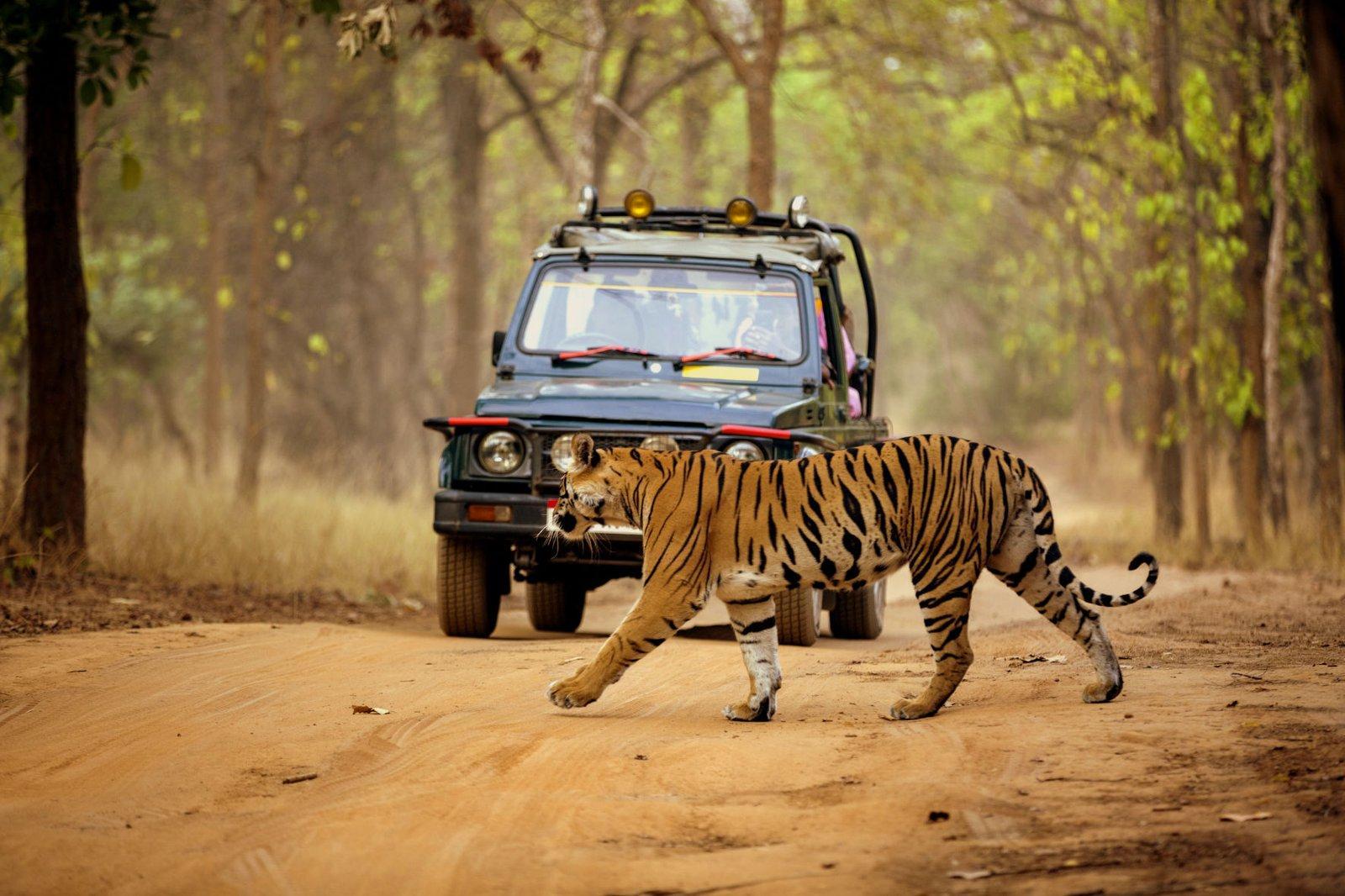
There’s a certain magic that intertwines with the very essence of jungle safaris, a type of adventure that captivates the hearts of many. The love for jungle safaris transcends mere tourism; it’s an emotional pilgrimage into the heart of nature’s wilderness where unpredictability reigns supreme. Each expedition promises the thrill of encountering majestic wildlife in their natural habitats, fueling a profound connection to the world around us. Studies in the psychology of travel suggest that these experiences significantly impact our mental health, especially for those who thrive on openness to experience. It’s no wonder that wildlife tourism has become a gateway for countless individuals to not only explore the great outdoors but also to engage in a journey of self-discovery and renewal.
When we speak of jungle excursions, we’re referring to a captivating blend of wildlife adventures and immersive nature experiences. These exploratory journeys into rich, untamed ecosystems offer more than just picturesque views; they are transformative quests for adrenaline seekers and nature lovers alike. Trekkers and adventurers alike often seek out these extraordinary escapades to fulfill their yearning for novel encounters with the wild. The unparalleled thrill of wildlife observation combined with the lush, serene backdrop of rainforests and savannas encapsulates a profound desire to reconnect with nature. As we delve into the allure of these outdoor adventures, we uncover their significant impact on mental rejuvenation and broadened horizons through wildlife experiences.
The Connection Between Openness to Experience and Jungle Safaris
Individuals with a high level of ‘openness to experience’ are often characterized by their curiosity, imagination, and willingness to explore the unknown. This personality trait attracts them to immersive experiences such as jungle safaris, where unpredictability reigns supreme. The thrill of potentially spotting elusive wildlife, like a tiger or an elephant, offers a unique combinative experience of excitement and serenity in nature’s embrace. Travelers cherish the surprises that unfold during their adventures in the wild, as these experiences not only challenge their senses but also evoke a deeper connection with the natural world.
Moreover, individuals attuned to nature find that their love for jungle safaris goes beyond mere adventure; it’s about rediscovering parts of themselves in the vibrant wilderness. Engaging with diverse ecosystems and observing animal behaviors can broaden their perspective, effectively enhancing their understanding of life’s complexities. This experience isn’t just about witnessing wildlife; it’s a profound journey that fosters emotional richness, as it introduces a sense of wonder and curiosity that can often fade in fast-paced, urban environments.
Emotional and Mental Benefits of Wildlife Tourism
Wildlife tourism, particularly through jungle safaris, offers significant mental health benefits that extend beyond the thrill of spotting an animal. Engaging intimately with nature promotes a sense of tranquility and rejuvenation, allowing travelers to break free from their everyday stressors. Studies in psychology suggest that the natural world has a restorative effect, aiding in reducing anxiety and improving overall mental well-being. As adventure seekers navigate through the wild, the sights, sounds, and smells serve as therapeutic stimuli, enhancing their mood and fostering a greater sense of happiness.
Additionally, these wilderness experiences cultivate an appreciation for biodiversity and environmental awareness, which are crucial in today’s climate-conscious world. Travelers who participate in jungle safaris often return home with a renewed commitment to conservation efforts. By developing a connection with wildlife and understanding ecological dynamics, they become ambassadors for nature, advocating for sustainable practices and inspiring others to cherish and protect the environment. This transformative experience reflects the profound link between mental health, personal growth, and an intrinsic love for exploring the wild.
The Unpredictable Adventure of Jungle Safaris
One of the defining traits of jungle safaris is their unpredictable nature. Each venture into the wilderness is a fresh adventure, filled with the potential for unexpected wildlife encounters. This aspect attracts many travelers who thrive on novelty and unpredictability, characteristics that align closely with high openness to experience. For these individuals, the thrill of not knowing what will happen next enhances the overall pleasure of the trip. Whether witnessing a rare animal sighting or experiencing a breathtaking sunrise over the savannah, each moment becomes a cherished memory.
Moreover, this unpredictability serves as a powerful reminder of the importance of patience and mindfulness. Safari-goers often spend hours observing the flora and fauna, cultivating a deeper appreciation for the delicate balance of ecosystems. This process instills a sense of calm, urging individuals to enjoy the journey rather than focus solely on the destination. By embracing uncertainty, safari enthusiasts often find that the journey itself provides as much joy and insight as the end goal of encountering majestic wildlife.
Building Connections Through Safari Experiences
Jungle safaris facilitate deeper connections not just with nature, but also among fellow travelers. Sharing the experience of anticipation and excitement when spotting wildlife fosters camaraderie among safari-goers. This shared journey creates bond opportunities, as participants exchange stories, joy, and emotions tied to the discovery of nature’s wonders. The communal aspect of jungle safaris turns individual adventures into collective memories, significantly enriching the travel experience.
Additionally, the social interactions found within safari groups can lead to meaningful relationships built on shared interests. From passionate discussions about wildlife to collective appreciation for the earth’s beauty, the experiences shared during jungle safaris often translate to lasting friendships. Hence, the connection forged in the wild highlights the social dimension of wildlife tourism, promoting a sense of community and shared responsibility for environmental conservation.
The Long-Lasting Impact of Safari Experiences
The experiences gained from jungle safaris tend to resonate with travelers long after the journey ends. Many people find that their love for nature intensifies following such excursions, leading them to partake in more wildlife tourism and conservation efforts. The psychological impact of connecting with nature allows individuals to carry these feelings of awe and inspiration back into their daily lives, influencing their behaviors, lifestyle choices, and even emotional well-being.
Furthermore, these experiences often inspire travelers to advocate for environmental causes upon returning home. Understanding the beauty and fragility of ecosystems encourages individuals to engage in sustainable practices, whether it’s minimizing waste, supporting wildlife protection initiatives, or educating others on the importance of biodiversity. Such advocacy is essential, as it exemplifies how a love for jungle safaris can transcend personal enjoyment, becoming a driving force for positive change in the wider global community.
Rediscovering Mental Clarity Through Nature
In an age where technology dominates our lives, the chance to immerse oneself in nature has become increasingly vital for mental clarity. Jungle safaris allow travelers to disconnect from their digital distractions and reconnect with the organic rhythms of life. The experience of evaluating intricate details of wildlife and landscapes promotes mindfulness and encourages individuals to live in the moment. Many safari-goers report feeling more centered and focused during and after their adventures, highlighting the significant mental health benefits of spending time in natural settings.
Research supports the idea that direct interaction with nature not only fosters mental clarity but also enhances problem-solving abilities and boosts creativity. As travelers partake in jungle safaris, they are engaged in observation, storytelling, and critical thinking about ecosystems and wildlife behaviors. Consequently, the lessons learned and the tranquility attained during these experiences can lead to improved cognitive functions that benefit individuals upon their return to everyday life.
Fostering an Appreciation for Conservation
Jungle safaris provide a profound opportunity for travelers to foster a deep appreciation for wildlife conservation efforts. Witnessing animals in their natural habitats creates a visceral understanding of the importance of biodiversity and the ecosystems they inhabit. This personal connection sparks passionate advocacy, leading individuals to become active participants in the fight against wildlife poaching, habitat destruction, and climate change.
Moreover, many safari companies offer initiatives and collaborations with local conservation efforts, further immersing travelers in the impact of their experiences. Engaging in volunteer programs, supporting local communities, or contributing to wildlife rehabilitation centers creates a lasting impression on individuals who participate. This unique integration of wildlife tourism with conservation efforts emphasizes the reciprocal relationship between nature lovers and the environments they treasure.
Rekindling Childhood Wonder Through Jungle Safaris
For many, the joy of jungle safaris resonates with the innocent wonder and exploration often felt during childhood. The experience of spotting wild animals in their natural habitats can evoke feelings of nostalgia, reminding travelers of simpler times filled with exploration and imagination. This rekindling of wonder inspires many adults to regain the curiosity and excitement they once held, ultimately fostering personal growth and emotional strength.
Returning to nature through jungle safaris also instills a sense of responsibility to be stewards of the land. It encourages individuals to nurture that sense of childlike wonder while actively participating in conservation and sustainable practices. By embracing their love for the wilderness, travelers can play a pivotal role in inspiring future generations to appreciate the beauty of nature and the importance of preserving it.
Nature as a Catalyst for Personal Transformation
Engaging with nature through jungle safaris can serve as a powerful catalyst for personal transformation. Many travelers find themselves reflecting on their values and priorities after spending meaningful time in wild environments. The simplicity of life on safari helps align personal and professional aspirations, urging individuals to pursue experiences that cultivate joy, meaning, and fulfillment. This introspection often leads to profound lifestyle changes, promoting healthier habits and a pursuit of passion-driven living.
Additionally, the challenges faced during jungle safaris, such as navigating unfamiliar terrains or processing unexpected events, foster resilience and adaptability among travelers. These qualities translate beyond the safari experience, equipping individuals with confidence to tackle challenges in their everyday lives. Embracing the opportunity to undergo personal transformation through nature ultimately enriches one’s life journey, leading to a more authentic and aware existence.
Frequently Asked Questions
How does the psychology of travel influence love for jungle safaris?
The psychology of travel plays a significant role in shaping people’s love for jungle safaris. Research indicates that individuals with high levels of ‘Openness to Experience’ are naturally drawn to immersive environments, which jungle safaris provide. These experiences allow travelers to explore unpredictable wildlife habitats, enhancing their connection with nature. As they embrace the uncertainty of safari experiences, they find not only thrill but also psychological benefits, as nature has been shown to positively influence mental health.
| Key Points | Details |
|---|---|
| Jungle Safari Experience | A thrilling adventure that allows travelers to see wildlife in their natural habitat, heightening anticipation and excitement. |
| Openness to Experience | Individuals who enjoy jungle safaris often have a high score in this personality trait, making them more likely to seek new and immersive experiences. |
| Unpredictability | The uncertain nature of wildlife sightings enhances the overall safari experience, making each moment unique and thrilling. |
| Mental Refreshment | Spending time in nature allows for improved creative thinking and mental clarity, often resulting in emotional revitalization for safari enthusiasts. |
| Difference from Traditional Tourism | Jungle safaris focus on intrinsic rewards such as learning and personal growth, rather than typical tourist activities. |
| Famous Naturalists | Notable figures like Jim Corbett and David Attenborough highlight the importance of exploring and understanding the natural world. |
Summary
Jungle safaris offer an unparalleled experience for nature lovers, drawing individuals back into the wild time and again. These adventures, filled with anticipation and excitement, reveal the incredible diversity of wildlife while allowing for personal growth and self-discovery. The unpredictability of each safari enhances its appeal, offering not just a journey but a transformative experience that resonates deeply with those open to new encounters in the natural world. As tourists bask in the beauty and mystery of jungles, they foster a profound appreciation for wildlife, reinforcing the connection between nature and well-being.