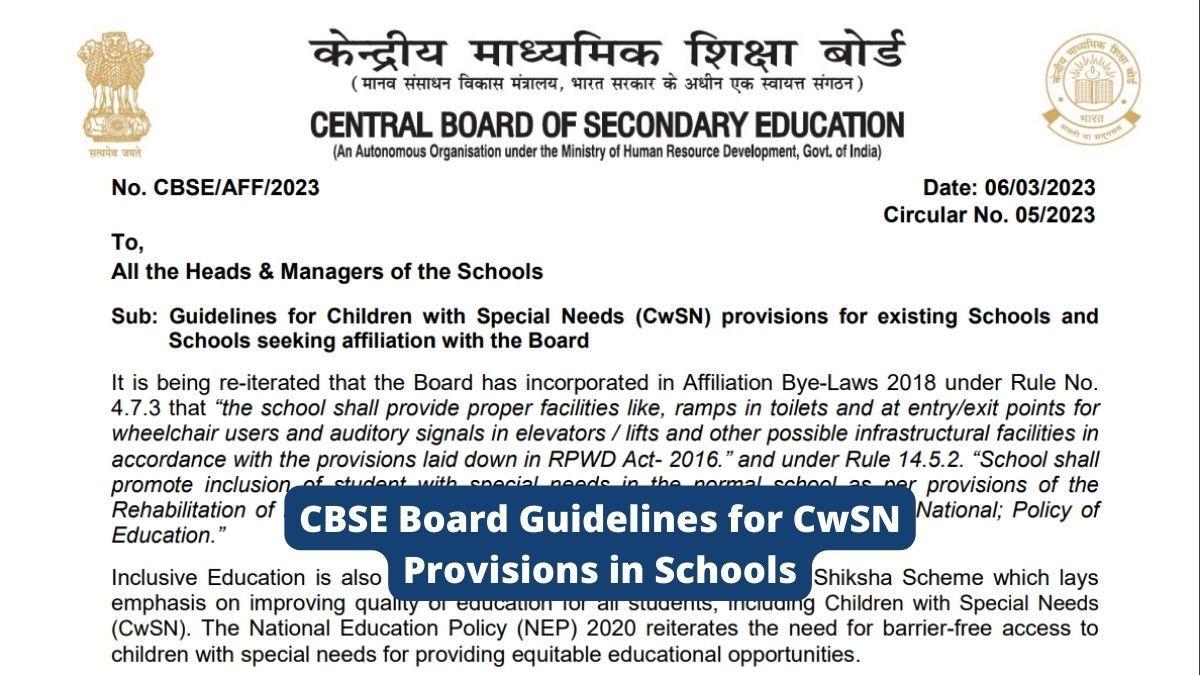
The CBSE three-language policy is a pivotal aspect of India’s education framework, aiming to promote linguistic diversity among students. Recently, the Central Board of Secondary Education (CBSE) revised its guidelines, offering a temporary exemption for Class 10 students from this language requirement, a decision influenced by concerns raised by parents and students about the mandatory inclusion of Indian languages. Under the new policy, students in Class 9 may continue their academic journey while studying two foreign languages alongside one Indian language, providing them with greater flexibility. This initiative is part of a broader education policy that emphasizes the importance of regional languages and cultural heritage in fostering a well-rounded educational experience. As the CBSE continues to implement these guidelines, it underscores its commitment to enhancing the academic landscape for future generations while preserving linguistic richness across the nation.
The three-language framework set forth by the Central Board of Secondary Education (CBSE) serves as a cornerstone for language education in Indian schools. This educational strategy is designed to cultivate proficiency in multiple languages, ensuring students can appreciate cultural nuances and communicate effectively. In light of recent adjustments, the board has granted specific dispensations to certain student cohorts, making the language requirement less burdensome while still encouraging the learning of indigenous languages. As part of its educational reforms, CBSE endeavors to strike a balance between maintaining academic rigor and accommodating the diverse linguistic backgrounds of its student population. Consequently, this policy not only reflects the current educational trends but also aims to create a more inclusive environment for learners.
Understanding the CBSE Three-Language Policy
The Central Board of Secondary Education (CBSE) has recently revised its three-language policy, aiming to promote linguistic diversity among students. This policy encourages the learning of at least two Indian languages, giving importance to regional languages and fostering a sense of cultural identity among students. The board’s decision to exempt the current Class 10 students from the three-language requirement highlights its adaptability in response to the needs and challenges faced by students and parents. As per the latest CBSE guidelines, students now have the flexibility to choose their language preferences, which makes the education policy more inclusive.
This change in the three-language policy is significant as it marks a shift towards a more practical approach in implementing language requirements. By allowing students to continue with two foreign languages alongside one Indian language, the CBSE acknowledges the diverse linguistic backgrounds of students and the importance of their individual learning paths. This flexibility is particularly beneficial for Class 9 students who may have already invested time in learning foreign languages, thus ensuring that the educational transition remains smooth and reasonable.
Implications of the Revised CBSE Guidelines
The revised CBSE guidelines not only redefine language requirements for Class 10 students but also set a precedent for future educational policies in India. With the phased implementation of the three-language formula starting from Class 6, the board is aiming to gradually prepare students for a more linguistically rich curriculum. This approach is crucial in a country like India, where a myriad of languages coexist, and the knowledge of multiple languages can enhance cognitive skills and career opportunities. Moreover, focusing on Indian languages supports the goal of preserving cultural heritage while also adhering to global educational standards.
Furthermore, the introduction of a two-level system for Mathematics and Science for Class 9 students reflects the CBSE’s commitment to enhancing academic rigor and assessment methods. By providing students the option to undertake advanced levels in these subjects, the board is promoting higher-order thinking skills and conceptual understanding. This aligns well with the overall education policy which aims to nurture well-rounded individuals equipped with necessary life skills. Ultimately, these changes represent the CBSE’s endeavor to cater to the evolving educational landscape while keeping in mind the necessity for linguistic and academic diversity.
Navigating Language Requirements in Indian Schools
The landscape of language education in Indian schools is evolving, especially with the CBSE’s implementation of the three-language policy. Understanding these language requirements is crucial for students and educators alike. The policy aims to strike a balance between preserving the mother tongue and promoting a multilingual environment. With the mandatory incorporation of at least two Indian languages, students are not only learning languages but also gaining insights into different cultures and histories, which is essential for a diverse nation like India.
In navigating these requirements, students should consider their interests and future aspirations when choosing their languages. The flexibility allowed under the revised guidelines means students can select a combination that suits their academic and personal goals. For instance, students inclined towards global careers might favor foreign languages, while those focused on local opportunities may choose regional languages. This strategic approach to language selection can significantly enhance their educational experience, making it both relevant and enriching.
The Role of Languages in Education Policy
Languages play a crucial role in shaping educational curricula and policies in India. The emphasis on the three-language policy by the CBSE reflects a broader initiative to promote linguistic diversity within the Indian education system. By recognizing the importance of Indian languages alongside foreign languages, the CBSE aims to create an inclusive environment that respects cultural identity while also preparing students for global citizenship. This dual focus not only enriches the academic life of students but also equips them with the communication skills essential for modern workplaces.
Moreover, education policies that prioritize multilingualism are imperative for cognitive development. Research has shown that learning multiple languages can improve problem-solving skills and enhance overall academic performance. By implementing the three-language policy, the CBSE is investing in the intellectual growth of students, aligning with educational goals that emphasize creativity, critical thinking, and adaptability. Ultimately, these policies reinforce the idea that language education is not merely about learning to communicate but also about building bridges between cultures and communities.
The Future of Language Education in CBSE Schools
The recent revisions to the CBSE’s language policy have stirred discussions about the future of language education within the board’s schools. With the increasing importance of multilingualism in the globalized job market, the CBSE’s commitment to providing diverse language options is a forward-thinking approach. The flexibility accorded to students, especially in Classes 9 and 10, indicates an understanding of their varied backgrounds and preferences, ensuring that language education remains relevant to modern educational needs.
Looking ahead, the CBSE may continue to adapt its language policies to meet the diverse demands of its student population. By integrating feedback from stakeholders, including students, parents, and educators, the board can fine-tune its policies to enhance learning outcomes. This collaborative approach is essential in fostering an education system that not only celebrates linguistic diversity but also equips students with the tools needed to navigate an increasingly interconnected world.
Challenges to the Three-Language Policy Implementation
While the CBSE’s three-language policy aims to enhance language learning among students, its implementation faces certain challenges. One of the primary concerns has been the balance between traditional education and the modern demands of students who may prefer focusing on foreign languages for career prospects. Such preferences can conflict with the policy’s intent to encourage the learning of Indian languages, leading to debates among parents and educators regarding the best path forward for student success.
Moreover, the logistical aspects of implementing this policy can also pose hurdles. Schools must be adequately resourced with qualified language teachers and appropriate materials to effectively teach multiple languages. This may not be feasible for all schools, particularly those in remote areas. Addressing these challenges will require a concerted effort from education authorities, institutions, and communities to foster an environment where language education can thrive and meet the needs of all students.
Cultural Importance of Language Learning in India
Language learning in India is not merely an academic requirement; it is intricately tied to the cultural heritage of the nation. The CBSE’s three-language policy underscores this cultural significance by mandating the learning of Indian languages. This initiative not only helps students preserve and appreciate their cultural identity but also fosters a spirit of unity in diversity that is pivotal to the Indian ethos. By encouraging students to learn multiple languages, the CBSE aims to create a generation that respects and celebrates its multifaceted heritage.
Furthermore, nurturing an appreciation for different languages can enhance interpersonal skills and empathy among students. As they delve into various languages, students gain insights into the traditions, values, and histories tied to those languages. This understanding goes beyond grammar and vocabulary, fostering a greater appreciation for the nation’s multicultural tapestry. Ultimately, the cultural importance of language learning can significantly enrich a student’s education, making them not only knowledgeable but also more compassionate individuals.
Future Prospects for Class 10 Students under CBSE
The recent decision by the CBSE to exempt the current batch of Class 10 students from the three-language requirement has opened new prospects for these students. This one-time relaxation allows them to focus on languages that align better with their academic strengths and future aspirations, removing the pressure of additional language exams during critical board years. Students can now prioritize advanced competency in their selected languages, potentially enhancing their performance in both academics and extracurricular activities.
As the education policy continues to evolve, Class 10 students must remain adaptable. With the phased introduction of new curricular changes, such as the two-level system for Mathematics and Science, students will need to be proactive in navigating these educational shifts. Engaging actively with their language choices while considering future educational paths will be crucial. This adaptability will not only prepare them for forthcoming academic challenges but will also equip them with the skills necessary to thrive in an increasingly globalized world.
Feedback and Reactions to the Revised Language Policy
The CBSE’s recent revisions to its language policy have elicited a mixed bag of reactions from students, parents, and educators. While some stakeholders are appreciative of the flexibility allowed in language choices, others express concerns regarding the long-term impacts of these changes on students’ linguistic competencies. Feedback is crucial in shaping these educational policies, and the CBSE seems to be committed to garnering insights that will help in refining its approach. Engaging with the varying opinions can provide valuable perspectives on how to enhance language education further.
Moreover, hearing from students who are directly affected by the language policy is essential. Many students are eager to share their experiences and preferences, which could inform future decisions by the CBSE. Continued dialogue between the board and its stakeholders can lead to a more effective implementation of the three-language policy, ultimately benefiting everyone involved in the educational ecosystem. As more voices become part of the conversation, the evolution of language education under the CBSE can adapt to the ever-changing needs and aspirations of Indian students.
Frequently Asked Questions
What are the latest CBSE guidelines regarding the three-language policy for Class 10 students?
The revised CBSE guidelines for the three-language policy state that Class 10 students will not be required to follow this requirement. This decision offers a one-time relaxation for the current batch of Class 10 students and allows students in Classes 7, 8, and 9 to bypass board examinations in a third language when they reach Class 10. For students in Class 9 during the 2026-27 academic session, they may study two foreign languages along with one Indian language as their third language.
| Key Point | Description |
|---|---|
| Date of Implementation | June 29, revised guidelines issued. |
| Exemption for Class 10 | Current Class 10 students are exempt from the three-language requirement. |
| One-time Relaxation for Class 9 | Class 9 students can study two foreign languages along with one Indian language. |
| Phasing of the Policy | The three-language formula will be phased in starting from Class 6. |
| New Mathematics and Science System | A two-level system will be introduced for Mathematics and Science for Class 9 from the 2026-27 session. |
| Examination Schedule | First board exams under the new system will be in 2028 for students entering Class 9 during 2026-27. |
| Previous Clarification | Students can take a foreign language only as a third language if they have studied two Indian languages first. |
Summary
The CBSE three-language policy aims to foster linguistic diversity among students by mandating the learning of multiple languages. The revised guidelines, implemented on June 29, exempt current Class 10 students from adhering to this policy, showing flexibility in its application. This measure allows Class 9 students to continue with two foreign languages alongside one Indian language, ensuring that students have options suited to their educational paths. The phased introduction starting from Class 6 emphasizes the importance of learning languages from an early age, preparing students for a multilingual environment. Additionally, the introduction of the new Mathematics and Science assessment system highlights CBSE’s commitment to enhancing the curriculum and addressing students’ varying capabilities. Overall, the policy reflects CBSE’s intent to promote holistic education and cultural appreciation.