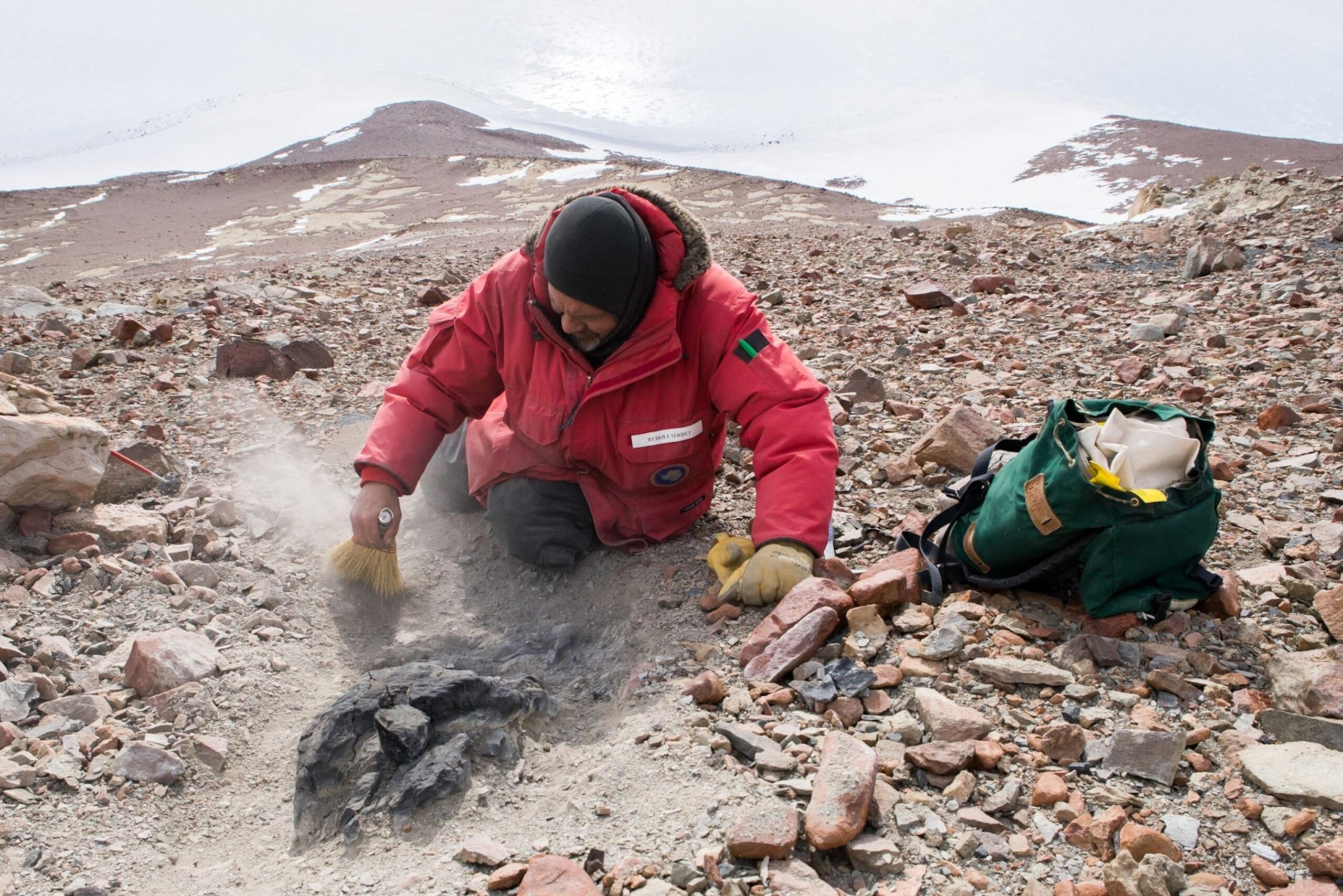
The recent identification of Antarctica’s dinosaur fossil has opened a fascinating window into the continent’s prehistoric past. Originally overlooked for nearly 40 years, this remarkable fossil was discovered tucked away in a museum drawer, where it had been silently catalogued among numerous geological specimens. Researchers have determined that this ancient bone represents the oldest dinosaur fossil found in Antarctica, providing critical insights into a previously unrecognized landscape teeming with life millions of years ago. This revelation not only highlights Antarctica’s rich dinosaur heritage, including significant Titanosaur discoveries, but also enhances our understanding of ancient ecosystems that existed long before the icy expanse we see today. As a result, this breakthrough enhances the ongoing Antarctica fossil findings and sparks curiosity about other undiscovered remnants of prehistoric life that may yet lie hidden beneath the ice.
The remarkable finding of dinosaur remnants in Antarctica sheds light on a time when the region was far more hospitable than the barren ice that dominates its expanse today. Discovered after decades of neglect, the earliest-known dinosaur bone, believed to be a relic of a Titanosaur, illustrates the diversity of prehistoric life that once flourished in this frigid environment. This unexpected revelation underscores the potential for additional discoveries within Antarctica’s fossil-rich landscape, where remnants of ancient ecosystems are buried under thick layers of ice. As scientists explore this treasure trove of dinosaur bones, they piece together the story of an age when the continent was a lush habitat, revealing not just the lives of dinosaurs but also offering insights crucial for understanding the planet’s climatic history. These findings are pivotal, enhancing our knowledge of ancient ecosystems even as they inspire new research directions at dedicated dinosaur bone museums around the world.
Uncovering Antarctica’s Dinosaur Fossil: A Historic Discovery
The recent discovery of the oldest known dinosaur fossil in Antarctica marks a significant milestone in paleontological research. After being hidden away in a museum drawer for nearly 40 years, this remarkable specimen was originally unearthed during an expedition on James Ross Island in the mid-1980s. The fossil, initially thought to belong to an ancient reptile, is now recognized as part of the ancient world of dinosaurs, specifically a titanosaur. This revelation not only sheds new light on the prehistoric fauna of Antarctica but also highlights the importance of reevaluating specimens that may not initially appear extraordinary.
The reidentification of this dinosaur bone emphasizes the potential for further discoveries among other neglected collections in museums worldwide. With technology and methods advancing, retrospectively studying existing specimens can lead to significant breakthroughs in understanding the evolution and distribution of dinosaurs. These endeavors underscore the intrigue of paleontology, reminding us that even the seemingly mundane can hold keys to earth’s distant past, particularly in regions like Antarctica that have their secrets buried beneath thick ice.
Antarctica Fossil Findings: A Window into Prehistoric Life
The recent findings of dinosaur fossils in Antarctica are vital in reconstructing the planet’s prehistoric ecosystems and understanding the climatic conditions that existed millions of years ago. During the Late Cretaceous period, the continent was characterized by lush forests and a diverse range of flora and fauna, unlike the icy landscape known today. This incredible transformation over millions of years illustrates how life can adapt and evolve in response to changing environments. Insights gained from fossils such as the Antarctic titanosaur can help scientists piece together the migratory patterns and lifestyles of these ancient creatures, along with their interactions within a once-thriving ecosystem.
Moreover, these discoveries challenge existing knowledge about dinosaur distribution and lifestyle. Finding a titanosaur in Antarctica suggests that these large herbivores were capable of thriving in what was once a warmer climate south of the equator. It highlights the significance of Antarctica not just as a landmass shrouded in ice but as an integral part of prehistoric biodiversity. Understanding these fossil findings helps guide future expeditions and encourages a reevaluation of the regions that paleontologists focus on when searching for evidence of ancient life.
The Impact of Titanosaur Discoveries on Global Paleontology
The identification of the Antarctic fossil as a titanosaur has significant implications for the study of global paleontology. Titanosaurs were some of the largest land mammals to roam the Earth, and their presence in Antarctica reinforces the idea that these creatures had a more extensive distribution than previously believed. By understanding where titanosaurs lived and how they adapted to different environments, researchers can gain deeper insights into the evolutionary history of dinosaurs and their responses to climate change.
Furthermore, this discovery can influence the direction of future paleontological research. As scientists and researchers apply modern technologies and methodologies to older specimens, previously overlooked fossils may offer invaluable data about dinosaur behavior, morphology, and their environment. It encourages a paradigm shift in how we approach fossil collections, urging the scientific community to acknowledge the potential significance of each specimen stored in museum drawers across the globe.
Antarctica’s Geological History: Insights from Dinosaur Bones
The geological history of Antarctica reveals a rich past that included a diverse range of ecosystems where dinosaurs thrived. The examination of fossils, including the newfound titanosaur bone, allows scientists to reconstruct ancient environments and their climatic conditions. By studying these fossils, we can understand how tectonic movements, sea levels, and other geological events have influenced the evolution of life in this region over millions of years. Every fossil unearthed serves as a piece of a much larger puzzle that illustrates Earth’s dynamic history.
Furthermore, these ancient bones provide context for contemporary discussions about climate change. As we learn more about the habitats and ecosystems that existed on a once temperate continent, we can draw parallels to our current ecological challenges. Investigating how prehistoric beings adapted, thrived, or perished due to climatic shifts offers critical lessons about resilience and adaptability. In this way, the titanosaur fossil serves not only as a scientific marker but also as a historical reminder of the Earth’s ever-changing narrative.
Preserving Antarctica’s Dinosaur Heritage in Museums
The recent unearthing of the Antarctic titanosaur emphasizes the importance of maintaining and preserving fossil collections within museums worldwide. Every specimen tells a story about our planet’s history, and the way they are cataloged and studied can significantly impact future scientific endeavors. Proper documentation and preservation of these fossils are essential for ensuring that researchers can make new discoveries as techniques and technologies evolve.
Moreover, this situation calls attention to the need for increased investment in paleontological research and funding for museum resources. By expanding public interest in fossil collections and educating the community on their value, museums can play an essential role in preserving this heritage for future generations. Engaging the public helps to foster a love for science and history, ensuring that discoveries like the Antarctic dinosaur fossil continue to inspire curiosity and excitement about our planet’s past.
Revisiting Ancient Ecosystems: Implications of Antarctic Fossils
The discovery of the Antarctic titanosaur invites a reevaluation of ancient ecosystems that existed when dinosaurs roamed the Earth. It opens avenues to explore how various species coexisted and adapted to changing climates millions of years ago. The tantalizing prospect of uncovering more dinosaur fossils in previously unexplored regions of Antarctica poses opportunities to discover further evidence to clarify our understanding of prehistoric biodiversity and ecosystems.
Despite the challenges presented by the icy conditions of Antarctica, every successful excavation offers insights into the continent’s past. Specimens recovered from the region emphasize how interconnected life is across the globe and encourage collaborative international efforts in research. As scientists continue to piece together the mysteries of prehistoric Antarctica, each fossil discovered enriches the broader narrative of life on Earth, inviting researchers to visualize a world once teeming with giant dinosaurs amidst vibrant ecosystems.
The Role of Technology in Dinosaur Fossil Identification
Advancements in technology have dramatically transformed how paleontologists identify and study dinosaur fossils. In the case of the Antarctic titanosaur, modern techniques such as imaging and 3D modeling have enabled scientists to analyze fossils in ways that were previously impossible. These methods allow for more precise identification and understanding of the anatomical features, helping to confirm classifications that were once speculation based on incomplete evidence.
The integration of technology in paleontology not only enhances the accuracy of fossil identifications but also makes collaboration among scientists more effective. Shareable digital datasets allow researchers from various disciplines to access and analyze findings without the need for physical transportation of the specimens. Consequently, new discoveries are more likely to emerge from collaborative efforts, advancing our knowledge of the evolutionary history of dinosaurs and the ecosystems they inhabited.
Implications of the Antarctic Titanosaur on Climate Change Understanding
Understanding the Antarctic titanosaur fossil provides crucial insights into how dinosaurs adapted to past climate changes, which could inform our understanding of today’s environmental challenges. The ability of these creatures to inhabit a vastly different Antarctic landscape offers clear parallels to the ways species may need to adapt in response to current global warming trends. Investigating how prehistoric organisms survived and thrived during periods of climate shifts can offer lessons for contemporary conservation efforts.
Furthermore, the study of ancient environments through fossils aids climate scientists in modeling potential future scenarios based on historical data. The preservation and analysis of specimens such as the Antarctic titanosaur allow for a greater comprehension of long-term climate variability—informing predictions and strategies to combat the effects of climate change. Each insight uncovered through fossil research contributes to a bigger picture about our planet’s resilience and highlights the urgency of protecting existing biodiversity.
The Significance of Antarctica’s Dinosaur Bone Museum Collection
The hidden treasures within museums, such as the Antarctic dinosaur fossil, underline the significance of museum collections as critical repositories of paleontological knowledge. These collections not only represent a vast array of specimens but also a valuable record of historical biodiversity. As innovative research methodologies arise, museums can become laboratories for new discoveries and re-examinations, paving the way for enhanced understanding of ancient life.
In addition, museum collections serve to inspire future generations and foster a societal appreciation for science and history. Organizing exhibits and public talks on discoveries like the Antarctic titanosaur fossil can captivate audiences and encourage interest in geology and paleontology. Ultimately, the role of museums extends beyond mere storage; they are active centers for education and discovery that cultivate curiosity about our planet’s vast and dynamic history.
Frequently Asked Questions
What is the significance of the oldest dinosaur fossil found in Antarctica?
The oldest dinosaur fossil discovered in Antarctica, a Titanosaur vertebra, is significant as it provides insight into the prehistoric ecosystem of the continent, which was once covered in lush forests rather than ice. This finding enriches our understanding of Late Cretaceous biodiversity in Antarctica.
| Key Point | Details |
|---|---|
| Discovery History | The dinosaur fossil was collected in the mid-1980s during an expedition and remained unnoticed for 40 years. |
| Identification | Initially assumed to be an ancient reptile, further examination identified it as the earliest dinosaur bone from Antarctica. |
| Fossil Type | The fossil is associated with titanosaurs, large herbivorous dinosaurs from the Late Cretaceous period. |
| Size of Specimen | The specimen measures approximately 7 meters, suggesting it could be either a young dinosaur or a smaller species. |
| Ancient Climate | During the Late Cretaceous, Antarctica was forested and supported a diverse range of fauna, contrasting sharply with its current icy state. |
Summary
The Antarctica dinosaur fossil represents a significant discovery that has altered our understanding of the continent’s prehistoric ecosystems. This remarkable find, hidden for decades in a museum drawer, has been identified as the earliest dinosaur bone ever uncovered in Antarctica, shining a light on a time when the continent was lush and verdant, brimming with life. This fossil underlines the dynamic history of Antarctica, revealing that it was once home to large herbivorous titanosaurs during a warmer climate, highlighting the complexity and diversity of ancient life in a region that is now predominantly ice-covered.