Corporate downsizing has become a widespread practice within the business world, typically seen as a strategic move aimed at streamlining operations and boosting overall productivity. While executives may tout the benefits of workforce reductions to enhance the bottom line, the impact of downsizing often reverberates throughout entire organizations, leaving a trail of job security concerns among remaining employees. Recent insights suggest that the morale and economic outlook of these workers can be closely tied to insider trading signals, revealing their confidence in company leadership and future success. This process involves critically evaluating how remaining employees and pundits react to employee stock purchases, especially during these tumultuous transitions. As recent case studies of tech industry giants illustrate, understanding these dynamics can provide valuable clues for investors seeking clarity in an uncertain financial landscape.
In business vernacular, reducing workforce numbers—often referred to as workforce realignment or staff restructuring—has become a common occurrence amid shifting market demands. Executives frequently assert that these strategies will enhance operational efficiency and pave the way for business turnaround strategies. However, the ripple effects of such decisions can lead to growing anxieties regarding job security and company stability among employees. By analyzing stock trading behaviors of company insiders, especially during layoffs, stakeholders can gain insights into the potential long-term viability of the organization. Ultimately, it is essential for both employees and investors to grasp the implications of these workforce changes and their corresponding impact on overall market performance.
Understanding Corporate Downsizing and Its Impacts
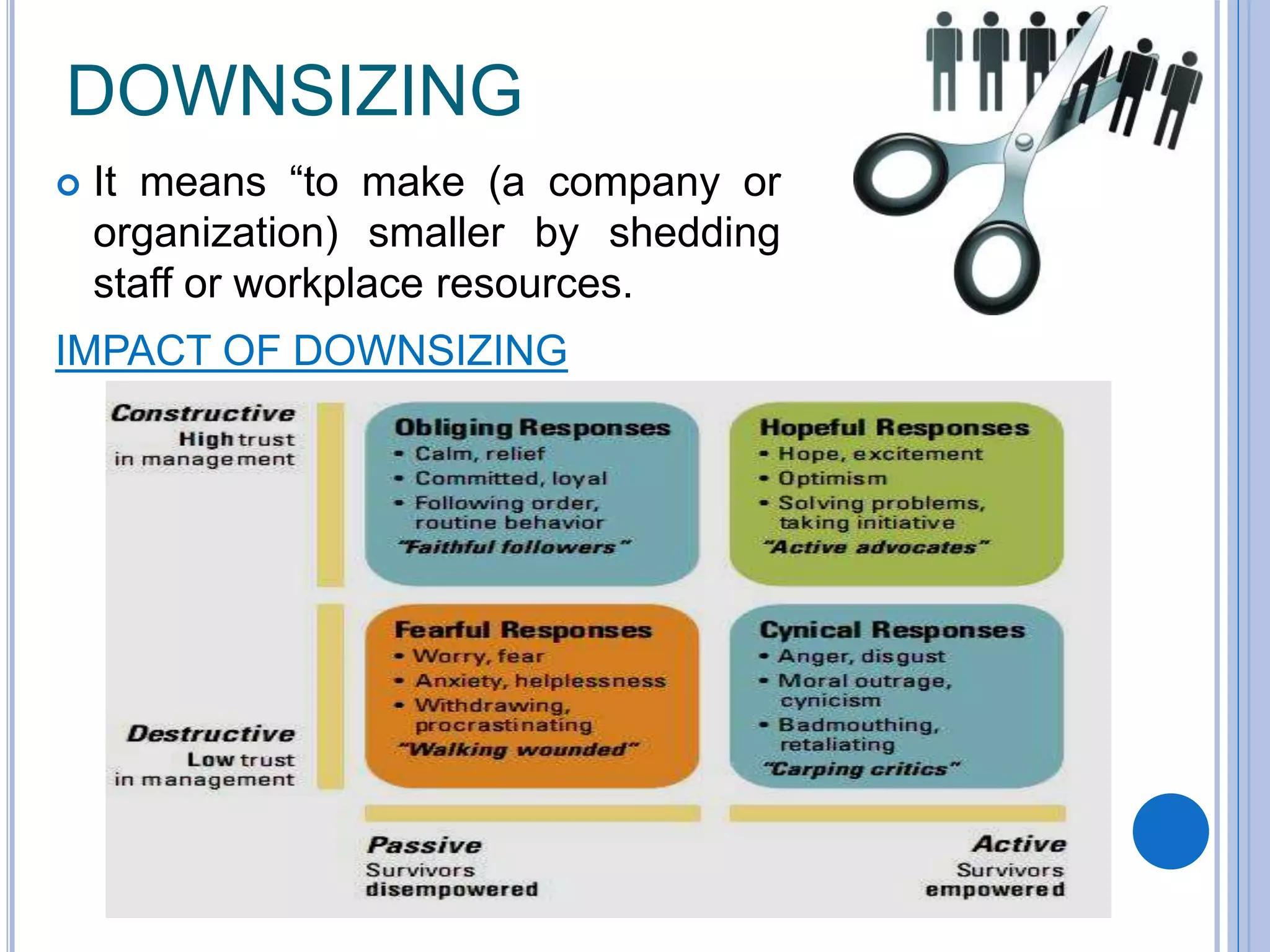
Corporate downsizing is often seen as a necessary strategy for businesses facing economic challenges. When a company announces layoffs, it usually aims to reduce operational costs and improve efficiency. However, the implications of downsizing extend beyond the immediate financial benefits. Employees, particularly those whose positions are eliminated, face the harsh reality of job insecurity and economic instability. Moreover, for those who remain, the atmosphere can shift dramatically, leading to increased stress and concerns regarding their own job security, and eroding any sense of company loyalty that may have existed before.
The recent wave of layoffs in industries, notably in tech giants like Meta, reflects a growing trend where businesses are pressed to adapt quickly to changing market conditions, particularly due to advancements in technology. Consequently, the impact of downsizing has broad ramifications, as it not only affects the immediate workforce but also can skew public perception of the company’s stability and prospects. Stakeholders need to consider how these operational shifts may influence stock performance and overall investor confidence.
Insider Trading Signals During Downsizing
Insider trading often carries a negative connotation; however, legal stock transactions by corporate insiders can provide valuable insights, especially during times of corporate downsizing. When executives and senior employees buy shares of their own company amidst layoffs, it can signal their confidence in the company’s future. This insider buying trend suggests that they believe the downsizing will lead to a successful business turnaround, which can also reflect their assessment of the company’s longer-term health and stability.
To analyze the effect of insider trading during downsizing events, researchers have found that an uptick in stock purchases by insiders correlates with a more optimistic outlook for a company’s financial recovery. These protected insights become valuable not only for investors but also for remaining employees at the firm. When insiders invest their personal funds in the company’s stock during times of layoffs, it can instill a sense of security among the workforce and illustrate a commitment to the company’s revival efforts.
Job Security Concerns and Employee Responses
Job security has become an increasingly pressing concern for workers, especially amidst the upheaval of corporate downsizing. As businesses restructure to remain competitive, employees often find themselves in a precarious position, worrying about their own futures. This anxiety is compounded when observing their colleagues being let go, which can lead to decreased morale and productivity among those who remain. Ultimately, understanding the dynamics of job security is vital for any organization attempting to maintain a motivated workforce while navigating periods of significant change.
Moreover, employees still at the firm must continuously evaluate their situation and the company’s trajectory, especially following announcements of layoffs. This consideration prompts them to remain vigilant about insider stock trading signals. By closely monitoring the activities of corporate insiders, employees may gain insights into the potential stability of their roles and whether the leadership’s strategies are likely to yield desired results. Understanding these signals can help employees make informed decisions about their current positions and career paths.
Business Turnaround Strategies After Downsizing
After a corporate downsizing, effective business turnaround strategies are critical for ensuring long-term sustainability and success. While layoffs can provide immediate financial relief, they must be integrated into a comprehensive recovery plan that focuses on growth, innovation, and market re-engagement. Companies need to address the psychological fallout of such drastic measures on their remaining employees and reinvigorate corporate culture. This can involve re-evaluating the company’s mission, enhancing operational efficiencies, or exploring new markets to remain competitive.
Additionally, transparency in the steps taken post-downsizing helps build trust among remaining employees and stakeholders. By conveying the rationale behind layoffs and detailing the strategic vision moving forward, organizations can foster an environment where employees feel valued and informed. This alignment and focus on future goals can lead to increased employee engagement and performance, ultimately enhancing the likelihood of a successful turnaround.
The Legal Framework of Insider Trading
Insider trading, while often maligned, plays a crucial role in financial markets, particularly in the context of corporate downsizing. The legal framework established by laws such as the Sarbanes-Oxley Act not only aims to curb illegal trading practices but also ensures transparency for legitimate trading activities among company insiders. Following corporate announcements, like layoffs, insiders are required to disclose their purchases and sales of company stock, making this information accessible to the public. Investors and analysts alike can use this data to assess insider confidence in their organizations’ prospects.
Understanding the nuances of legal insider trading offers investors a unique perspective when evaluating a company’s future. Rather than viewing trade activity in isolation, stakeholders can use changes in insider trading patterns as signals of potential company performance. This proactive approach can significantly influence investment decisions during challenging times, including periods marked by corporate downsizing.
Economic Factors Influencing Corporate Downsizing
Economic factors play a pivotal role in influencing corporate downsizing decisions. Changes in market demand, advancements in technology, and shifting consumer behavior often compel businesses to rethink staffing requirements. The rapid evolution of artificial intelligence and automation has prompted many companies to streamline their workforce to remain competitive, as seen in numerous tech firms. This context is critical for understanding how economic pressures translate into workforce reductions, which can significantly alter the landscape of job security and employee trust.
Moreover, external economic conditions also affect investor sentiment, which can, in turn, impact stock performance following downsizing announcements. Economic forecasts and performance are closely monitored by investors; any indication of a potential recession or slowing market growth tends to amplify fears of layoffs and workforce adjustments. Understanding these correlations provides a comprehensive view of the landscape that companies navigate when making decisions that ultimately affect their employees and stakeholders.
Analyzing Stock Performance Post-Downtime
Post-downsizing stock performance can provide critical insights into the effectiveness of a company’s turnaround strategies. Anecdotal evidence suggests that firms initiating layoffs often experience a temporary uplift in stock prices, primarily driven by immediate cost reductions and market speculation. However, to maintain sustained growth beyond this initial recovery phase, companies must demonstrate a commitment to genuine strategic shifts and operational improvements.
Tracking stock performance after a downsizing event reveals more than just short-term gains; it can illuminate the deeper health of a business and its recovery trajectory. Investors should analyze insider trading trends, market conditions, and subsequent company performance metrics to make well-rounded investment decisions. A nuanced interpretation of stock behavior can reveal underlying patterns that are reflective of a company’s future potential in the marketplace.
The Importance of Employee Stock Purchases
Employee stock purchases are a significant mechanism by which workers can align their interests with those of the company. Engaging in stock purchases allows employees to benefit from potential growth and recovery, particularly following a period of downsizing. By investing in their own companies, workers can signal their confidence in the management’s strategy and long-term vision post-downsizing, fostering a sense of belonging and shared purpose.
Furthermore, employee ownership through stock purchases can have positive implications for overall company culture and performance. Employees with stake in the company often exhibit heightened levels of commitment and motivation, which can be especially valuable during challenging periods of change. This buy-in can also improve productivity and retention, factors that are crucial for successful business recovery efforts following workforce reductions.
Investment Strategies in a Volatile Job Market
In a volatile job market characterized by frequent corporate downsizing, investors are continually reassessing their strategies. Navigating the fluctuating climate requires investors to analyze potential signals of company health, such as insider trading activity and employee sentiment regarding job security. Keeping a close eye on stock behaviors and announcements can provide guidance in crafting informed investment tactics during uncertain times.
Moreover, diversifying investment portfolios and being cautious about relying solely on historical performance becomes paramount in a landscape prone to rapid shifts. Understanding the relationship between layoffs, stock purchases by insiders, and overall company performance helps investors mitigate risks while optimizing returns in an unpredictable environment. Forward-thinking strategies that account for actual company dynamics will likely yield better results as businesses adapt to the pressures of a changing economy.
Frequently Asked Questions
What is the impact of downsizing on employee job security?
Corporate downsizing often leads to significant job security concerns among employees. As companies reduce their workforce to streamline operations, remaining employees may feel anxious about their future, fearing further layoffs. This growing pessimism can affect morale and productivity, making it crucial for businesses to communicate openly about their strategies and the expected outcomes.
How do insider trading signals relate to corporate downsizing?
Insider trading signals can provide insights into corporate downsizing strategies. When senior executives buy their own company’s stock during a downsizing event, it often indicates their confidence in the company’s turnaround plans. Conversely, increased selling by insiders might signal uncertainty regarding the organization’s future. Analyzing these trades can help investors gauge the potential success of a company’s downsizing efforts.
Can employee stock purchases influence the outcomes of corporate downsizing?
Yes, employee stock purchases can significantly influence the outcomes of corporate downsizing. Research shows that when insiders buy shares during downsizing events, it is typically a positive signal indicating their belief in a successful turnaround. Companies where insiders purchase stock often see improved financial performance post-downsizing, while those where insiders do not show the same optimism may struggle.
What are effective business turnaround strategies during corporate downsizing?
Effective business turnaround strategies during corporate downsizing include a clear communication plan, maintaining employee morale, and strategically reallocating resources. Companies may also focus on cost reduction while investing in innovation and operational efficiency. Successful turnarounds often rely on a combination of decisive action and transparency with both employees and stakeholders.
Why is it essential to monitor job security concerns during corporate downsizing?
Monitoring job security concerns during corporate downsizing is essential because it helps managers understand the emotional and psychological impact on remaining employees. High levels of anxiety can lead to decreased productivity and increased turnover. Addressing these concerns through clear communication and support can facilitate a smoother transition and enhance overall organizational stability.
| Key Point | Details |
|---|---|
| Corporate Downsizing Strategy | Executives believe that reducing workforce can improve efficiency and profitability. |
| Impact on Workers | Downsizing creates job insecurity and pessimism among remaining employees and impacts morale. |
| Insider Trading Insights | Employees’ buying/selling patterns of company stock can indicate confidence in the company’s recovery plans. |
| Research Findings | Analysis shows insiders are more likely to buy shares during downsizing, predicting better future performance. |
| Successful Case Study | Companies like Ball Corp. showed improved stock performance post-downsizing when insiders were buying. |
Summary
Corporate downsizing is a strategic move that companies often employ to streamline operations and increase productivity. While it can lead to immediate financial benefits, it also poses significant risks for the employees involved and raises questions about long-term sustainability. Understanding the implications of corporate downsizing, including the signals sent through insider trading by executives, can offer crucial insights for both investors and existing employees regarding the potential success of turnaround strategies.