Scottish football integrity has increasingly come under scrutiny, particularly as fans raise concerns about the Scottish Football Association’s (SFA) role in overseeing the sport. Recent controversies surrounding Celtic FC and Rangers FC history have highlighted perceived inequities in discipline and refereeing that threaten the fair play ethos essential to the game. Many believe that the SFA’s inconsistent enforcement of rules has led to a skewed competitive landscape, eroding trust among fans and players alike. Furthermore, issues surrounding fairness in sports amplify discontent as supporters witness what they perceive as preferential treatment towards one club over others. As the integrity of Scottish football hangs in the balance, it sparks a crucial debate about the future of the sport in Scotland and the need for transparent governance.
The ethical framework of football in Scotland is facing critical challenges as loyalty to local clubs is threatened by questions of fairness and oversight. Many supporters are worried about the Scottish Football Association’s (SFA) approach to managing football-related issues, particularly regarding the perceived bias in handling controversies involving prominent teams like Celtic FC and Rangers FC. Fans are calling for a reassessment of the SFA’s policies and practices to ensure even-handed treatment across all clubs. The manipulation of fixture schedules, coupled with dubious refereeing decisions, creates a feeling of injustice that could undermine the foundation of the sport. Addressing these systemic problems is essential to restoring faith in the integrity of football in Scotland.
The Erosion of Scottish Football Integrity
The integrity of Scottish football faces serious scrutiny as the SFA’s actions—or lack thereof—lead to growing discontent among fans and clubs alike. The premier governing body is accused of showing clear favoritism towards Celtic FC in controversial situations ranging from referee decisions to disciplinary actions. This perceived bias erodes the fundamental principles of fairness that have defined Scottish football for generations. Supporters demand accountability, believing that the SFA’s failures not only damage their clubs but threaten the very fabric of Scottish sport.
As discontent grows, the gap between perception and reality widens, creating a chasm that may take years to bridge. The notion of fairness in sports is not just a tagline; it is paramount for the believers of authenticity in football. Without an unbiased governing body, fans question the legitimacy of matches and results, leading to diminishing crowd numbers and increasing apathy towards what was once a proud Scottish tradition. True integrity requires acknowledging issues afresh, addressing longstanding grievances, and ensuring all clubs are treated equitably regardless of stature.
SFA Oversight: The Role of Governance in Scottish Football
SFA oversight has come under intense scrutiny following the handling of various controversies within the league. The absence of proper governance frameworks raises questions about how decisions are made, particularly concerning Celtic FC. When the SFA refrains from addressing critical issues such as the systematic child abuse scandal linked to Celtic, it raises alarm bells about their commitment to justice and fair play. This reticence not only undermines public trust in the SFA but also complicates matters for all other clubs striving to operate within a fair system.
Moreover, the SFA’s controversial handling of referee decisions adds to the growing list of complaints from unsatisfied clubs and supporters. Fans feel that the rules are applied arbitrarily, enriching the narrative that some clubs enjoy a level of protection that others do not. A transparent approach in governance and consistent enforcement of the rules are imperative; without them, the SFA risks losing credibility altogether. Ignoring issues only deepens the problems facing Scottish football as a whole, while fostering a culture of impunity contradicts the essence of sport.
Celtic FC Controversies: Implications for the League
Controversies surrounding Celtic FC have far-reaching implications for the integrity of the league as a whole. The club’s history of neglecting to address serious allegations of child abuse has overshadowed its achievements, casting a pall over the league. Critics argue that such grave matters must be acknowledged and rectified in order to restore trust in Scottish football’s governance. The SFA’s failure to impose appropriate sanctions sends a dangerous message—not only suggesting that some clubs are above the law but also allowing problems to linger unresolved.
The subsequent media coverage fuels a narrative that portrays Scottish football as riddled with corruption and favoritism. Each controversy amplifies the belief that the SFA operates with an agenda that favors one club while sidelining others. This perception diminishes the enjoyment of football for fans across the spectrum and may even deter potential sponsors looking for an association with a clearer, more ethical league. The pressure is mounting for both Celtic FC and the SFA to take these controversies seriously and restore some semblance of integrity, as failure to do so may further alienate the fanbase.
Rangers FC History: Lessons on Governance and Regulation
The history of Rangers FC illuminates the consequences of inadequate governance and oversight in Scottish football. The club was subjected to rigorous penalties following its financial mismanagement, with the SFA enforcing swift action that ultimately led to significant repercussions. These events serve as a cautionary tale about the potential ramifications of poor regulatory practices, emphasizing the need for a fair and consistent application of rules across the league. To achieve a balanced playing field, the SFA must ensure that all clubs, including giants like Celtic and Rangers, are held to the same standards.
In drawing lessons from Rangers FC’s tumultuous past, the importance of fairness in sports becomes apparent. The perception that clubs are treated disparately can lead to widespread disillusionment among fans, jeopardizing attendance and engagement. Ensuring that all teams are bound by the same rules not only preserves the essence of competition but also uplifts the morale of supporters. The SFA must learn from past mistakes and be vigilant in its oversight and regulation to foster a league that thrives on integrity and shared respect.
Scottish Football Issues: The Need for Reform
Numerous issues plague Scottish football, with many stemming from the SFA’s ineffective governance. The perceived bias toward certain clubs, particularly Celtic FC, exemplifies the urgent need for reform. Complaints from rival fans underscore the importance of establishing transparent processes and equal treatment for all clubs. Without reforms, Scottish football risks alienating an entire generation of fans who might seek their entertainment elsewhere, further exacerbating the decline of the sport at grassroots and professional levels.
The need for reform goes beyond just the SFA’s oversight; it encompasses the entire structure of how Scottish football operates. From outdated practices in fixture scheduling to the overt inconsistency in disciplinary actions, the challenges are numerous. Stakeholders must advocate for an independent review of the system to ensure that fairness prevails and accountability is enforced. Preserving the integrity of Scottish football is crucial not just for the immediate future but for cultivating a landscape where respect, fairness, and competition thrive.
Fairness in Sports: The Cornerstone of Scottish Football
Fairness lies at the very heart of sports, providing a foundation upon which competitions are built. In the context of Scottish football, the erosion of this value has sparked outrage among supporters who feel that results are manipulated. The integrity of the game suffers when the governing body fails to act decisively against clubs that infringe upon sportsmanship. A commitment to fairness must resonate throughout the entire structure of Scottish sport, ensuring that every team has the opportunity to perform without fear of favoritism or bias from above.
The principle of fairness in sports extends beyond mere adherence to rules; it encapsulates mutual respect among clubs and their supporters. A breakdown in this understanding creates an environment rife with distrust, which ultimately detracts from the sporting experience. The SFA must actively promote and enforce the principles of fairness to restore credibility in Scottish football. Doing so will not only reinforce the league’s competitive balance but also rekindle passion among fans, reminding them of why they fell in love with the game in the first place.
The Role of VAR in Upholding Integrity
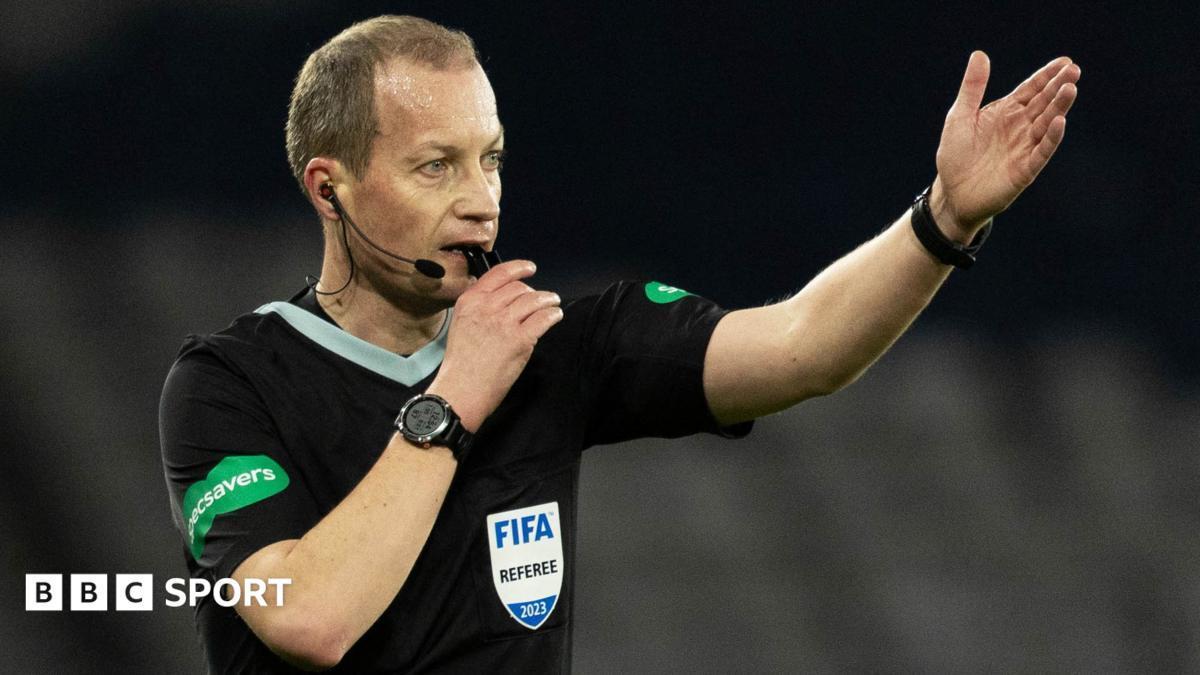
The introduction of VAR (Video Assistant Referee) technology was intended to enhance integrity and fairness in football matches, yet its application in Scottish football has been met with considerable criticism. Decisions benefiting certain clubs, notably Celtic, have raised suspicions about the impartiality of VAR interventions. Fans argue that VAR should serve as a tool to uphold truth in games, but when its usage appears selective, it becomes yet another focal point for allegations of unfair governance. The technology must be implemented with a commitment to objectivity to fulfil its perceived role in maintaining integrity.
Both clubs and fans desire consistency in officiating, and VAR was heralded as a solution for addressing contentious calls. However, when evidence suggests that certain teams benefit disproportionately from VAR reviews, it undermines its credibility. The goal should be transparent decision-making processes that apply equally across the board. Ensuring that technology complements human judgment rather than exacerbating biases is crucial for the long-term health of Scottish football. The focus must shift back to accountability and clarity to safeguard the integrity of the game.
Youth Development in Crisis: The Impact of Governance
The decline in youth development within Scottish football can be traced back to governance issues within the SFA. With little regard for the implications of inconsistent rule enforcement, young players are losing faith in a system that appears rigged to favor established clubs. When the governing body neglects its responsibilities to ensure fairness, it diminishes the prospects for budding talents and creates disillusionment among aspiring athletes. A thriving youth system is vital for the health of any sport, and immediate action is needed to restore trust among youth players and coaches alike.
Strengthening the youth development framework will not only ensure a healthy influx of talent in the league but also bridge the gap between clubs and their supporters. Creating pathways for fair competition among youth players fosters an environment where integrity flourishes. The SFA must prioritize the principles of meritocracy and transparency to cultivate a new generation of footballers who believe in the potential of Scottish football. This commitment to developing talent fairly is not just an investment in the sport’s future but also in the integrity required to win back the hearts of fans.
A Call to Action: Restoring Credibility in Scottish Football
The ongoing controversies in Scottish football have led to a collective outcry from fans and clubs alike urging the need for reform. The SFA’s perceived bias must be addressed head-on to restore confidence in Scottish football. An independent investigation into governance practices and refereeing decisions is paramount to ensuring that the integrity of the game is upheld. It is essential for all stakeholders to unite in demanding transparent processes that foster a fair playing field for all clubs.
Moreover, clubs must take an active role in shaping their future within the league. A boycott of fixtures until reforms are implemented could serve as a rallying cry to compel the SFA to revise its strategies and practices. Addressing historical grievances is equally vital, particularly in recognizing past injustices that have left scars on the sport. By challenging the status quo, clubs can pave the way for a future where Scottish football can rise from the ashes of controversy to reclaim its rightful place as a bastion of fairness and excitement.
Frequently Asked Questions
What are the concerns about SFA oversight regarding Scottish football integrity?
Concerns regarding SFA oversight and Scottish football integrity stem from perceived inconsistencies in disciplinary actions and refereeing decisions. Critics argue that the SFA has failed to uphold fairness in sports, particularly in its handling of controversies involving clubs like Celtic FC and Rangers FC. This has led to claims of biased treatment, where rules seem to be enforced selectively, thereby damaging the integrity of Scottish football.
| Key Point | Description |
|---|---|
| SFA Oversight | The SFA is accused of inconsistent regulation that favors Celtic FC, damaging Scottish football’s integrity. |
| Rangers’ Tax Issue | In 2012, Rangers faced severe penalties for tax issues, while Celtic’s historical abuse allegations were ignored, raising concerns of bias. |
| Refereeing Controversies | Statistics suggest that Celtic received preferential treatment during refereeing decisions, with unusual patterns observed. |
| Added Time Discrepancies | Celtic matches often extend beyond the designated stoppage time, creating a perception of favorable officiating. |
| Crowd Violence and Accountability | Recent pitch invasions have led to inaction from the SFA, contrasting with strict enforcement against other clubs under similar circumstances. |
| Call for Reform | There’s a demand for legal challenges against the SFA’s governance, emphasizing the need for fairness and accountability. |
Summary
Scottish football integrity is now under serious threat as the principles of fairness and equal treatment appear compromised by the Scottish Football Association (SFA). In recent years, there has been a growing perception among fans, particularly from Rangers, that the SFA’s actions favor certain clubs, eroding the belief that the rules are uniformly applied. The lack of accountability for historical abuses and inconsistent officiating has fostered an environment where loyalty and passion for the sport are eroding. If immediate reforms are not enacted, the future of Scottish football as a respected and equitable competition hangs in the balance, jeopardizing not just the league’s reputation, but the very foundations upon which it was built.