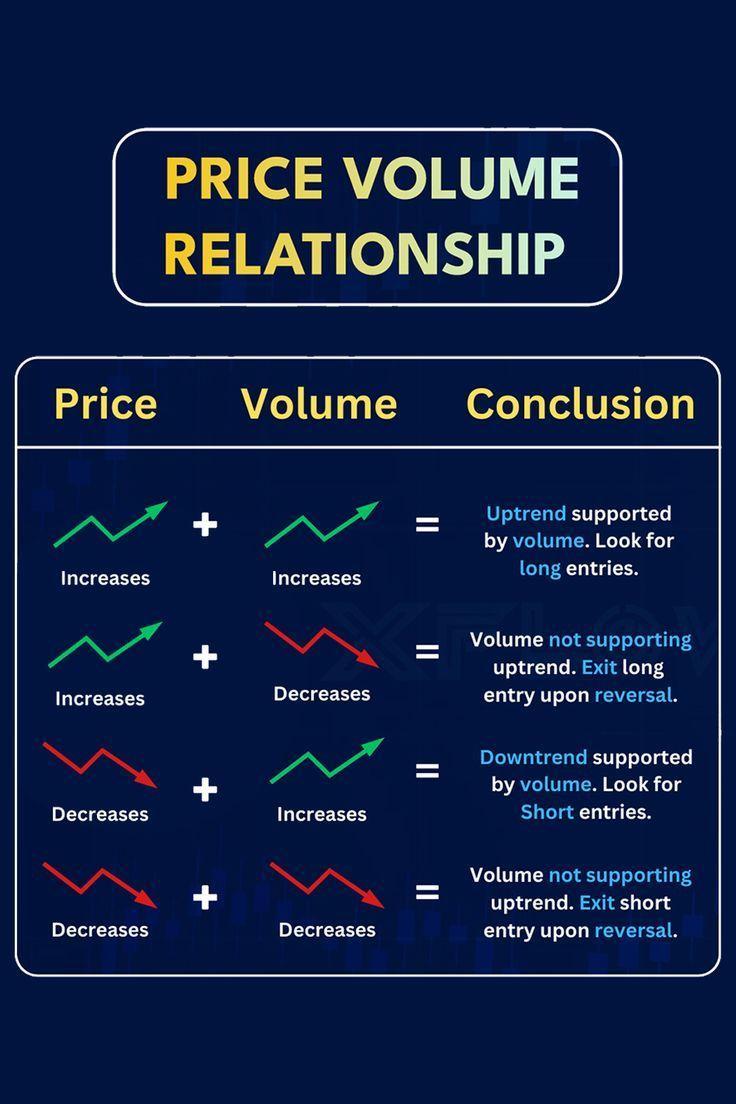
Price and Volume Manipulation has emerged as a significant concern in the financial markets, significantly affecting investor trust and market integrity. A recent case involving Quasar India Limited illustrates these issues, leading to a formal notice of attachment against the defaulter, Arpit PiyushBhai Shah, pertaining to Recovery Certificate No. 9150 of 2026. The Securities and Exchange Board of India (SEBI) is actively addressing such manipulative practices to ensure fair trading conditions for all market participants. Furthermore, the notice entails the attachment of both bank accounts and demat accounts, a rigorous measure aimed at curtailing financial misconduct. Investors are advised to remain vigilant as these developments unfold, especially concerning the integrity of their investments in light of demat account issues and the implications of bank account attachment.
Market manipulation, particularly in terms of price and trading volume, raises significant alarm for stakeholders within the financial ecosystem. Instances such as the recent actions against individuals involved with Quasar India Limited highlight the challenges in maintaining a transparent trading environment. Regulatory bodies, like the Securities and Exchange Board of India, have stepped in to combat illegal activities that distort true market value. As enforcement actions like recovery certificates and the seizure of financial accounts escalate, investors need to be aware of their rights and the potential risks associated with manipulative behaviors. Vigilance regarding both bank account and demat account conditions is crucial for safeguarding investments against such unethical practices.
Understanding Price and Volume Manipulation in Securities
Price and volume manipulation refers to the deceptive practices that facilitate distortion in the market dynamics of securities, leading them to trade at artificial prices. Such manipulation typically involves misleading information and can greatly impact investor trust, particularly in the market of reputable companies like Quasar India Limited. When a manipulative act is identified, as highlighted by the recent Recovery Certificate No. 9150 of 2026 issued by the Securities and Exchange Board of India (SEBI), regulatory authorities take immediate steps to protect investor interests and uphold market integrity.
In the case of Arpit PiyushBhai Shah, who has been formally declared a defaulter, both bank accounts and demat accounts are subject to attachment as per legal proceedings. These actions demonstrate the significant stance SEBI takes against financial malpractice to prevent disruptions in the capital markets. Furthermore, the attachment also sends a clear message to potential wrongdoers that any form of manipulation will lead to serious repercussions, thus reinforcing the importance of compliance and ethical trading behavior.
Legal Implications of Bank Account Attachment
The attachment of bank accounts, as witnessed in the situation surrounding Arpit PiyushBhai Shah, carries significant legal weight and consequences. This procedure is predominantly aimed at securing the recovery of owed amounts and serves as a precautionary measure against further financial misconduct. The legal framework governing these attachments is stipulated by the Recovery Act, which empowers the SEBI to act decisively against those who violate regulations in the trading of securities, including securities of firms like Quasar India Limited.
Once an attachment is in place, the affected individual is restricted from accessing their funds, bringing their financial activities to a standstill. This can severely impact personal and business operations as it limits liquidity. Moreover, it serves as an additional deterrent to others in the market, emphasizing the stringent measures in place to combat illegal acts such as price manipulation and ensuring that individuals remain accountable for their actions.
Safeguarding Against Demat Account Issues
Demat accounts are integral in facilitating the seamless trading of securities, and any issues surrounding them can disrupt transactions and cause substantial losses for investors. In the ongoing case of Arpit PiyushBhai Shah, the attachment of demat accounts points towards serious concerns regarding compliance and market manipulation. The Securities and Exchange Board of India has established strict regulations to prevent such malpractices, ensuring that all transactions are transparent and equitable.
Investors must remain vigilant and well-informed about the functioning of their demat accounts to avoid potential complications. Regular audits and reconciliations of holdings can assist in identifying irregularities early. Additionally, being aware of legal protections and remedies in cases of discrepancies can empower investors and enhance confidence in the trading system, ultimately fostering a healthier market environment.
The Role of the Securities and Exchange Board of India
The Securities and Exchange Board of India (SEBI) plays a crucial role in maintaining the integrity of the securities market in India. By establishing regulatory frameworks and monitoring activities, SEBI protects investors from malpractices such as price and volume manipulation. The initiation of recovery proceedings, as detailed in the notice against Arpit PiyushBhai Shah, underscores SEBI’s commitment to enforcing adherence to market laws, particularly surrounding companies like Quasar India Limited.
SEBI’s actions, including the attachment of both bank and demat accounts, reflect its proactive stance in dealing with defaulters. This serves not only as a corrective mechanism for the current situation but also as a preventive measure to deter others who may consider engaging in similar manipulative behavior. By fostering a culture of compliance, SEBI aims to create a robust investment framework that boosts investor confidence, thus promoting fair trading practices throughout India’s diverse securities market.
Implications of Recovery Certificates in Market Regulations
Recovery Certificates, such as the one issued in this context against Arpit PiyushBhai Shah, serve as a critical tool for regulatory bodies like the SEBI to reclaim dues from defaulters. These certificates allow the authorities to proceed with enforcement actions, including the attachment of assets such as bank accounts and demat accounts. This is especially relevant in cases where manipulation has been detected, as noted in the scrip of Quasar India Limited, highlighting the zero-tolerance approach towards financial misconduct.
The issuance of a Recovery Certificate not only acts as a legal remedy for recovering funds but also signals to the market that regulatory oversight is firmly in place. It reinforces the necessity for individuals and firms to adhere to established trading practices, ensuring that market integrity is upheld. Thus, the implications of such certificates extend beyond immediate financial recovery, influencing the broader landscape of market compliance and ethical trading.
Investor Awareness: Protecting Against Price Manipulation
Investor awareness is paramount in protecting against price manipulation activities within the securities market. It is essential for individuals to be informed about the signs of manipulative practices and understand their rights under the regulations enforced by the SEBI. Being educated about how companies like Quasar India Limited operate and the implications of actions taken against defaulters can empower investors to make informed decisions and protect their financial interests.
Furthermore, in light of incidents involving price manipulation, the responsibility falls on investors to engage in due diligence before investing in any securities. Familiarizing oneself with market conditions, understanding the role of regulatory bodies such as SEBI, and monitoring portfolio activities can significantly mitigate risks associated with price and volume manipulations. Ultimately, cultivating an informed investor base contributes to the overall health and sustainability of the financial markets.
Consequences of Non-Compliance in Trading Activities
The consequences of non-compliance in trading activities can be severe and far-reaching, particularly following regulatory scrutiny from bodies like the SEBI. Defaulters who engage in price manipulation face not only financial penalties but also long-lasting impacts on their credibility within the market. In the case of Arpit PiyushBhai Shah, the outcome of ongoing recovery proceedings indicates that failure to comply with market regulations leads to stringent measures, including the attachment of bank and demat accounts.
Beyond personal penalties, non-compliance can also damage investor confidence in the market as a whole. When promoters or traders manipulate prices, it affects the perception of fairness and transparency in trading activities, potentially driving away both domestic and foreign investments. Thus, understanding the implications of non-compliance not only protects individual investors but also sustains the integrity of the market, ensuring a healthy trading environment for all participants.
Financial Recovery Processes in Securities Trading
Financial recovery processes are essential in securities trading, particularly when dealing with defaulters who manipulate market dynamics. The ongoing case of Arpit PiyushBhai Shah sheds light on these processes, where the SEBI can initiate actions such as attaching bank and demat accounts to recover lost funds. Recovery mechanisms are designed to ensure that illicit gains are curtailed and that affected investors can reclaim their losses through established legal channels.
Additionally, understanding the financial recovery processes is important for investors, as it highlights the measures that regulatory authorities will take to uphold market integrity. Clear communication regarding these procedures, as well as timely actions against those practicing manipulation, is crucial for fostering a transparent and trustworthy trading environment. Ultimately, robust financial recovery processes not only support individual investors but also reinforce broader market confidence, encouraging responsible investment practices.
The Importance of Ethical Trading Practices
Ethical trading practices are foundational to the sustainability of securities markets. When traders prioritize ethical behavior over profit maximization through manipulation, they contribute to the creation of a fair and transparent arena for all investors. The situation involving Quasar India Limited and Arpit PiyushBhai Shah emphasizes the negative ramifications of ignoring ethical standards, as it leads to serious legal actions sanctioned by the SEBI against non-compliant behavior.
Fostering a culture of ethical trading requires the active participation of all market participants, including individual traders and institutional investors. By adhering to ethical practices, investors can build a reputation for integrity and trustworthiness, enabling healthier market interactions. This not only benefits individual investors but also enhances the overall robustness of financial systems, ultimately leading to a more resilient economy capable of weathering market challenges.
Frequently Asked Questions
What is the significance of Price and Volume Manipulation in relation to Quasar India Limited?
Price and Volume Manipulation refers to unlawful practices aimed at artificially inflating or deflating the stock price and trading volume of a company, such as Quasar India Limited. Such manipulative actions can lead to severe legal consequences, including Recovery Certificates issued by the Securities and Exchange Board of India (SEBI) and attachment of bank and demat accounts of the offenders, as seen in the case of Arpit PiyushBhai Shah.
| Item | Description |
|---|---|
| Date | June 29, 2026 |
| Subject | Notice of Attachment of Bank Accounts and Demat Accounts due to Price and Volume Manipulation |
| Defaulter Information | Arpit PiyushBhai Shah (PAN: BECPS1043E) |
| Relevant Entity | Quasar India Limited |
| Recovery Certificate Number | 9150 of 2026 |
Summary
Price and Volume Manipulation refers to unethical practices aimed at artificially inflating or deflating the market prices and trading volumes of securities. The notice dated June 29, 2026, regarding the attachment of bank and demat accounts highlights the serious repercussions faced by individuals like Arpit PiyushBhai Shah involved in such fraudulent activities concerning Quasar India Limited. Engaging in price manipulation not only undermines the integrity of the financial market but also poses significant risks to investors. Regulatory bodies, such as the Securities and Exchange Board of India (SEBI), are actively monitoring and enforcing laws to curtail these practices, ensuring a fair and transparent trading environment.