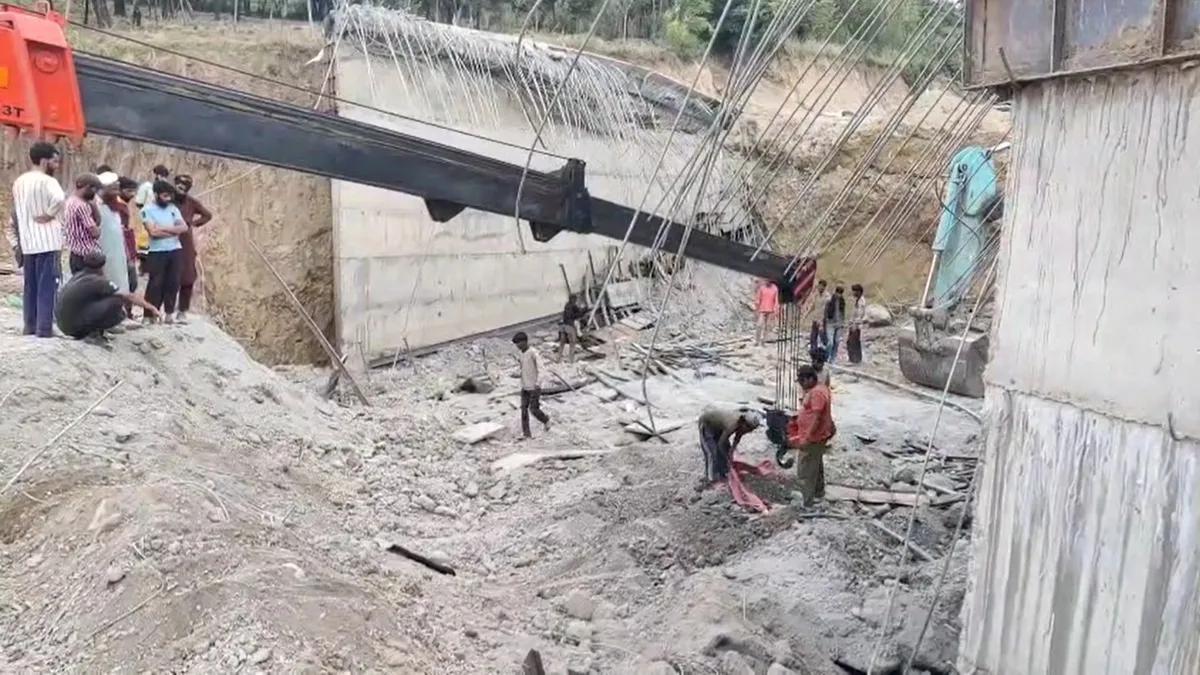
The recent Kemi River bridge flood has brought significant turmoil to Assam’s Dhemaji district, leading to the catastrophic collapse of a crucial 300-meter-long iron bridge. This disaster occurred on Sunday, as relentless floodwaters swept away the bridge, severing vital links between the Kemi-Purana Jelom area and Jonai Sadar. With the Kemi Oyan connectivity now disrupted, countless residents have found themselves isolated, unable to access essential services and daily resources. The incident highlights the severe monsoon impact Assam faces each year, with Dhemaji district currently experiencing some of the worst flooding in the region’s history. As these Assam floods continue to wreak havoc, the bridge collapse news underscores a growing need for urgent responses to ensure the safety and well-being of affected communities.
The flooding of the Kemi River has emerged as a pressing issue in Assam, particularly affecting the Dhemaji district, where an essential iron structure was lost to the unforgiving waters. By collapsing, this bridge has not only severed key routes but has also posed significant challenges for transportation and emergency responses amidst a critical flood crisis. Residents in the surrounding areas are now grappling with stalled access, illustrating the broader consequences of seasonal flooding in this vulnerable region. The ongoing situation highlights the importance of robust infrastructure like the Kemi River bridge for maintaining connectivity during Assam’s heavy monsoon season. As reports of this bridge’s downfall circulate, the focus turns toward finding solutions that will restore access and improve resilience against future natural disasters.
Impact of Kemi River Bridge Flood on Local Connectivity
The recent flooding in Assam has led to the devastating collapse of the Kemi River bridge, a vital structure in Dhemaji district. With its destruction, connectivity has taken a significant hit, separating communities and affecting daily life. Residents of Kemi and Oyan, who depended on this 300-meter-long iron bridge, are now left in limbo, unable to access essential services and support due to impassable routes.
The repercussions of the Kemi River bridge flood extend beyond mere inconvenience; they pose serious risks to health and safety as emergency services are hindered from reaching those in need. The immediate concern for stranded residents is access to food, medical services, and transportation. As the monsoon rains continue to sweep through Assam, local authorities are scrambling to find alternative routes to restore connectivity in Dhemaji district.
Ongoing Flood Crisis in Dhemaji District
Dhemaji district has become a focal point of concern as heavy rains inundate the region, causing extensive damage and disruption. The effects of the Assam floods resonate throughout the area, with the collapse of infrastructure like the Kemi River bridge further complicating recovery efforts. Many other communities are facing similar challenges, as road access remains precarious and unsafe due to rising water levels.
As the situation worsens, there is urgent need for a coordinated response to mitigate the impact of the floods. Local news reports highlight the struggles residents encounter while trying to cope with the implications of the monsoon impact, such as loss of property, disrupted livelihoods, and increased health risks. Authorities are being called to increase their presence and support in affected areas to assist those displaced by the floods.
Emergency responses are more critical now than ever, as the seasonal rains threaten to increase river flows, putting additional pressure on local infrastructure. The flooding in Dhemaji not only highlights the risks of annual monsoons in Assam but also underscores the need for better flood management strategies moving forward.
Emergency Response and Rehabilitation Plans in Assam
In response to the devastating floods in Assam, local authorities and community leaders are mobilizing to implement emergency response strategies. This is particularly crucial in areas like Dhemaji district, where access has been significantly hampered due to the collapse of the Kemi River bridge. The clash between rising floodwaters and inadequate infrastructure presents a considerable challenge for emergency services, which must navigate through difficult conditions to deliver aid.
Rehabilitation plans are underway to address not just the immediate needs of the affected populations but also to strategize on how to reinforce vulnerable infrastructures in the long term. Communities are rallying support to care for displaced families, but the lack of effective transportation routes due to the bridge collapse hampers these efforts. As assistance is coordinated, it becomes clear that sustainable solutions must incorporate flood resilient infrastructure to prevent future disasters.
The Significance of the Kemi River Bridge
The Kemi River bridge was not merely a structural link; it was a lifeline for thousands of residents in Assam’s Dhemaji district. It stood as a testament to the importance of connectivity and community during annual monsoon seasons, when floods often disrupt daily activities. With its collapse, the bridge’s absence is a stark reminder of how quickly natural disasters can alter the landscape of local life.
The loss of this bridge has affected local economies significantly, as trade routes are severed, and transportation of goods is greatly diminished. This places additional pressure on families who now must find alternative means to access markets and services. The region’s recovery will depend heavily on the speed and efficiency with which new solutions can be implemented to restore that essential connectivity.
Future Infrastructure Strategies for Assam
Considering the recent flooding events and the collapse of structures such as the Kemi River bridge, planners and engineers in Assam are being urged to reassess the current infrastructure strategies. Future development initiatives must prioritize not only the repair of existing roads and bridges but also the creation of more resilient structures designed to withstand the impacts of severe weather associated with monsoon seasons.
Adopting advanced engineering techniques and incorporating sustainable practices into infrastructural planning will be pivotal in safeguarding communities against future floods. Additionally, stakeholder engagement with local residents can provide valuable insights into the unique challenges they face, ensuring that new projects are reflective of the needs and realities of Dhemaji district’s residents.
Community Resilience in the Face of Assam Floods
Despite the hardships caused by the Kemi River bridge collapse and ongoing flood crisis, the resilience of the local communities in Dhemaji district shines through. Residents have been banding together to support each other, sharing resources and information on how to cope with the aftermath of the floods. Their unity serves as a powerful reminder of the human spirit’s ability to withstand adversity.
Community-driven initiatives are often more effective than government response alone, as locals understand their specific needs and hazards better. Workshops and mutual aid networks are emerging across areas severely affected by Assam floods, creating platforms for residents to exchange ideas and strategies on emergency preparedness, ultimately fostering a resilient community ready to face future challenges.
Media Coverage of Assam Floods and Bridge Collapse
The media has played a crucial role in bringing attention to the plight of people affected by the Assam floods and the recent Kemi River bridge collapse. Local news outlets have been actively covering the situation in Dhemaji district, highlighting stories of resilience and the urgent need for assistance. This coverage informs not only the local population but also draws the attention of governmental and non-governmental organizations that can mobilize resources and support.
However, the challenge remains for media to consistently monitor and report on flood impacts beyond the initial crisis. Continuous coverage is essential to ensure that the needs of the affected communities are front and center, pushing for actionable responses from the authorities. By keeping the narrative alive, media can influence policy changes and funding priorities toward better flood management and infrastructure improvements in Assam.
Lessons Learned from Past Flood Events in Assam
The Kemi River bridge collapse serves as a sobering reminder of previous flood events experienced in Assam, where significant infrastructure loss has repeatedly occurred. Analyzing past incidents reveals a pattern of inadequate preparation and response that can be improved upon. Lessons learned from the destruction caused by seasonal floods should influence future flood mitigation strategies to prevent similar situations in Dhemaji district.
There is a pressing need for a comprehensive flood management plan that encompasses early warning systems, community education on emergency preparedness, and investment in robust infrastructure capable of withstanding high floodwaters. By learning from the past, Assam can transform its response to natural disasters and ensure that vulnerable communities are equipped to face the annual monsoon challenges.
The Long-Term Impact of Flooding on Assam’s Infrastructure
The ongoing flooding and the disruption of critical infrastructure, such as the Kemi River bridge, have long-lasting implications for Assam. The economic ramifications of such events often extend well beyond immediate damages, affecting employment, local businesses, and trade routes in the region. Without timely interventions to rebuild and bolster infrastructure, communities may face prolonged periods of hardship.
Moreover, the psychological impact on residents cannot be underestimated. The fear of future floods may hinder community resilience and impede recovery efforts. It is essential to approach the reconstruction of the Kemi River bridge and similar structures with foresight, employing measures that not only address current needs but also focus on sustainable practices to protect against future natural disasters.
Frequently Asked Questions
What caused the Kemi River bridge flood disaster in Dhemaji district?
The Kemi River bridge flood disaster in Dhemaji district was caused by strong floodwaters during the monsoon season, which swept away the 300-meter-long iron bridge, disrupting connectivity for thousands of residents.
How has the Kemi River bridge flood impacted connectivity in Assam?
The Kemi River bridge flood has severely impacted connectivity by completely cutting off access between the Kemi-Purana Jelom area and Jonai Sadar, leaving residents stranded and hindering daily transportation.
What are the implications of the Kemi River bridge collapse for residents in Dhemaji district?
The collapse of the Kemi River bridge has raised serious concerns for residents in Dhemaji district, particularly regarding access to essential services and emergency responses amid the ongoing Assam floods.
What is the current situation regarding the Kemi River bridge flood and its effects on local transportation?
As of now, the Kemi River bridge flood has halted local transportation, leaving many in Dhemaji district unable to access necessary amenities and support, exacerbating the challenges posed by monsoon flooding in Assam.
When did the Kemi River bridge collapse occur and what is its significance?
The Kemi River bridge collapse occurred on Sunday, marking a significant disruption in infrastructure for Dhemaji district, as it served as a vital link for thousands of people, especially during the height of the Assam floods.
What is being done to address the aftermath of the Kemi River bridge flood?
In response to the Kemi River bridge flood, local authorities are assessing the damage and planning repairs while also ensuring that emergency services can reach stranded residents in Dhemaji district.
How can residents in Dhemaji district cope with the Kemi River bridge flood consequences?
Residents in Dhemaji district can cope with the consequences of the Kemi River bridge flood by seeking alternative routes for emergency needs and staying in touch with local authorities for updates and assistance.
Is the Kemi River bridge collapse part of a larger issue related to Assam floods?
Yes, the Kemi River bridge collapse highlights a larger issue related to the Assam floods, which annually affect various districts, causing significant damage to infrastructure and disrupting daily life for residents.
What actions can be taken to prevent future disasters like the Kemi River bridge flood?
To prevent future disasters akin to the Kemi River bridge flood, it is essential to invest in improved infrastructure resilience, flood control measures, and effective community disaster preparedness strategies in Assam.
Who should residents in the affected areas of Dhemaji contact for assistance post Kemi River bridge flood?
Residents in the affected areas of Dhemaji should contact local government bodies, disaster response teams, and community organizations for assistance and resources following the Kemi River bridge flood.
| Key Point | Details |
|---|---|
| Bridge Information | The Kemi River bridge is a 300-meter-long iron bridge. |
| Location | Connects Kemi and Oyan in Assam’s Dhemaji district. |
| Impact of Flooding | Swept away by strong floodwaters, disrupting connectivity. |
| Access Issues | Completely cut off access between Kemi-Purana Jelom area and Jonai Sadar. |
| Stranded Residents | Thousands are stranded due to the bridge collapse. |
| Emergency Concerns | Concerns over access to essential services amid flooding. |
| Local Connectivity | Severely affected as floodwaters impact large parts of Dhemaji district. |
Summary
The Kemi River bridge flood has drastically changed life in the Dhemaji district, highlighting the extreme impact of seasonal flooding in Assam. The destruction of this vital structure has left many residents without access, igniting concerns over emergency services and daily transportation. As flooding worsens annually, the need for improved infrastructure and flood management strategies becomes increasingly urgent to protect communities from such devastating events.