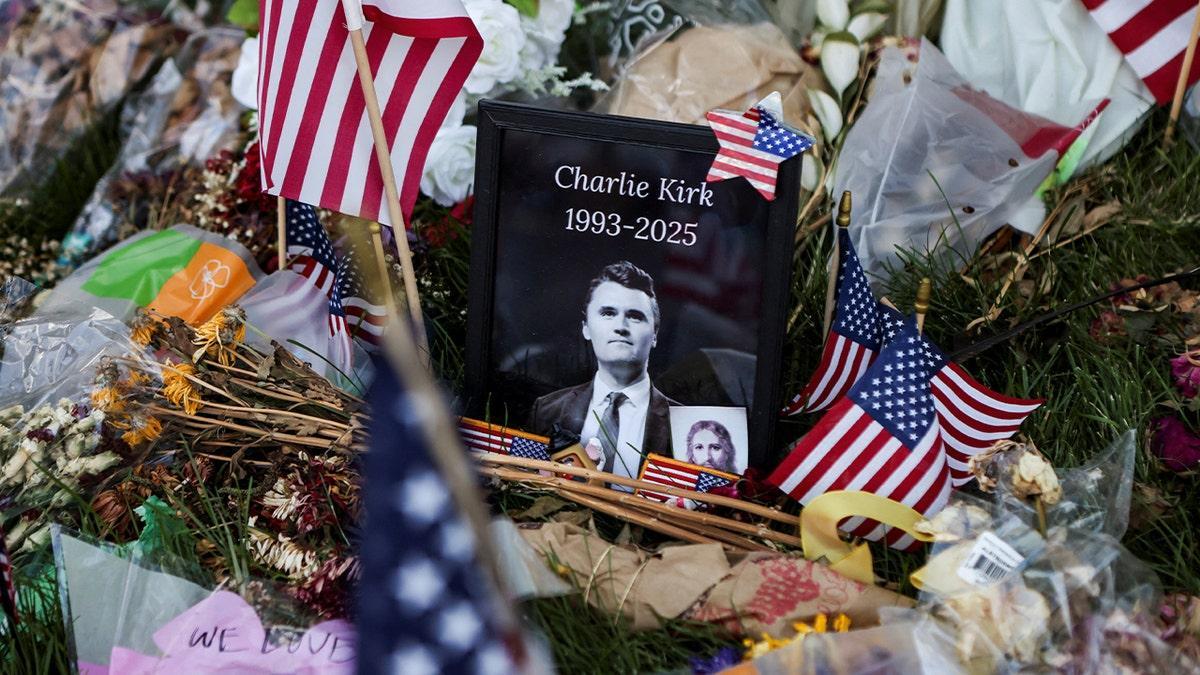
Candace Owens is currently at the center of intense scrutiny due to her controversial conspiracy theories surrounding the death of Charlie Kirk. Following an incident where she allegedly misrepresented a witness’s confusion about the details of Kirk’s shooting, online backlash has surged, bringing diverse opinions to the forefront of social media reactions. Critics argue that Owens has leveraged this incident to promote baseless claims, inciting further controversy amid accusations of online harassment directed at innocent parties. The discourse surrounding Candace Owens conspiracy theories reflects a growing concern regarding the impact of sensationalism in discussions of tragic events. As the digital narrative evolves, it raises important questions about media responsibility and the consequences of spreading unverified information.
In the realm of digital discourse, public figures often find themselves embroiled in heated debates, as seen in the recent uproar over Owens’ allegations related to Kirk’s fatal incident. The implications of her statements not only fuel conspiracy discussions but also spotlight the challenges faced by eyewitnesses caught in the crossfire of such narratives. Observers have noted the virulent nature of social media reactions, manifesting in instances of online harassment directed toward those involved. As figures like Candace Owens navigate the landscape of public opinion and scrutiny, the consequences of their claims resonate beyond mere commentary, affecting real lives in tangible ways. This phenomenon underscores the critical need for accountability in the dissemination of information, especially when the stakes are so high.
The Fallout from Candace Owens’ Conspiracy Theories
The controversy surrounding Candace Owens intensified after her comments regarding Charlie Kirk’s death ignited a firestorm on social media. Critics accuse Owens of propagating conspiracy theories that misinterpret eyewitness accounts, which has led to significant backlash against her. The situation escalated when a post went viral claiming Owens was exploiting a witness’s initial confusion about the shooting to support her conspiracy narrative. This incident not only highlights the risks of jumping to conclusions in the chaotic aftermath of tragedy but also underlines the consequences celebrity figures face when venturing into speculative commentary.
Supporters of Candace Owens argue that her willingness to question the mainstream narrative reflects her commitment to uncovering the truth. Yet, the overwhelming response from social media has shown that her conspiracy theories, particularly regarding alleged discrepancies in eyewitness reports of Kirk’s shooting, have drawn sharp criticism. Many users have voiced concerns over the potential impacts of her statements, warning that they could lead not only to misinformation but also to real-world harassment of individuals like the witness in question. As discussions on this topic continue, the potential for legal ramifications and increased scrutiny of Owens’ methods grows, revealing a landscape fraught with tension and controversy.
Social Media’s Role in Amplifying Controversies
Social media has become a double-edged sword in the ongoing debate over Candace Owens and her implications surrounding Charlie Kirk’s tragic death. The platform enables swift dissemination of information, allowing both supporters and detractors of Owens to voice their opinions and fuel the discussion. However, this rapid spread of content also raises concerns over the potential for misinformation and the dangerous consequences that can emerge in the wake of a highly charged event. Many have criticized Owens for seemingly prioritizing sensationalism over factual accuracy, a sentiment echoed in numerous posts calling out her approach as reckless and inflammatory.
As users engage in heated debates, the situation becomes increasingly polarized, with many expressing fear of the consequences for those involved, particularly the witness mentioned in Owens’ claims. This backlash has prompted calls for accountability as critics urge social networks to take responsibility in moderating content to prevent online harassment. The phenomenon of being ‘canceled’ is omnipresent in today’s digital discourse, where public figures find themselves facing immediate backlash for their actions. With the narrative evolving rapidly and catching fire across platforms, it serves as a cautionary tale about the power of social media in shaping public perception and the dire need for responsible digital citizenship.
Legal Implications of Candace Owens’ Statements
The escalating backlash against Candace Owens due to her remarks on Charlie Kirk’s death raises significant legal concerns, particularly regarding defamation and the spreading of conspiracy theories. Users on social media have speculated that the witness to Kirk’s death might pursue legal action due to the harassment stemming from Owens’ interpretations of her statements. This highlights the fine line between freedom of expression and accountability that public figures must navigate when making controversial claims. The potential for legal ramifications emphasizes the importance of basing accusations on verifiable facts rather than conjecture, especially in cases involving serious allegations.
Furthermore, experts suggest that Owens’ statements could place her in a vulnerable position should the situation escalate into formal legal accusations. The call for accountability from members of the public reflects a growing trend where individuals are scrutinized for disseminating unverified information that can harm others. As the debate continues, it becomes essential for figures like Owens to consider the ethical implications of their rhetoric while being mindful of the impact it has on individuals who find themselves unfairly scrutinized. This unfolding controversy serves as a cautionary example of the potential fallout that can arise from unfounded claims in the age of social media.
Online Harassment In the Wake of Viral Controversy
The incident surrounding Candace Owens and Charlie Kirk’s death has drawn attention to the alarming trend of online harassment that often accompanies viral controversies. As Owens delved into conspiracy theories, many social media users rallied to condemn her actions, but in the process, they inadvertently fueled a wave of targeted harassment against the witness involved. The situation has sparked discussions about the responsibility that comes with sharing and amplifying potentially damaging narratives. Critics argue that without proper safeguards, social media can cultivate an environment where individuals are targeted and threatened, leading to a toxic atmosphere that is both frightening and damaging.
Online harassment not only affects public figures but can also devastate the lives of ordinary individuals thrust into the spotlight. In this case, the witness has found herself caught in a crossfire not of her making, as Owens’ statements have engendered a cult-like following that directs vitriol toward her and her family. This aspect of the controversy calls attention to the need for social media platforms to improve their policies regarding harassment and misinformation. A renewed focus on creating a safe digital space where individuals can engage in discourse without fear of reprisal is vital as the conversation around online behavior evolves. Through this lens, the fallout from Owens’ comments serves to highlight the often-unseen consequences of unchecked online behavior.
The Dangerous Nature of Conspiracy Theories
Conspiracy theories can have deleterious effects, particularly when they gain traction in high-stakes situations such as a violent incident like Charlie Kirk’s death. Candace Owens’ remarks reflect a concerning pattern where speculative narratives are treated as credible, muddying the waters between fact and fiction. The consequences of spreading such theories are far-reaching; they can lead to public distrust in legitimate sources of information and can exacerbate public anxiety surrounding traumatic events. As audiences look for meaning in tragedies, the allure of conspiracy theories often overshadows critical thinking and analysis, which are essential in discerning truth from speculation.
Moreover, the acceptance of conspiracy theories as a part of mainstream discussions can create ideological rifts, polarizing communities and pitting individuals against one another. Owens’ remarks have reinvigorated debates around information credibility and accountability, breeding an environment where unchecked claims flourish. The discussions stemming from her statements on social media serve as a reminder of the collective responsibility we all have in our consumption and dissemination of information. This growing awareness points to the importance of fostering critical thinking and promoting evidence-based discussions to counteract the seduction of conspiracy narratives.
Public Figures and the Ethics of Influence
The case of Candace Owens illuminates critical ethical questions about the influence public figures wield in contemporary discourse. With her significant platform, Owens holds the power to shape narratives that can impact public perception, especially regarding sensitive topics like the death of a well-known figure. This influence carries a burden of responsibility, as unchecked claims can lead to disastrous consequences for individuals involved. The backlash against Owens serves as a reminder of the ethical implications of engaging in speculative rhetoric without substantiation, particularly in moments of public vulnerability.
Moreover, the reactions from her critics point to a growing demand for ethical transparency among public figures. Many argue that influencers should not only be accountable for their statements but should also strive to prioritize factual integrity over sensationalism. This evolving discourse surrounding accountability within the realms of politics, media, and personal opinion underscores the need for figures like Owens to critically evaluate the repercussions of their statements. The priority should always be to foster constructive dialogue and respect the inherent dignity of all individuals rather than becoming pawns in a sensationalized narrative.
The Role of Eyewitness Accounts in Understanding Events
Eyewitness accounts can play a pivotal role in shaping public understanding of significant events, yet they are often mired in controversy, as seen in the discussions surrounding Charlie Kirk’s death. Candace Owens’ insistence on framing the witness’s confusing remarks as indicative of a larger conspiracy raises concerns about how these accounts are interpreted in a highly charged atmosphere. Eyewitness testimonies, while valuable, are inherently subjective and can be influenced by stress, confusion, or external pressures at the moment of an incident. Consequently, interpreting these accounts requires a careful, nuanced approach that prioritizes factual accuracy over speculation.
As the uproar around the witness’s statements continues online, it is essential to remember that these individuals may not be equipped to defend themselves against the onslaught of scrutiny and accusations. This phenomenon amplifies the responsibility on those discussing such accounts to ensure that they do not exploit vulnerable individuals for their agendas. The controversy surrounding Owens shines a light on the need for a more compassionate dialogue around eyewitness testimony, recognizing that the narratives we construct from these accounts can have profound implications for the people involved. As public discourse evolves, fostering a more empathetic approach could help mitigate the fallout of misunderstandings and misrepresentations.
Cultural Impacts of Conspiracy Theory Discourse
The conversation surrounding Candace Owens and her remarks on Charlie Kirk’s death reflects a fundamental cultural shift towards accepting conspiracy theories as a normal part of public discourse. This normalization is alarming, as it can erode trust in institutions and lead to widespread skepticism about factual reporting. The discourse in question often blends fact and fiction, making it difficult for the average consumer to discern truth within a cluttered narrative landscape. As conspiracy theories gain traction, they can reshape public consciousness, challenging established norms and creating divisions among communities.
Moreover, the fascination with conspiracy theories often reflects deeper societal anxieties, as many seek alternative explanations for trauma and violence in their communities. Candace Owens’ framing of events through a conspiratorial lens taps into this desire to find meaning in chaos, but it also risks stoking fear and paranoia. As public figures increasingly engage with these narratives, it raises significant concerns about the future of public dialogue and the potential consequences of endorsing divisive ideologies. It is crucial for society to engage in reflective conversations that examine the implications of such discourse and foster critical awareness of the information shared in public forums.
Frequently Asked Questions
What are the conspiracy theories surrounding Candace Owens and Charlie Kirk’s death?
Candace Owens has faced backlash over her comments regarding the death of Charlie Kirk, with critics accusing her of promoting conspiracy theories. Following Kirk’s shooting, Owens highlighted discrepancies in eyewitness accounts, leading some to speculate about a larger conspiracy. This has sparked significant reactions on social media, where users voice their concerns and criticisms, fearing that such discussions could lead to online harassment of witnesses and their families.
| Key Point | Details |
|---|---|
| Criticism of Candace Owens | Accused of promoting conspiracy theories linked to Charlie Kirk’s death. |
| Eyewitness Confusion | Owens misrepresented a witness’s initial claim about where Kirk was shot, alleging it was part of a conspiracy. |
| Online Backlash | Critics express concern over potential harassment of the witness and her family due to Owens’s assertions. |
| Public Debate | Users are polarized, with some supporting Owens and others condemning her for spreading misinformation. |
| Legal Concerns | Calls for potential legal action against Owens due to her framing of the witness’s statements. |
Summary
Candace Owens conspiracy theories have sparked significant online controversy after she allegedly misrepresented details surrounding Charlie Kirk’s death. Critics argue that her interpretation of an eyewitness account has led to unwarranted speculation and harassment directed at innocent parties. The intensity of the backlash highlights the fragile nature of public narratives in the digital age, where claims can swiftly gain traction, leading to a polarized discourse. As social media continues to amplify these discussions, it raises essential questions about accountability and the impact of conspiracy theories on real individuals involved in tragic events.