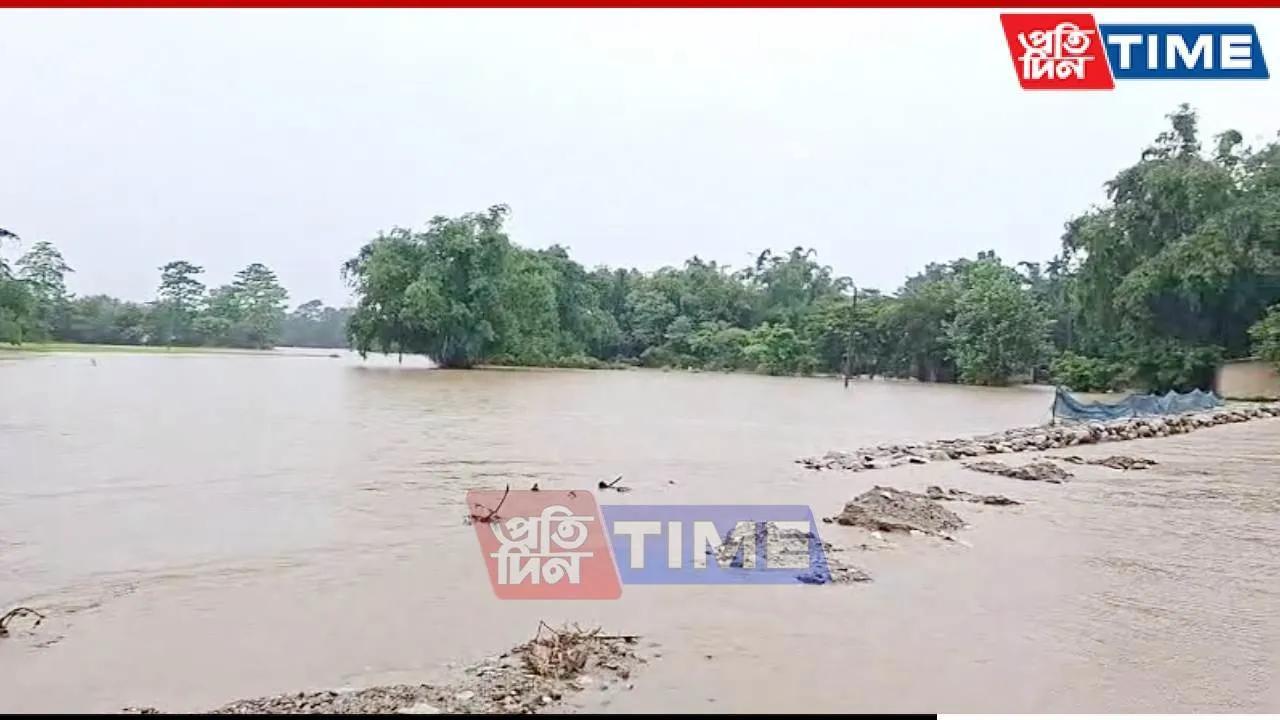
The latest update on the Ranganadi River flood highlights a concerning rise in water levels, prompting significant attention from local authorities and residents alike. As of this morning, the river near NH Crossing Ranganadi in the Lakhimpur district of Assam was recorded at 93.52 m, surpassing the flood warning threshold. This alarming situation comes amid a broader context of Assam flood news, where multiple areas are facing critical flood threats. The Assam weather alert encourages citizens to heed flood safety tips and exercise caution around affected regions. It’s essential for those near the Ranganadi River and surrounding communities to remain informed and vigilant as conditions evolve rapidly.
In recent developments regarding flood conditions in Assam, the situation at the Ranganadi River near Lakhimpur has escalated, drawing urgent warnings from officials. The increasing water level, significantly above normal, poses potential risks and raises alarms among local populations. Community members are urged to follow current Lakhimpur flood warnings and stay updated on the latest forecasts and safety guidelines. Understanding flood dynamics in Assam has become crucial, and the emphasis on proactive measures will aid in mitigating the impact of these conditions. As the region grapples with these environmental challenges, public awareness and preparedness are more important than ever.
Current Status of the Ranganadi River Flood Update
As of today, July 1, 2026, the Ranganadi River is currently flowing above its normal levels at NH Crossing Ranganadi in the Lakhimpur district of Assam. The river’s water level has reached 93.52 meters, marking a rise of 0.10 meters above its warning threshold of 93.42 meters. This elevation in water levels indicates a concerning flood situation as local authorities urge citizens to exercise caution and avoid unnecessary proximity to the river banks. With the continuous rise, the looming threat of flooding necessitates immediate attention and action from both governmental and community sectors.
The ongoing weather patterns have prompted the Assam State Disaster Management Authority (ASDMA) to issue alerts that are crucial for public safety. The current situation demands vigilance among residents, especially those living near the riverbanks in Lakhimpur. Affected communities should stay informed through local news updates and adhere to advisories regarding potential evacuation or safety measures. Such preemptive actions are vital for minimizing risk during flood events, as rising water levels can lead to sudden inundation.
Flood Safety Tips for Residents Near Ranganadi River
Residents in flood-prone areas, particularly those near the Ranganadi River, must prioritize their safety as water levels continue to rise. It is essential to stay informed about forecast updates and flood alerts provided by the Assam Meteorological Department. Families should have an emergency plan in place, which includes evacuation routes and a designated meeting point away from flood-prone zones. Additionally, having an emergency kit ready, stocked with essential supplies such as food, water, medications, and important documents, can make all the difference during a crisis.
Moreover, it’s crucial for at-risk communities to heed advice on constructing sandbag barriers and elevating electrical and gas services to prevent potential damage. Engaging with local authorities regarding the monitoring of flood drainage systems can also play an essential role in mitigating flood risks. Alongside personal preparedness, community cooperation is key in ensuring that all neighbors are equipped with the necessary information and resources to deal with rising waters effectively. By proactively implementing flood safety measures, residents can significantly enhance their safety against the unpredictable nature of flooding events.
Understanding Assam Flood News and Alerts
The latest Assam flood news highlights the ongoing challenges faced by residents of Lakhimpur due to the unpredictable weather patterns exacerbated by the monsoon season. With the Ranganadi River’s water levels nearing alarming thresholds, staying updated on local development is crucial for community safety. Residents are encouraged to access trusted news sources for timely information regarding weather conditions that could impact local river levels and flood risks, ensuring they remain informed about the situation.
In addition to staying updated through local news, it is essential for individuals to utilize technology, such as mobile apps or government websites like ASDMA, to receive alerts and updates on flood situations. Information about rain forecasts, river levels, and emergency protocols can greatly aid in preparedness efforts. The collaboration between the public and local governmental agencies is essential to improve disaster response and ensure a coordinated approach to flood management and safety operations.
The Impact of Weather Alerts on Flood Preparedness
Weather alerts play a critical role in preparing residents for potential flood situations, especially in regions prone to heavy rainfall like Assam. With the rise of the Ranganadi River, consistent monitoring of updates from the meteorological department can help communities anticipate changes and react accordingly. The dissemination of timely alerts allows families to make informed decisions about evacuations, securing property, and gathering necessary supplies, which is vital for safety during flood events.
Moreover, understanding the impact of these weather alerts underscores the importance of community engagement and education about flood preparedness. Workshops and local meetings can be instrumental in ensuring that the public is aware of the measures needed to protect their homes and families during floods. By integrating knowledge about weather forecasts and their implications for flood risks, communities can foster a culture of preparedness that significantly enhances resilience against natural disasters.
The Lakhimpur District Response to Rising Water Levels
The response of local authorities in Lakhimpur to the rising water levels of the Ranganadi River emphasizes proactive measures aimed at safeguarding residents. Authorities are mobilizing resources for potential evacuations and ensuring that emergency services remain on high alert as conditions develop. Coordination with local agencies allows for streamlined communication and support for affected communities, highlighting the importance of an organized disaster response strategy.
Community shelters are being prepared to provide refuge for those at risk due to flooding, ensuring that families have safe spaces to relocate. Additionally, local announcements serve to educate citizens about the potential dangers and the necessary precautions to take. The collaboration between government officials, emergency responders, and the community is crucial in implementing effective responses to the imminent threats posed by rising water levels.
Long-Term Flood Prevention Strategies in Assam
As Assam faces the challenges of annual flooding, particularly in areas like Lakhimpur, long-term flood prevention strategies become increasingly important. Sustainable management of rivers, investment in flood defenses, and improved drainage systems are essential components of preventing future disasters. By focusing on these strategies, local governments can mitigate the effects of flooding and safeguard communities from potential harm.
Moreover, raising public awareness about environmental conservation plays a critical role in flood management. Reforestation efforts, controlling soil erosion, and maintaining healthy wetlands contribute to the overall resilience of the landscape against flooding. Engaging the community in these efforts can lead to more effective and sustainable solutions that not only protect against floods but improve the overall health of the environment in regions prone to such disasters.
Community Engagement during Flood Events
Community engagement is vital during flood events, particularly as Assam faces increasing peril from rising river levels. Initiatives that encourage residents to participate in local disaster management efforts can enhance the support systems in place during such crises. Training community volunteers to assist with emergency response, manage shelters, and disseminate information can ensure a more cohesive and effective response to floods.
Moreover, fostering a culture of preparedness through community drills and educational programs empowers citizens, making them instrumental in their protection and safety during flood events. Sharing experiences and strategies among neighbors builds a more resilient community capable of facing the inevitable challenges posed by natural disasters. Through collaboration and collective action, communities can significantly improve their preparedness and response efficacy during times of need.
Role of Education in Flood Safety Awareness
Education serves as a foundational element in improving flood safety awareness among residents of flood-prone areas such as Lakhimpur. Implementing educational programs within local schools and community centers can equip individuals, especially children, with the knowledge necessary to respond appropriately during flood situations. Awareness campaigns focused on local flood history, safety tips, and emergency procedures can significantly enhance community readiness.
By incorporating flood safety education into daily life, individuals can foster a greater understanding of the risks associated with rising water levels. This awareness encourages proactive measures, such as having an emergency plan in place and understanding when to evacuate. The more informed residents are about flood risks and safety protocols, the better prepared they will be to protect themselves and their families during flooding emergencies.
Technology’s Role in Modern Flood Management
The integration of technology into flood management is revolutionizing how communities respond to rising water levels, particularly in regions like Assam. Monitoring systems that utilize satellite imagery and advanced weather forecasting models allow authorities to predict floods with greater accuracy. This not only aids in timely alerts but also helps in planning and executing preventive measures to safeguard communities.
Moreover, mobile applications and online platforms provide residents with real-time updates on river levels and weather conditions, empowering them to take appropriate action based on the latest data. Utilizing technology to streamline communication between government agencies and citizens fosters a more responsive and effective approach to flood events, ensuring that information flows swiftly, and communities remain informed and prepared.
Frequently Asked Questions
What is the latest Ranganadi River flood update in Lakhimpur, Assam?
As of July 1, 2026, the Ranganadi River at the NH Crossing in Lakhimpur district is currently flowing at 93.52 meters, which is above the warning level of 93.42 meters. The river’s water level is on a rising trend, indicating a moderate flood situation. Citizens are urged to stay vigilant and maintain a safe distance from the river due to the elevated water levels.
| Date and Time | Location | Current Water Level (m) | Warning Level (m) | Danger Level (m) | Flood Situation | Advisory |
|---|---|---|---|---|---|---|
| 2026-07-01 09:00 AM | Ranganadi River, Lakhimpur District, Assam | 93.52 | 93.42 | 94.42 | Above-Normal Flood | Citizens advised to stay away from the river |
Summary
The Ranganadi River flood update indicates a concerning situation as the river continues to flow at an above-normal flood level. As per the latest reports on July 1, 2026, the water level at NH Crossing Ranganadi in the Lakhimpur district has reached 93.52 meters, surpassing the warning level of 93.42 meters and approaching the danger threshold of 94.42 meters. With flood conditions anticipated to persist, residents and surrounding communities are urgently advised to maintain a safe distance from the river to ensure their safety. The Assam State Disaster Management Authority (ASDMA) has issued these advisories in public interest, urging caution as the situation develops throughout the day.