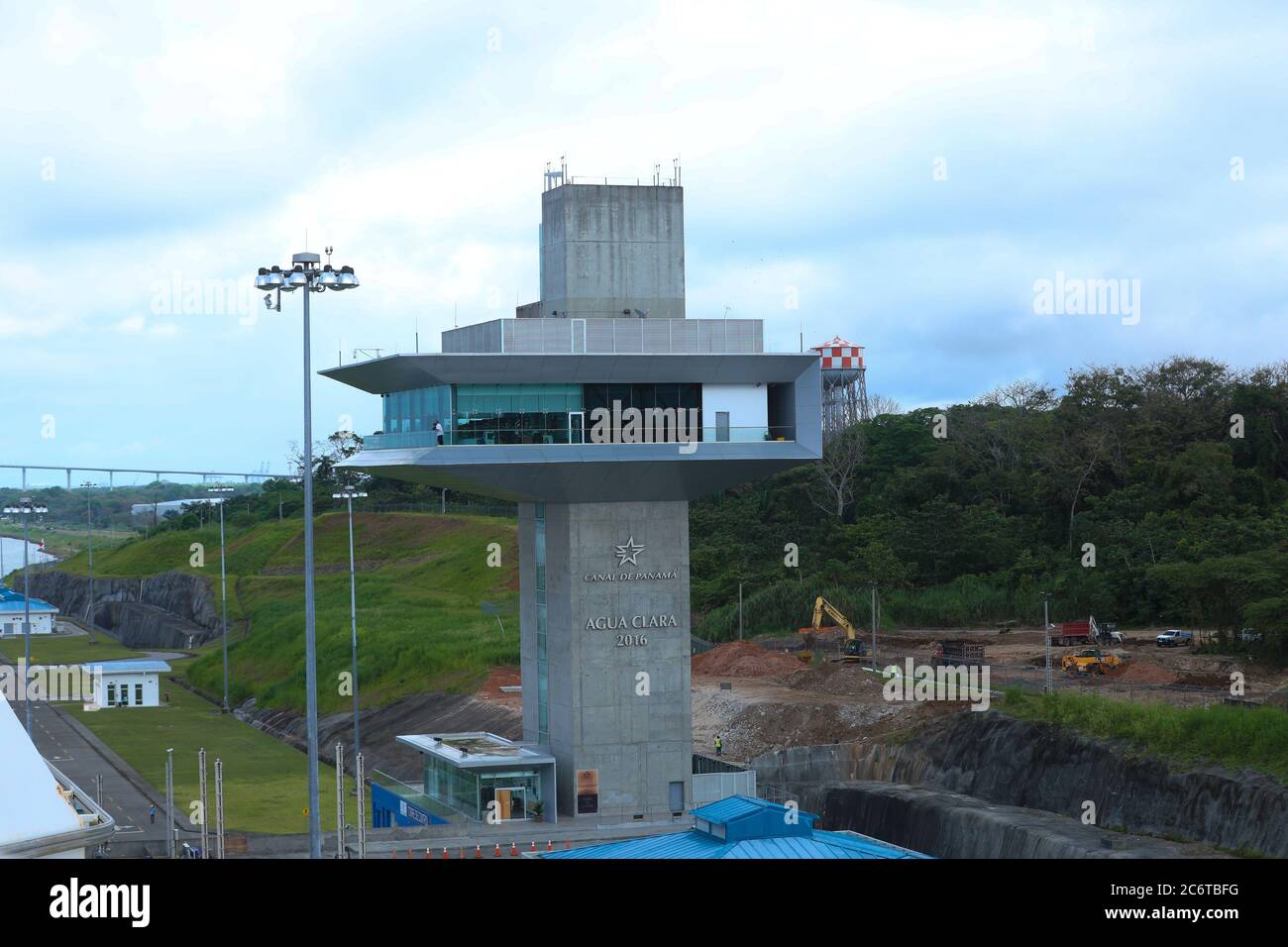
The control of the Panama Canal has become a contentious topic, especially following recent comments made by former President Donald Trump. During a speech, he lamented the 1977 Torrijos-Carter Treaties that led to the transfer of the canal’s control to Panama, arguing that the decision has allowed external influences, particularly from China, to grow over this critical passage. Trump emphasized the negative economic impacts for the US, as he claimed that transit fees have surged, benefiting Panama while undermining American interests. He raised concerns that China’s increasing influence over the Panama Canal could threaten the strategic and economic stability of the region. As discussions continue about presidential authority and international relations, the Panama Canal remains at the forefront of debates on sovereignty and control in today’s geopolitical landscape.
The governance of the Panama Canal remains a pivotal issue in international relations, especially with discussions around its past management and present implications. Former President Trump has vocalized his discontent regarding the handover that occurred as a result of the 1977 treaty agreements, suggesting that it has opened the door to foreign powers. The recent surge in fees by Panama, which Trump highlighted, raises questions about the operational efficiency and effectiveness of this vital trade route. Additionally, the potential for Chinese dominance in this area has further complicated the dialogue on national interests and control of international waterways. As each party reflects on the historical context and the future direction of the Panama Canal, the stability and sovereignty of maritime passages are under intense scrutiny.
The Legacy of the Panama Canal Control Transfer
The transfer of control over the Panama Canal from the United States to Panama is a pivotal moment in geopolitical history, encapsulated in the 1977 Torrijos-Carter Treaties. These treaties represented a significant shift in U.S.-Panama relations and effectively granted Panama sovereignty over one of the world’s most important maritime routes. By relinquishing control of the canal, the U.S. sought to improve diplomatic relations in the region, a move that has been heavily scrutinized in light of recent comments from former President Donald Trump, who lamented that the decision led to financial exploitation and increased influence from China. The historical context of these treaties shows how they were intended to promote Panamanian autonomy, yet, as events unfold, they have also opened the door for potential foreign dominance over the canal’s operations.
Critics of the treaty argue that while the U.S. had good intentions in returning the canal to Panama, the consequences have often been detrimental to American interests. Trump’s assertion that transit fees have increased drastically under Panamanian control has fueled ongoing debates about the efficacy of the treaties. The canal’s operation and its significant toll implications highlight the delicate balance of international relations, economic policies, and sovereignty. As China continues to seek influence in Latin America, the question remains whether the U.S. missed an opportunity to maintain a strategic foothold in the region, an aspect that is now increasingly essential given China’s expanding global presence.
The Panama Canal not only revolutionized maritime trade but also symbolized U.S. power and influence in the region. By the late 20th century, the 1977 Torrijos-Carter Treaties facilitated the canal’s gradual handover to Panama, culminating in full control in 1999. Trump’s criticism reflects a growing concern among some Americans regarding the long-term consequences of this transition, particularly as the canal becomes a point of contention with emerging global powers such as China. The former president’s remarks highlight not merely a critique of past treaties but also fears of relinquishing too much authority over strategic assets that hold global significance. As China’s interest in Panama escalates, restoring or reassessing American influence in the region could matter more than ever.
Impact of China’s Influence on the Panama Canal
In recent years, concerns regarding China’s growing influence over the Panama Canal have intensified. The strategic waterway is crucial for global trade routes, and many fear that China’s involvement could shift the balance of power in the region. Trump’s comments encapsulate these anxieties, framing the situation as a potential threat that needs immediate attention. If Beijing were to further solidify its presence in Panama, it could increase its control over vital shipping lanes, allowing it to exert influence far beyond Central America. This has led to heightened discussions among U.S. policymakers about the implications of foreign investment and control of critical infrastructure, which can affect national security and economic stability.
Moreover, the rise of China’s influence reflects broader patterns of global competition where nations vie for strategic partnerships and may lead to a new era of Sino-American relations marked by suspicion and rivalry over resources. The Panama Canal represents not only a transit route for goods but also a focal point for military and economic strategies in light of global trade dynamics. Trump’s fervent remarks serve as a wake-up call, emphasizing the necessity for the U.S. to reassess its engagement and presence in the region to safeguard its interests against external domination.
The geopolitical significance of the Panama Canal has grown in tandem with the increase of Chinese investments in infrastructure across Latin America. As Trump highlighted the potential for Chinese influence to take root in the canal operations, it underscores a perceived urgency for the U.S. to engage more actively with its neighbors. The concern is not simply about financial dominance; it’s about maintaining an American-led order that promotes stability and strategic alliances. The need for the U.S. to respond proactively to China’s maneuvers in the region suggests that the legacy of the 1977 Torrijos-Carter Treaties continues to shape contemporary foreign policy decisions and debates.
Trump’s View on Presidential Authority and Immigration
At the same event, Donald Trump invoked themes of presidential authority, particularly in relation to immigration laws such as birthright citizenship. He expressed displeasure with the U.S. Supreme Court’s handling of these issues, arguing that the interpretation of citizenship needs to be revisited. His comments reflected a broader conversation about how presidential authority can influence immigration policy and national identity, themes central to his administration. USA’s history surrounding birthright citizenship has significant implications, as Trump emphasized the original intent was geared toward addressing the status of children born to enslaved individuals, rather than affluent immigrants who benefit from these policies today.
Trump’s remarks signal a desire to reclaim control over the narrative surrounding U.S. immigration policy, advocating for a merit-based system that focuses on economic contributions over birthright status. This reflects ongoing debates within American politics about the definition of citizenship and who gets to enjoy its rights. Such a shift could have profound implications on future immigration reforms, illustrating the challenges of reconciling historical contexts with contemporary political pressures.
In addition to immigration reform, Trump pointed to recent rulings from the Supreme Court that bolstered presidential power. This included a judgment that expanded the presidential ability to dismiss executive branch officials, a change that Trump hailed as vital for restoring authority to the highest office. His remarks positioned him as an advocate for a strong presidency, claiming past limitations hindered effective governance. This context reflects an interpretation of American democracy wherein executive power is pivotal in navigating complex legal landscapes, further intertwining the issues of government structure and policy enforcement with personal political agendas.
Reassessing the Torrijos-Carter Treaties
The 1977 Torrijos-Carter Treaties remain a critical focal point in U.S.-Latin American relations, admired by some as progressive but critiqued by others for seemingly errant foresight. Trump’s recent commentary on the treaties highlights a recurring theme in American politics: the struggle to navigate the legacies of past administrations. Proponents of the treaties argue that they were essential to fostering a cooperative relationship with Panama and promoting regional stability; critics, meanwhile, contend that the decisions made then have yielded unintended economic consequences, particularly as they pertain to transit fees and global influence, notably from countries like China.
In reassessing these treaties, there lies an opportunity to reflect on their impacts concerning sovereignty and economic autonomy in Latin America. The remarks from Trump, alongside an increasingly polarized discourse surrounding historical U.S. interventions, further complicate the narrative. This warrants a broader discussion on the evolution of international relations and how past actions shape current foreign policies, particularly regarding trade routes and influential partnerships.
Furthermore, the impact of the Torrijos-Carter Treaties transcends mere economic discussions, extending into cultural and political spheres as they reflect changing tides in bilateral relationships. The enduring discourse surrounding these treaties invites scrutiny of U.S. foreign policy, particularly its implications on Latin American autonomy and agency. As countries like China gain footholds in what were once predominantly American spheres of influence, the need to understand the ramifications of the 1977 treaties becomes critical for future engagement. This examination serves as both a lesson learned and a call for strategic action moving forward.
The Panama Canal and Global Trade Dynamics
The Panama Canal serves as a vital artery in global trade, significantly influencing shipping routes and economic exchanges worldwide. By enabling vessels to traverse between the Atlantic and Pacific Oceans, it drastically reduces travel time and costs associated with shipping goods. Trump’s recent comments underscore the strategic importance of maintaining assertive oversight in this critical area, particularly as emerging economies expand their presence in international markets. The growing concerns over China’s grasp on global supply chains further complicate the picture, as elevated fees and strategic manipulations could hinder U.S. competitiveness in global markets.
As the landscape of trade evolves, the relevance of the Panama Canal cannot be overstated. Discussions surrounding its management reflect larger themes of globalization, trade agreements, and geopolitical strategies. The U.S. must consider how to protect its interests amid rising competition, particularly from nations that may not align with traditional American ideologies or economic practices. This necessitates a comprehensive approach integrating diplomatic and economic strategies into securing a future-oriented and inclusive conception of global trade.
Moreover, the shifting dynamics at the Panama Canal encapsulate the complexities of modern commerce, where nation-states must navigate relationships and competition through not merely bilateral agreements but via broader multi-national coalitions. The U.S. faces the challenge of responding to new realities where sovereignty, economic influence, and diplomatic relations intertwine in a web of dependencies. As countries like China assert their positions in strategic territories, the U.S. must adopt agile policy responses that not only safeguard its interests but also promote equitable trade practices that ultimately benefit global commerce.
Trump’s Reflections on U.S. Sovereignty
In the veins of Trump’s statement lies a profound commentary on American sovereignty and the implications of historical decisions. By amplifying concerns over the Panama Canal’s control, he juxtaposes the loss of a key asset with the broader narrative of American exceptionalism, tying it back to contemporary issues such as immigration and birthright citizenship. The dialogue surrounding who retains control over critical resources and regions like the Canal speaks volumes about national identity and sovereignty in an increasingly interconnected world. Trump’s reflections echo the sentiments of many who feel that sovereign nations must prioritize retaining authority over their resources, particularly in the face of expanding foreign influence, especially from China.
This invocation of sovereignty resonates deeply with many American voters, especially those worried about ceding control to foreign entities. Trump’s focus on reclaiming power, both in terms of geographic assets and immigration policies, highlights a desire to establish a robust national framework that prioritizes U.S. interests. His remarks serve as a catalyst for ongoing debates about the roles and responsibilities of nations in managing their assets and navigating global influence. The Panama Canal thus becomes a symbol of broader concerns about identity, power, and the dynamics of a rapidly changing geopolitical landscape.
The question of sovereignty ties neatly into Trump’s broader narrative on leadership and authority during his presidency. As he pointed to recent Supreme Court rulings that favored presidential prerogative, a theme emerged regarding the need for strong centralized power to navigate complex issues involving national security and economic policies. The Panama Canal’s story intertwines with that of presidential authority, as past legislation plays a crucial role in shaping current events. Trump’s assertion that the U.S. should never have handed over control can be read as a call to action for leaders to adopt a more assertive approach in safeguarding their nation’s interests against foreign encroachments.
Frequently Asked Questions
What are Donald Trump’s comments about Panama Canal control and China’s influence?
Former President Donald Trump recently criticized the transfer of Panama Canal control to Panama through the 1977 Torrijos-Carter Treaties. He asserted that this decision led to significant increases in transit fees under Panama’s management and accused China of attempting to extend its influence over the canal, describing it as a strategic waterway of utmost importance to the United States. Trump’s remarks highlight concerns about China’s growing power in the region and the implications for U.S. interests.
| Key Points | Details |
|---|---|
| Transfer of Control | The Panama Canal was handed over to Panama under the 1977 Torrijos-Carter Treaties, with full control granted in 1999. |
| Trump’s Criticism | Trump criticized the decision to hand over control, claiming it resulted in increased transit fees for ships. |
| Transit Fee Increase | According to Trump, Panama raised transit fees by four times and continued to increase them without losing business. |
| Chinese Influence | Trump expressed concern that China is attempting to gain control over the Panama Canal. |
| Presidential Authority | During the same event, Trump discussed recent Supreme Court rulings enhancing presidential authority. |
Summary
The control of the Panama Canal remains a pivotal topic in discussions regarding international trade and geopolitical strategy, particularly in the context of U.S.-China relations. Former President Donald Trump’s remarks emphasize his belief that the transfer of the canal’s control to Panama was a misguided decision. Trump highlighted the dramatic increase in transit fees imposed by Panama and warned against China’s ambitions in the region. This perspective underscores the canal’s significance not merely as a maritime passage but as a strategic asset that influences global trade dynamics. As debates continue over the management and control of such vital waterways, the topic of Panama Canal control will likely remain a focal point in discussions of national interest and security.