

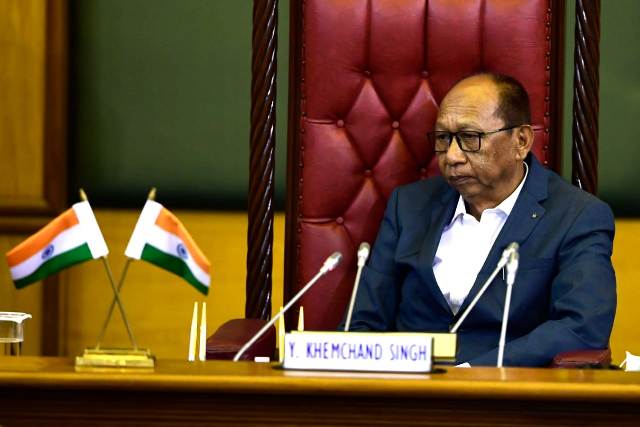
The Manipur peace initiative is at the forefront of efforts to restore harmony in a region grappling with conflict. Recently, Manipur Chief Minister Y Khemchand Singh joined eight MLAs from the Meitei community on a mission to Jiribam district, symbolizing a commitment to peace-building in Manipur. This initiative aims to bridge the gap between the Meitei and Kuki communities, fostering trust and cooperation amid ongoing tensions. Throughout their three-day visit, Singh and his team will monitor developmental projects in Jiribam, which are crucial for revitalizing the area’s economic landscape and addressing the needs of Internally Displaced Persons (IDPs). By actively engaging with various community leaders, this peace initiative strives to lay the groundwork for a more cohesive and prosperous Manipur.
In the pursuit of restoring tranquility in Manipur, the recent efforts of the local government can be described as a peace-building initiative aimed at healing the rifts between conflicting groups. This initiative closely follows visits by key figures, such as Chief Minister Y Khemchand Singh, to the Jiribam area, which has seen significant upheaval. During these visits, leaders are focused on connecting with diverse community members and inspecting critical development programs that cater to the region’s different populations, including the affected Meitei and Kuki-Zo. Engaging with community representatives and addressing the pressing issues faced by IDPs are essential steps in fostering long-term stability. Consequently, initiatives like these are pivotal in alleviating the legacy of conflict and paving the way for a unified, thriving Manipur.
Y Khemchand Singh’s Peace-Building Efforts in Manipur
In a significant move towards restoring harmony in Manipur, Chief Minister Y Khemchand Singh has taken proactive steps by visiting Jiribam district. Accompanied by a delegation of eight MLAs from the Meitei community, Singh’s visit is seen as a crucial part of broader peace-building efforts following the unrest that erupted in May 2023 between the Meitei and Kuki-Zo communities. During the three-day visit, the focus will be not only on addressing concerns of Internally Displaced Persons (IDPs) but also on fostering dialogue among community leaders, which is essential in the healing process of the Meitei Kuki conflict. The Chief Minister’s direct engagement is pivotal in building trust and addressing the fears that have surfaced amongst various groups since the violence.
The Jiribam district visit serves as a platform for Y Khemchand Singh to inspect ongoing developmental projects that are aimed at improving local infrastructure and economic conditions. By showcasing the government’s commitment to development, Singh aims to alleviate tensions and reinforce a sense of security within the region. His interactions with IDPs are particularly important, as they provide a voice to those who have been directly affected by the conflict. The Chief Minister plans to hold meetings with leaders from both the Meitei and Kuki communities, which is a hopeful step towards reconciliation and understanding among the diverse populations in the area.
Developmental Projects in Jiribam: A Step Towards Stability
As part of the peace initiative, the inspection of developmental projects in Jiribam is crucial. These projects not only signify government investment in the district but also reflect an intention to stabilize the socio-economic landscape post-conflict. Y Khemchand Singh, along with his delegation, will evaluate the progress of these projects, which are designed to provide employment and improve daily living conditions. Enhanced infrastructure in Jiribam can significantly boost trade and connectivity with neighboring areas, thereby fostering inter-community relationships in a region that has been marred by division.
The revitalization of Jiribam through developmental projects also aims to address some of the root causes of the Meitei Kuki conflict. By focusing on growth and collaboration among communities, the government intends to turn the tide towards peace and mutual respect. Furthermore, these initiatives encourage inclusivity, engaging not only the Meitei but also Kuki, Naga, and other minority groups. This united front will play a vital role in building a resilient community that stands together in the face of adversity.
The Role of Community Leadership in Peace Initiatives
Community leadership plays a fundamental role in the peace-building process in Manipur, especially in the wake of the Meitei Kuki conflict. During his visit to Jiribam, Y Khemchand Singh’s dialogue with community leaders is pivotal. These leaders hold significant influence over their respective communities and can be instrumental in promoting coexistence and understanding among the diverse groups. By involving leaders from the Meitei, Kuki-Zo, and other communities in discussions, the Chief Minister fosters an integrated approach to resolving tensions and misunderstandings that have arisen due to violence.
Moreover, the engagement between community leaders and the Chief Minister during this visit is essential for crafting a collective vision for the future of Jiribam and greater Manipur. Effective peace-building necessitates collaborative efforts where leaders advocate for peace and cooperation rather than division. The upcoming meetings in Jiribam will provide a platform for leaders to voice their concerns and aspirations, acting as a catalyst for community-based solutions that emphasize shared goals and mutual support. This strategy not only aids in conflict resolution but also prepares the groundwork for a more inclusive and peaceful society.
Internally Displaced Persons: A Focus on Their Needs
In light of the events surrounding the Meitei Kuki conflict, addressing the plight of Internally Displaced Persons (IDPs) is crucial. Y Khemchand Singh’s visit to Jiribam involves direct communication with IDPs to understand their challenges and needs. Many individuals and families have been uprooted, and their immediate needs must be met for any peace-building initiative to be effective. By putting the concerns of IDPs at the forefront of his agenda, Singh aims to ensure that the voices of the most vulnerable populations are heard in the peace dialogue.
Furthermore, addressing the needs of IDPs also complements ongoing development projects in the area. By integrating the support for IDPs into broader developmental plans, the government can create a more comprehensive approach to recovery and reconciliation. This intersection of humanitarian assistance and developmental strategy is likely to yield a greater impact on community trust and cooperation, paving the way for a sustainable peace process in Manipur.
Challenges Facing Manipur’s Peace-Building Initiatives
Despite the positive steps being taken towards peace in Manipur, various challenges remain in the path of reconciliation. The recent violence between the Meitei and Kuki communities has led to deep-seated mistrust, which is not easily remedied. Y Khemchand Singh’s administration must navigate these complex dynamics carefully during the peace-building process. The skepticism surrounding governmental intentions and the safety concerns of community members contribute to a precarious atmosphere where genuine dialogue may be challenging.
Additionally, the restriction of movement across key routes, particularly the major National Highways, highlights the pressing issues of accessibility and safety that hamper potential economic development and inter-community interactions. These challenges must be addressed head-on; without ensuring safety and openness, initiatives aimed at promoting understanding may fall flat. It is crucial for the government to implement strategies that not only emphasize security but also encourage active participation from the community in peace-building efforts.
Jiribam as a Model for Future Peace Strategies
The Jiribam district serves as a critical case study for future peace strategies in Manipur. With its diverse demographics, including the Meitei and Kuki-Zo communities, it presents a unique opportunity to implement peace initiatives that can be replicated in other conflict-affected regions. By focusing on a multi-faceted approach that combines developmental projects with community dialogue, the lessons learned in Jiribam could be transformative across Manipur. Y Khemchand Singh’s leadership during this pivotal time is instrumental in crafting a model for coexistence that prioritizes inclusivity and collective development.
To establish Jiribam as a beacon of peace, the government must emphasize continuous engagement with local communities, ensuring that their voices and perspectives shape the peace initiatives. This proactive involvement will not only foster trust but also empower community members to take ownership of the peace process. By aligning development goals with peace-building activities, Jiribam can exemplify the impact of collaborative efforts in creating a harmonious society and inspire other districts within the state to follow suit.
Long-term Impact of Peace Initiatives in Manipur
The long-term impact of Y Khemchand Singh’s peace initiatives in Manipur could redefine the socio-political landscape of the region. Successful peace-building efforts hinge on developing not just immediate relief but sustainable frameworks that nurture cultural understanding and social cohesion among the Meitei, Kuki-Zo, and other communities. As developmental projects are completed and trust is rebuilt, Manipur could experience a renaissance of social and economic vitality, leading to a more unified society standing together against future conflicts.
For lasting change, it is paramount that peace initiatives do not become a short-term solution but rather embed themselves in the daily lives of community members. Engagement in local governance, access to resources, and open communication channels must remain active post-initiatives. As peace takes root, the benefits of collaboration will manifest, proving that peaceful coexistence is both possible and beneficial for all stakeholders involved. With a steadfast commitment to this path, Manipur’s challenges may transform into opportunities for growth and solidarity.
Conclusion: Towards a Cohesive Manipur
In conclusion, the recent visit by Chief Minister Y Khemchand Singh to Jiribam symbolizes a pivotal moment for peace in Manipur. Through his engagement with communities and focus on developmental projects, Singh aims to bridge the divides created by the ongoing conflicts. The proactive approach taken during this visit stands as a testament to the administration’s commitment to resolving tensions and fostering a cooperative spirit among diverse groups. Combined with the active involvement of community leaders and addressing the needs of IDPs, this initiative has the potential to bring about significant change.
As the state navigates through its challenges, the success of these peace-building efforts will depend on sustained commitment and collaboration from all sectors of society. A holistic approach that includes economic development, cultural dialogue, and political inclusivity is essential in paving the way for a stable and harmonious Manipur. The outcomes from Jiribam may serve as a blueprint for future endeavors, propelling the state towards a cohesive and peaceful future.
Frequently Asked Questions
What is the significance of the Manipur peace initiative led by Y Khemchand Singh?
The Manipur peace initiative, spearheaded by Chief Minister Y Khemchand Singh, aims to foster peace-building in Manipur, particularly in the conflict-affected areas of Jiribam district. This initiative seeks to rebuild trust between the Meitei and Kuki communities, focusing on dialogue and the inspection of developmental projects to improve the overall situation in the region.
How does Y Khemchand Singh’s visit to Jiribam district support peace-building in Manipur?
Y Khemchand Singh’s visit to Jiribam district is a crucial component of the Manipur peace initiative. By engaging with community leaders and Internally Displaced Persons (IDPs), the chief minister aims to address ongoing tensions stemming from the Meitei-Kuki conflict, fostering dialogue and cooperation among diverse community groups.
What are the current developmental projects in Jiribam district related to the Manipur peace initiative?
During his visit, Y Khemchand Singh will examine various developmental projects in Jiribam district, which are integral to the peace-building efforts in Manipur. These projects aim to enhance infrastructure, promote social stability, and facilitate economic development, playing a key role in healing the divisions from the Meitei and Kuki conflicts.
What communities are involved in the Manipur peace initiative?
The Manipur peace initiative involves various communities in Jiribam district, particularly the Meitei and Kuki-Zo groups. The initiative facilitates discussions between these communities, focusing on reconciliation and collaboration to restore peace after the violent clashes that began on May 3, 2023.
Why is the Jiribam district visit by Y Khemchand Singh important in the context of the Meitei-Kuki conflict?
The Jiribam district visit by Y Khemchand Singh is fundamental to the Manipur peace initiative as it represents a commitment to address the grievances of both the Meitei and Kuki communities. This visit allows for direct interaction and dialogue, which are essential for building trust and finding sustainable solutions to the ongoing tensions linked to the Meitei-Kuki conflict.
| Key Point | Details |
|---|---|
| Chief Minister’s Visit | Y Khemchand Singh visited Jiribam district with eight MLAs. |
| Purpose of Visit | To reinforce peace and trust-building initiatives. |
| Duration of Stay | The delegation will camp in the district for three days. |
| Accompanying Officials | Included state BJP president A Sharda and several MLAs. |
| Community Interactions | The Chief Minister will meet Internally Displaced Persons (IDPs) and community leaders. |
| Background of Violence | Violence erupted between Meitei and Kuki-Zo communities on May 3, 2023. |
| Jiribam District Location | Located about 217 km from Imphal, borders Assam’s Cachar district. |
| Diverse Communities | Home to Meitei, Kuki-Zo, Naga, and Muslim communities. |
| First Visit Details | Previous visit was by helicopter, involving interactions with IDPs. |
Summary
The Manipur peace initiative marks a critical effort by Chief Minister Y Khemchand Singh and local leaders to restore harmony in the region. By engaging with diverse community leaders and addressing the challenges faced post-violence, this initiative aims to build trust among the affected populations. The commitment to inspecting developmental projects and interacting with Internally Displaced Persons signifies a proactive approach to resolving tensions and fostering a cooperative environment in Manipur.



























