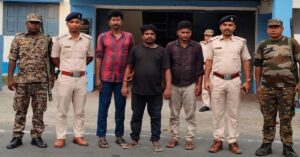
The Srinagar encounter investigation has sparked significant controversy and calls for accountability following the tragic death of Rashid Ahmad Mughal. J&K Chief Minister Omar Abdullah has taken a notable stand by demanding a “transparent and time-bound investigation” into the incident, which occurred on March 31. This plea comes in light of claims from a family in Abdullah’s Ganderbal constituency, asserting that the deceased had no ties to terrorism, contradicting the Army’s narrative. Rashid Ahmad Mughal’s brother, Ajaz Ahmad Mughal, insists on his sibling’s innocence, emphasizing that Rashid was on the path to join the Army. As the investigation unfolds, the implications of military actions on civilian lives and the demand for justice remain at the forefront of public discourse.
The inquiry into the circumstances surrounding the Army encounter in Srinagar has raised essential questions about military protocols and civilian safety. Following the shocking claims made by the family of Rashid Ahmad Mughal, people are calling for an independent review that could clear misconceptions about the incident. The situation emphasizes the importance of thorough inspections in violent scenarios, particularly when allegations of wrongful death are involved. With notable figures like J&K Chief Minister Omar Abdullah advocating for transparency in the review process, the stakes have never been higher for both local governance and military accountability. This incident not only affects the immediate families involved but also the broader community, as they grapple with issues of trust and safety in their region.
Srinagar Encounter Investigation: Calls for Transparency
The recent incident concerning Rashid Ahmad Mughal’s death has sparked significant outrage and demands for a thorough inquiry. J&K Chief Minister Omar Abdullah’s appeal for a transparent and time-bound investigation highlights the growing need for accountability in encounters involving the Army. On March 31, the allegations of extrajudicial killings have raised serious questions about the protocols followed during these operations. Given the sensitive context of Jammu & Kashmir, it’s imperative that such investigations are handled with the utmost integrity, ensuring that the truth is uncovered and justice is served.
The family’s insistence that Rashid Ahmad Mughal had no ties to terrorism adds a personal touch to the broader narrative surrounding Army encounters in the region. His brother, Ajaz Ahmad Mughal, has vocally defended Rashid’s character, supporting their claims by stating that he was focused on preparing for an Army recruitment. This situation resonates deeply within the Ganderbal constituency, bringing to light the societal implications of military operations on civilian lives. The urgency of these investigations is not just about the individual case, but also about restoring faith in the governance and legal frameworks within Jammu and Kashmir.
Impact of the Army Encounter on Local Communities
The Army’s operational tactics in Jammu and Kashmir often face scrutiny, especially regarding civilian safety and rights. The encounter that led to Rashid Ahmad Mughal’s death is yet another incident that underscores the complex relationship between the military and the local populace. Many residents of Ganderbal, like Ajaz Ahmad Mughal, have expressed their concerns over the security forces’ approach, noting that the lack of transparency can significantly damage trust within the community. Such incidents can lead to heightened tensions and exacerbates feelings of alienation among the youth.
Furthermore, the consequences of these encounters extend beyond immediate impacts; they contribute to the larger narrative of conflict in Jammu and Kashmir. Families of victims often contend with not just the loss of loved ones but also the stigma associated with being labeled as terrorists or insurgents. Rashid Ahmad Mughal’s case highlights this distressing reality, illuminating the need for more responsible engagement by the military in civilian matters. It also emphasizes the importance of community leaders, like Chief Minister Omar Abdullah, advocating for fundamental changes to ensure that encounters are conducted in a manner that prioritizes human rights and public safety.
J&K Chief Minister’s Role in Ensuring Justice
The intervention of J&K Chief Minister Omar Abdullah in the case of Rashid Ahmad Mughal reflects the critical role of political leaders in addressing community grievances. Abdullah’s call for an investigation, amidst widespread scrutiny, is significant in setting a precedent for accountability in military operations across the region. As a public figure who represents Ganderbal, he is uniquely positioned to amplify the voices of families affected by such incidents and push for policies that prioritize transparency and justice.
Omar Abdullah’s engagement with this issue can potentially influence public perception and restore confidence within the local community about governance. As many in Ganderbal are looking towards leadership for answers, the Chief Minister’s actions could foster a collaborative environment where governmental bodies are held accountable. The emphasis on a transparent investigation may also encourage other families to voice their concerns and seek justice, ultimately contributing to a more equitable approach to handling such sensitive matters in Jammu and Kashmir.
The Socio-Political Context of Army Actions
The socio-political landscape of Jammu and Kashmir is intricately linked with military operations, particularly in areas like Ganderbal. The death of Rashid Ahmad Mughal serves as a stark reminder of the impact these encounters have on public life and sentiments toward security forces. The community often grapples with fear and uncertainty, navigating the complexities brought on by military presence while aspiring for peace and prosperity. The narrative of encounters often overshadows the personal stories of those affected, turning individuals into statistics in a broader conflict.
Moreover, the political figures, including the J&K Chief Minister, have a responsibility to address these challenges faced by the community. Advocating for civilian rights and transparent investigations can help bridge the gap between the Army and local residents, fostering a more supportive environment. As the demand for justice grows, it becomes crucial for leaders to acknowledge the emotional and social toll that these encounters impose, thereby encouraging a dialogue that may lead to sustainable solutions in the region.
Rashid Ahmad Mughal: A Life Remembered
Rashid Ahmad Mughal’s story transcends the circumstances of his death; it serves as a poignant reminder of the countless lives affected by the ongoing conflict in Jammu and Kashmir. His family paints a picture of a young man with dreams and aspirations, preparing to join the Army and serve his nation. This narrative humanizes the statistics often reported in the media, reminding us that behind each tragic event lies a story of hope, ambition, and potential. The community’s reaction to his death demonstrates the deep connections and collective grief shared among residents of Ganderbal.
As the investigation unfolds, memories of Rashid Ahmad Mughal will likely resonate within the hearts of his family and friends. The call for justice by those who knew him underscores the need for a society that values life and integrity. This incident not only highlights the individual life lost but also reflects broader social issues and the quest for recognition and respect for civilian existence amidst military pressures. His legacy will encourage ongoing discussions about the human cost of conflict and the imperative for change in how encounters are managed.
The Call for Policy Revisions in Military Engagements
The circumstances surrounding Rashid Ahmad Mughal’s death have reignited discussions about the need for comprehensive policy revisions regarding military engagements in civilian areas. As highlighted by Chief Minister Omar Abdullah’s request for a transparent investigation, there is a growing consensus that existing protocols may require reevaluation to prevent future tragedies. Policymakers must consider integrating community input and expert opinions to reform how military operations are executed, ensuring the protection of civilian rights.
These policy revisions should aim to establish clear guidelines for military operations that prioritize de-escalation and conflict resolution. Such measures could facilitate better relationships between military forces and local communities, fostering a sense of security and trust. Furthermore, addressing concerns raised by families like that of Rashid Ahmad Mughal will demonstrate a commitment to safeguarding human rights, promoting accountability, and supporting the aspirations of individuals in Jammu and Kashmir.
Community Reactions to the Encounter Incident
The reaction from the Ganderbal community to the encounter that led to Rashid Ahmad Mughal’s death has been a mixture of grief, anger, and calls for justice. Local residents have expressed solidarity with the Mujhal family, underscoring the necessity of accountability in such tragic circumstances. This incident has reignited concerns about military conduct and human rights violations that are often at the forefront of community discussions. As voices within the community gather momentum, it is likely to lead to broader demands for reform regarding military engagements in civilian areas.
Moreover, the emotional toll on families profoundly affects community cohesion. The death of individuals like Rashid Ahmad Mughal builds a narrative that resonates across households, prompting discussions about security, safety, and the role of government in protecting its citizens. Community gatherings, demonstrations, and dialogues aim to fortify their collective stance against perceived injustices, reinforcing the message that every life lost is a loss to the community overall.
The Role of Local Leadership in Navigating Conflict
Local leadership plays an essential role in navigating the intricate dynamics of conflict in Jammu and Kashmir, especially in light of incidents involving military encounters. As evidenced by Chief Minister Omar Abdullah’s response to Rashid Ahmad Mughal’s death, visible and vocal leadership is critical in advocating for justice and reform. Local leaders can leverage their positions to bridge gaps between the military and community members, fostering dialogue that emphasizes peace while prioritizing the safety and rights of civilians.
Furthermore, effective leaders often act as mediators, promoting understanding and collaboration within their constituencies. In the context of the encounter in Ganderbal, Abdullah’s insistence on an investigation sends a powerful message: that local leadership values the voices of the people and is committed to pursuing justice for victims of military actions. Such leadership can inspire communities to remain resilient, voicing their rights and contributing proactively to the dialogue surrounding security and safety in the region.
Future Implications for Jammu and Kashmir
The aftermath of the Rashid Ahmad Mughal incident may result in significant implications for the future of Jammu and Kashmir, particularly in the relationship between the state and its citizens. As the community continues to rally for justice, there may be a reformation of policies surrounding military engagements in civilian life. This could lead to increased transparency and more accountable processes that prioritize civilian safety and rights—a crucial development given the region’s complex security landscape.
Additionally, the response from government officials, such as Chief Minister Omar Abdullah, could set a precedent for future cases, indicating that the state will act decisively to address allegations of injustice. Such governmental commitment to community accountability may encourage a more harmonious relationship between civilians and security forces, fostering a climate of trust and stability in Jammu and Kashmir moving forward.
Frequently Asked Questions
What is the current status of the Srinagar encounter investigation requested by J&K Chief Minister Omar Abdullah?
The Srinagar encounter investigation is currently under scrutiny following a family complaint asserting that Rashid Ahmad Mughal, who was killed in an Army encounter, was not linked to terrorism. J&K Chief Minister Omar Abdullah has called for a transparent and time-bound investigation to clarify the circumstances surrounding the incident. The family, particularly Ajaz Ahmad Mughal, has filed a police complaint seeking an FIR and emphasizes that Rashid was preparing for Army recruitment.
| Key Point | Details |
|---|---|
| Request for Investigation | J&K Chief Minister Omar Abdullah called for a transparent and timely investigation into the encounter. |
| Incident Overview | A person, Rashid Ahmad Mughal, was killed in an alleged encounter by the Army in Ganderbal on March 31. |
| Family’s Claim | The deceased’s family asserted he had no links to terrorism and was preparing for Army recruitment. |
| Police Complaint | The family filed a police complaint requesting an FIR and a thorough investigation into the circumstances of the death. |
Summary
The Srinagar encounter investigation has emerged as a critical issue following the death of Rashid Ahmad Mughal, raising questions about military engagement and accountability. The family’s assertion that Rashid had no ties to terrorism, coupled with J&K Chief Minister Omar Abdullah’s demand for a transparent inquiry, highlights the need for clarity in such troubling incidents. As the case unfolds, it is imperative to examine the underlying circumstances that led to this encounter, ensuring justice for the families affected and maintaining trust in law enforcement and military operations.