

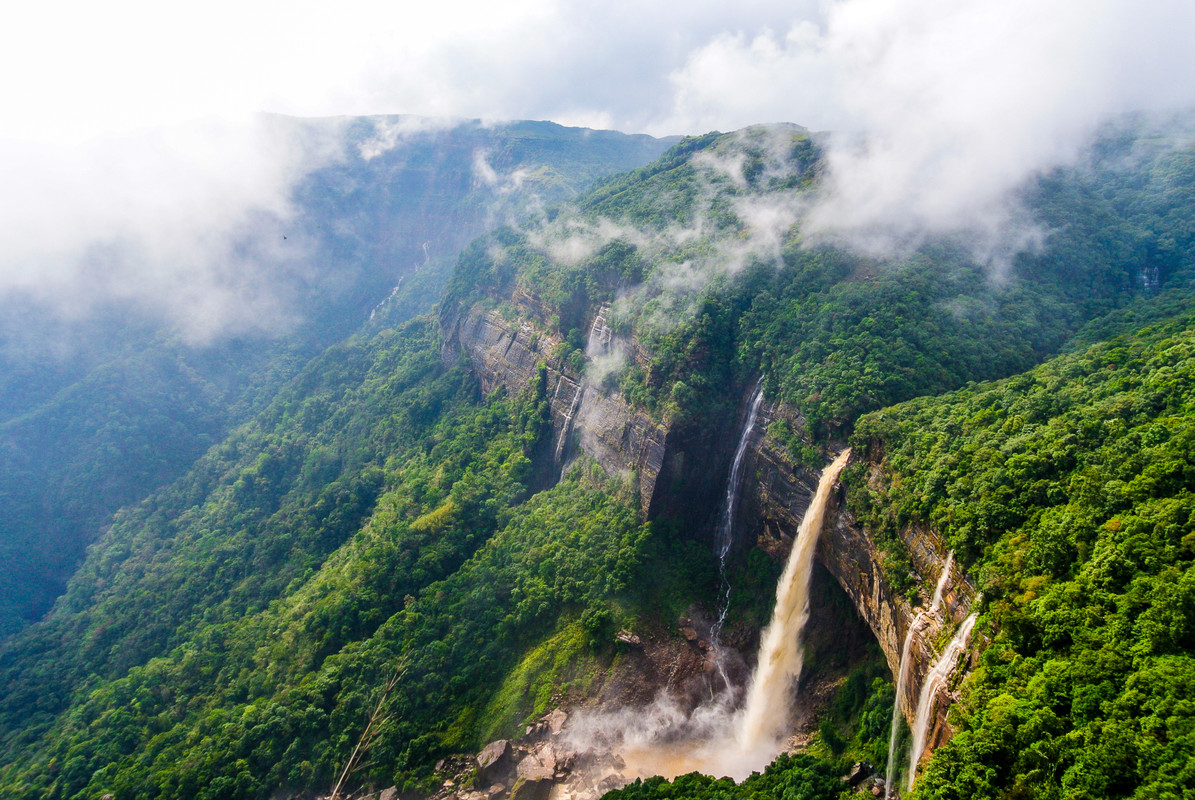

Meghalaya weather disruptions have recently taken center stage as violent storms wreak havoc across the region. On Sunday afternoon, heavy downpours and hailstorms battered areas such as Shillong, Mawiang, and Umiam, transforming roads and rooftops into winter wonderlands of ice. This abrupt weather shift led to substantial disruptions, including widespread power outages in places like Mawlai Mawroh and Nongmali, as power lines were downed by fierce winds. Tragically, the impact of the storm was felt even more acutely on the FCI road in Mawlai, where fallen electric poles plunged numerous communities into darkness. In response to these events, the Indian Meteorological Department issued a weather warning for Meghalaya, forecasting further storms and lightning over the coming days, with wind speeds reaching 30-40 km/h.
Recent adverse weather conditions in Meghalaya, characterized by tempestuous storms and hail events, have posed serious challenges for local communities. The dramatic hailstorm in Shillong not only altered the landscape but also caused significant disruptions to daily life by bringing down electric lines and tree branches. As residents brace for continued weather threats, including potential power shortages and severe storms, the Indian Meteorological Department is closely monitoring the situation and issuing alerts. With neighboring states like Assam and Manipur also affected, the widespread nature of these weather occurrences underscores the urgency for public preparedness. As the region grapples with these tumultuous weather patterns, the potential for further calamities remains high, urging everyone to stay vigilant.
Understanding the Storm’s Impact on Meghalaya
Meghalaya recently faced severe weather disruptions caused by heavy downpours and hailstorms that swept through on a Sunday afternoon. The storm wreaked havoc, causing electric wires to fall and large tree branches to become hazards on the roads. Regions like Shillong and Mawiang transformed to resemble winter landscapes, as hail accumulated on rooftops and streets. The aftermath leaves residents astonished and overwhelmed as they cope with the destruction. Reports highlight that the storm particularly affected vital areas like the FCI road in Mawlai, where power outages ensued due to fallen electric wires.
This unprecedented weather disruption is not just a momentary inconvenience but poses long-term challenges for the communities affected. The Indian Meteorological Department (IMD) has issued alerts, warning residents in Meghalaya to prepare for continued adverse weather conditions. With winds expected to reach speeds of 30-40 km/h, the risk of further power outages remains high. As these alerts are broadcasted, it is crucial for residents to stay vigilant and informed to minimize dangers associated with the ongoing storm.
The Ongoing Weather Warning for Meghalaya
As the storm’s aftermath continues to unfold, the Indian Meteorological Department’s weather warning for Meghalaya is more pertinent than ever. The anticipated conditions include widespread rainfall, lightning, and disruptive winds, prompting the need for precautionary measures among residents. Following the hailstorm in Shillong, the community must heed these warnings to ensure their safety and prepare for possible additional disruptions. Each storm brings its own challenges, and with predictions of further rainfall, residents need to be aware of the risks associated with such severe weather.
The importance of staying updated on weather warnings cannot be overstated. With the potential for ongoing storm impacts not only in Meghalaya but also in neighboring states such as Assam and Nagaland, preparedness is key. Government advisories encourage the public to be proactive, equipping themselves with the necessary information and supplies to withstand both immediate and long-term effects of these weather disturbances. As nature takes its course, resilience and readiness will play vital roles in helping communities navigate these challenging conditions.
Power Outages Triggered by Recent Storms in Meghalaya
One of the immediate consequences of the recent storms in Meghalaya has been the widespread power outages experienced by several communities. Many areas, including Mawlai Mawroh and Nongmali, have been plunged into darkness due to fallen electric wires and poles. Such disruptions can have cascading effects, affecting daily routines and emergency services that rely on electricity. With the storm’s impact, the local authorities are working diligently to restore power to these affected regions. However, the frequent occurrence of these outages raises concerns about the infrastructure’s resilience to severe weather events.
Local authorities are now urging citizens to remain alert and to take necessary precautions during the ongoing weather disruptions. This includes stocking up on essential supplies and following real-time updates provided by the IMD and local news outlets. With forecasters remaining vigilant about the potential for further storm events, communities must be prepared for any eventuality. It’s crucial during this period to have contingency plans in place, as power outages can hinder communication and access to essential services.
The Role of the IMD in Weather Monitoring and Alerts
The Indian Meteorological Department (IMD) plays a critical role in monitoring weather patterns and issuing timely alerts, especially during severe weather events in regions like Meghalaya. Following the heavy storms that recently impacted the area, the IMD promptly issued warnings for significant rainfall, ensuring the community is informed and prepared. Such preparedness is vital, as storms like these can lead to dangerous situations, including flooding and landslides, particularly in hilly terrains.
By providing comprehensive weather forecasts and alerting the public to potential dangers, the IMD helps to mitigate risks associated with extreme weather. It empowers residents in Meghalaya to take appropriate actions and reduce their vulnerability during storm occurrences. As weather conditions remain unpredictable, the importance of the IMD’s role cannot be understated. Keeping the public informed is a fundamental aspect of disaster management that ultimately can save lives and property.
Hailstorms: A Rare Yet Impactful Event in Shillong
Hailstorms are relatively rare in the hilly regions of Meghalaya, but when they do occur, they can significantly impact local communities, as witnessed recently in Shillong. The sudden drop in temperatures and winter-like conditions due to hail accumulation caught residents off guard, leading to a flurry of activities as they tried to deal with the aftermath. Streets became hazardous with a thick layer of hail, while reports of property damage began to surface. Such unexpected weather patterns emphasize the necessity for effective forecasting and community preparedness.
Residents have expressed their concerns over the lack of preparedness for these harsh weather conditions, which could become more frequent due to climate change. The hailstorm not only affected the daily life of the citizens but it may also impact the local economy, especially in sectors reliant on clear weather conditions. Advocacy for improving infrastructure and creating awareness about potential weather disruptions is crucial for communities like Shillong as they brace themselves for future climatic challenges.
Community Resilience in the Face of Adverse Weather
In the wake of severe weather events like those seen in Meghalaya recently, community resilience plays an essential role in recovery. Neighbors often come together to help one another, sharing resources, and providing assistance to those who are trapped by the effects of the storm. Such solidarity can diminish the psychological impact of natural disasters and has been observed in many areas across Shillong and its surroundings. Communities are learning to adapt to the changing climate by developing better emergency response plans and utilizing local knowledge to effectively manage risks.
Moreover, as the state of Meghalaya witnesses an increase in weather disruptions, local governments and non-profits are emphasizing the importance of establishing community-based support systems. Initiatives in disaster preparedness and response training ensure residents are equipped to handle adverse weather situations in the future. Fostering a culture of resilience enables communities to bounce back quicker, minimizing loss of life and property when faced with the unpredictability of nature.
Environmental Changes Affecting Weather Patterns in Meghalaya
The recent severe weather events in Meghalaya raise questions about the underlying environmental changes affecting the region’s climate. The increased frequency and intensity of storms and hailstorms suggest a shift in weather patterns, potentially linked to broader climate change influences. These changes can have far-reaching effects on agriculture, water resources, and ecosystems, threatening the balance of life in this biodiverse region. Comprehensive studies on environmental shifts are essential for understanding how communities can prepare for and adapt to these conditions.
Understanding the relationship between human activity and weather disruptions is crucial for policymakers and environmental advocates. Observations and data collected post-storms could drive conservation efforts and inform sustainable practices that help mitigate adverse outcomes. As Meghalaya navigates these changes, fostering conversations around climate awareness will be pivotal in equipping future generations with the knowledge to combat the challenges posed by unpredictable weather.
The Community’s Response to Weather Alerts and Disruptions
In light of the recent weather warnings issued for Meghalaya, community responses have showcased a mix of concern and proactive actions. Following severe storms and the hailstorm in Shillong, many residents have begun to pay closer attention to weather forecasts and alerts provided by the IMD. This shift has led to increased discussions within neighborhoods about safety protocols, emphasizing the importance of being prepared for similar future events. Such responsiveness reflects an awareness of the need to adapt to the changing climatic conditions affecting their area.
Moreover, emergency meetings convened by local leaders have enabled conversations about collective safety measures and response strategies. These discussions are vital, as they foster community awareness and encourage individuals to utilize local resources effectively. Engaging with local authorities to improve infrastructure and emergency plans can significantly enhance the community’s capacity to withstand and recover from adverse weather conditions in the future. Together, through cooperation and awareness, residents of Meghalaya can better navigate the uncertainties that severe weather brings.
Implications of Climate Change for Meghalaya’s Weather Patterns
The recent hailstorm and severe weather disruptions in Meghalaya are reflective of a broader trend that implicates climate change as a significant factor in shifting weather patterns. The increase in frequency and intensity of storms calls for an urgent reassessment of how local ecosystems and communities interact with these environmental changes. Addressing the implications of climate change on Meghalaya’s weather will require a concerted effort from governments, NGOs, and communities to adapt to these new realities.
By focusing on sustainable development practices and local environmental conservation efforts, Meghalaya can mitigate some of the adverse impacts associated with unpredictable weather events. Advocating for policies that address environmental degradation and promote resilience in the face of climate change is essential. As these storms become more common, it is not only the immediate physical effects that will need attention but also the mental and economic toll they impose on residents. Planning for the future demands a holistic approach that resonates with the needs of the land and its people.
Frequently Asked Questions
What are the recent impacts of weather disruptions in Meghalaya due to the storm?
The recent storm in Meghalaya caused significant disruptions, including hailstorms in Shillong and surrounding areas. The storm resulted in fallen electric wires and tree branches, leading to power outages in multiple localities like Mawlai Mawroh and Nongmali. Residents experienced a drastic change in weather, with hail covering roads and rooftops, making areas appear winter-like. The Indian Meteorological Department has issued a warning for continued rainfall and lightning, prompting the public to stay alert for further weather disruptions.
| Key Point | Details |
|---|---|
| Severe Weather Events | Heavy downpours, hailstorms, and cyclonic winds reported on Sunday afternoon. |
| Disruptions Caused | Fallen electric wires and tree branches resulted in power outages and darkness in several areas. |
| Impact on Areas | Regions like Shillong, Mawiang, and Umiam faced winter-like conditions with hail accumulation. |
| Specific Location Affected | The FCI road in Mawlai experienced significant damage, with fallen poles and wires. |
| Forecast and Warnings | IMD has warned of continued rainfall, lightning, and strong winds (30-40 km/h) in the upcoming days. |
| Regional Impact | Potential impacts anticipated in Assam, Nagaland, Manipur, Mizoram, Tripura, and Meghalaya. |
| Public Advisory | The administration advises the public to remain alert and take necessary precautions. |
Summary
Meghalaya weather disruptions have wreaked havoc across the state, as heavy rainfalls, hailstorms, and powerful winds struck suddenly on Sunday. These weather events not only caused significant damage with fallen trees and electric poles but also transformed the landscape into a wintery scene, disorientating residents. The aftermath led to prolonged power outages affecting critical areas, leaving many in darkness. Authorities have warned of continued adverse weather conditions in the coming days, urging the public to remain vigilant and prepared for the impacts that may ensue. As the Indian Meteorological Department projects further weather disturbances, it is crucial for residents to heed warnings and take proactive measures against the looming threats.



























