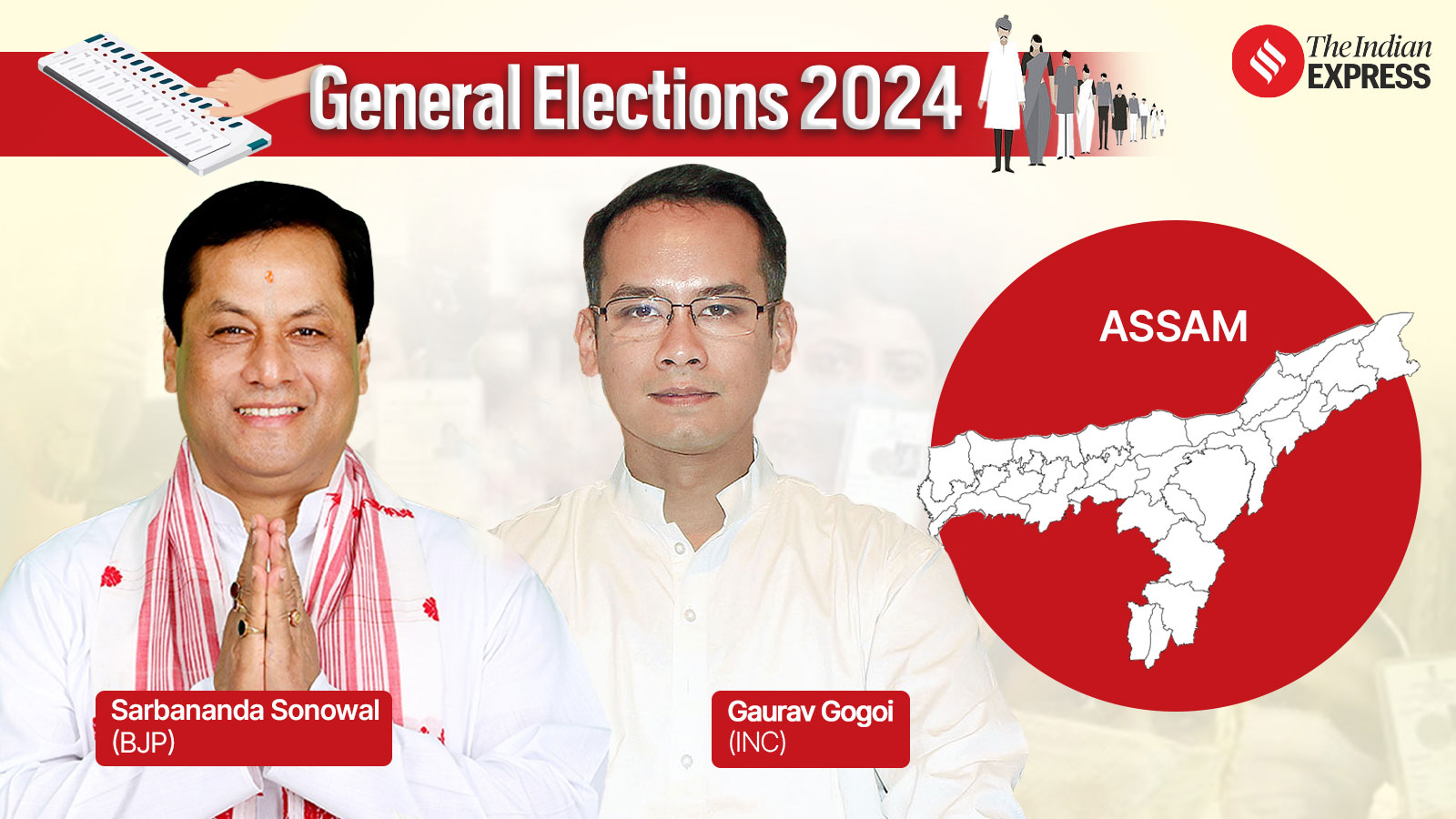
The Assam elections are poised to be a significant event in the Indian political landscape as diverse narratives shape the competition for power. With polling just around the corner, the ruling Bharatiya Janata Party (BJP) appears to have an edge, yet the fragmented regions of Assam present a complex challenge to their dominance. Various Assam opposition parties are striving to harness local sentiments, exploring themes of economic hardship and identity politics, which could sway voters. As discussions around BJP Assam 2026 intensify, political pundits are analyzing the evolving Assam electoral dynamics and predicting how they may play out across regions. With tensions rising and issues such as microfinance debt taking center stage, this election could redefine power relations in Assam for years to come.
As the political climate intensifies in Assam, the upcoming electoral contest is being closely watched by both analysts and citizens alike. The buzz surrounding the elections captures the various struggles and aspirations of Assam’s populace, which differ markedly across its diverse landscapes. Amid rising tensions, the Bharatiya Janata Party’s (BJP) robust strategies are being countered by a coalition of Assam’s opposition forces, each vying for influence and addressing pressing local concerns. This electoral battleground will not only determine the immediate political hierarchy but also shape the long-term narratives influencing Assam’s governance and social fabric. With overarching themes of economic strife and community identity at play, the dynamics of the Assam election are testament to the often tumultuous yet vibrant nature of Indian democracy.
Understanding Assam’s Electoral Landscape
The electoral landscape in Assam is marked by distinct regional differences and the complexities of its political narratives. The fragmented nature of politics in both the Brahmaputra Valley and Barak Valley highlights varying priorities among voters. In Upper and Lower Assam, issues such as economic development and welfare schemes resonate strongly, supported by the ruling BJP’s substantial outreach through its extensive welfare programs. However, these themes do not always translate to dominance in other areas, especially with the influence of local identity politics and emerging opposition narratives.
As the Assam elections approach, understanding these dynamics becomes crucial. The BJP’s strategies, which leverages its organizational machinery and popular welfare initiatives, face significant challenges from opposition parties. With local issues—ranging from unemployment to cultural preservation—taking center stage, the political discourse is evolving. The Congress, alongside other regional parties, is attempting to capitalize on the BJP’s perceived failures, presenting a counter-narrative aimed at rallying discontent among voters frustrated with the current administration’s performance.
BJP Assam 2026: Strength vs. Opposition
The BJP’s campaign for Assam in 2026 is characterized by its formidable ground game, leveraging economic incentives and a narrative focused on development. Chief Minister Himanta Biswa Sarma’s administration has offered significant welfare benefits ahead of the elections, thus solidifying support among beneficiaries. These measures, including direct cash transfers to women and promises of government jobs, are designed to create a loyal voter base that may outweigh criticisms of their governance model, particularly regarding issues like illegal immigration and communal tensions.
However, as internal rifts emerge within the BJP, especially in critical constituencies, the opposition sees a potential opening. Discontent among party ranks, particularly relating to candidate selection, could complicate the BJP’s electoral strategy. This disunity may empower opposition parties to target specific voter bases disillusioned by the ruling party’s internal struggles and top-down decision-making processes. As the election draws nearer, how effectively each party can navigate these issues will significantly determine their overall success.
The Role of Assam Opposition Parties
Assam’s opposition parties, including Congress, Raijor Dal, and others, are striving to present a united front against the BJP’s dominance. Their strategies focus on localizing the electoral battle by addressing specific grievances of various communities, which may resonate more deeply with voters. Issues such as the implementation of the Assam Accord, the status of marginalized communities, and economic disparities are central themes intended to galvanize support ahead of the polls.
Moreover, the unity among these opposition parties, despite differing ideologies and approaches, is crucial for challenging the BJP’s long-standing influence. While they share a common goal of countering BJP narratives, the effectiveness of their collective action will depend on harmonizing their messages and overcoming historical rivalries. The strategic alliance can potentially mitigate voter apathy and harness sentiments of dissent against the current regime, prompting a more competitive electoral environment.
Navigating Assam Political Narratives
The political narratives shaping the Assam elections are increasingly complex, marked by a fierce battle for voter alignment amid shifting loyalties and regional sentiments. The BJP has traditionally relied on communal narratives and development promises, but recent criticisms from various quarters regarding the party’s governance are gaining traction. As opposition parties capitalize on this dissatisfaction, the need for nuanced, region-specific narratives becomes crucial for all political players.
Furthermore, the success of these narratives hinges on their ability to resonate with local populations. For instance, while promises of development may appeal to urban voters in Guwahati, rural constituencies might prioritize socio-economic issues directly affecting them. The challenge lies in effectively communicating these tailored messages while negating the BJP’s strong ideological framework. The forthcoming elections could very well pivot on whose narratives can effectively dismantle entrenched perceptions and provide viable solutions to pressing local concerns.
Analysis of Assam Election Dynamics
Assam’s electoral dynamics remain fluid, with parties engaging in a struggle to define their narratives as they vie for voter support. The BJP’s strategy is predicated on an aggressive campaign that intertwines development promises with a hardline stance on identity politics, which has historically resonated with certain demographics. However, emerging opposition themes focusing on socio-economic inequalities and indigenous rights have the potential to shift the balance, particularly if they effectively mobilize disenchanted voters.
This ebb and flow within Assam’s political landscape suggests that the elections may be determined not only by major party strategies but also by grassroots movements and local issues that resonate with voters. The interplay of identity politics, economic statuses, and party cohesion will be pivotal in shaping voter sentiment as the elections draw near. Thus, understanding these subtle dynamics is essential for predicting the electoral outcomes in a state characterized by its diverse communities and complex political fabric.
Impact of Regional Issues on Elections
The upcoming Assam elections reflect a tapestry of regional issues that significantly influence voter behavior across various constituencies. Local factors such as land rights, cultural identity, economic self-sufficiency, and the implementation of policies like the Assam Accord are taking precedence over broader national narratives. This creates a unique electoral landscape where regional parties may play a decisive role in mobilizing support based on localized concerns rather than solely aligning with national political agendas.
For instance, in regions like the Barak Valley and the Sixth Schedule areas, the electorate’s priorities differ starkly from those in the Brahmaputra Valley, necessitating a tailored approach from all political parties contesting the elections. As the BJP attempts to establish its narrative and maintain its influence, the opposition’s ability to address these regional issues and resonate with voters will be crucial in mounting a competitive challenge. This local focus could influence turnout rates and party allegiance, ultimately shaping the electoral outcome.
Addressing Voter Concerns in Assam
A pivotal aspect of the Assam elections revolves around addressing the multiple voter concerns that have emerged over recent years. Broad segments of the population, particularly in rural areas, are grappling with economic struggles exacerbated by the pandemic. The opposition’s strategy emphasizes the need for comprehensive plans that not only address immediate concerns but also propose sustainable economic models for long-term growth. Delivering on these promises could galvanize support among those who feel neglected by current political narratives.
Furthermore, the central issues of identity, migration, and community representation have become increasingly pronounced. Voters are looking for assurance that their cultural heritage and rights will be recognized and protected within a rapidly changing socio-political landscape. By prioritizing these voter concerns and articulating clear policies, opposition parties can effectively challenge the BJP’s dominance, leveraging voter sentiment toward fostering a political shift in Assam during this critical electoral period.
The Significance of Local Leadership in Assam
Local leadership remains a significant factor in influencing voter perceptions during Assam’s elections. Politicians with strong roots in their communities who resonate with local sentiments are often better positioned to sway public opinion. This year, the emergence of new faces and independent candidates signifies a potential shift as voters increasingly seek representatives who prioritize local issues over party affiliations. The growing emphasis on grassroots leadership can either bolster or undermine the influence of larger political parties like the BJP, depending on how effectively they engage with constituents.
Moreover, the effectiveness of local leaders in articulating the priorities of their communities may disrupt the political landscape dominated by established parties. As elections loom and alliances shift, candidates who can authentically connect their campaigns to the aspirations of Assamese voters might emerge victorious. Their ability to reflect local narratives while addressing broader political challenges will be crucial in determining electoral success in Assam’s complex and multifaceted political climate.
Voter Engagement Strategies Ahead of Assam Elections
As the Assam elections approach, effective voter engagement strategies have become paramount for all political parties. The ability to connect with voters through grassroots campaigns, social media outreach, and community events will be pivotal in mobilizing support. In a landscape where narratives frequently shift, parties must remain agile, responding to voter concerns and adapting their strategies to resonate with the electorate’s evolving priorities.
Events like public rallies, door-to-door canvassing, and participatory forums can enhance transparency and trust between political candidates and the communities they serve. Moreover, focusing on regional narratives and local issues during these engagements can empower voters and encourage them to actively participate in the electoral process. By fostering a culture of inclusivity and encouraging voter turnout, parties can significantly influence the outcome of the Assam elections, emphasizing the importance of a well-rounded and strategic approach to engagement.
Frequently Asked Questions
What are the key issues influencing the BJP in the Assam elections 2026?
In the Assam elections of 2026, the BJP’s key issues include its welfare narrative, with substantial economic incentives like cash transfers to women and promises of new government jobs. However, it also faces challenges from widespread defections and mounting anti-incumbency sentiments. The party’s hardline stance on illegal infiltration and communal narratives remain central to its campaign strategy.
How are Assam opposition parties preparing for the 2026 elections against the BJP?
Assam opposition parties are uniting under the Asom Sonmilito Morcha, focusing on issues like microfinance debt, Scheduled Caste status for six communities, and the implementation of the Assam Accord. They are leveraging the growing discontent against the BJP’s incumbency by emphasizing citizen rights and welfare access, being seen as an instrumental part of their electoral strategy for 2026.
What role do local dynamics play in the Assam elections 2026?
Local dynamics significantly influence the Assam elections 2026, as different regions like the Brahmaputra Valley and Barak Valley have distinct political priorities. While the BJP’s narratives on infrastructure resonate in the Brahmaputra Valley, the opposition is capitalizing on local issues such as NRC exclusions in Barak Valley. This complexity adds further depth to the electoral analysis of Assam’s political landscape.
How do the Assam political narratives differ between various regions?
The Assam political narratives exhibit stark differences across regions. In the Brahmaputra Valley, communal themes and infrastructure development are central to the BJP, while the Barak Valley focuses on issues like employment and NRC. The Sixth Schedule areas emphasize indigenous rights and concerns over demographic changes, showcasing the diverse electoral dynamics that shape each region’s political discourse.
What impact is anti-incumbency having on the BJP in Assam elections 2026?
Anti-incumbency is playing a crucial role in the Assam elections 2026, as dissatisfaction with the BJP’s governance is contributing to a potential shift in voter sentiment. With ongoing defections from the BJP and rising criticism regarding the implementation of welfare promises, this growing discontent is poised to impact the BJP’s electoral prospects.
How is the opposition framing its counter-narrative against the BJP in Assam?
The opposition in Assam is framing its counter-narrative by highlighting issues like corruption, social justice, and economic insecurity. They argue that welfare access should be a right and not a privilege tied to political loyalty, thereby aiming to create a compelling vision for a ‘New, Greater Assam’ that resonates with citizens disillusioned by the BJP’s governance.
What strategies are Assam opposition parties using to unify against the BJP?
Assam opposition parties are employing strategies of coalition-building, late alliance formation, and campaigning on common themes such as safeguarding indigenous rights and ensuring equitable access to welfare schemes. Despite internal challenges, they are working to present a united front against the BJP’s dominant narrative ahead of the 2026 elections.
What challenges do Assam’s opposition parties face ahead of the elections?
Opposition parties in Assam face several challenges, including late alliance sealing, leadership friction, and the need to present a cohesive alternative narrative against the well-organized BJP. The competition among opposition leaders and the perception of disunity can undermine their electoral efforts, making it crucial for them to effectively mobilize and connect with voters.
Why is the Assam Accord significant in the 2026 elections?
The Assam Accord is significant in the 2026 elections as it reflects critical promises related to migrants’ rights and local identity. It serves as a focal point for opposition parties, who aim to advocate for its full implementation as a remedy for socio-economic grievances, while criticizing the BJP for its lack of adherence to the Accord’s principles.
How is the BJP’s electoral machine facing internal challenges in Assam?
The BJP’s electoral machine in Assam is grappling with internal challenges, such as defections and candidate selection disputes. Prominent figures within the party are contesting as independents or switching affiliations, creating fragmentation that may weaken the BJP’s electoral strength and provide opportunities for opposition parties to capitalize on local discontent.
| Key Points |
|---|
| Absence of a Dominant Narrative in Assam Elections |
| Opposition believes growing anti-incumbency could help them. |
| BJP’s strength lies in economic incentives and welfare programs. |
| Welfare access debated as a right versus political loyalty reward. |
| Internal rifts within BJP, especially affecting candidate selection. |
| Opposition coalition struggles with leadership perceptions and timing of alliances. |
| Local narratives overshadow broader state-wide issues in various regions. |
| Fragmented electoral contests across Assam may benefit the BJP’s campaign. |
Summary
The Assam elections are shaping up to be a critical battleground for political narratives. With just a week left before polling, the distinctive regional priorities and the lack of a single unifying message complicate the electoral landscape. While the BJP seems to hold a slight advantage through its focused welfare initiatives, the opposition’s potential for leveraging discontent may turn the tide. Voters are questioning long-standing narratives, such as the BJP’s hardline stance on illegal immigration, making the outcome of the Assam elections open and unpredictable. Ultimately, how parties navigate local dynamics and adapt their strategies will be pivotal in determining the results.