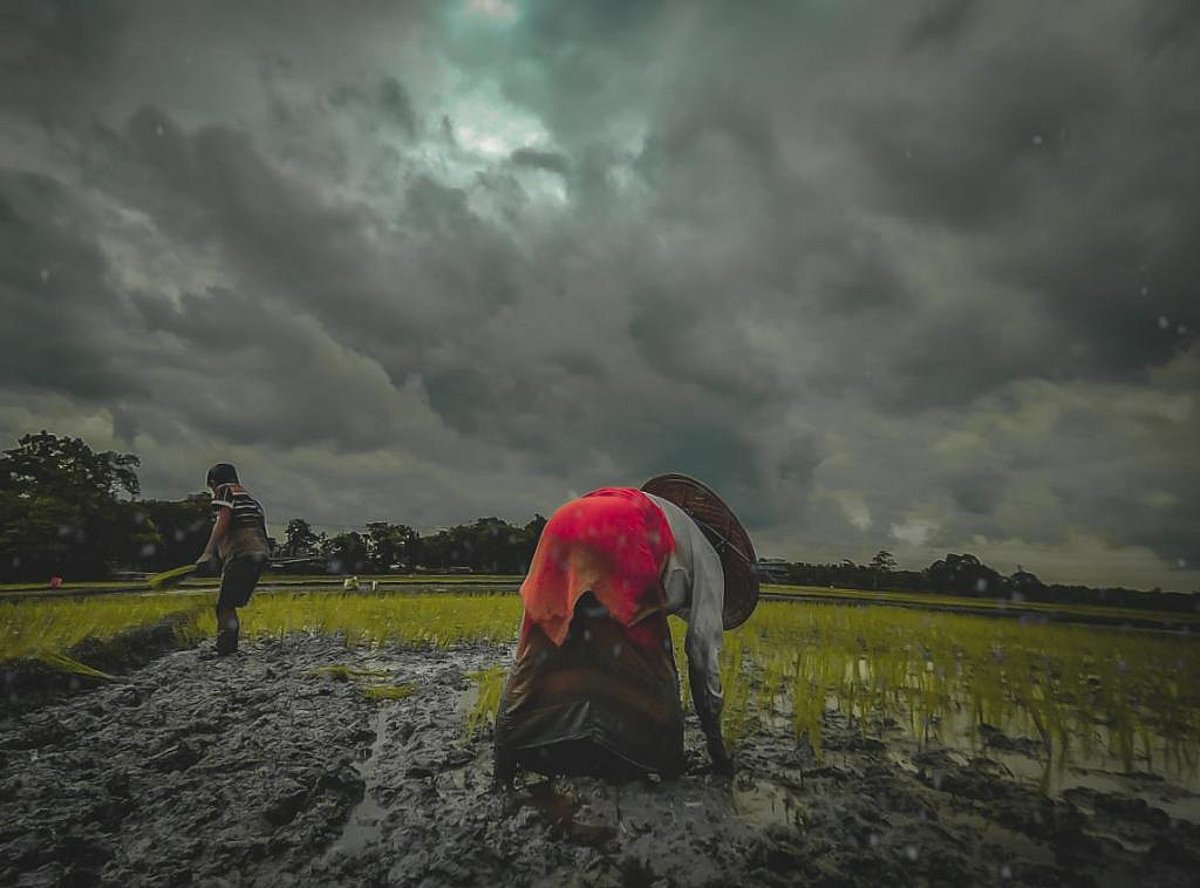
Assam erratic rainfall has dramatically altered agricultural practices in the Barak Valley, challenging local farmers who have depended on consistent monsoonal patterns for generations. Over the past decade, unpredictable precipitation has wreaked havoc on crop patterns in Assam, leading to an alarming decline in yields. As climate change increasingly disrupts agriculture, farmers now face a host of farming challenges in Assam, from flooding to drought, highlighting an urgent need for adaptation. To combat these effects, the introduction of flood-tolerant rice varieties has become vital, as farmers seek to reclaim their livelihoods and ensure food security. The situation emphasizes the necessity for integrated solutions that address both the immediate impacts of erratic rainfall and the broader implications of climate change on agriculture.
The unpredictable weather patterns experienced in Assam, particularly in the Barak Valley, have significant implications for regional farming systems. Variations in rainfall, driven by climate fluctuations, create obstacles for traditional agricultural practices, leaving farmers grappling with crop losses and altered cultivation schedules. This climate-induced uncertainty urgently raises the need for resilient farming techniques and the adoption of innovative crop varieties better suited to cope with these changes. As agricultural scientists study these shifting patterns, the focus on flood-resilient options offers hope for adapting to the new realities of farming in Assam. Acknowledging these environmental shifts is crucial for securing a sustainable future for farming communities in the region.
Impact of Erratic Rainfall on Barak Valley Farming
Erratic rainfall in the Barak Valley has significantly disrupted traditional farming practices, leading to increased crop losses and altered farming schedules. Farmers in Cachar, Hailakandi, and Sribhumi districts have reported that heavy rains arrive unexpectedly, often before crucial periods like the transplantation of paddy. This unpredictability has rendered agricultural calendars ineffective, as farmers are now faced with timing that no longer aligns with historical patterns. The consequences are dire: crops that needed careful nurturing are often washed away or stunted due to inappropriate water levels, challenging the very foundation of Barak Valley farming.
Additionally, the increased frequency of intense rainfall events has raised concerns about soil erosion and nutrient loss. With approximately 29% of Assam’s land prone to flooding, farmers encounter significant challenges in maintaining soil health amid these disruptions. The rapid accumulation of water can suffocate soils and wash away topsoil, which is vital for sustaining adequate crop production. As a result, many farmers are now struggling to cultivate traditional rice varieties, realizing they must adapt to the changing climatic conditions by opting for alternatives like flood-tolerant rice species.
Adaptation Strategies for Climate Change in Agriculture
In response to the challenges posed by climate change, agricultural scientists and institutions have begun promoting the use of flood-tolerant rice varieties in Barak Valley. Varieties such as Bahadur Sub 1 and Disang are being advocated as viable alternatives for farmers who are increasingly facing unpredictable rainfall and flooding. These short-duration crops not only promise higher resilience against waterlogging but also allow for a more flexible growing season, which could mitigate the negative impacts of climate variability. However, awareness and access to these new varieties remain pressing issues for rural farmers.
Moreover, effective communication and education about these innovations are crucial for successful adoption. Initiatives through Krishi Vigyan Kendras (KVKs) aim to bridge the gap between academic resources and on-ground agricultural practices. Despite the efforts, many farmers report facing obstacles such as high seed costs and limited access to training sessions. Consequently, integrating local knowledge with scientific research, while ensuring timely access to new agricultural practices, becomes imperative for sustaining Barak Valley’s farming, which is increasingly under threat due to erratic rainfall patterns.
Economic Consequences of Climate-Induced Challenges
The economic ramifications of erratic rainfall in Barak Valley extend far beyond immediate crop losses. As farming becomes unsustainable for many, farmers are forced to rethink their livelihoods, resulting in a significant demographic shift away from agriculture. With rising uncertainties, younger generations are increasingly reluctant to continue the family tradition of farming. The impacts are dire; many households report struggling to maintain basic needs as crop yields dwindle. Farmers like Madhusudan Goala, who once relied on bountiful harvests to sustain their families, now grapple with food security as their livelihoods diminish.
Furthermore, the increasing prevalence of crop insurance in Assam highlights the economic vulnerabilities facing farmers. While insurance schemes show a promising rise in enrollment, many farmers still lack clarity and confidence in the benefits offered. Confusion surrounding documentation and benefits leaves farmers like Ram Sinhsan Goala feeling disenfranchised in what should be a protective measure. Until systemic improvements in these coverage programs are made, economic stability for Barak Valley farmers will likely remain elusive amidst ongoing climatic challenges.
Loss of Traditional Agricultural Knowledge
As erratic rainfall continues to impact farming systems in Barak Valley, the loss of traditional agricultural knowledge poses a significant threat to future resilience. Farmers who have relied on ancestral wisdom regarding crop cycles and local climate patterns find their experiences increasingly irrelevant as unpredictable weather patterns disrupt established practices. The generational knowledge transmission that once flourished in rural communities is at risk, as younger farmers, deterred by the challenges presented, seek employment outside of agriculture altogether.
This disconnection from traditional practices not only affects farming outcomes but also threatens the cultural heritage of the region. In many communities, farming is not just a livelihood; it’s a way of life interwoven with identity and social structure. As families shift away from agriculture, the potential loss of rich agricultural traditions, including traditional planting techniques and crop management practiced over generations, may lead to a significant decline in biodiversity. This erosion of knowledge jeopardizes the long-term sustainability of farming in the Barak Valley, emphasizing the need for integrated programs that highlight the importance of heritage alongside modern agricultural practices.
Flood-Tolerant Rice Varieties: A Path to Resilience
Flood-tolerant rice varieties, such as Disang and Bahadur Sub 1, illustrate a proactive response to the challenges posed by erratic rainfall in Assam’s Barak Valley. These innovations have been designed to withstand flooding conditions, ensuring that even during unexpected rain events, farmers can still secure an adequate yield. Such varieties can survive submergence for extended periods, fundamentally altering how farmers strategize their planting and harvest schedules. With climate change fundamentally altering traditional farming behaviors, these resilient varieties represent a hopeful avenue for farmers in the region.
Despite the promise of these flood-tolerant varieties, challenges remain in terms of farmer adoption. Initial costs and uncertainty about the potential yields can hinder widespread implementation. In the face of information gaps and access limitations, many farmers are hesitant to move away from conventional crops they have long trusted. Educational programs that emphasize the benefits of adopting such climate-resilient varieties, paired with community-based initiatives, could help bridge this gap and facilitate deeper integration of sustainable practices into the local agricultural framework.
Water Management Strategies in Agriculture
Effective water management has emerged as a critical factor in adapting to the challenges posed by erratic rainfall in Assam’s Barak Valley. Given the region’s tendency for both flooding and drought, implementing integrated water management systems is essential to safeguard crops. Simple practices, such as constructing levees or establishing proper drainage systems, can significantly mitigate the impacts of excessive rainfall, while also collecting and managing water during drier spells. Utilizing rainwater harvesting techniques could provide farmers with alternative water sources, thereby reducing reliance on rainfall alone.
Moreover, engaging farming communities in collaborative water management planning is vital for sustainable agriculture in the region. Farmers hold invaluable insights into local hydrology and ecosystem dynamics, and their participation in developing solutions can greatly enhance system resilience. Through workshops and demonstration projects, agricultural extension services can promote innovative water management practices, ensuring that Barak Valley farmers are not only reactive but also proactive in the face of changing climatic conditions.
The Role of Technology in Farming Adaptation
As Barak Valley farmers confront the challenges of erratic rainfall and shifting climate patterns, integrating technology into agriculture presents a promising adaptation strategy. The use of digital platforms for weather forecasting, soil moisture monitoring, and pest management can empower farmers to make informed decisions about their activities. These technological advancements could provide timely data that would help farmers adapt their practices to the realities of an unstable climate, ultimately promoting more efficient and sustainable farming approaches.
Additionally, the potential of precision agriculture tools, including drones and remote sensing, can assist farmers in managing resources more effectively. By utilizing data-driven insights, farmers could optimize irrigation practices, reduce input costs, and minimize environmental impacts. However, given the digital divide that often exists in rural areas, ensuring that all farmers can access and benefit from these technologies is crucial. Encouraging partnerships between institutions, tech companies, and local communities could foster an ecosystem where technological innovations become readily available to all, enhancing adaptive capacities across Barak Valley.
Community Engagement in Agricultural Resilience
Building a resilient agricultural community in Barak Valley hinges on engaging farmers in a collective response to the challenges posed by climate change. Support networks that facilitate knowledge exchange, resource sharing, and peer mentoring can empower local farmers to adapt to erratic rainfall conditions effectively. By fostering a sense of community and solidarity, farmers may gain confidence to experiment with new farming techniques, share successes, and address failures together, reinforcing their resilience amid adversity.
Additionally, local agricultural cooperatives could play a pivotal role in organizing collective buying of seeds, sharing machinery, and enhancing market access following harvests. This cooperative model fosters collaboration, allowing farmers to tackle common challenges such as erratic rainfall, pest management, and changing market demands together. By leveraging the power of community engagement, Barak Valley farmers can navigate the complexities of modern agriculture, enhancing both their economic stability and commitment to sustainable farming practices.
Future Prospects for Agriculture in Assam
Looking ahead, the future of agriculture in Assam’s Barak Valley will be predominantly shaped by how farmers adapt to the increasing unpredictability brought on by climate change. Emphasizing the importance of resilience, agriculture must evolve to prioritize sustainability, ecological health, and economic viability. Innovations in crop varieties, water management, and the integration of technology will play crucial roles in this transformation, but their success relies heavily on collaborative efforts involving farmers, researchers, and policymakers.
Moreover, ongoing education and awareness campaigns will be vital in ensuring that farmers are informed about the latest agricultural practices and technologies available to them. As younger generations show waning interest in agriculture due to challenges presented by climate change, nurturing new champions of sustainable farming through education and support will be essential to preserving the agricultural heritage of Barak Valley. The pathway forward will require a concerted effort from all stakeholders to create an adaptive, resilient farming community equipped to face the uncertainties of the future.
Frequently Asked Questions
How is erratic rainfall affecting Barak Valley farming in Assam?
Erratic rainfall in Assam’s Barak Valley significantly disrupts agricultural practices, particularly paddy cultivation. Farmers face challenges like washed away nursery beds and prolonged waterlogging, which hinder crop growth at critical stages. This instability in rainfall patterns complicates the timing of agricultural activities and often leads to reduced yields, prompting farmers to seek flood-tolerant rice varieties to mitigate risks.
| Key Points |
|---|
| Assam’s Barak Valley faces increasingly erratic rainfall, affecting farming negatively for over a decade. |
| Geographical factors contribute significantly to agricultural challenges, as 29% of Assam is flood-prone. |
| Diverse impacts on crops due to unpredictable climate patterns, resulting in lower yields and unreliable harvests. |
| Farmers are adopting flood-tolerant rice varieties, but challenges like seed costs and access persist. |
| Insurance coverage for farmers has increased significantly, yet participation in certain seasons remains low. |
| Climate change and erratic weather threaten the future of traditional farming, pushing the next generation away from agriculture. |
Summary
Assam erratic rainfall has profoundly impacted the agricultural landscape in Barak Valley. The farmers here have witnessed a dramatic shift in weather patterns over the last decade, leading to severe disruptions in their cultivation processes. Prolonged periods of both drought and flooding have rendered once fertile lands nearly unusable, endangering food security for local communities. With a reliance on the monsoon for their crops, the unpredictability of rainfall means that farmers like Madhusudan Goala are struggling to maintain their livelihoods. As the climate continues to change, fostering resilience through flood-tolerant crop varieties and insurance schemes offers a glimpse of hope, but the path remains fraught with challenges as the next generation seeks stability in other livelihoods.