

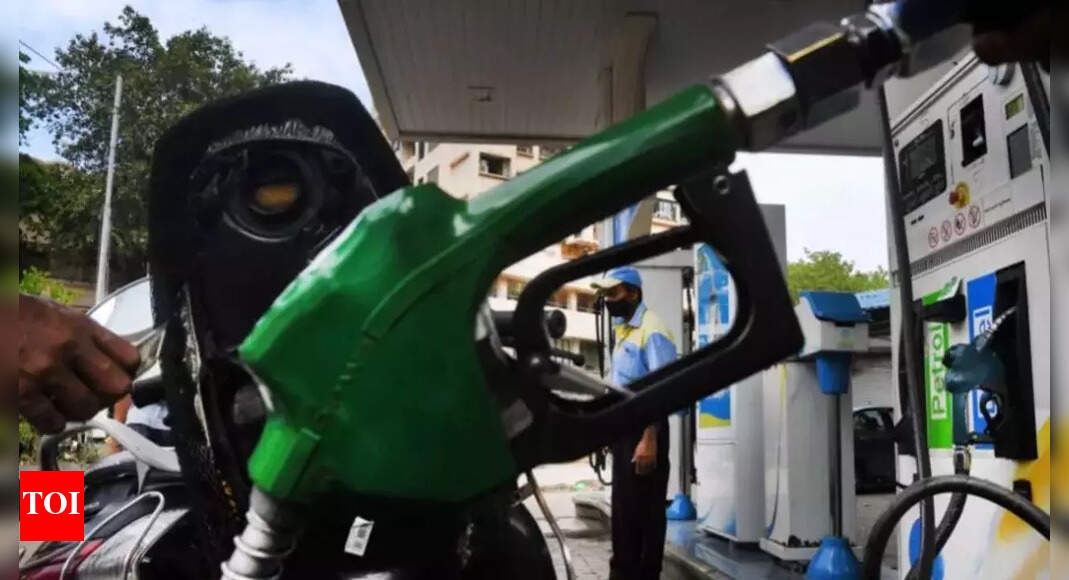
Combating misinformation is crucial in today’s digital age, especially when it comes to the stability of essential services like fuel supply. The recent surge in misinformation about petrol, diesel, and LPG availability has raised public anxiety, leading to hoarding and black marketing practices that exacerbate the situation. To address this, the government has mandated state authorities to implement effective measures that not only clarify the facts surrounding fuel distribution but also dismantle the networks of misinformation. Strategies are being put in place to ensure transparency in LPG distribution measures, thereby reassuring the public of an adequate supply. By focusing on accurate communication, we can work together to mitigate issues related to misinformation in fuel supply and foster a more informed community.
Addressing the spread of false information surrounding fuel resources is imperative for citizens’ peace of mind, particularly concerning liquid petroleum gas (LPG) and its distribution. The emergence of misleading narratives about petrol and diesel availability has resulted in frantic consumer behavior, including hoarding and illegal sales. In response to these challenges, government authorities are rolling out specialized initiatives aimed at clarifying the truths regarding fuel supply management. By enhancing public communication efforts, officials aim to combat the negative impact of misinformation and restore trust in the systems designed to ensure fuel accessibility. A proactive approach is essential to dismantle these myths and reinforce a well-informed public resistant to panic and manipulation.
Combating Misinformation in Fuel Supply
In recent times, misinformation regarding the availability of petrol, diesel, and LPG has risen significantly. This surge in false information can lead to unnecessary panic among citizens, resulting in hoarding and even black marketing of fuel. The government’s initiative to dispel these myths is crucial not only for maintaining public trust but also for ensuring that consumers have access to reliable information. Addressing concerns head-on and providing transparent communication about fuel supply levels is essential in mitigating the spread of misinformation.
To effectively combat misinformation regarding fuel supply, the government has rolled out various measures aimed at enhancing public knowledge and awareness. By clarifying the accuracy of available information about LPG distribution and petrol-diesel availability, state officials can help reassure the public that fuel supplies are adequate. Regular updates through media and community outreach programs can empower citizens with factual knowledge, ultimately diminishing the influence of false narratives that lead to panic buying and hoarding.
Government Measures Against Black Marketing and Hoarding
The government has taken proactive steps to address the issues of black marketing LPG and petrol-diesel hoarding by implementing stringent regulations across all states. By enforcing stricter regulations on the distribution of LPG cylinders and monitoring distribution measures closely, authorities aim to crack down on illegal fuel trades that exploit consumers. This approach not only protects consumers from inflated prices but also ensures that essential fuel supplies remain accessible to all households, especially during peak demand seasons.
In addition to regulatory measures, the government is committed to enhancing transparency in fuel supply chains. Regular monitoring and reporting on the availability of fuels are crucial in preventing black marketing activities. By publishing accurate data on fuel stocks and distribution logistics, officials can help deter potential hoarders and black marketers, reinforcing the idea that there is no need for consumers to resort to illegal practices. These government measures strive to create a stable and fair fuel distribution network that is beneficial for all citizens.
The Importance of Effective Communication in Fuel Availability
Effective communication is essential in maintaining public confidence during times of uncertainty regarding fuel availability. In response to the rising concerns, the government emphasizes the need for regular updates about the status of petrol, diesel, and LPG supplies. By utilizing multimedia platforms and local community engagement, citizens can receive timely information that can prevent misinformation from spreading. Such proactive communication strategies foster an informed populace, which is less likely to fall prey to panic buying or hoarding practices.
Moreover, engaging community leaders and influencers to relay credible information about fuel supply can be beneficial. Trustworthy voices within communities can help validate the government’s messaging, leading to a more resilient public response against hoarding behaviors. These efforts to promote transparency and effective communication serve as a framework to protect citizens’ interests and stabilize fuel markets, creating a collective approach to manage fuel supply concerns.
Ensuring Transparency in LPG Distribution Measures
Transparency in LPG distribution measures is vital in ensuring that consumers have access to essential services without fear of exploitation. The government has recognized the significant role of clear guidelines and open communication in coordinating fuel deliveries effectively. As part of ongoing efforts, state agencies are encouraged to share distribution data and logistical plans with the public to foster understanding and trust among citizens. Such transparency endeavors can demystify the distribution process, helping individuals feel reassured about the availability of LPG.
Implementing a transparent approach also includes allowing public oversight of LPG distribution channels. By involving citizens in monitoring and reporting any discrepancies, the government can deter black marketing and hoarding behaviors. This cooperative strategy not only empowers the community but also reinforces a shared responsibility in ensuring fuel accessibility. Educating the public about their role in overseeing distribution can minimize misinformation and cultivate a culture of accountability among fuel suppliers.
Strategies for Sustainable Fuel Management
Adopting sustainable fuel management practices is essential for long-term solutions to fuel supply challenges. The government is focusing on creating frameworks that allow for more efficient use of energy resources, including renewables and cleaner alternatives to traditional fuels. By investing in sustainable fuel technologies and encouraging eco-friendly practices, authorities aim to decrease reliance on fossil fuels, thus bringing stability to the fuel supply landscape. These sustainable initiatives not only address current supply concerns but also pave the way for a more resilient energy future.
Moreover, collaboration with private sector stakeholders can enhance sustainable fuel strategies. By fostering partnerships with energy companies, the government can leverage innovation and expertise to improve fuel distribution efficiency while adhering to environmental standards. Together, these efforts can create a more robust fuel sector capable of meeting the demands without resorting to unsustainable practices. Emphasizing sustainability serves not only environmental interests but also consumer needs, contributing to a balanced approach to fuel management.
Addressing consumer concerns about fuel shortages
Understanding and addressing consumer concerns is crucial in times of perceived fuel shortages. The government is actively taking steps to provide clarity and reassurance to the public regarding petrol, diesel, and LPG availability. By organizing community outreach initiatives and hosting informational sessions, citizens can voice their concerns and receive real-time information from government officials. This two-way communication strengthens trust between the government and the public, ensuring that misinformation does not lead to unnecessary panic.
Furthermore, generating awareness about the actual fuel stock levels and distribution capabilities can significantly reduce anxiety among consumers. Regular briefing reports published by state authorities will help maintain an accurate narrative and counter misinformation effectively. Educational campaigns that inform citizens about how fuel distribution works and the safety stocks maintained by the government can empower them, reinforcing rational decision-making during uncertain times. This proactive approach is essential in curbing fuel hoarding practices.
The Role of Law Enforcement in Fuel Regulation
Law enforcement plays a pivotal role in ensuring the integrity of the fuel supply chain. With the increase in black marketing LPG and hoarding of petrol and diesel, authorities are ramping up efforts to regulate and monitor these activities. Enhanced patrols and checks in areas known for fuel distribution can discourage illegal practices and ensure fair access to fuels. The collaboration between law enforcement and local businesses makes it easier to identify and address any suspicious activities related to fuel hoarding.
In conjunction with regulatory measures, the government is also encouraging public reporting of suspected black market activities. Hotlines and online platforms allow citizens to report illegal practices anonymously, promoting community involvement in upholding the law. When effective law enforcement measures are in place, they not only prevent exploitation but also build consumer confidence in the system. This partnership reinforces a safe and responsible fuel market, reinforcing the notion that appropriate actions are taken to combat any irregularities.
Public Awareness Campaigns on Fuel Supply Stability
Public awareness campaigns are a critical component in managing perceptions about fuel supply stability. The government’s ongoing initiatives aim to educate the public about the realities of petrol, diesel, and LPG availability. Utilizing various communication channels, these campaigns provide factual information about supply levels and reassure citizens that fuel remains accessible. Through targeted outreach, authorities can combat misinformation that may cause unnecessary panic or distress among consumers.
These campaigns not only emphasize the adequacy of fuel supplies but also address public fears about potential shortages or price hikes. By disseminating clear and consistent messages regarding fuel distribution, the government can help maintain a sense of calm and stability in fuel markets. Creating informative content that resonates with diverse audiences ensures that the message reaches every segment of society, fostering a community of informed individuals less susceptible to the allure of misleading information.
Future Directions in Fuel Supply Management
Looking ahead, it is essential for the government to strategize the future direction of fuel supply management. This involves anticipating challenges related to fuel availability and developing proactive solutions that not only address current needs but also prepare for impending supply chain disruptions. Ongoing analysis of market trends and consumer behaviors will help inform policy adjustments and ensure that the fuel supply remains robust and resilient.
Moreover, embracing technological advancements in fuel tracking and distribution systems can significantly enhance management efficiency. Investments in data analytics and smart infrastructure offer new avenues for optimizing fuel logistics, ensuring that fuel reaches consumers without delay. By focusing on innovation, the government can build a supply management system that is adaptable to changing demands, ultimately leading to an improved experience for the public while effectively combatting misinformation about fuel availability.
Frequently Asked Questions
What government measures are in place to combat misinformation in fuel supply?
The government has implemented several measures to combat misinformation regarding fuel supply. This includes instructing all states to regularly disseminate accurate information about the availability of petrol, diesel, and LPG cylinders. These efforts aim to reassure citizens and prevent issues like black marketing and hoarding, particularly of LPG. By actively communicating with the public, authorities seek to foster trust and transparency in the fuel distribution system.
| Key Point | Details |
|---|---|
| Government Instructions | Require all states to take action against misinformation. |
| Focus Areas | Availability of fuel (petrol, diesel) and prevention of black marketing of LPG. |
| Communication Strategy | State secretaries instructed to regularly inform citizens about the availability of LPG. |
| Official Letter | Sent by petroleum secretary Neeraj Mittal to chief secretaries of states and Union territories. |
Summary
Combating misinformation is crucial in today’s digitally driven world, especially regarding essential resources like fuel, which can significantly affect public peace and order. The Indian government’s directive to state authorities underscores its commitment to preventing the spread of false information about petrol, diesel, and LPG availability. By proactively tackling misinformation and ensuring clear communication, officials aim to maintain public trust and prevent panic that could arise from uncertainty. Regular updates about fuel resources help reassure citizens, fostering a transparent and supportive environment amidst challenges, and instilling confidence in the systems designed to serve them.



























