

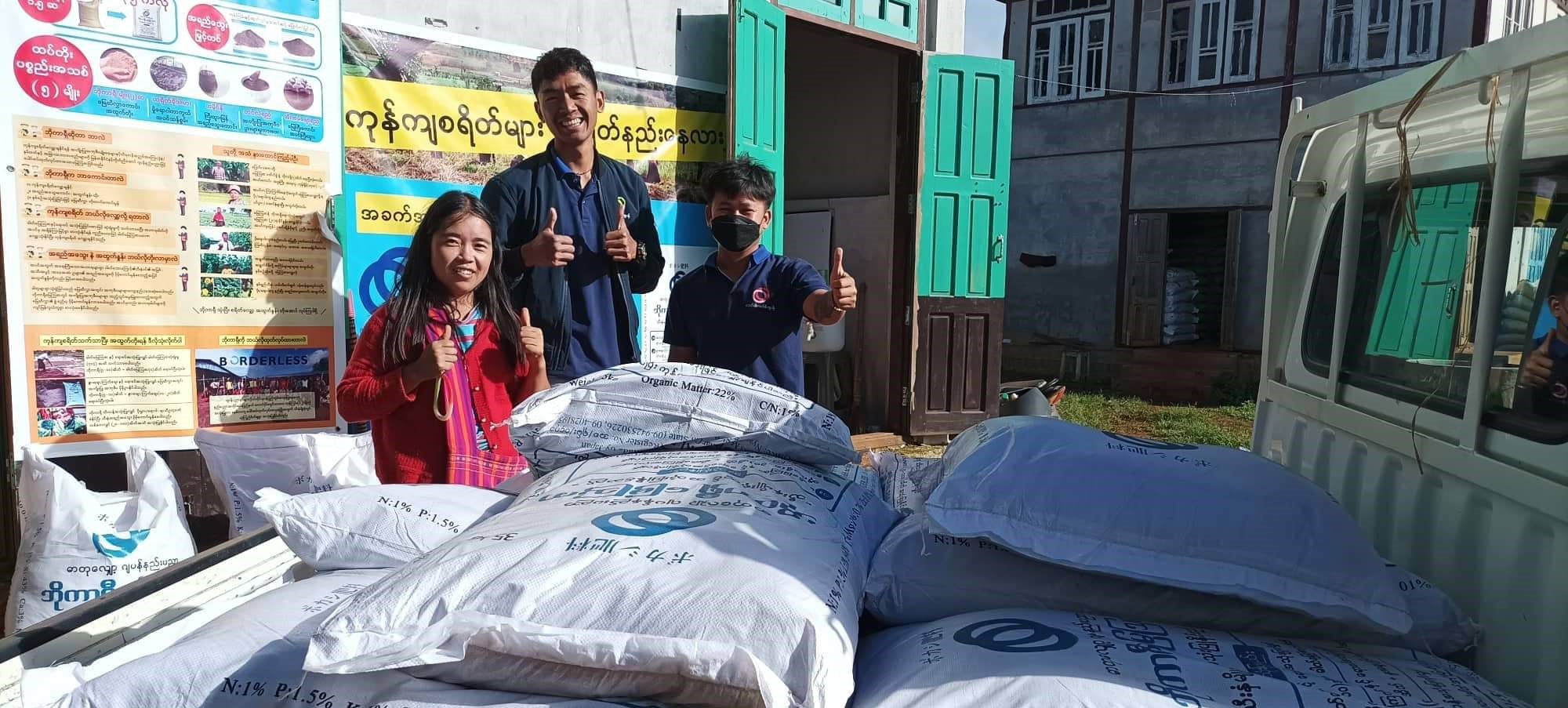
Illegal fertilizer exports from Mizoram have become a pressing issue, drawing attention due to the alarming scale of activity. Recent reports indicate that heavily subsidized urea intended for local farmers is being diverted to Myanmar, creating significant concerns in the agricultural community. In Sihphir village near Aizawl, the ramifications of this clandestine trade are evident, with skyrocketing prices leaving local farmers in distress. This situation has exacerbated existing challenges in Mizoram agriculture, where access to affordable fertilizer is critical for productivity. With ongoing discussions in Mizoram agriculture news, issues surrounding fertilizer smuggling from Myanmar raise questions about regulatory oversight and enforcement in the region.
The illicit trade of fertilizers, particularly in the context of Mizoram’s agricultural sector, presents a multifaceted challenge. Known for its verdant landscapes, Mizoram faces growing farming issues, not least of which includes the unauthorized export of subsidized fertilizers across the border. The selling of essential urea fertilizers at inflated prices further highlights the severity of the situation in local markets such as Sihphir. As stakeholders in agriculture grapple with the fallout of these illegal activities, the need for stringent measures against fertilizer smuggling from Myanmar has never been more urgent. Understanding the dynamics of this problem is crucial for protecting the livelihoods of farmers and sustaining agricultural productivity in the region.
The Impact of Illegal Fertilizer Exports on Mizoram’s Agriculture
Illegal fertilizer exports from Mizoram to Myanmar have raised significant concerns within the agricultural community. Reports indicate that highly subsidized urea, which is meant to support local farmers, is instead being funneled into the international market. This has created an imbalance, leading to inadequate supplies for local farmers. As a result, farmers in Mizoram face challenges in accessing affordable fertilizers, which are crucial for boosting crop yields.
In addition, the steep prices for fertilizer in areas like Sihphir village near Aizawl exacerbate the situation. The local farming community relies heavily on affordable urea to maintain productivity, and when these fertilizers are sold at exorbitant rates due to smuggling activities, it significantly impacts farming operations. This issue highlights the urgent need for increased regulatory measures to prevent such illegal trades and ensure that farmers have access to necessary agricultural inputs.
Understanding Urea Prices in Sihphir and Their Effects on Local Farmers
The pricing of urea in Sihphir village is drastically different from anticipated costs due to subsidization policies. Farmers who typically benefit from these subsidies are now being forced to pay far more than expected. This situation has arisen partly because of the illegal fertilizer exports happening across the border to Myanmar. As a result, farmers are faced with financial strain and are unable to purchase the necessary amounts of fertilizer to sustain their crops.
Economic pressures caused by inflated urea prices can lead to decreased agricultural productivity, making it difficult for farmers to compete in the marketplace. The increased cost of fertilizers not only impacts crop yield but also raises concerns about food security in Mizoram. Addressing these price disparities will require coordinated efforts between local authorities and agricultural agencies to ensure farmers can access affordable fertilizers without falling victim to illegal export activities.
Fertilizer Smuggling from Myanmar: A Growing Concern for Mizoram
Fertilizer smuggling from Myanmar into Mizoram has escalated in recent years, posing serious challenges for local agriculture. Illegal shipments have become commonplace, affecting the availability of agricultural inputs for the farmers who depend on subsidized goods. This cross-border trading undermines the local economy, as it diverts resources meant for Mizoram’s farmers to markets in Myanmar where prices can be significantly higher.
The rise in fertilizer smuggling underscores a broader issue within the region’s agricultural sector, particularly concerning the enforcement of regulations and border controls. As long as these illegal activities continue unchecked, the struggles faced by Mizoram’s farming community will persist. It is crucial for the state government to implement stricter measures and promote awareness of the consequences of engaging in or supporting such illegal activities.
Challenges in Mizoram Farming Issues Amidst High Urea Prices
The agricultural sector in Mizoram faces mounting challenges that are exacerbated by rising urea prices attributed to illegal exports. Farmers are reporting difficulties in accessing the fertilizers that are essential for maintaining their crops. As prices skyrocket, many are forced to either reduce their planting areas or, in some cases, abandon their agricultural practices altogether, which threatens their livelihood.
Additionally, the farming community’s reliance on affordable fertilizers is critical for achieving food self-sufficiency in Mizoram. When subsidies are undermined by illegal exports, local farmers are at a disadvantage, facing increased financial burdens while attempting to produce food for their families and communities. Addressing these farming issues with effective policies will be vital to restoring stability in the agricultural sector.
The Role of Subsidized Fertilizer in Supporting Mizoram’s Agriculture
Subsidized fertilizers have traditionally played a vital role in supporting agriculture in Mizoram. These subsidies are essential for keeping urea prices manageable for local farmers, enabling them to produce crops without incurring unsustainable costs. However, the recent trend of illegal fertilizer exports to Myanmar threatens this system, leading to unsustainable prices and limited access for local farmers.
The government must revisit its subsidy strategies and enforce regulations to protect these critical resources. Ensuring that subsidies reach intended recipients will not only stabilize urea prices but also help boost the overall productivity of Mizoram’s agriculture. By reinforcing such measures, the state can safeguard against further exploitation and ensure sustainable farming practices.
Strategies to Combat Illegal Fertilizer Exports in Mizoram
To effectively combat illegal fertilizer exports from Mizoram to Myanmar, a multi-faceted approach is necessary. This includes stringent enforcement of border controls, improved surveillance, and creating awareness about the negative effects of engaging in this trade. Local authorities must collaborate with agricultural organizations to educate farmers on the importance of keeping the fertilizer supply within state borders and avoiding dealings with illegal exporters.
In parallel, the state can introduce incentivized programs for farmers who report illegal activities or participate in local agricultural cooperatives. By fostering a community-centered approach, Mizoram can establish a stronger resistance against the allure of quick profits from smuggling while ensuring that farmers remain supported by affordable, accessible fertilizers.
The Future of Agricultural Policy in Mizoram: Focusing on Sustainable Practices
Moving forward, Mizoram must prioritize sustainable agricultural practices that account for both environmental health and economic viability. Policymakers need to create frameworks that not only address the issues of illegal fertilizer exports but also promote the use of organic fertilizers and other sustainable farming techniques. This shift can help reduce dependence on imported or subsidized fertilizers while enhancing local crop resilience.
Sustainable practices could also open up new markets for Mizoram’s agricultural products, positioning the state as a champion of eco-friendly farming in the region. By leveraging its unique agricultural resources and promoting green practices, Mizoram can protect its farming community and ensure that both economic stability and environmental stewardship go hand in hand.
Increasing Awareness on the Importance of Fertilizers for Farmers in Mizoram
Awareness campaigns focusing on the importance of fertilizers for agricultural success are essential for Mizoram’s farming community. Education initiatives can inform local farmers about the proper usage and benefits of subsidized urea and other fertilizers. Enhancing this understanding is crucial to ensure that farmers maximize productivity while adhering to legal frameworks.
Furthermore, by raising awareness about the negative impact of illegal fertilizer exports, farmers can better appreciate the need to support local markets and ethical practices. Empowering the agricultural community through knowledge will not only help preserve their livelihoods but also preserve the integrity and sustainability of Mizoram’s agricultural landscape.
The Economic Ripple Effect of Fertilizer Smuggling on Mizoram’s Agriculture
The economic implications of fertilizer smuggling on Mizoram’s agriculture are severe. Illegal exports disrupt local market dynamics and inflate prices, creating a ripple effect that can diminish overall agricultural productivity. Farmers who rely on affordable inputs are particularly affected, leading to reduced crop yields and increased food insecurity.
Moreover, the local economy suffers when agricultural outputs dwindle due to these inflated costs. The agricultural sector is a significant contributor to Mizoram’s economy; thus, ensuring the sustainability of this sector through effective law enforcement against fertilizer smuggling is paramount. By addressing this issue, the state can stabilize prices and promote economic growth within the agricultural domain.
Frequently Asked Questions
What is the current situation regarding illegal fertilizer exports in Mizoram?
Recent reports highlight a surge in illegal fertilizer exports from Mizoram to Myanmar, raising concerns among local authorities. The Mizoram State Agriculture, Horticulture & Marketing Cooperative Federation has reported that highly subsidized urea is being sold at inflated prices in areas like Sihphir village near Aizawl.
How are urea prices being affected in Sihphir due to illegal fertilizer exports?
Urea prices in Sihphir are significantly affected by illegal fertilizer exports to Myanmar, with farmers exposed to exorbitant rates for much-needed subsidized fertilizers. This has sparked worries about the influence of fertilizer smuggling activities on local agricultural costs.
What role do fertilizer smuggling operations play in the agriculture sector of Mizoram?
Fertilizer smuggling operations undermine local agriculture in Mizoram by diverting essential resources like urea from farmers who need them, often leading to increased production costs and exacerbating farming issues in the region.
How does fertilizer smuggling from Myanmar impact Mizoram farming issues?
The illegal export of fertilizers, particularly to Myanmar, complicates Mizoram farming issues by limiting access to subsidized fertilizers for local farmers, which in turn affects crop yields and agricultural sustainability.
What actions are being taken against illegal fertilizer exports from Mizoram?
Authorities in Mizoram are working to address illegal fertilizer exports by investigating smuggling operations and ensuring that the subsidized fertilizers intended for local farmers are not diverted to neighboring countries like Myanmar.
Where can I find more updates on Mizoram agriculture news related to fertilizer smuggling?
For the latest updates on Mizoram agriculture news, including issues surrounding illegal fertilizer exports, local news outlets and agricultural departments often provide timely information and reports on current developments.
What are the implications of subsidized fertilizer export on Mizoram’s economy?
Subsidized fertilizer exports exacerbate economic challenges in Mizoram by reducing the availability of affordable fertilizers for local farmers, which can lead to increased agricultural costs and diminished food security in the region.
| Key Point | Details |
|---|---|
| Illegal Exports | Large-scale illegal exports of fertilizers from Mizoram to Myanmar. |
| Subsidized Urea | Highly subsidized urea being sold at high prices. |
| Location | Sihphir village near Aizawl. |
Summary
Illegal fertilizer exports from Mizoram have raised significant concerns as state authorities report extensive smuggling activities to Myanmar. The situation is exacerbated by the sale of subsidized urea at inflated prices in local markets, particularly in Sihphir village near Aizawl. This illegal trade not only undermines farmers in the region but also poses serious economic implications for the agricultural sector in Mizoram.



























