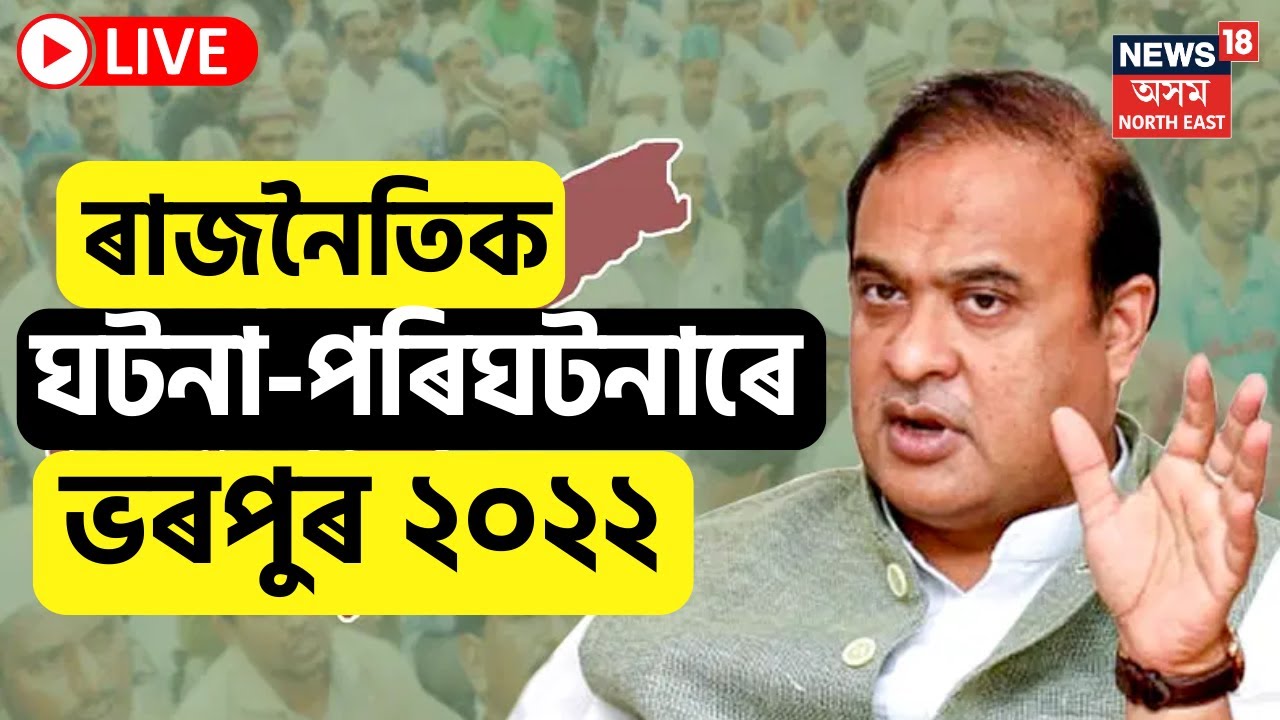
As the political landscape of Assam evolves, the Assam Elections 2026 are shaping up to be a pivotal event in the region’s governance. With rising tensions between major political parties, Kanhaiya Kumar, an influential figure from the Congress party, has vocally criticized the incumbent Chief Minister Himanta Biswa Sarma, asserting that real development has eluded Sarma’s constituency. At a recent Congress election rally, Kumar pointed out significant issues, including the closure of government schools despite the establishment of an international institution, suggesting a broader neglect of vital public services. His further remarks labeling Sarma’s language as ‘goon-like’ highlights a growing frustration with political rhetoric that many believe undermines public trust. This dynamic sets the stage for a robust electoral battle, where voters will scrutinize the contrasting narratives offered by the Congress and the ruling BJP as they head into the elections.
In the backdrop of Assam’s political saga, the 2026 Assembly elections emerge as a crucial battleground for governance and accountability. The ongoing campaign drama sees prominent figures like Kanhaiya Kumar challenging the status quo, alleging stagnation and a lack of real progress in terms of public welfare under the ruling party. The political discourse has been ignited by provocative statements from leaders such as Himanta Biswa Sarma, drawing sharp critiques from opposition voices who are rallying support for Congress. Debates over issues like education and public services are front and center, while the implications of such discussions resonate with the electorate’s desire for transformative leadership. As the election date approaches, the fervor among parties hints at a gripping contest that could redefine Assam’s political narrative.
Kanhaiya Kumar Criticizes Assam CM Ahead of Elections
In a recent election rally, Kanhaiya Kumar, who serves as the national in-charge of the National Students’ Union of India, did not hold back in his criticism of Assam Chief Minister Himanta Biswa Sarma. Speaking to reporters, he boldly stated that the CM’s language resembled that of a ‘goon’, clearly highlighting his discontent with the quality of political discourse in Assam. According to Kumar, the rhetoric employed by Sarma is inappropriate for someone in a position of leadership, particularly in the context of the upcoming Assam Elections 2026. This statement is critical given the political climate, where language and behavior of public officials can significantly influence voter sentiment.
Kumar’s assertions reflect a broader sentiment among the Congress party as they campaign vigorously against the current BJP leadership in Assam. As the election approaches, Kumar emphasized that the promises of development by the CM have fallen flat. He pointed out the paradox of increased educational institutions for the elite while public schools face closure, raising questions about the real impact of governance in Sarma’s constituency. Kumar’s remarks might resonate with voters who feel disenfranchised or neglected, a vital demographic as elections draw near.
Furthermore, Kanhaiya Kumar’s call for thorough investigation into alleged discrepancies involving the CM’s family adds another layer to his criticisms. The focus on the legal ramifications concerning multiple passports held by Riniki Bhuyan Sarma, the Chief Minister’s wife, signifies an attempt by the Congress to exploit any perceived vulnerabilities within the ruling BJP. This strategy aligns with the Congress’s objective to present themselves as the party concerned with accountability and transparency.
As tensions rise in the run-up to the Assam Elections 2026, Kumar’s rhetoric is likely to stir discussions among voters about the political integrity and governance of the state. He aimed to leverage this moment as a rallying point to galvanize support for Congress, particularly highlighting failures in development under the BJP’s tenure. The remarks about the Chief Minister’s behavior are intended to not just criticize Sarma but also to question the leadership style that might lead to a shift in the political landscape of Assam.
Impact of Political Rhetoric on Assam Elections 2026
Political rhetoric plays a pivotal role in shaping voter perceptions, especially in a politically charged environment like Assam. Kanhaiya Kumar’s comments about Himanta Biswa Sarma are indicative of a strategy employed by the Congress party to undermine the confidence voters have in the current administration. By asserting that Sarma’s rhetoric is akin to that of a ‘goon’, Kumar aims to position the Congress as a party advocating for a more respectful and responsible political dialogue. This tactic could resonate with constituents who are tired of aggressive and derogatory political discourse.
Moreover, the emphasis on constructive development versus the alleged stagnation in Sarma’s constituency becomes a focal point in the Congress campaign narratives. Kumar’s mention of closing public schools while opening international institutions raises critical questions about accessibility and equality in education policy under BJP’s governance. This framing not only enhances Kumar’s argument but also emphasizes the Congress party’s commitment to fostering a more inclusive environment, potentially appealing to voters who feel marginalized.
As the battle lines are drawn for the Assam Elections 2026, it is essential to scrutinize how such remarks influence public perception and voting behavior. Political analysts highlight that as the Congress gears up for its rallies and engage in debates, their focus on critical issues—such as education and judicial accountability—could sway undecided voters who seek tangible solutions rather than rhetoric alone. Kumar’s sharp criticisms may invigorate the Congress base while reaching out to disenchanted BJP voters, thus crafting a narrative that may establish the party as a viable alternative in Assam’s political landscape.
Ultimately, the unfolding political drama between Congress and BJP will largely determine the success of these strategies as voters head to the polls. Understanding the underlying motives and public response to such remarks will provide insight into the evolving dynamics of Assam’s electoral journey.
Frequently Asked Questions
What are Kanhaiya Kumar’s main criticisms of Himanta Biswa Sarma ahead of the Assam Elections 2026?
In the lead-up to the Assam Elections 2026, Kanhaiya Kumar has sharply criticized Chief Minister Himanta Biswa Sarma, claiming there has been ‘no real development’ in Sarma’s constituency. He has accused the CM of focusing on establishing an international school while shutting down government schools. Additionally, Kumar criticized Sarma’s public remarks, labeling his language as ‘like that of a goon,’ which he believes is inappropriate for a public official.
| Key Point | Details |
|---|---|
| Kanhaiya Kumar’s Criticism | Kumar criticizes Chief Minister Himanta Biswa Sarma for a lack of development in his constituency. |
| Allegations Against CM Sarma | Accuses Sarma of creating hurdles for Congress candidate Girish Baruah’s campaign. |
| Controversy Over Multiple Passports | Calls for investigation into the Chief Minister’s wife’s alleged multiple passports. |
| Critique of Sarma’s Language | Kumar describes CM’s language as akin to that of a ‘goon’, inappropriate for an administrator. |
Summary
Assam Elections 2026 are shaping up to be a pivotal moment in the state’s political landscape. As campaigning heats up, key figures like Kanhaiya Kumar are vocalizing their discontent with the current government’s performance, particularly under Chief Minister Himanta Biswa Sarma. The allegations of stalled development and the ongoing controversies surrounding personal issues of public officials are indicative of the larger tensions between the ruling BJP and the Congress Party. The confrontations, especially around language and public conduct, signal a deeper scrutiny of political ethics as voters head to the polls. It remains to be seen how these dynamics will influence voter sentiment and the elections’ outcome.