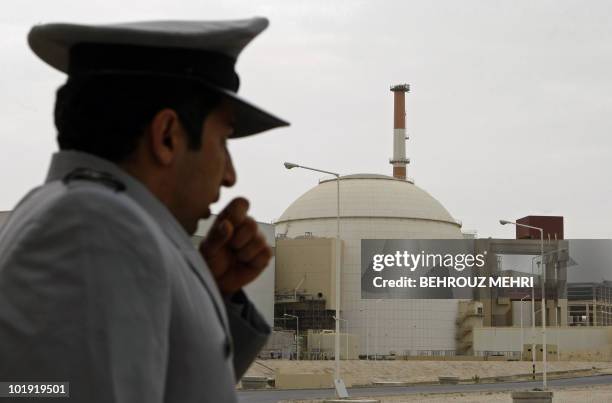
Iran nuclear power plant security has become a paramount concern following a series of aggressive military actions in the region. Recent US-Israeli military strikes targeting the Bushehr nuclear facility have heightened fears over the risk of radioactive contamination, prompting urgent responses from Iranian officials. In a letter to UN Secretary-General Antonio Guterres, Iran’s Foreign Minister Abbas Araghchi articulated these threats, emphasizing the need for international dialogue to safeguard the integrity of Iran’s nuclear sites. This precarious situation not only challenges Iran’s sovereignty but also raises significant alarms about the overall security of Gulf nations. As tensions escalate, the implications of such military endeavors ripple across the region, potentially leading to dire consequences for all involved.
The security of Iran’s nuclear energy infrastructure is under intense scrutiny as the geopolitical climate shifts dramatically. With the threat of military engagement looming, particularly in relation to the Bushehr facility, concerns about the stability of this critical site have surged. The Iranian response to various hostile military actions underscores the urgent need for a collaborative approach to mitigate risks, especially those concerning radioactive threats. Such developments not only affect Iran but could also destabilize neighboring Gulf nations, intensifying the security dialogue within the region. As stakeholders grapple with these challenges, the focus on strategic diplomacy is more crucial than ever.
Security Concerns Surrounding Iran’s Nuclear Power Plant
The Bushehr nuclear facility, being Iran’s only operating nuclear power plant, has been central to the country’s energy strategy and international negotiations. Recent military strikes purportedly conducted by US and Israeli forces have heightened concerns over its security as highlighted in Iran’s Foreign Minister Abbas Araghchi’s letter to the UN Secretary-General. The near-miss military actions close to this critical infrastructure have raised alarms not only about the potential for physical damage to the plant but also about the significant risk posed by radioactive contamination. The fear that military strikes could disrupt operations or even lead to a catastrophic failure is a pressing issue for not only Iran but the entire region.
Furthermore, the Iranian government has vocalized its apprehensions regarding the jeopardization of the security of Gulf nations due to the escalated military tensions surrounding their nuclear sites. With the ongoing debates about nuclear safety protocols and environmental hazards, the implications of military strikes on the Bushehr facility must be evaluated urgently. The potential for radioactive contamination could affect surrounding areas, leading to extensive health risks and long-term ecological damage, triggering regional unrest and calls for international intervention.
Iran’s Diplomatic Response to Regional Military Aggressions
In light of escalating tensions and military actions, Iran has proactively sought to involve the international community in discussions surrounding the security of its nuclear power facilities. The recent communication from Foreign Minister Abbas Araghchi emphasizes the need for a robust defense of Iran’s sovereign rights over its nuclear technology and infrastructure. His letter to Antonio Guterres signals a call for heightened international monitoring and legal protection against unwarranted strikes that compromise the safety of nuclear sites. This diplomatic outreach illustrates Iran’s strategy to frame its nuclear ambitions within a narrative of regional security rather than provocation.
The response from Iran’s leadership underscores the importance of ensuring that Gulf nations perceive these military aggressions as threats to collective security rather than isolated incidents. As tensions mount, the Iranian administration is likely to seek alliances with other nations that share concerns about the implications of US-Israeli military strategies in the region. The dialogue initiated through Araghchi’s correspondence is crucial in facilitating a unified stance against military interventions that threaten nuclear safety, ensuring that there are safeguards in place to protect against any fallout—both literally and figuratively.
The Risk of Radioactive Contamination in Military Conflicts
The potential for radioactive contamination serves as one of the most immediate and dire consequences of military operations targeting or occurring near nuclear facilities like the Bushehr plant. Escalating military activities can introduce various contaminating agents into the environment, threatening the health and safety of nearby populations. The Iranian Foreign Minister’s warning highlights how such conflicts not only challenge the operational integrity of nuclear power plants but also pose severe health risks that can extend beyond national borders. As radioactive materials are fragile and their containment must be absolute, any breach in security could lead to disastrous outcomes.
Moreover, as the geopolitical climate continues to shift with US and Israeli military strikes intensifying, the implications of radioactive contamination require urgent attention. The existing infrastructure of the Bushehr facility is equipped with safety measures; however, these measures are designed to function under normal operating conditions and not in the midst of an armed conflict. As highlighted by Iran’s government, this issue transcends national borders, as the fallout from any radioactive leak could impact Gulf nations, raising alarms of a shared vulnerability that calls for collaborative strategies to mitigate such risks.
International Observations on Iran’s Nuclear Sovereignty
Iran’s nuclear sovereignty remains a contentious topic in international relations, especially in the context of ongoing military strikes against its facilities. The country has maintained that its nuclear program is for peaceful purposes, focusing on energy generation at facilities like Bushehr, while emphasizing its right to protect these capabilities. The letter from Abbas Araghchi to the UN Secretary-General not only represents Iran’s position but also serves as a plea to acknowledge the importance of respecting a nation’s autonomous right to develop its energy resources without external military interference.
As international stakeholders assess the evolving dynamics in the Middle East, it’s imperative to balance security concerns with respect for sovereignty. The increasing threats posed to Iran’s nuclear facilities jeopardize not only its national security but also regional stability. Observing the conflict from a neutral standpoint is essential for fostering dialogue that encourages peaceful resolutions, safeguarding Iran’s nuclear rights while also addressing the genuine fears surrounding proliferation and regional aggression.
The Role of Gulf Nations in Iran’s Nuclear Situation
The geopolitical landscape of the Gulf nations indicates a growing concern about the ramifications of Iran’s nuclear ambitions. As military strikes directed at Iran’s Bushehr nuclear power plant unfold, neighboring countries are on high alert regarding the stability of their own security landscapes. The interconnections between regional security and Iran’s nuclear operations cannot be overlooked, as any significant incident at such facilities could have spillover effects across bilateral ties among Gulf nations. The Iranian conflict presents a dilemma for these nations; they must navigate their relationships with powerful allies while addressing rising localized threats.
Gulf nations are realizing the necessity to bolster collaborative security while remaining vigilant about the risks that Iran’s nuclear program entails. As Ahmed Araghchi articulated concerns over military tensions, regional nations may find themselves forming strategic partnerships to ensure collective security against potential fallout. The effectiveness of such a collaborative approach would rely heavily on clear communication, trust, and commitment to mutual safety to foster an environment where nuclear development can occur without imminent threat or military interventions.
The Need for International Monitoring of Military Actions
The call for stricter international monitoring of military actions near nuclear facilities like the Bushehr plant has become increasingly vital in the wake of recent strike incidents. Abbas Araghchi’s letter to the UN advocates for heightened oversight as a means of preventing further aggressions that threaten the security of these critical infrastructures. The necessity for an independent body to monitor military activities surrounding nuclear zones can reduce the risks associated with miscalculations, ensuring that potential strikes do not lead to catastrophic incidents.
Moreover, international monitoring becomes a deterrent against possible military strikes from external states, thus protecting a nation’s right to utilize nuclear energy peacefully. As the Gulf nations engage in vital discussions to develop frameworks for collective security, they must prioritize the establishment of mechanisms that lend accountability to military actions taken in proximity of nuclear power plants. The role of monitoring not only safeguards against radioactive contamination but also supports broader initiatives aimed at maintaining regional stability.
Iran’s Energy Strategy Amidst Global Uncertainties
Iran’s energy strategy, particularly regarding the development of the Bushehr nuclear power plant, has been shaped by both domestic demands and external pressures. The recent military engagements pose challenges to Iran’s ability to pursue its energy goals efficiently. The government argues that the continuous threat of strikes against its facilities undermines the stability required for energy production, thus impacting economic growth and energy self-sufficiency. As a nation rich in fossil fuels, Iran seeks to diversify its energy resources through nuclear energy, but military aggressions complicate these strategic endeavors.
Furthermore, the international perception and legislation surrounding nuclear energy play a crucial role in shaping Iran’s energy policies. As concerns around military threats escalate, Iran may also turn to foreign partnerships that align with its nuclear objectives while adhering to global regulations. The balancing act of leveraging its rich energy resources with external relations and internal security needs will determine the future trajectory of Iran’s energy strategy, especially as it navigates the currents of regional conflict and diplomacy.
Regional Implications of Military Strikes on Nuclear Sites
The implications of military strikes targeting nuclear sites like the Bushehr facility extend well beyond Iran’s borders, impacting regional stability across the Gulf nations. Military aggression raises fears of broader conflicts that could draw in neighboring countries, each with vested interests in maintaining a stable and peaceful environment. The strategic location of the Bushehr plant necessitates a careful assessment of how such strikes could provoke reactions from other Gulf allies, thus perpetuating a cycle of hostility and mistrust.
Moreover, any significant disruption at the Bushehr plant due to military actions has the potential to create ripple effects in energy markets, further complicating the already fragile geopolitical atmosphere. The possibility of radioactive leaks and contamination amplifies fears not just of Iran’s sovereignty but also raises valid concerns for the safety and well-being of all nations in the region. Recognizing these interconnected risks is essential for fostering dialogue and cooperation aimed at maximizing regional security and minimizing the threat of military escalations.
Collaborative Approaches to Nuclear Safety and Security
To effectively address the risks associated with potential military strikes on nuclear facilities, collaborative approaches among nations are essential. The dialogue initiated by Iran’s Foreign Minister, underscoring international concern for the safety of the Bushehr nuclear power plant, highlights the necessity for cooperative frameworks. Engaging with a variety of stakeholders—including regional powers and global watchdogs—can lead to innovative solutions that enhance nuclear security while addressing the collective interests of neighboring countries.
Implementing collaborative safety protocols not only strengthens the region’s defense against aggressive military actions but also fosters a spirit of transparency and trust. These protocols should include regular safety assessments, joint military exercises, and shared information systems concerning security threats. By investing in cooperation, nations can cultivate an environment where nuclear energy programs are respected and protected, ultimately promoting peace and stability within the Gulf region.
Frequently Asked Questions
What is the current security situation at Iran’s Bushehr nuclear facility amid US-Israeli military strikes?
The security situation at Iran’s Bushehr nuclear facility has become increasingly precarious due to recent US-Israeli military strikes. In a letter to UN Secretary-General Antonio Guterres, Iran’s Foreign Minister Abbas Araghchi expressed serious concerns about the risk of radioactive contamination stemming from these military actions. He highlighted the necessity for international attention to safeguard Iran’s nuclear power plant and emphasized that continued aggression could have catastrophic implications not only for Iran but also for the security of Gulf nations.
| Key Point | Details |
|---|---|
| Iran’s Communication with UN | Iran’s Foreign Minister, Abbas Araghchi, sent a letter to UN Secretary-General Antonio Guterres addressing US-Israeli strikes on the Bushehr nuclear power plant. |
| Risk of Radioactive Contamination | The letter highlights serious concerns regarding the risk of radioactive contamination from military actions near the nuclear facility. |
| Concerns Over Sovereignty | Araghchi emphasized the need for international attention to Iran’s sovereign rights over its nuclear sites. |
| Regional Security Implications | The situation poses severe risks not just for Iran but also for the stability of Gulf nations. |
| Warnings from the Iranian Government | Iran has issued warnings about the possible consequences of ongoing military actions involving nuclear materials. |
Summary
Iran nuclear power plant security is a pressing concern in the wake of escalating tensions in the region. Following recent military strikes targeting the Bushehr nuclear power plant, Iranian Foreign Minister Abbas Araghchi has officially reached out to the United Nations, underscoring the serious risk of radioactive contamination posed by such military actions. The situation highlights not only Iran’s struggle to maintain its sovereignty over its nuclear facilities but also the broader implications for regional security in the Gulf. As military operations continue to occur in proximity to Iran’s nuclear sites, the Iranian government continues to express alarm, making it clear that the risks extend beyond their borders, potentially endangering neighboring nations as well.