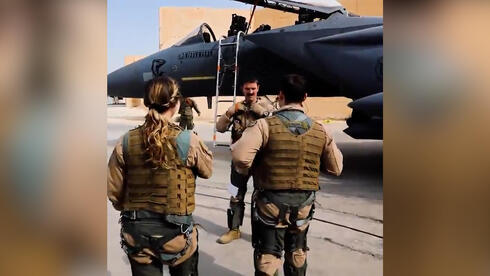
Iran’s treatment of POWs has sparked intense discussion, particularly in the context of the ongoing Iran-US conflict. Recent statements from Iranian officials highlight a narrative that portrays their approach towards captivity with notions of dignity and respect, juxtaposed with criticism of the US’s actions. The Iranian media coverage has been vocal in presenting an image of civilizational superiority over perceived ‘savage allies’, further framing the discourse around POW treatment in Iran. As families of captured individuals anxiously await news, the psychological struggle intertwines with geopolitical tensions, blurring the lines between humanity and strategy. Amid this unfolding situation, the concept of captivity and dignity remains at the forefront of humanitarian discussions concerning POWs in Iran.
The treatment of prisoners of war by Iranian authorities has become a pivotal aspect of international relations, particularly regarding the United States. This delicate issue encompasses numerous dimensions, including ethical considerations and psychological ramifications for both captives and their families. As the conflict between Iran and the US perpetuates, questions regarding how captives are treated gain prominence, often invoking images of respect and humane treatment that Iranian officials claim to uphold. Additionally, the role of media in shaping perceptions about these practices cannot be underestimated, as narratives of dignity juxtaposed with the realities of captivity emerge. In this complex environment, the topic resonates deeply among audiences familiar with tales of rescue attempts and the fates of downed pilots.
Iran’s Treatment of POWs: A Contrast with US Practices
The treatment of prisoners of war (POWs) in Iran often stands starkly in opposition to that of the United States, especially when viewed through the lens of current geopolitical tensions. Iranian officials have publicly asserted their commitment to treating captives with dignity, emphasizing their cultural and moral obligations towards POWs. This position serves as a strategic communication tool in the ongoing Iran-US conflict, as it positions Iran as a nation that abides by certain ethical standards, in sharp contrast to the narratives often circulated by American media. The phrase, ‘we know how to treat captives in custody with dignity and respect,’ reflects a broader Iranian effort to craft a more favorable image internationally, especially among their own citizens and allies.
However, it’s essential to recognize that such claims should be evaluated critically. The reality of POW treatment can vary widely within different contexts, influenced by political motivations, media portrayals, and international regulations. Reports from human rights organizations often paint a less flattering picture, indicating potential violations of international norms related to POW treatment in Iran. Furthermore, as Iranian media coverage tends to focus on the dignity of captives, the truth behind these portrayals can become obscured by propaganda aimed at showcasing Iranian resilience and ethical superiority. The urgency of dignified treatment in captivity often clashes with the complex narratives in times of war, where dignity can sometimes be sacrificed for political gains.
Media Narratives and the Iranian Perspective on POWs
Iranian media plays a crucial role in shaping public perceptions, particularly regarding POW treatment amidst the Iran-US tensions. In the wake of the recent downing of American aircraft, state-controlled outlets have capitalized on the situation, promoting a narrative that emphasizes the humane treatment of captured pilots. This coverage is strategically designed to inspire national pride and stir sentiments among the Iranian populace, suggesting that their nation acts with a code of honor that stands in stark contrast to their ‘savage allies.’ The emphasis on dignified treatment in their media campaigns not only aims to consolidate domestic support but also seeks to influence international opinion regarding the Iranian approach to warfare and captivity.
Yet, amid these narratives, questions arise about the authenticity of the reported practices. While Iranian officials claim to treat POWs well, the actual conditions experienced by captives may differ significantly from official statements. The allure of sending messages of morality and dignity collides with the on-the-ground reality experienced by POWs, which can include harsh treatment and psychological pressure. By monitoring these discrepancies, international observers and human rights activists attempt to navigate the complexities of Iranian POW treatment, ensuring that accountability is demanded, and that narratives surrounding their captivity are accurately portrayed.
The Implications of Captivity and Dignity in Iranian Warfare
The concept of dignity in the context of captivity has significant implications for both military strategy and humanitarian law. In Iran’s discourse regarding POWs, emphasis on dignity becomes a double-edged sword—it serves to lift national morale while imposing certain expectations on how Iranian forces should conduct themselves during conflicts. In the recent incident involving a downed US pilot, Iranian officials’ responses reflect a calculated effort to assert their sovereignty and moral high ground following military confrontations. By declaring that they maintain decorum in dealing with captives, they intend to reinforce a narrative of civility set against what they portray as the primal aggressions of American forces.
This notion of treating captives with dignity can also complicate international relations, particularly in the aftermath of conflicts. While Iran positions itself as a respectful custodian of POWs, historical precedents and reports heavily influence the global perception of their actions. Advocates for human rights remain vigilant, aiming to ensure that the treatment of POWs adheres to international conventions such as the Geneva Conventions. In a world where media narratives can profoundly impact diplomatic ties, how Iran handles its POWs not only affects its image but also sets the stage for future interactions with the US and other nations.
Domestic Reactions to POW Treatment and its Political Consequences
The internal reaction within Iran to the treatment of American POWs reflects a complex interplay of nationalism, propaganda, and political strategy. Following the recent incident involving a US pilot, many Iranians expressed support for their government’s stance on the humane treatment of enemy captives. Reports of public support stem from narratives that frame the custody of POWs as a matter of national pride and inherent cultural values. These sentiments often resonate within the context of historical grievances against American forces, thereby enhancing feelings of solidarity among Iranians.
However, the reverberations of such circumstances can also lead to tensions within Iran’s political landscape. Critics and reformists may point to the necessity of adhering to international humanitarian standards and argue against the use of propaganda that risks misleading the public regarding the actual experiences of POWs. This contention highlights an ongoing struggle within the country, as voices advocating for greater transparency clash with prevailing narratives that emphasize resilience and moral superiority. The treatment of POWs thus remains a contentious issue that transcends mere diplomacy, tapping into deeper layers of national identity and political discourse.
The Role of International Observers in Evaluating Iran’s POW Practices
International observers play a critical role in evaluating and reporting on the treatment of POWs in Iran. Their contributions are invaluable in providing independent insights into the conditions faced by captives, which may contrast with official Iranian narratives. Organizations such as the International Committee of the Red Cross often request access to POWs to ensure compliance with international humanitarian laws. Their involvement is essential for safeguarding the rights and dignities of those detained during conflicts, especially amidst the backdrop of Iran’s claims regarding its humane treatment of captives.
Nonetheless, access for observers is frequently contested, highlighting the difficulties associated with transparency in war-torn regions. While Iranian state media may emphasize a narrative of dignified captivity, independent verification remains crucial to hold governments accountable. As international eyes remain on Iran’s decisions regarding POW treatment, negotiations about transparency and humanitarian access become intertwined with broader geopolitics. The delicate balance between national pride and ethical obligations continues to shape how Iran approaches discussions about POWs and their rights on an international stage.
Cultural Context of POW Treatment: The Iranian Perspective
In exploring the cultural context of POW treatment in Iran, it is important to consider the historical and social factors that define Iranian responses to captured enemy combatants. Many Iranians view dignified treatment of prisoners as a reflection of their Islamic values and cultural identity, deeply embedded within their societal norms. As such, state narratives often frame the humane treatment of POWs as a testament to Iranian civilization’s moral framework, standing in contrast to perceived injustices committed by adversaries like the United States.
This cultural perspective not only influences domestic sentiment but also extends to international perceptions of Iran as a nation committed to certain ethical standards. As the dialogue around POWs unfolds in media and diplomatic communications, this cultural context becomes pivotal. It serves to promote a narrative where Iran is portrayed as a principled actor, striving to uphold dignity even in conflict. Yet, the challenge remains to ensure that these cultural ideals translate into genuine, consistent practices that align with global humanitarian standards.
Iran’s Strategic Use of POW Narratives for Domestic and International Policy
Iranian authorities strategically utilize narratives surrounding POWs as part of a broader framework to engage both domestic and international audiences. By promoting their commitment to the humane treatment of captives, Iranian officials aim to bolster national unity and foster a sense of pride among citizens. This tactic is particularly pronounced during heightened tensions with the United States, where the portrayal of Iranian ethics contrasts sharply with the actions attributed to American military operations. Such narratives not only serve to rally public support but also function as tools to shape international perceptions.
However, the implications of these narratives extend beyond simple affirmations of dignity and respect. They encompass a complex interplay of diplomacy, propaganda, and national identity. The international community is tasked with discerning the reality behind Iran’s claims, often calling for comprehensive reports and independent evaluations of their POW treatment standards. As global scrutiny continues, Iran’s ability to navigate these complex narratives will remain crucial, influencing both their domestic policy and international relationships.
The Impact of POW Treatment on Iran-US Relations
The treatment of POWs carries significant ramifications for the broader Iran-US relations. The recent incidents involving American pilots highlight an already fragile relationship, where any missteps regarding POW treatment can exacerbate tensions further. Iran’s emphasis on dignified treatment serves as a strategic counter-narrative in the ongoing conflicts, aiming to undermine claims of brutality often levied against them by US officials. As both countries navigate through heightened hostilities, the treatment of captives emerges as a pivotal element influencing diplomatic engagements and the rhetoric that surrounds them.
Consequently, POWs become symbolic of larger ideological divides—where the treatment of these individuals not only reflects national values but also shapes the trajectory of diplomatic discourse. The narratives that arise from such situations can either foster opportunities for dialogue or entrench existing animosities. Therefore, as the geopolitical landscape evolves, how Iran manages and communicates its approach to POWs will be consequential in defining future relations with the United States.
Frequently Asked Questions
How does Iran’s treatment of POWs compare to that of the US in the context of the Iran US conflict?
Iran asserts that its treatment of POWs, particularly in cases involving US pilots, is rooted in dignity and respect, unlike the perceived harsh treatment by US forces. Iranian officials emphasize their commitment to humane treatment of captives, often contrasting their methods with what they describe as ‘savage’ practices of their ‘allies.’ This narrative is reflected in Iranian media coverage, aiming to project an image of civilization and moral authority in the face of conflict with the United States.
| Key Point | Details |
|---|---|
| Iran’s Communication with a US Citizen | Iran publicly addressed the mother of a missing US pilot, emphasizing their treatment of captives. |
| Iran’s Promise of Dignity | Iran stated that as ‘civilized Iranians’, they know how to treat captives respectfully, contrasting against American methods. |
| Rescue Operations | Iran is aware of ongoing US search efforts for the downed pilot, highlighting the risks involved. |
| Public Encouragement | Iranian media called for the public to report enemy pilots and suggested rewards for those who do. |
| Recent Military Activity | Iran has claimed multiple successes in downing enemy aircraft during recent operations. |
Summary
Iran’s treatment of POWs has become a focal point in the dialogue around ongoing military tensions. In a recent incident involving a missing US pilot, Iranian officials publicly asserted their commitment to humane treatment of captives, contrasting their values with those of the United States. As the situation unfolds with mixed outcomes for airmen downed in Iranian territory, the Iranian stance on dignity and respect for prisoners of war has raised significant eyebrows and sparked a broader conversation on international humanitarian standards.