

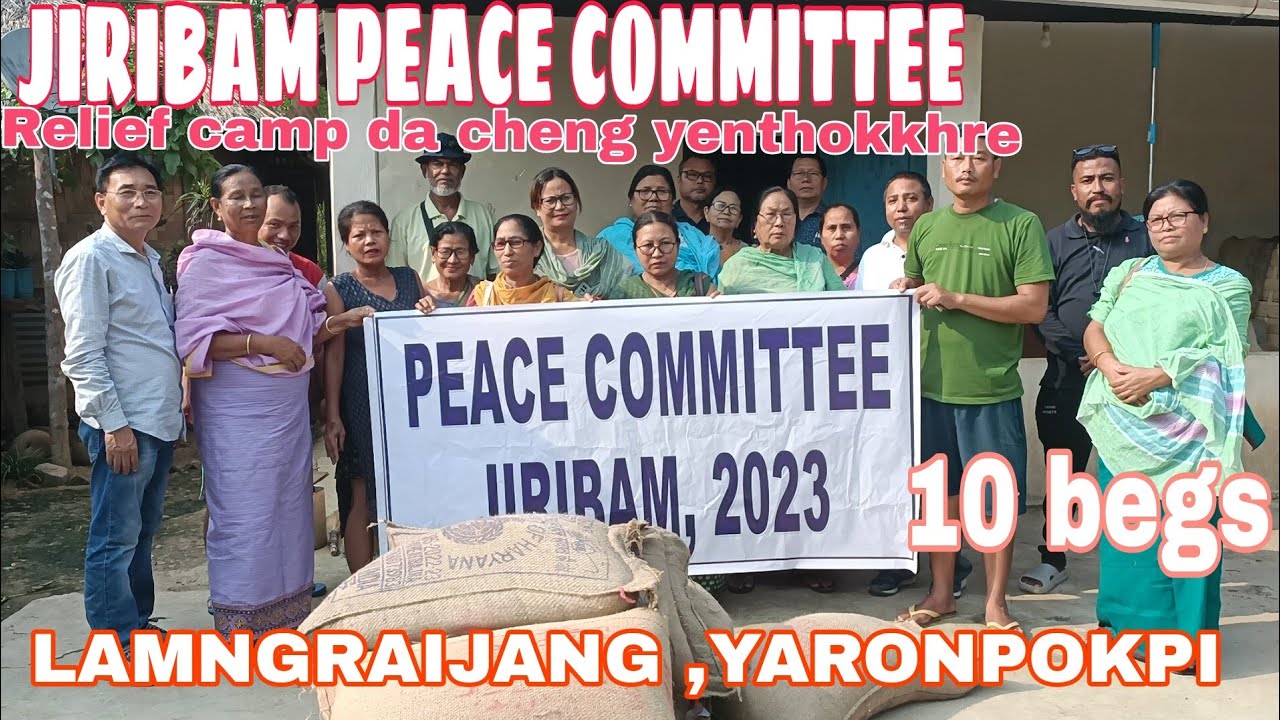
Jiribam peace initiatives are marking a significant turning point for Manipur, where diverse communities are coming together to foster reconciliation and stability. Recently highlighted by Chief Minister Yumnam Khemchand Singh, this movement is a historic first for Jiribam, showcasing the collaboration of the Meitei, Kuki, Paite, and Hmar communities. The recent “Community Interaction Programme” exemplified the growing spirit of unity as locals engaged in open dialogue to bridge gaps created by years of unrest. With an emphasis on supporting internally displaced persons (IDPs), Jiribam aims to not only restore peace but also uplift its residents by encouraging community interactions that inspire hope and resilience. As the initiative progresses, Jiribam stands as a beacon of harmony, attracting attention for its admirable efforts in district peace within the broader context of the Manipur region.
The peace initiatives in Jiribam are transforming the landscape in this district of Manipur, where collaborative efforts are gaining momentum to heal past wounds. These efforts, championed by local leaders including CM Khemchand, highlight the importance of community engagement and the need for collective support systems for displaced families. By focusing on dialogue between various ethnic groups, Jiribam presents a unique approach to fostering trust and mutual respect. As the communities in this area unite, they are setting a precedent that could inspire similar reconciliation efforts throughout the region. This paradigm of peace-building reflects the collective aspirations of the people in Manipur as they strive towards a more harmonious future.
Jiribam Peace Initiatives: A Model for Unity in Conflict Zones
The Jiribam peace initiatives have emerged as a beacon of hope in Manipur, showcasing how diverse communities can come together after prolonged unrest. Under the leadership of Chief Minister Khemchand Singh, Jiribam has demonstrated an exceptional model for reconciliation, where various groups, including the Meitei, Kuki, Paite, and Hmar communities, have agreed to collaborate for peace. This unified stance is particularly remarkable given the backdrop of three years marked by conflict, highlighting the importance of community interaction in rebuilding trust and fostering cooperation.
The Community Interaction Programme that took place in Bidyanagar emphasized the necessity of direct dialogue between different ethnic groups. By encouraging conversations and sharing personal experiences, leaders like Khemchand are bridging the trust gaps that have historically fueled discord. The initiative not only aims to support internally displaced persons (IDPs) but also focuses on fostering a cohesive community spirit that transcends ethnic boundaries. Such peace initiatives in Jiribam could serve as a prototype for other regions in conflict, illustrating the power of community solidarity in achieving long-lasting peace.
Strengthening Community Interaction in Manipur
Community interaction in Jiribam is pivotal, serving as a forum for dialogue and understanding among diverse ethnic groups. The recent outreach efforts spearheaded by Chief Minister Khemchand have highlighted the importance of platforms where individuals can voice their concerns, fears, and hopes. Engaging with IDPs, whether it’s a Meitei woman expressing her apprehensions or a Hmar tribal girl speaking of employment challenges, reflects the rich tapestry of voices that must be acknowledged in the quest for peaceful coexistence. Such interactions foster a sense of belonging and enhance collective problem-solving mechanisms.
Moreover, these interactions are not merely about discussing grievances; they also facilitate the sharing of perspectives on development and social cohesion. The commitment shown by local leaders to support these initiatives illustrates a shift towards inclusivity, encouraging all groups to participate actively in the peace process. Building bridges through community interaction is vital for healing and preparing Jiribam’s inhabitants for a future where collaboration supersedes division. In this light, Manipur’s potential for evolving through community engagement becomes significantly brighter.
The Role of Leadership in Peacebuilding
Leadership plays a crucial role in the peacebuilding process in Jiribam. Chief Minister Khemchand’s approach showcases how effective governance can pave the way for unity among disparate communities. By addressing the needs and fears of IDPs directly, he exemplifies a leader who listens and responds, thus fostering an environment of trust and cooperation. The visit to different villages and direct engagement with the people signify a proactive leadership style that is essential in conflict resolution contexts where traditional authority structures may falter.
Furthermore, Khemchand’s example of transparent recruitment processes reassures community members that their leaders are committed to integrity and fairness. By recognizing the challenges faced by various ethnic groups and prioritizing support for IDPs, he is laying the groundwork for a cohesive society. This proactive leadership is essential for facilitating grassroots-level initiatives that empower communities, ensuring that peace is not just a temporary state but a sustainable reality. Such leadership dynamics are vital in transitional contexts, illustrating that political will and community engagement can catalyze significant social change.
IDPs Support and Community Resilience in Jiribam
The plight of internally displaced persons (IDPs) in Jiribam acts as a crucial reminder of the ongoing challenges posed by conflict, yet their involvement in the peace process illustrates remarkable community resilience. Recognizing the unique struggles faced by each group, from the Meitei to the Hmar, the government’s initiatives demonstrate a concerted effort to provide support and restore normalcy. By emphasizing the need for IDPs to return home safely, Chief Minister Khemchand reinforces the importance of stability and security in the path to recovery for these communities.
Furthermore, direct interactions with IDPs during community programs not only validate their experiences but also forge strong connections between individuals from different backgrounds. The ongoing support efforts, which include rebuilding homes and facilities, signify a commitment to create an inclusive environment where all community members can thrive. The resilience exhibited by these groups amidst adversity showcases the potential for unity, suggesting that when communities rally together, they can overcome even the most daunting challenges related to displacement and unrest.
Jiribam Communities Unite for Sustainable Development
As peace initiatives take root in Jiribam, a significant aspect is the focus on sustainable development. By bringing together diverse communities, the region is not only fostering peace but also laying the groundwork for robust economic and social growth. Local leaders have recognized that unity is critical not just for immediate peace, but also for the long-term development that requires collaboration across different ethnic lines. This shift towards a cooperative model highlights the potential for varied community contributions to create a more resilient Jiribam.
Incorporating voices from all communities into the development conversation ensures that initiatives are tailored to meet the specific needs of each group. With the Chief Minister’s backing, there is an increased emphasis on collaborative projects that benefit everyone, fostering a shared sense of ownership over Jiribam’s future. This united front presents invaluable opportunities for development that can address historical grievances while promoting mutual respect and understanding among communities, resulting in a more equitable and sustainable future.
Health Sector Improvements in Jiribam: A Community Goal
The health sector in Jiribam plays a critical role in supporting community well-being, and recent visits by government officials have underscored the need for improvements. Chief Minister Khemchand’s assessment of the district hospital is a pivotal step towards understanding the healthcare challenges faced by the region, particularly during times of unrest. The acknowledgement of shortages of specialist doctors reflects the urgent need for policies aimed at enhancing health service delivery, which is crucial for restoring confidence in public health systems among all communities.
By streamlining health services and ensuring equitable access to care, the government can aid in building a healthier, more united Jiribam. Encouraging specialists to serve in the region through better policies not only addresses immediate health concerns but also contributes to community resilience. As diverse community members come together to voice their health needs and collaborate on solutions, the district can cultivate a healthcare environment that prioritizes inclusivity and supports the overall well-being of all residents.
Local Leadership and Ethnic Harmony in Jiribam
Local leadership in Jiribam exemplifies how grassroots initiatives can lead to greater ethnic harmony. The collaborative efforts of village leaders across different communities demonstrate a collective commitment to peace, as they actively participate in rebuilding trust and dialogue. By encouraging their constituents to engage with each other and address shared challenges, these local leaders are instrumental in nurturing a culture of respect and understanding. Their role in supporting the peace process not only helps mitigate ethnic tensions but also fosters a sense of community pride.
Moreover, the willingness of leaders to endorse peace initiatives signals a broader shift towards reconciliation in the region. By standing together, inclusivity becomes a guiding principle, paving the way for future collaborations that encompass economic, social, and cultural dimensions. The examples set by these local leaders provide a framework for establishing lasting harmony, emphasizing that while the journey toward peace may be fraught with challenges, community-driven efforts can yield meaningful progress.
Education as a Tool for Peace in Jiribam
Education emerges as a vital tool for promoting peace in Jiribam, as it empowers individuals with knowledge and skills necessary for constructive conflict resolution. Leaders in the community are recognizing the importance of educational initiatives that cater to the diverse groups in the region, paving the way for a future where understanding and cooperation become the norm. Programs designed to bring together students from different backgrounds foster friendships and break down barriers, creating a generation that values diversity and inclusivity.
Furthermore, incorporating peace education into school curriculums can help inform young minds about the significance of dialogue, respect, and collaboration. By addressing historical grievances through educational frameworks, the community can move towards collective healing, ensuring that future generations possess the tools to maintain and build upon the peace achieved today. The focus on education as a strategy for lasting peace highlights the potential for Jiribam to become a model community in Manipur for fostering unity through informed perspectives.
Engaging Youth in Jiribam’s Peace Process
In Jiribam, engaging the youth is crucial for sustaining the peace process and fostering a sense of ownership among future leaders. Young people represent the hope for a more harmonious society, and incorporating them into peace initiatives allows their voices to be heard and their ideas to shape the community’s future. As they participate in community programs, youth can channel their energy into constructive actions that promote dialogue and understanding among various ethnic groups.
Leadership programs tailored for young individuals can further enhance their capabilities to contribute to peacebuilding efforts. By providing them with the necessary platforms and resources, the community can cultivate a generation of young leaders who are committed to promoting harmony and resolving conflicts constructively. The investment in youth engagement in Jiribam not only strengthens the peace initiatives but also ensures that the values of unity and cooperation endure, making the district a resilient model for others in the region.
Frequently Asked Questions
What are the key aspects of the Jiribam peace initiatives in Manipur?
The Jiribam peace initiatives focus on community interaction among the diverse populations in the area, including Meitei, Kuki, Paite, and Hmar communities. These initiatives aim to bridge the trust gap, particularly for those affected by conflict, such as internally displaced persons (IDPs). The Chief Minister, Yumnam Khemchand Singh, emphasized the importance of uniting all communities in Jiribam for restoring peace after years of unrest.
| Key Point | Description |
|---|---|
| Historic Unity | Jiribam is the first district in Manipur where communities are coming together for peace after three years of unrest. |
| Community Interaction Programme | Led by CM Yumnam Khemchand Singh, the program focused on addressing issues faced by internally displaced persons (IDPs) from various communities. |
| Engagement with IDPs | Khemchand engaged with IDPs from Meitei, Kuki, Paite, and Hmar communities, listening to their concerns and emphasizing trust-building. |
| Government Support | The government pledges to assist IDPs in building new homes and addressing their needs as they wish to return. |
| Health Sector Enhancements | CM noted the need for improved healthcare services in Jiribam, including a transparent transfer policy for medical professionals. |
| BJP Support | The Chief Minister was accompanied by nine BJP MLAs, emphasizing political support for the peace initiatives in Jiribam. |
Summary
The Jiribam peace initiatives mark a significant milestone in Manipur’s history, showcasing how various communities unite for the common goal of restoring peace. With the leadership of CM Yumnam Khemchand Singh, Jiribam has set a precedent by demonstrating that reconciliation and collaboration are achievable even after prolonged unrest. Through the Community Interaction Programme, the Chief Minister has fostered dialogue among diverse groups, addressing the concerns of internally displaced persons and pledging support for their reintegration into society. This initiative not only aims to rebuild homes but also seeks to establish trust and enhance the local health sector to ensure a stable and thriving community. The ongoing backing from political figures further reinforces the commitment to peaceful coexistence and development in Jiribam.



























