

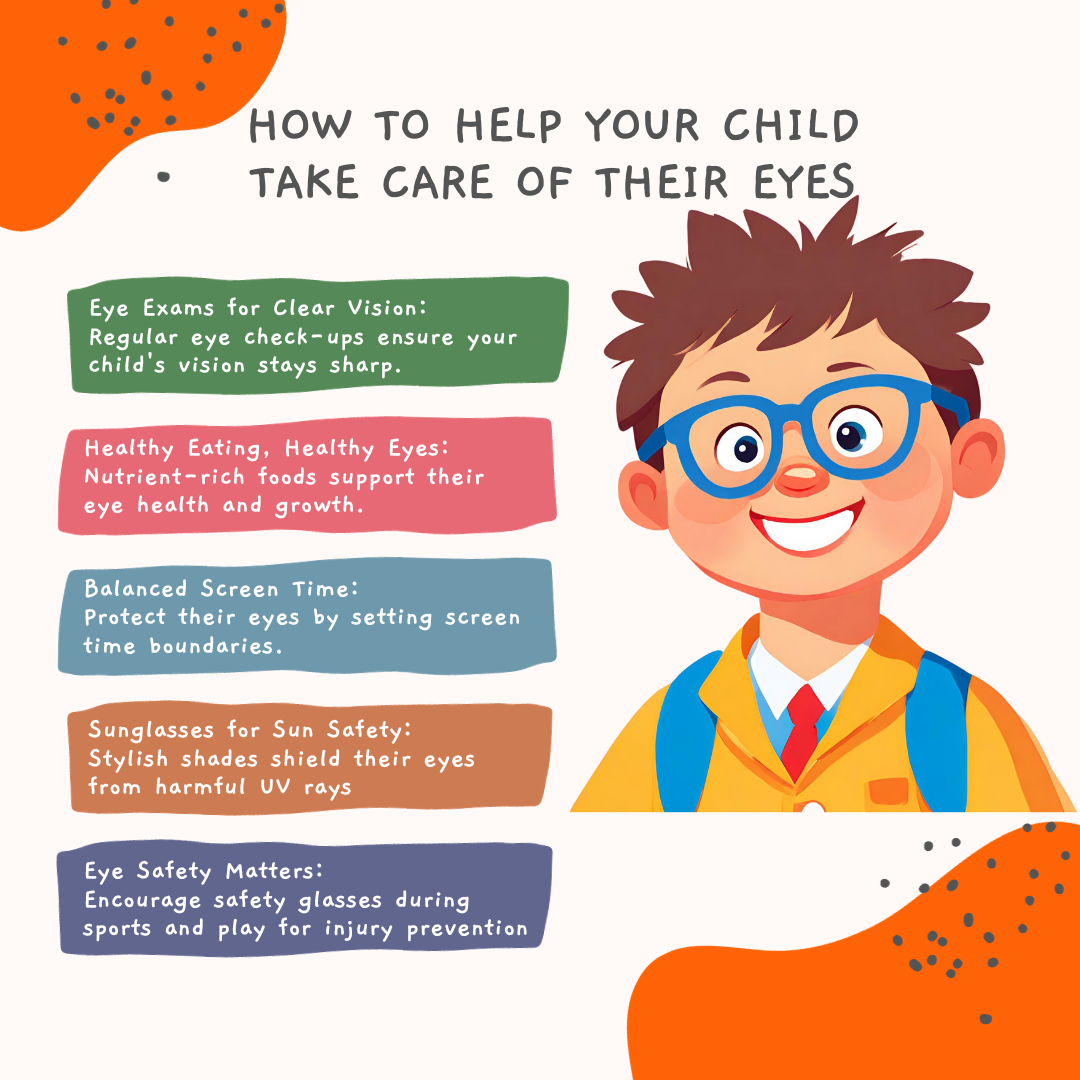
Screen time tips for kids are essential to maintaining their eye health, especially during summer vacations when the lure of electronic devices can be particularly strong. As children enjoy their time off from school, it’s vital to implement strategies that manage screen usage effectively. Pediatric specialists emphasize the importance of balancing screen activities with outdoor activities for kids, which not only promote physical health but also alleviate eye strain in children. By prioritizing regular breaks and establishing screen time boundaries, parents can help prevent the negative impacts of excessive screen exposure. In this way, families can ensure their children’s eyes remain healthy while still enjoying the entertainment that screens can provide.
In today’s digital age, finding ways to monitor and regulate children’s screen engagement has become increasingly important. With the summer months presenting unique challenges for managing electronics use, parents often seek effective methods to safeguard their kids’ vision. Strategies for reducing the potential harm of screens include limiting device time and encouraging more physical play outdoors. Additionally, recognizing early signs of discomfort in young ones can help address issues before they escalate. By exploring alternative forms of entertainment and actively promoting activity over passivity, families can strike a healthier balance between screens and real-world interactions.
The Impact of Excessive Screen Time on Kids’ Eye Health
As summer vacation unfolds, children tend to indulge more in screen-based activities, whether it’s gaming, watching videos, or browsing social media. This increase in screen time, however, can have detrimental effects on children’s eye health. Dr. Rajat Kapoor emphasizes that excessive exposure to screens can lead to significant eye strain, which is particularly concerning for growing eyes that are already vulnerable. When children engage in prolonged screen use, they often blink less, leading to increased dryness and discomfort, which can escalate into lasting issues if not managed properly.
Moreover, consistent screen time without breaks can result in a phenomenon known as digital eye strain, characterized by symptoms such as blurred vision, headaches, and neck pain. These symptoms can impact a child’s ability to perform daily tasks, including reading and participating in physical activities, further complicating their overall well-being. Therefore, as parents, it’s crucial to remain vigilant and recognize the signs of eye strain in children to mitigate the long-term effects associated with overexposure to screens.
Screen Time Tips for Kids This Summer
To combat eye strain concerns during the summer holidays, parents can implement practical strategies to manage screen time effectively. One of the primary recommendations is to establish strict viewing limits and create a structured schedule for screen use. For instance, designating certain times of day for screen activities while ensuring that these sessions are interspersed with breaks can help maintain a healthy balance. Additionally, integrating outdoor activities for kids into their daily routine can significantly reduce their screen dependency and promote better eye health.
Encouraging children to engage in activities outside—playing sports, cycling, or simply exploring nature—can not only minimize their screen time but also benefit their physical health. Experts like Dr. Kapoor suggest that parents be proactive in fostering environments that emphasize physical engagement instead of virtual interactions. Making a conscious effort to prioritize screen-free family outings can simultaneously strengthen familial bonds and combat the detrimental effects of prolonged screen exposure.
Recognizing Eye Strain Symptoms in Children
As parents, being aware of the subtle signs of eye strain in children is vital to ensure their health is not compromised during screen-heavy activities. Symptoms can often manifest as simple behaviors like squinting, excessive rubbing of the eyes, or experiencing headaches after prolonged screen time. Children may find it difficult to express discomfort, thus, parents should take note of any changes in their child’s usual eye habits or overall demeanor, as these could indicate that the screen time regimen needs to be adjusted.
Furthermore, if a child frequently complains about discomfort or shows reluctance toward typical activities they once enjoyed, it could signify that screen time management strategies need reevaluation. Early detection and intervention are crucial in preventing lasting eye problems. Keeping open conversations with kids about how they feel during and after screen use can help parents adapt their approaches and even make screen time more comfortable through proper lighting and distance adjustments.
Creating Eye-Friendly Screen Environments
The setting where children engage with screens can significantly influence eye comfort and health. To foster a more eye-friendly environment, parents should ensure that the screens are positioned at eye level and adequately illuminated to minimize glare. The distance between the child and the screen is also critical; experts recommend maintaining a minimum distance of at least arm’s length to reduce strain and discomfort. Additionally, using devices with adjustable brightness settings can help accommodate different lighting conditions that may reduce eye fatigue.
Incorporating features like blue light filters can also serve as a protective measure against the harmful effects of prolonged device usage. Special apps or settings on devices that limit exposure to blue light can be particularly helpful, especially during evening hours. In emphasizing the importance of creating a conducive atmosphere for screen interaction, parents can facilitate a healthier balance that supports their children’s eye health as they navigate the joys and challenges of summer vacations.
The Role of Outdoor Activities in Eye Health
Outdoor activities are not only beneficial for physical health but also play a crucial role in maintaining children’s eye health during the summer. Engaging in outdoor play allows children to naturally exercise their eyes by looking at objects at varying distances, which may help reduce the risk of nearsightedness. Spending time outdoors can also decrease reliance on screens, providing a refreshing break from devices that are often an integral part of their indoor activities.
Dr. Kapoor advocates for encouraging children to participate in different kinds of outdoor sports or exploration, which can be a fun way to divert their attention from screens. Activities such as hiking, visiting parks, or playing team sports not only promote physical fitness but also help in developing social skills and mental resilience. By making outdoor play an essential aspect of their daily routine, parents will not only support their children’s physical growth but also enhance their overall eye health.
Setting Boundaries Around Screen Time
Establishing clear boundaries around screen time is essential to protect children from the potential harms of excessive device usage. This can include setting specific time limits for how long a child can spend on screens each day. It’s also beneficial to create designated screen-free zones in the home, such as during meals or before bedtime, to further encourage healthy habits. When children know the structure and limitations regarding their screen usage, they are more likely to adhere to these guidelines.
Moreover, involving children in the conversation about screen time boundaries can empower them to make responsible choices. Discussing the reasons behind these limits encourages children to understand the importance of their eye health and overall wellbeing. Parental modeling of healthy screen habits and engagement in alternatives will reinforce these boundaries, making them easier for children to follow year-round, not just during the summer months.
Benefits of Eye Health Check-ups for Children
Regular eye health check-ups are incredibly important, especially in a digital age where screens are ubiquitous. Dr. Kapoor emphasizes the importance of scheduling annual eye exams for children to ensure their vision is developing properly. These check-ups allow for early detection of problems such as nearsightedness or other vision-related issues that may stem from excessive screen use. Timely interventions can lead to better outcomes and help children maintain optimal eye health.
In addition to identifying existing issues, regular examinations can help assess how screen time impacts a child’s overall vision health. Eye care professionals can provide personalized recommendations, such as the right types of lenses or exposure time to screens based on each child’s unique needs. Establishing a routine of eye check-ups sets a precedent for valuing eye health and can significantly contribute to long-term wellness in children.
Implementing Eye Care Education for Kids
Educating children about their eye health and the impact of screens is vital. Teaching kids about the anatomy of their eyes and how screens affect them can foster a better understanding and appreciation for their visual well-being. Interactive activities, simple experiments, and age-appropriate discussions can make this learning engaging and memorable. When children know how to care for their eyes, they are more likely to implement healthy practices in their daily lives.
Moreover, incorporating educational aspects into playtime can help reinforce the message without making it feel burdensome. For instance, creating games that encourage breaks or emphasize fun outdoor activities over screen time can strengthen habits that prioritize eye health. Engaging children in these discussions promotes their active participation in safeguarding their vision as they grow, ultimately leading to healthier, happier lives.
The Importance of Parental Involvement in Screen Time Management
Parental involvement is crucial in helping kids manage screen time effectively. Parents should actively engage in discussions about appropriate usage and ensure that children have balanced schedules incorporating both screen time and outdoor activities. Building a partnership with children can facilitate a healthy approach towards device engagement. Taking the time to discuss interests and facilitating opportunities for creative and constructive screen use—such as educational games and interactive learning—can provide the right direction without taking away from valuable social or physical experiences.
Additionally, parents should set a good example by moderating their screen use, demonstrating to children how to engage with technology responsibly. By modeling good behavior—like participating in outdoor activities or reading books over prolonged screen time—parents not only set clear expectations but also show children that eye health matters. Together, parents and kids can cultivate a culture of healthy screen habits that preserve children’s eye health and promote overall well-being.
Frequently Asked Questions
What are effective screen time tips for kids during summer vacation to protect their eye health?
During summer vacation, it’s crucial to manage kids’ screen time effectively to maintain their eye health. Here are some expert-recommended tips: 1. **Build breaks into screen time**: Encourage kids to take regular breaks using the 20-20-20 rule—every 20 minutes, look at something 20 feet away for 20 seconds. 2. **Prioritize outdoor activities**: Motivate your children to engage in outdoor activities instead of screen time. Exposure to natural light can be beneficial for eye health. 3. **Establish screen boundaries**: Set clear rules about when and where screens can be used, and for how long. This will help manage their screen time efficiently. 4. **Create an eye-friendly setup**: Adjust screen brightness and height to ensure comfort during use, reducing the chances of eye strain. 5. **Monitor for signs of discomfort**: Keep an eye out for signs like squinting, rubbing of eyes, or headaches, as these can indicate eye strain. Following these screen time tips for kids can help keep their vision sharp during the summer!
| Key Tips | Description |
|---|---|
| Build breaks into screen time | Encourage regular breaks to prevent eye strain. |
| Prioritize outdoor time | Encourage outdoor activities to reduce reliance on screens. |
| Create screen boundaries | Establish rules about where, when, and how long children can use screens. |
| Make the setup eye-friendly | Ensure the screen height and brightness are suitable to prevent discomfort. |
| Pay attention to subtle signs | Watch for signs of discomfort, such as rubbing eyes, squinting, or headaches. |
Summary
Screen time tips for kids are essential for maintaining their eye health, especially during the long and often relaxed summer holidays. With an increase in screen usage, it is crucial to manage it wisely to prevent any potential damage to children’s eyesight. Following Dr. Rajat Kapoor’s recommendations, parents should implement regular breaks into screen time to minimize eye strain. Additionally, encouraging more outdoor activities can significantly reduce the dependency on screens, promoting a healthier lifestyle. Establishing set rules on screen usage can also help create a balanced environment for children. Finally, making sure that the screen setup is comfortable and observing for signs of eye discomfort can further protect their vision. By being proactive with these screen time tips for kids, families can enjoy the summer while ensuring the safeguarding of children’s eye health.



























