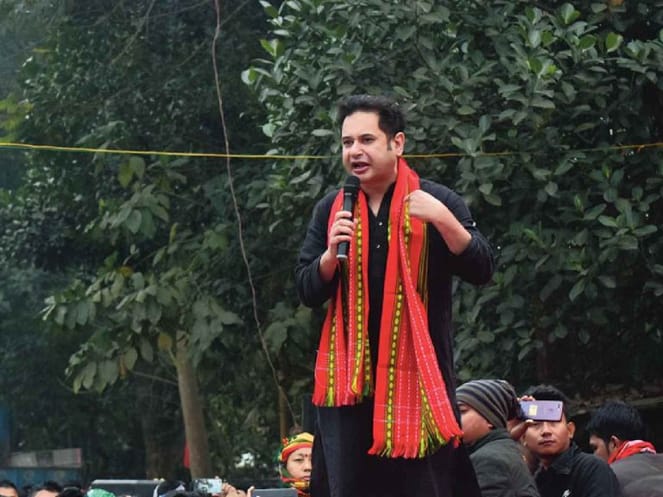
The Tipra Motha BJP Rift has become a pressing issue in Tripura politics, particularly with the upcoming TTAADC elections on the horizon. Pradyot Debbarma, the founder of Tipra Motha, has openly addressed the growing tensions within the NDA alliance, emphasizing the need for political dialogue amidst disagreements. He asserts that while differences in political perspectives are inevitable, they should not hinder constructive communication between partners. In his recent statements, Debbarma highlights that personal attacks stemming from political clashes are unproductive and counterintuitive to the principles of unity within the alliance. As Tripura navigates through its political landscape, the ongoing rift raises questions about collaboration and mutual respect between Tipra Motha and BJP, ultimately affecting the region’s governance and tribal representation.
In recent developments within Tripura’s political scene, the fractures between the Tipra Motha party and the Bharatiya Janata Party (BJP) have garnered significant attention. With the upcoming elections for the Tripura Tribal Areas Autonomous District Council (TTAADC), concerns surrounding the integrity of the NDA alliance have intensified. The discourse led by Pradyot Debbarma reflects a broader narrative of political rivalry that many are witnessing. Debbarma advocates for reconciliation and compassion, countering the growing animosity that has emerged between the parties. The current political discourse highlights the urgent need for dialogue to address and mend the sprouting divisions that threaten the stability of the state’s governance.
Understanding the Tipra Motha-BJP Rift
The rift between Tipra Motha and the BJP has highlighted the evolving dynamics within Tripura’s political landscape. Pradyot Debbarma, the founder of Tipra Motha, has openly addressed this separation, emphasizing the importance of maintaining communication despite differences. In the midst of the ongoing political dialogue, Debbarma underlines that such disagreements are not only common but should also serve as a catalyst for constructive discussions rather than hostile exchanges. The political discourse in Tripura is rife with complexities, especially when considering the collision of traditional tribal identities and the aspirations for governance that reflect the unique socio-cultural fabric of the region.
As the TTAADC elections approach, the implications of this political rift become even more pronounced. Debbarma’s insistence on resolving conflicts through dialogue is emblematic of a broader call for unity among party members and allies. The dynamics of Tripura politics are influenced by both the aspirations of the indigenous people and the operational strategies of the BJP as part of the NDA alliance. The challenge lies in bridging the gap between Tipra Motha’s demands for greater tribal autonomy and the BJP’s overarching governance strategy, which has sometimes been seen as dismissive of local tribal needs.
The Role of Political Dialogue in Resolving Conflicts
Political dialogue serves as a crucial mechanism for resolving conflicts within alliances. Debbarma’s comments resonate strongly within this context, as he advocates for dialogue as a means to mend the growing divisions within the NDA alliance. The tension between Tipra Motha and the BJP indicates deeper ideological differences that can only be addressed through open communication and mutual understanding. For a successful resolution, both parties must be willing to engage in meaningful discussions that prioritize respect for each other’s perspectives, particularly regarding tribal issues central to the Tipra Motha’s platform.
In a political environment where personal attacks and hostility often overshadow productive conversations, Debbarma’s appeal for love over hatred is particularly striking. This approach not only encourages a spirit of reconciliation but also stresses the importance of collaboration in achieving shared goals, especially as the nation navigates complex electoral challenges. The need for dialogue is amplified as the TTAADC elections loom, prompting allies to confront their differences head-on.
Navigating Political Disagreements in Tripura
Navigating political disagreements requires a careful balance of assertiveness and compassion. Debbarma’s belief that differences should not set the stage for animosity is a critical sentiment as Tripura’s political landscape continues to evolve. Such disagreements are often a reflection of varying priorities among political factions, especially concerning tribal identity and representation in governance. Tipra Motha’s push for greater control and recognition of tribal rights is a fundamental aspect of its political agenda, which sometimes clashes with the BJP’s strategies as it seeks to unify different constituencies under the NDA framework.
This ongoing discord points to the complexities of forming a cohesive political alliance in a diverse state like Tripura. The differences between Tipra Motha and the BJP cannot merely be brushed aside; they require careful negotiation and acknowledgment from both parties. Through dialogue, the possibility of finding common ground becomes more tangible, fostering a political environment that is inclusive and responsive to the needs of all constituents, particularly as the TTAADC elections draw closer.
The Impact of TTAADC Elections on the Tipra Motha-BJP Relationship
The upcoming TTAADC elections act as a critical turning point for the relationship between Tipra Motha and the BJP. With both parties needing to secure votes, their ability to manage their differences while presenting a united front will significantly impact the electoral outcome. Pradyot Debbarma’s focus on love and dialogue could serve as a strategic pivot for Tipra Motha, aiming to consolidate tribal votes while addressing intra-alliance tensions with the BJP. The significance of these elections transcends mere political power; they are also about representing the aspirations and rights of tribal communities in Tripura.
In this light, the stakes are high for both Tipra Motha and the BJP. As public opinion shifts and the narrative surrounding tribal identity takes center stage, the necessity for dialogue cannot be overstated. Both parties must navigate not only the politics of governance but also the emotional and cultural resonances that these elections evoke among the electorate. How they handle the rift may define their political futures and the landscape of tribal governance in Tripura for years to come.
Pradyot Debbarma’s Vision for Tipra Motha in Tripura Politics
Pradyot Debbarma stands as a central figure in shaping the future of Tipra Motha amid tensions with the BJP. His vision for the party encompasses a deep commitment to tribal autonomy and empowerment, situating Tipra Motha as a formidable player in Tripura politics. Debbarma’s engagement with the electorate highlights his focus on issues directly affecting tribal communities, advocating for their rights within the political framework, particularly as they prepare for the TTAADC elections. His consistent messaging emphasizes love and unity, aiming to inspire supporters who may feel disillusioned by the rift with the BJP.
In crafting his narrative, Debbarma seeks to balance political ambition with a sense of responsibility towards his constituents. His leadership style is marked by an emphasis on empathy and inclusivity, fostering an environment where tribal identities are respected and promoted. As the landscape of Tripura politics shifts, Debbarma’s ability to hold true to these ideals while navigating alliance tensions will be pivotal in solidifying Tipra Motha’s role in the upcoming elections and beyond.
Challenges Facing the NDA Alliance in Tripura
The NDA alliance in Tripura is at a crossroads, grappling with internal challenges that could potentially fracture the coalition. The differences between the BJP and Tipra Motha are not just about policy disagreements; they reflect a broader ideological divide that poses significant risks to the unity of the alliance. With political tensions simmering, the challenge lies in addressing these differences without compromising the collective objectives that the NDA seeks to achieve in the state. As the focus shifts to the upcoming TTAADC elections, the stakes have never been higher for both parties.
Debbarma’s recent statements highlight the urgent need for dialogue and mutual respect among allies. Without addressing the underlying issues and engaging in candid discussions, the NDA alliance risks losing credibility among voters, particularly in tribal areas where Tipra Motha holds significant sway. Moving forward, fostering a genuine political dialogue that respects tribal identities while aligning with the broader goals of the NDA will be essential for maintaining political stability and electoral success in Tripura.
The Significance of Unity in Tribal Politics
In the context of Tripura’s tribal politics, unity among political factions is imperative to advocate effectively for the rights and interests of indigenous communities. The rift between Tipra Motha and the BJP showcases the delicate balance required to maintain solidarity while differing in political viewpoints. Debbarma’s emphasis on compassion and dialogue reflects an understanding that, despite their differences, collaboration can yield beneficial outcomes for the tribal populace of Tripura. The shared goal of uplifting tribal communities must prevail over personal and partisan conflicts.
Unity in tribal politics signifies a collective stand to address pressing issues such as land rights, representation in governance, and preservation of cultural identity. In times of political strife, it is crucial for leaders to remind constituents of the importance of coming together to advocate for their needs. Debbarma’s ongoing efforts to foster dialogue with the BJP, despite recent tensions, highlight the potential for achieving meaningful progress when parties can set aside hostilities and focus on a common purpose.
Reconciliation as a Path Forward for Tipra Motha and BJP
Reconciliation between Tipra Motha and the BJP is not just desirable; it may be essential for the political health of Tripura. In light of Pradyot Debbarma’s recent remarks, it is evident that he holds a strong belief in the power of dialogue to mend rifts. His assertion that love should counter hatred advocates for a reconciliatory approach rather than an adversarial one. As both parties grapple with looming electoral challenges, they must find a way to come together or risk alienating their supporters and undermining their political objectives.
The path toward reconciliation requires both sides to acknowledge their grievances while actively working to resolve them. Engaging in constructive dialogue can lead to a renewed focus on the shared goals of the NDA alliance, benefiting not just the parties involved but also the people of Tripura. By working to restore trust and solidarity, Tipra Motha and the BJP can address the concerns of tribal communities and create a more unified front as they approach the TTAADC elections, ultimately shaping a more inclusive and representative governance model.
Electoral Strategies Amidst Political Tensions in Tripura
As the TTAADC elections draw nearer, both Tipra Motha and the BJP are compelled to adopt strategies that might mitigate the impact of their growing rift. Pradyot Debbarma’s commitment to dialogue and love over hate must translate into effective electoral strategies that resonate with their constituencies. It is crucial for Tipra Motha to present a clear vision that not only addresses tribal issues but also engages voters with a narrative of solidarity that counters any divisive rhetoric from the BJP. The ability to convey this message will be key in rallying support ahead of the elections.
On the other hand, the BJP must navigate the delicate situation by demonstrating respect for Tipra Motha’s aspirations while maintaining its broader coalition goals as part of the NDA. Effective electoral strategies will require both parties to articulate a unified vision that appeals to the emotions and aspirations of the tribal populace in Tripura. By prioritizing dialogue and reconciliation, they can potentially transform tensions into opportunities that galvanize support and ensure a stronger presence in the upcoming elections.
Frequently Asked Questions
What are the underlying issues in the Tipra Motha BJP rift, according to Pradyot Debbarma?
The Tipra Motha BJP rift stems from significant political disagreements that have emerged within Tripura’s ruling NDA alliance. Pradyot Debbarma, the founder of Tipra Motha, indicated that while differences in political viewpoints are common, they must not hinder vital communication between allies. He emphasized that personal attacks and hurtful comments from certain BJP leaders have exacerbated tensions, but he advocates for resolving differences through dialogue and compassion, particularly as the TTAADC elections approach.
| Key Point | Details |
|---|---|
| Political Disagreements | Differences in viewpoints are normal, but they should not hinder communication. |
| Communication Importance | Debbarma stresses that dialogue is essential even amidst disagreements. |
| Response to Personal Attacks | Debbarma condemned hurtful comments but highlighted the need for compassion over hostility. |
| Philosophy of Love | He believes in responding with love despite hatred from others, asserting that love will prevail. |
| TTAADC Elections Impact | The ongoing rift could influence the upcoming elections, revealing ideological fractures within the NDA. |
Summary
The Tipra Motha BJP Rift reflects the complexities of contemporary political alliances in Tripura. Pradyot Debbarma, the founder of Tipra Motha, has expressed that despite the growing tensions within the NDA regarding differing political opinions, it is imperative that communication remains open. His emphasis on dialogue and love underscores a commitment to reconciliation, highlighting that political disagreements should not translate into personal animosity. As the elections for the Tripura Tribal Areas Autonomous District Council approach, the implications of their ideological divides are becoming increasingly pronounced, showcasing the fragility of their partnership.